What the Housing Means for Your Door
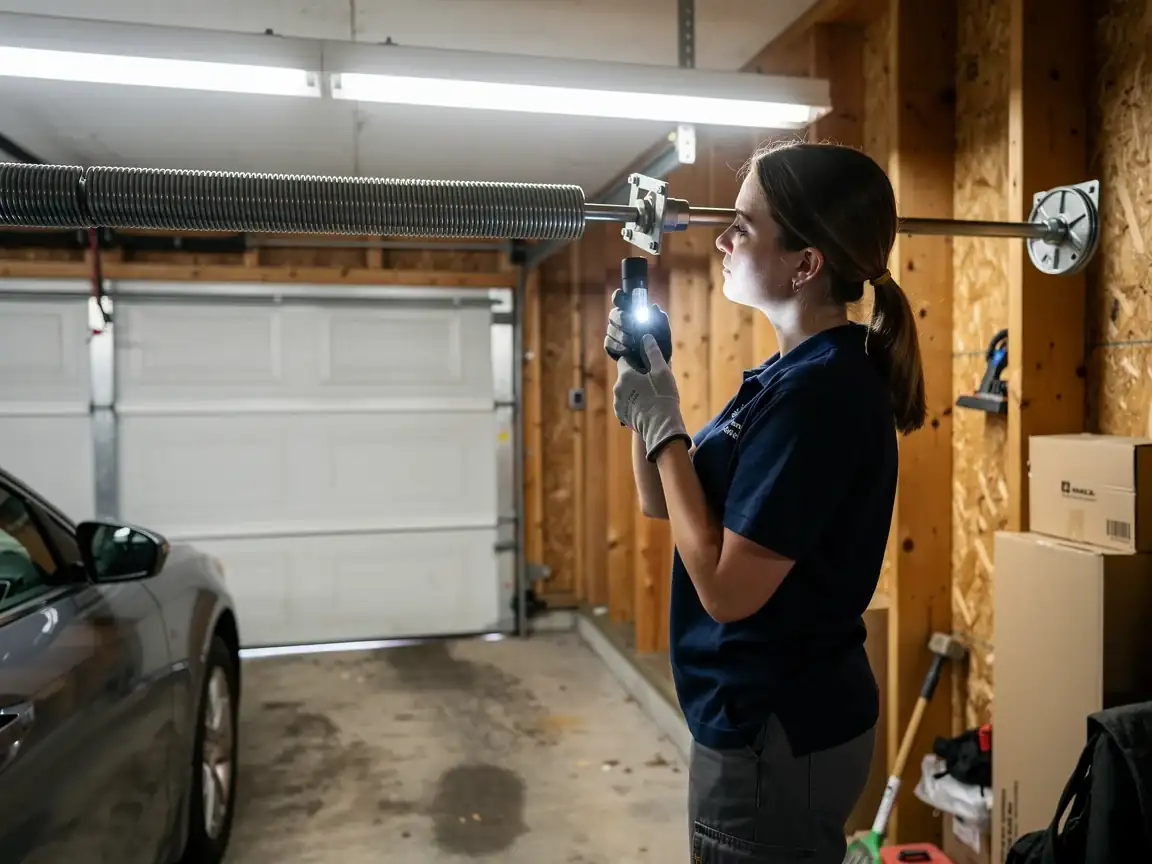
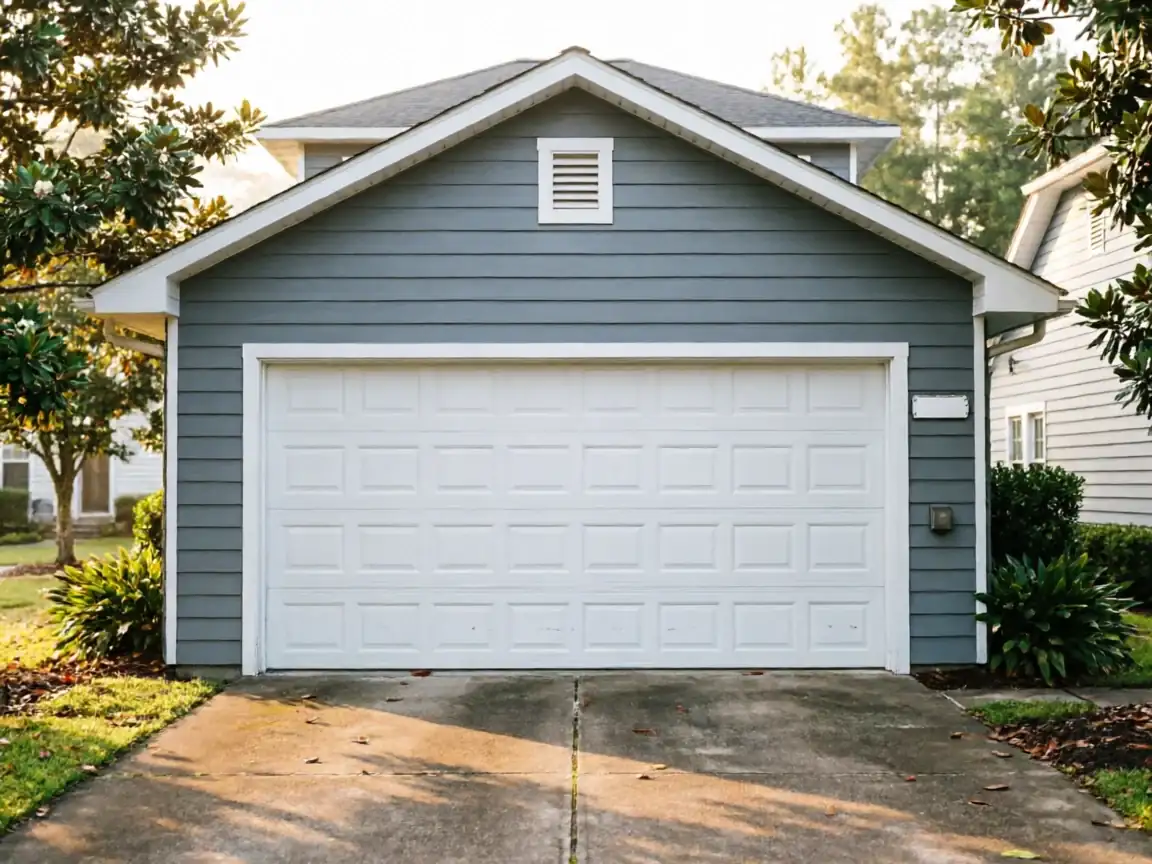
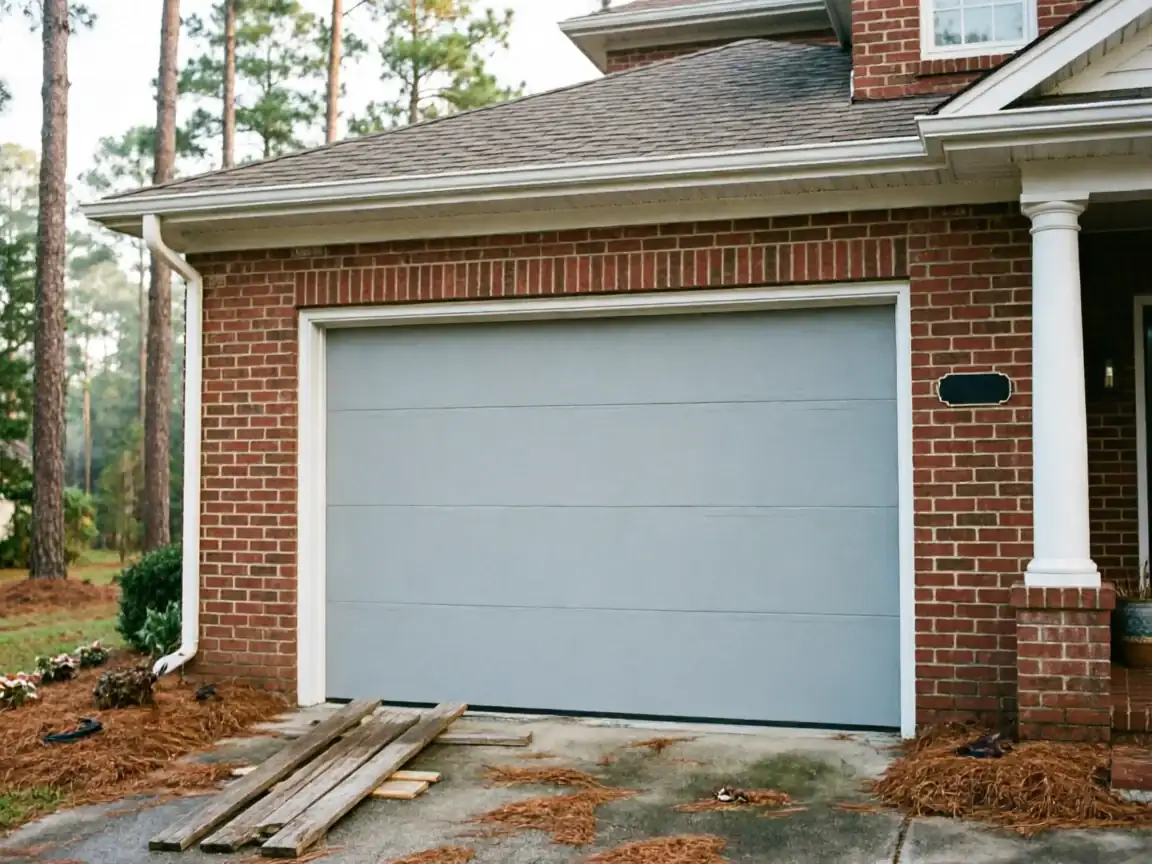
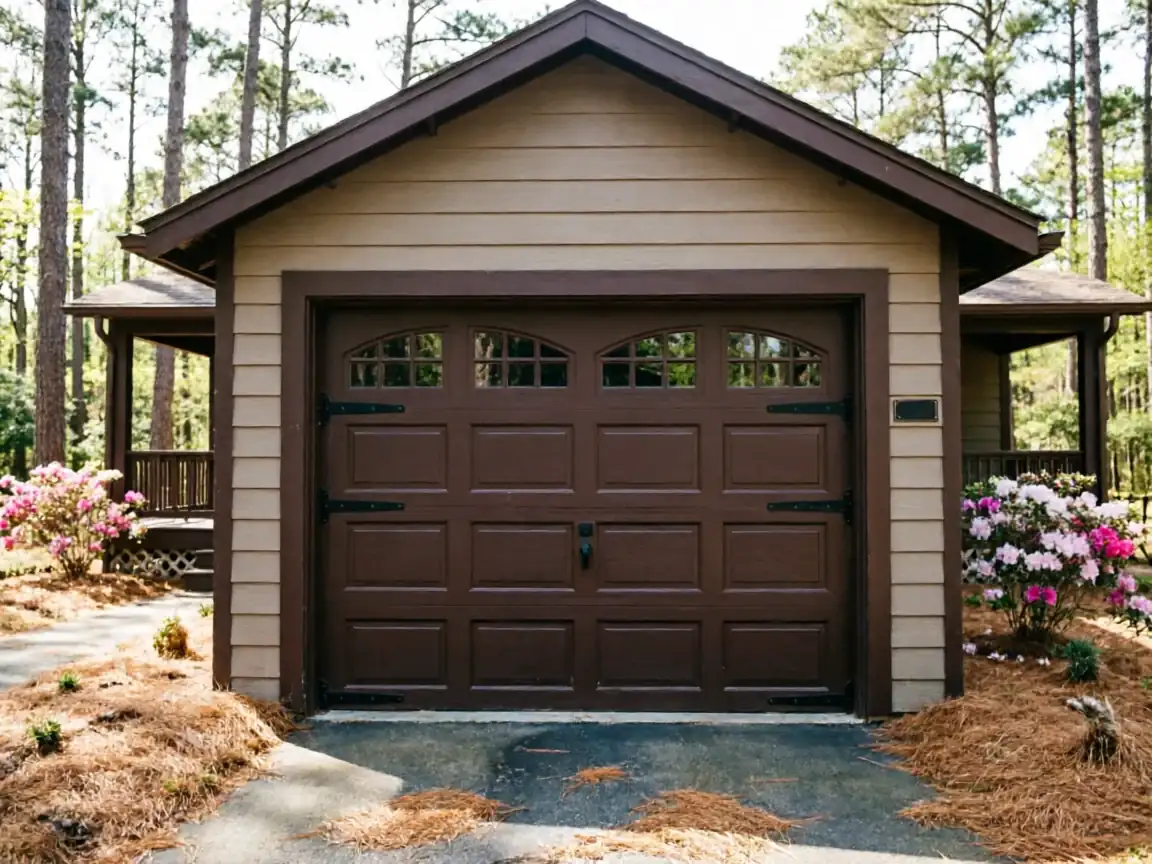
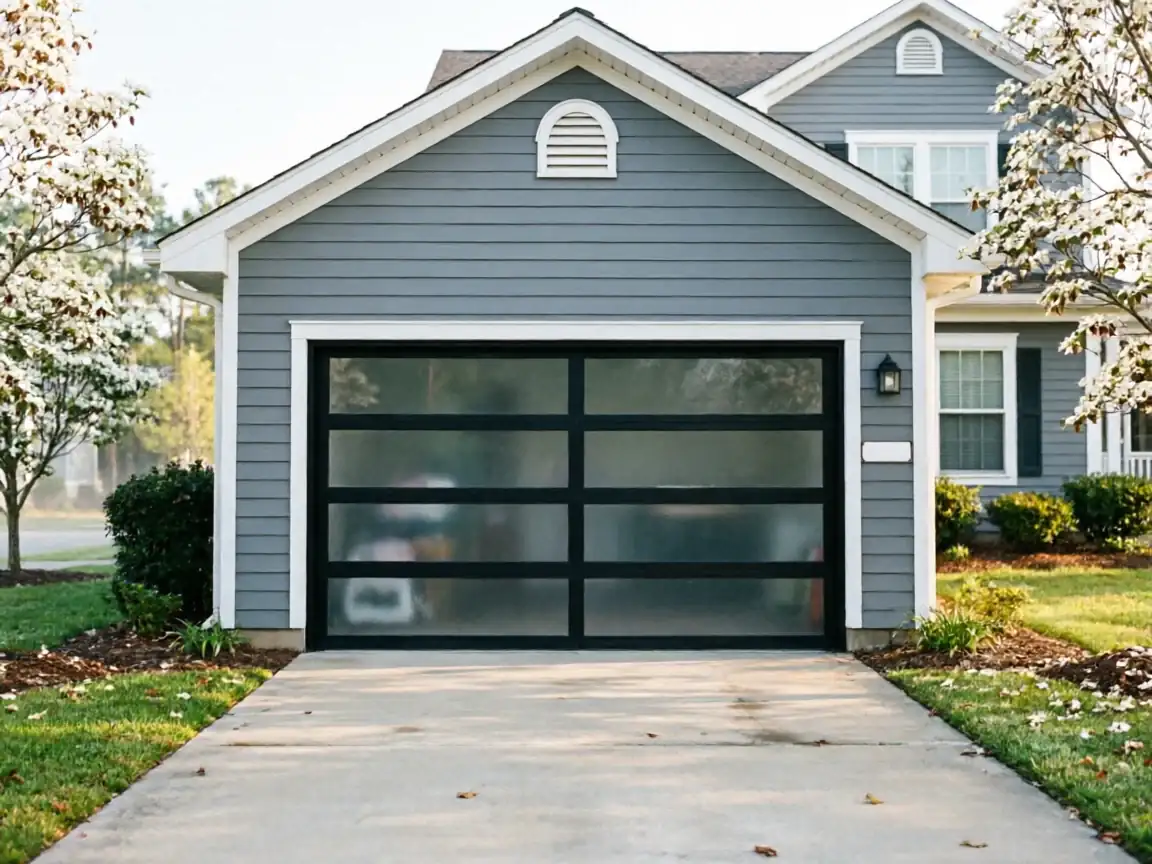
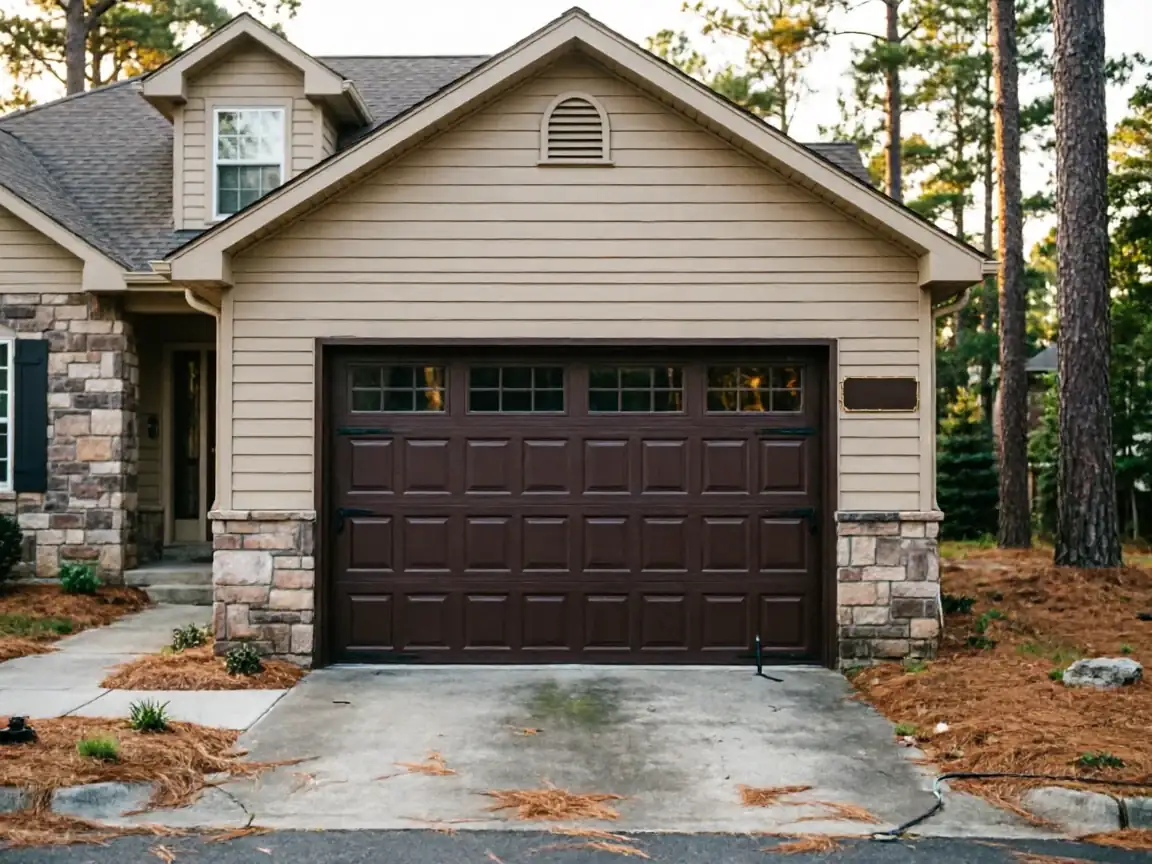
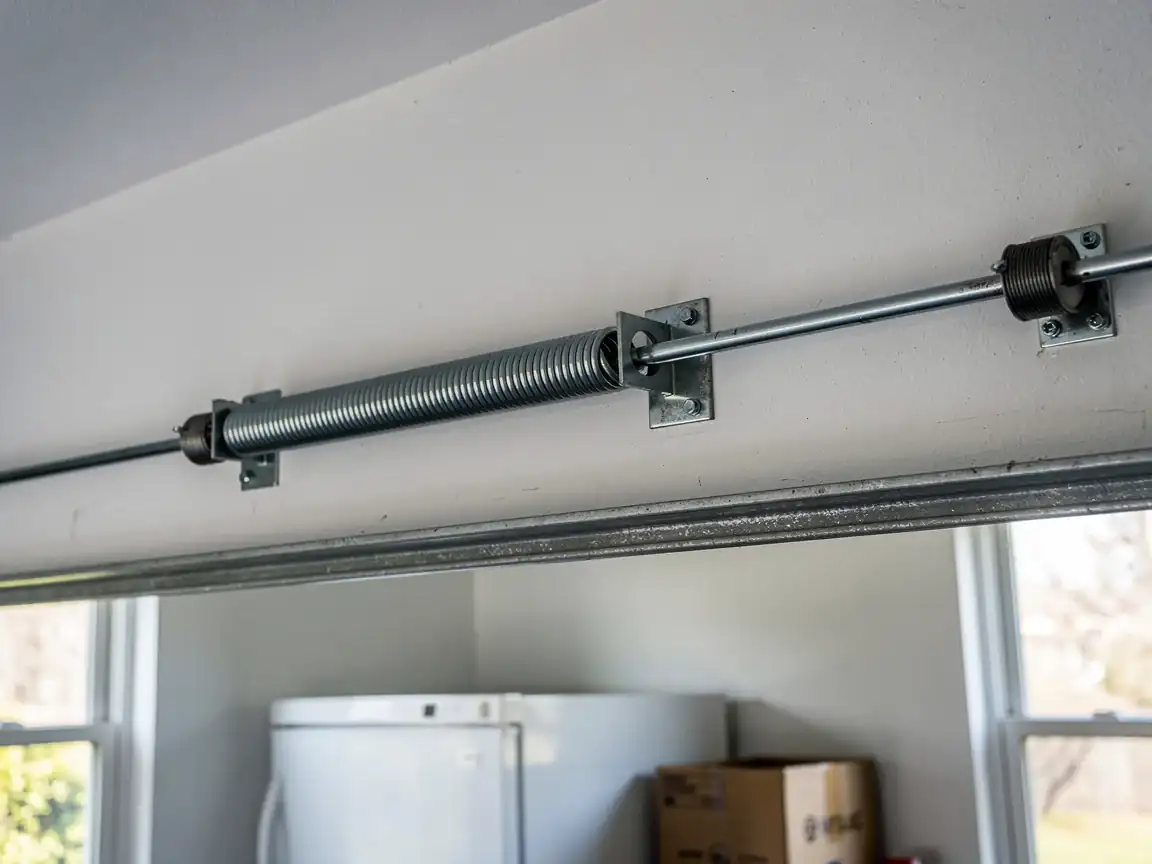
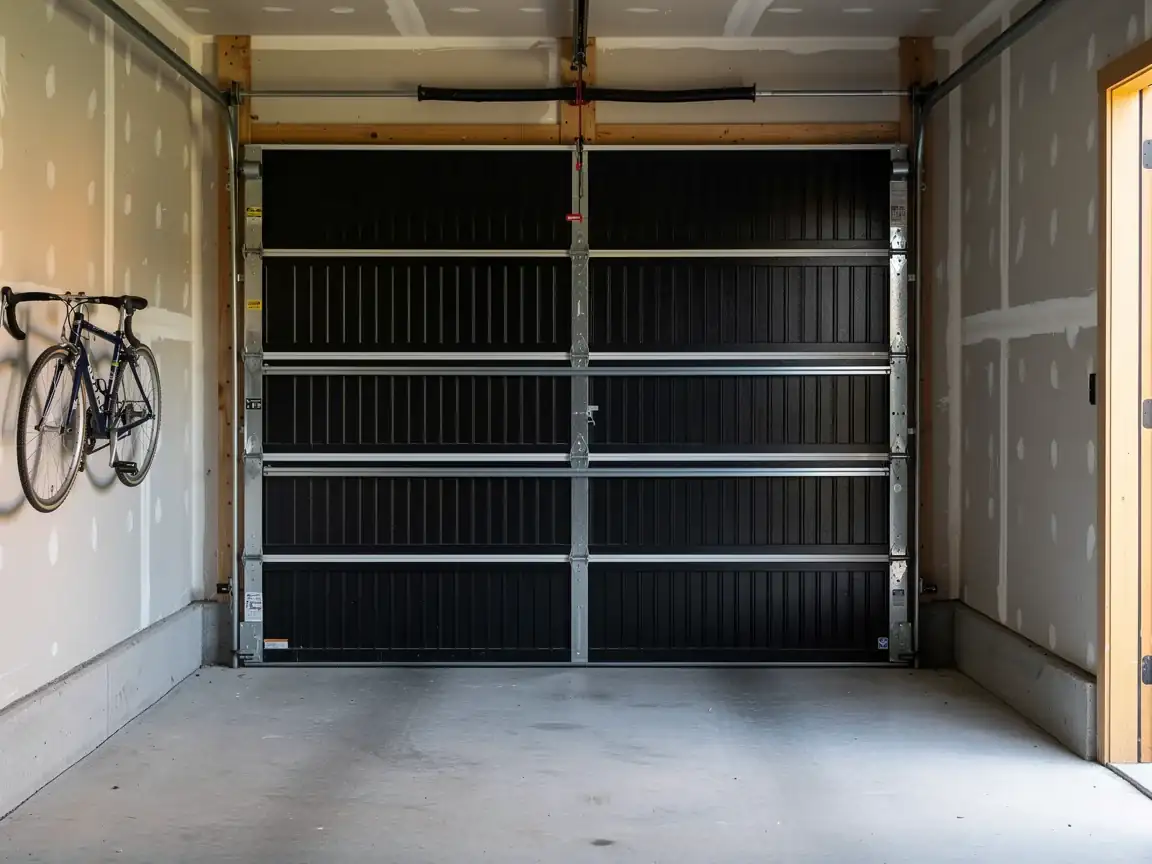
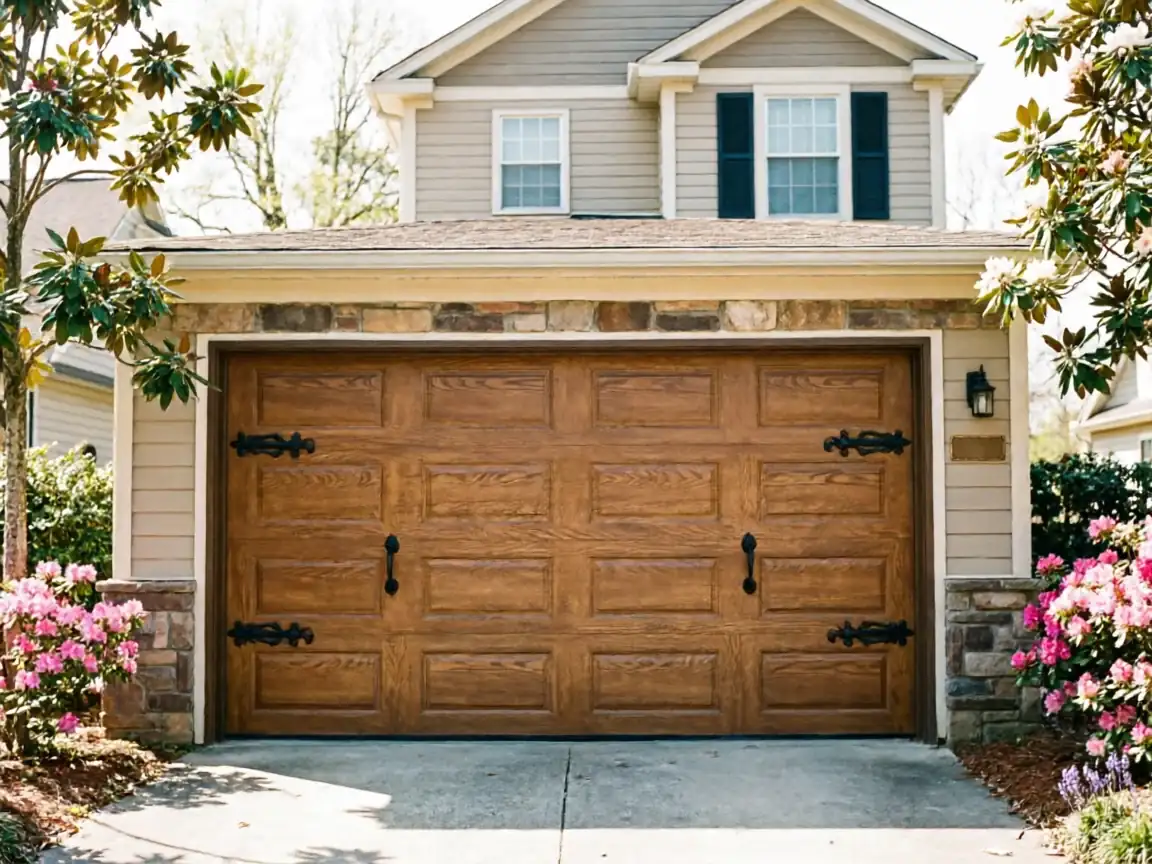
Theodore's housing runs newer than a lot of what we see closer to Mobile - median build year here is 1988, compared to 1983 across the wider service area. That five-year gap matters more than it sounds. By the late 1980s, builders had mostly moved off the old side-mounted torsion setups and heavier wood panels toward lighter steel sections and extension spring systems, sometimes centered over the header instead of beside it. If your house went up around 1988, you're more likely dealing with factory steel doors on roller tracks that have simply worn out from thirty-plus years of cycles, rather than hardware that's actually obsolete. The parts are more likely to still be in production, which keeps repair on the table more often than replacement. That said, we still find original openers in some of these garages - chain-drive units from that era with worn gear sets and no safety reversal worth trusting. When we're out at a job here, we're usually swapping one of those rather than rebuilding spring hardware from scratch, which is a different kind of call than what we run into on the older streets nearer the city core.
What Neighbours Usually Call About
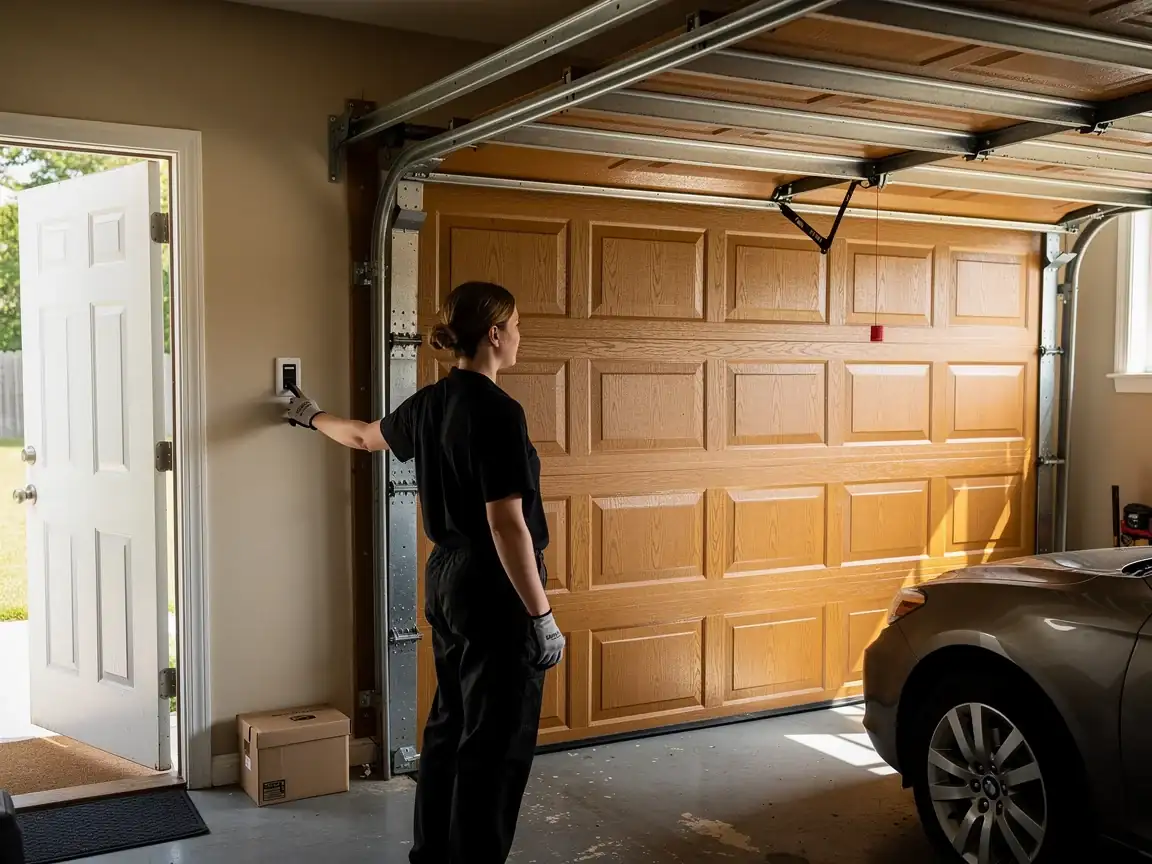
The calls we get from Theodore skew toward openers more than springs, which tracks with the housing age. A chain-drive unit installed when the house was built is past due for a motor or logic board failure by now, and a lot of owners don't realize their safety sensors are original equipment until we point it out. We also hear about rollers that have gone from nylon to metal-on-metal, rattling the door on its way up - a maintenance item that gets ignored until it's a slammed track. Mild winters here mean we're not chasing the frozen-track calls you'd get further north, but the humidity along this stretch of the Gulf coast does its own slow damage to steel tracks and bottom brackets if they're not kept lubricated. Springs still break, just less often as a first call than at houses from the 1960s and 70s stock closer to Mobile proper.
The Houses Here
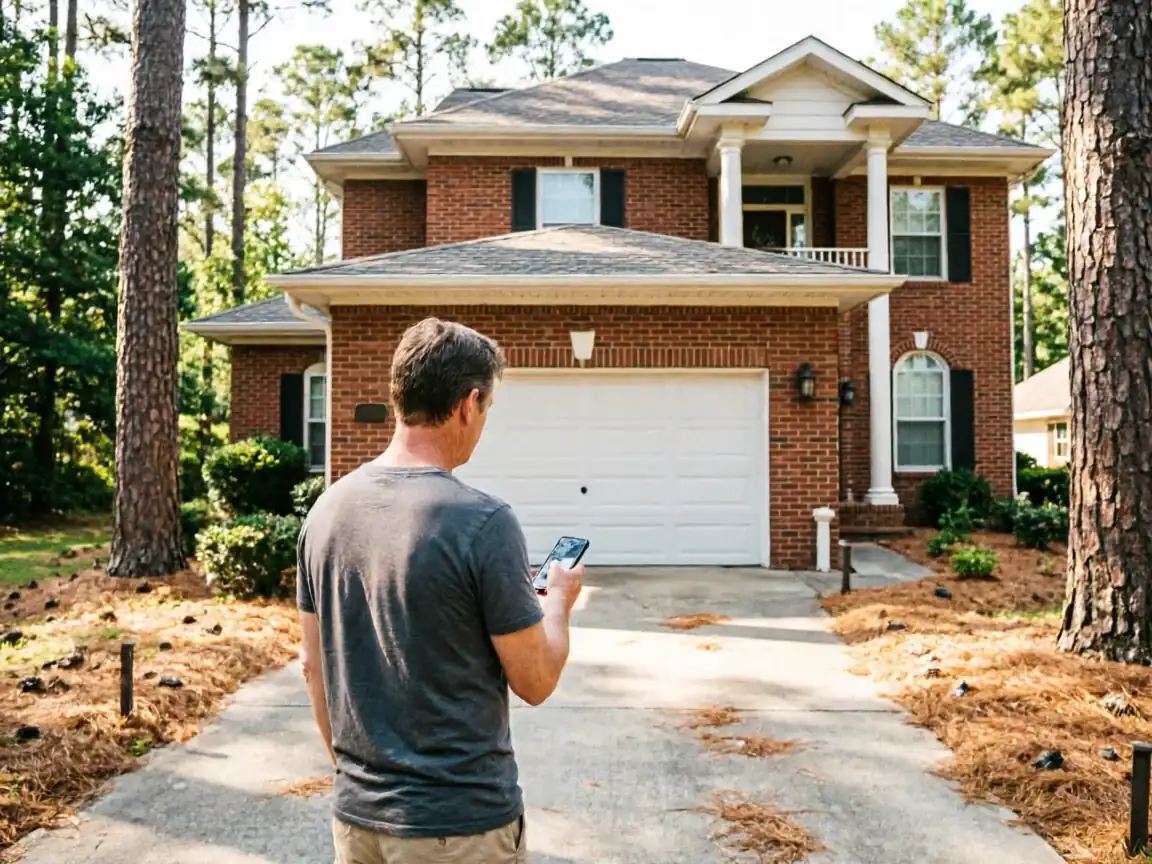
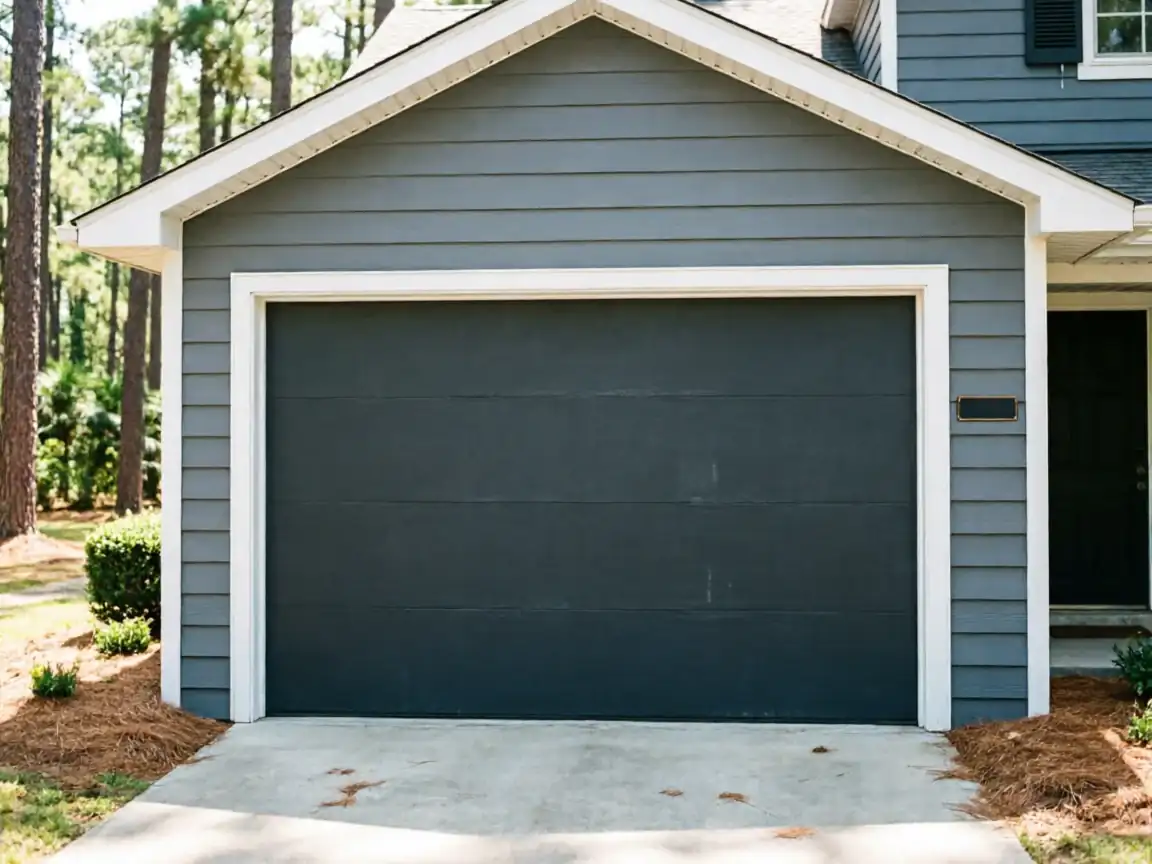
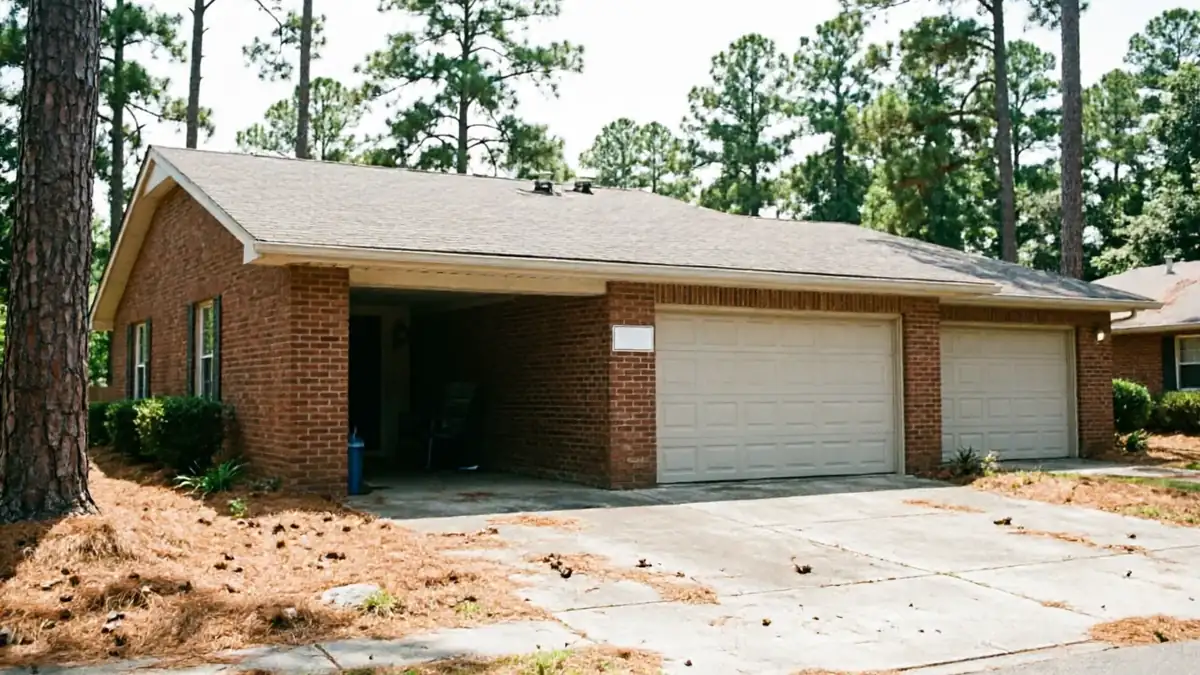
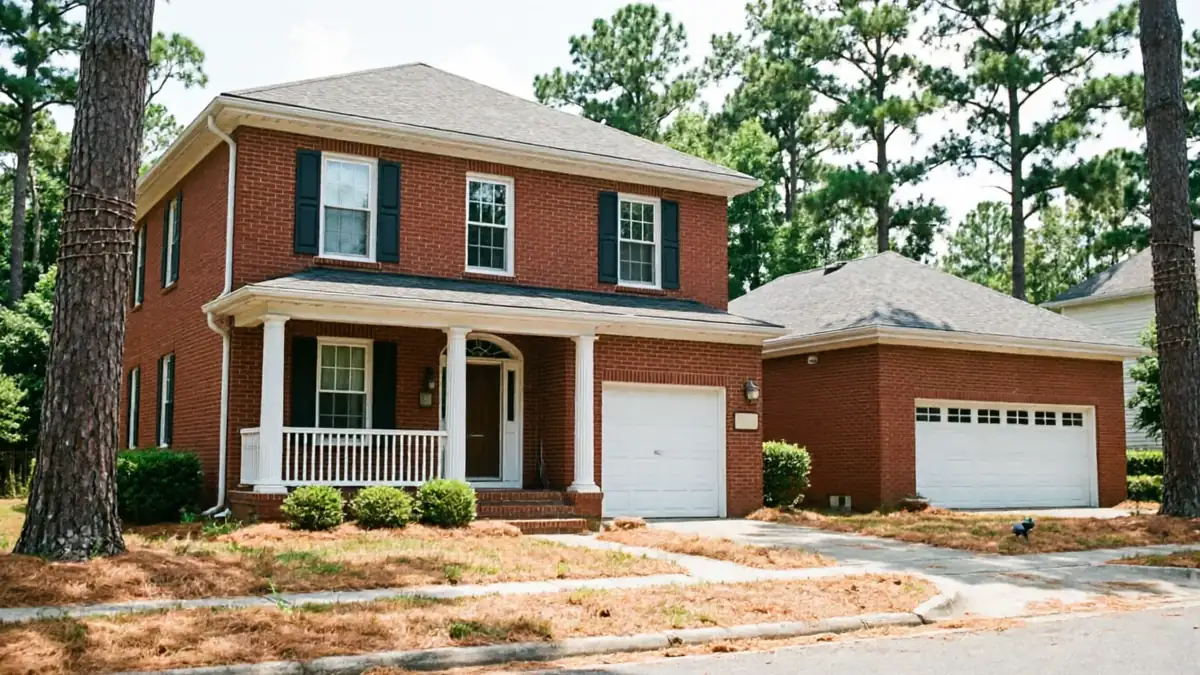
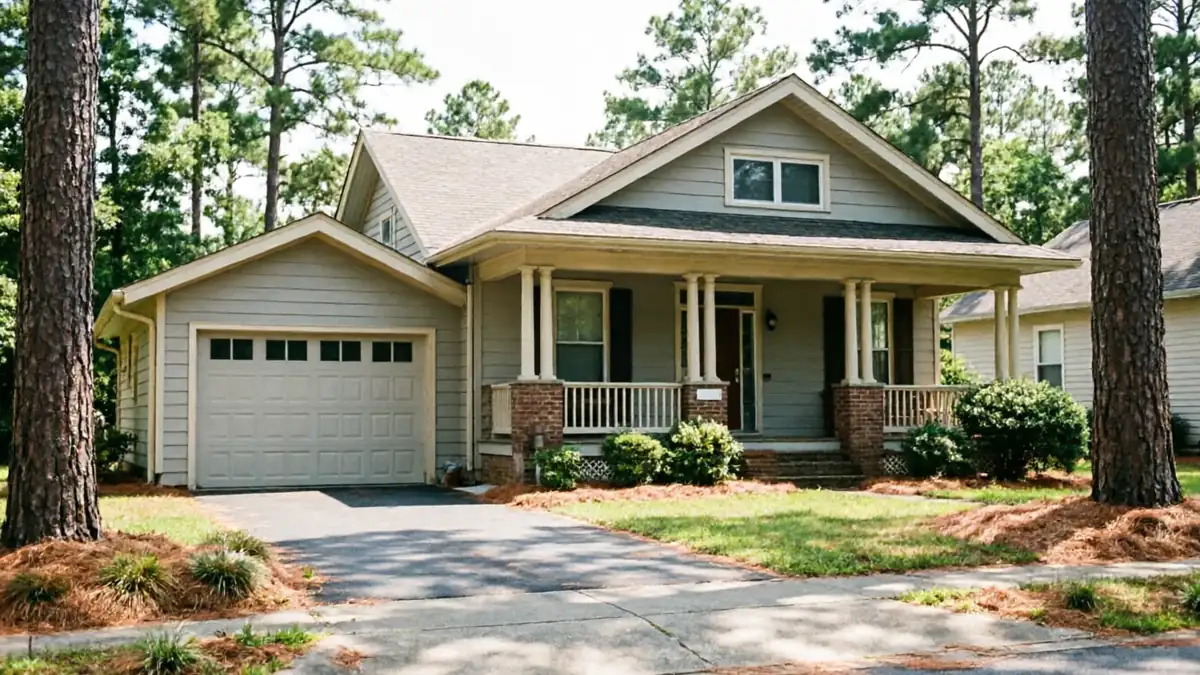
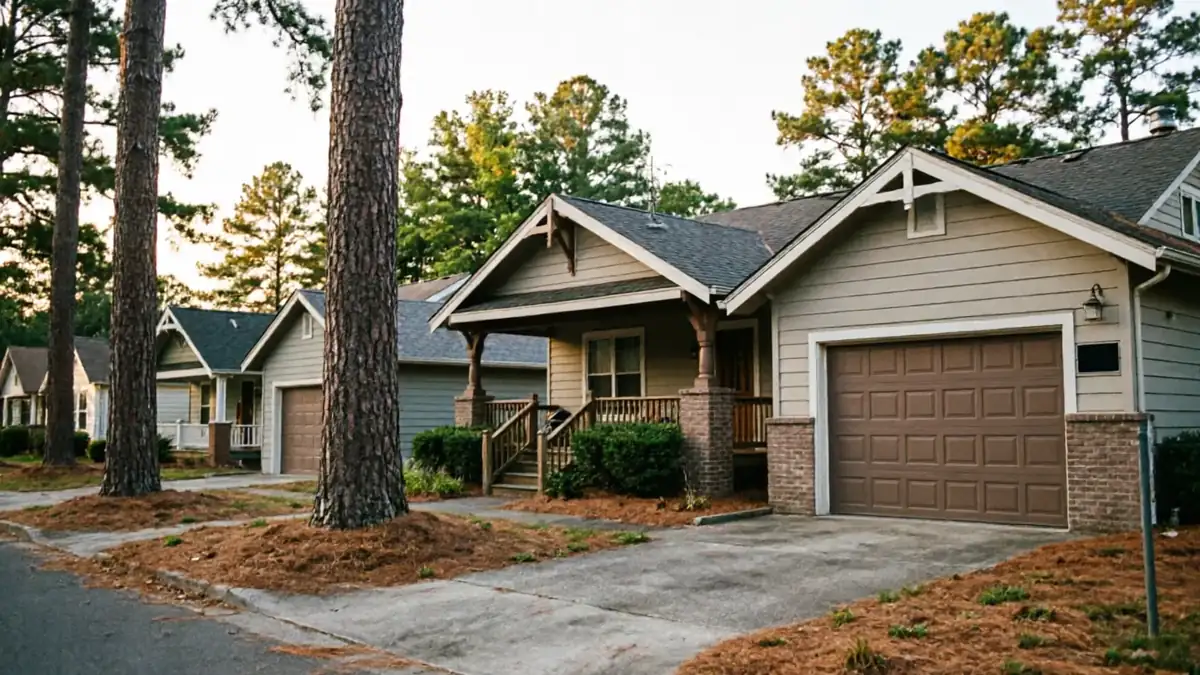
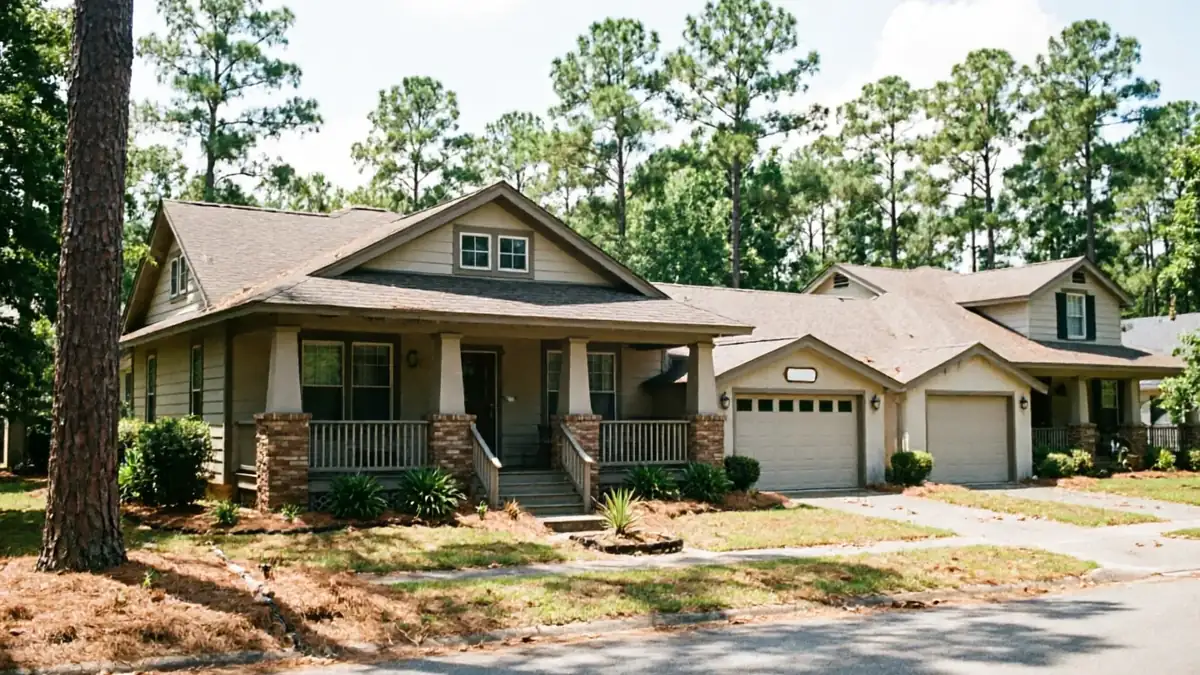
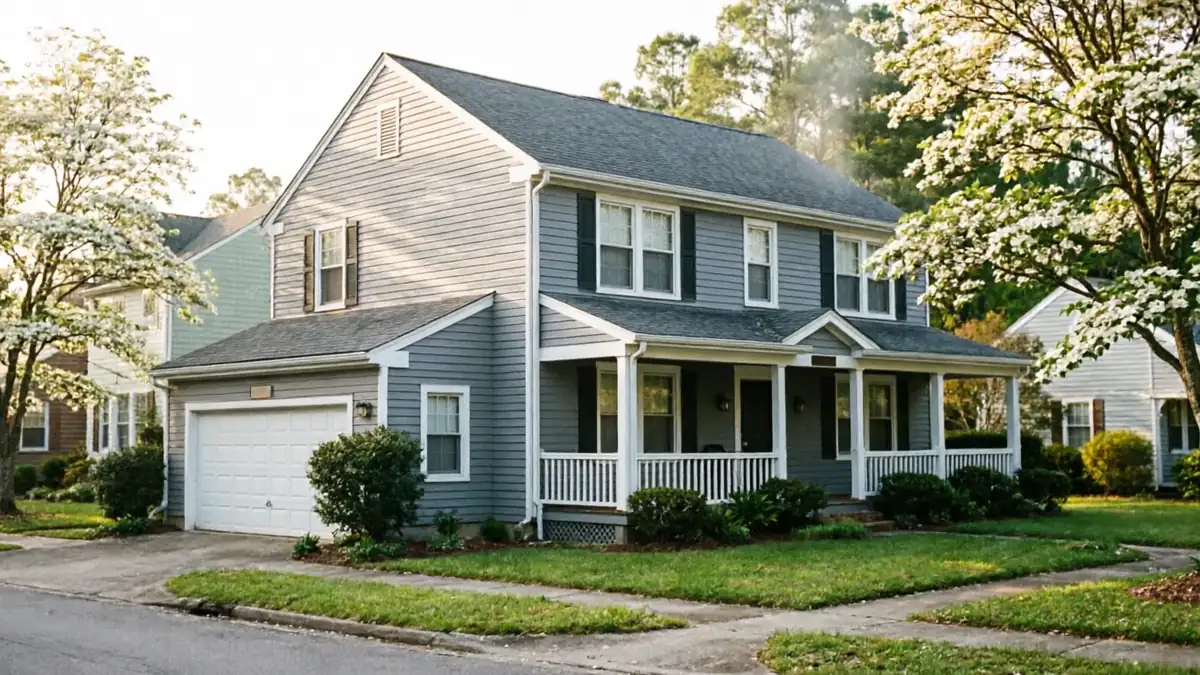
With roughly 2,169 households in this part of Theodore and a median income near $60,764, most of what we see is mid-range production housing from the late 1980s boom - not custom work, not older farmhouse stock, but the steel-door, steel-track subdivisions that went up fast during that period. That consistency actually helps on the repair side: parts across these houses tend to be similar enough that we're not guessing at spring wind or track gauge. It's a different mix than you'd find in the older river-adjacent neighborhoods closer to Mobile, where doors are older, heavier, and often held together with hardware nobody makes anymore.