What You Pay
We don't quote a number until we're standing at the opener, because what drives the bill in Mobile isn't the brand name, it's the age of the unit and whether the house still has the original rail and chain from when it was built. A lot of what we see dates to that 1963-1999 run of construction, median right around 1983, and those units were built to be fixed, not swapped - gears, sprockets, and logic boards from that era are still around, which usually keeps the repair cheaper than a full replacement. Where it gets expensive is when the owner has already had one replacement opener put in since, often a mismatched brand on the same old rail, and now the bracket or rail doesn't fit anything we'd put in new. Median household income across the service area sits at $62,318, and most of the calls we take are from people who want the door working again, not a smart-home upgrade bolted onto it. We'll tell you straight if the motor's dead or if it's just the sensor, the capacitor, or the logic board - those three cost a fraction of a new unit and we'd rather fix the cheap part than sell you a motor you don't need.
Leaving It Alone
An opener that's grinding, hesitating, or reversing for no reason isn't a problem that waits well, but it's also not always urgent the day it starts. If the door still opens and closes on command and the only issue is noise, you've usually got a few weeks before something seizes - long enough to get on the schedule instead of calling it an emergency. Where we tell people to stop waiting: if the opener runs but the door doesn't move, or if it moves only partway and reverses, that's a drive mechanism about to strand itself open or shut. Across the roughly 29,831 owner-occupied houses in this service area, most of the units we end up replacing cold were ones the owner kept running past that point because it still technically worked. Our honest limitation here: if the motor's seized and the gear kit for that specific model is no longer stocked by the manufacturer, which happens with some of the older 1980s and 90s units, we're not going to pretend we can rebuild it in an afternoon - that's a replacement job, and we'll say so up front instead of charging you for parts that don't exist anymore.
What Is Going On
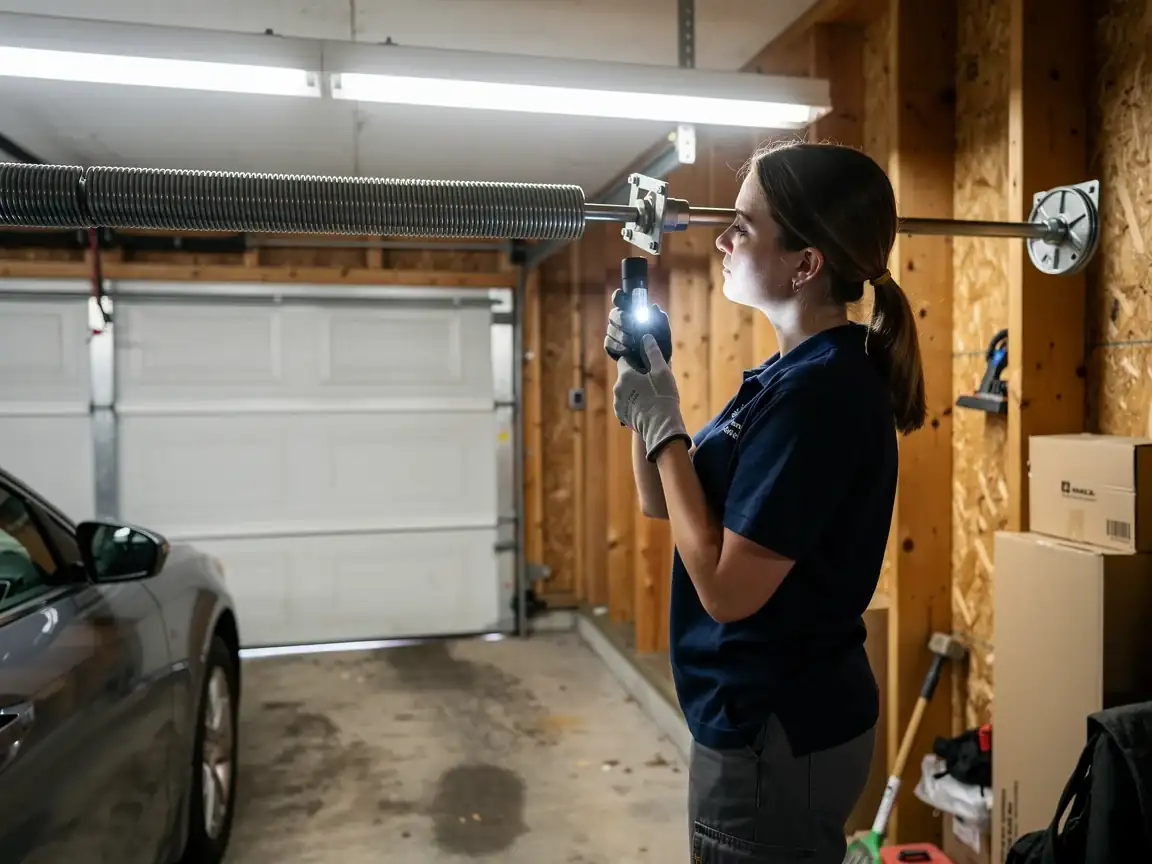
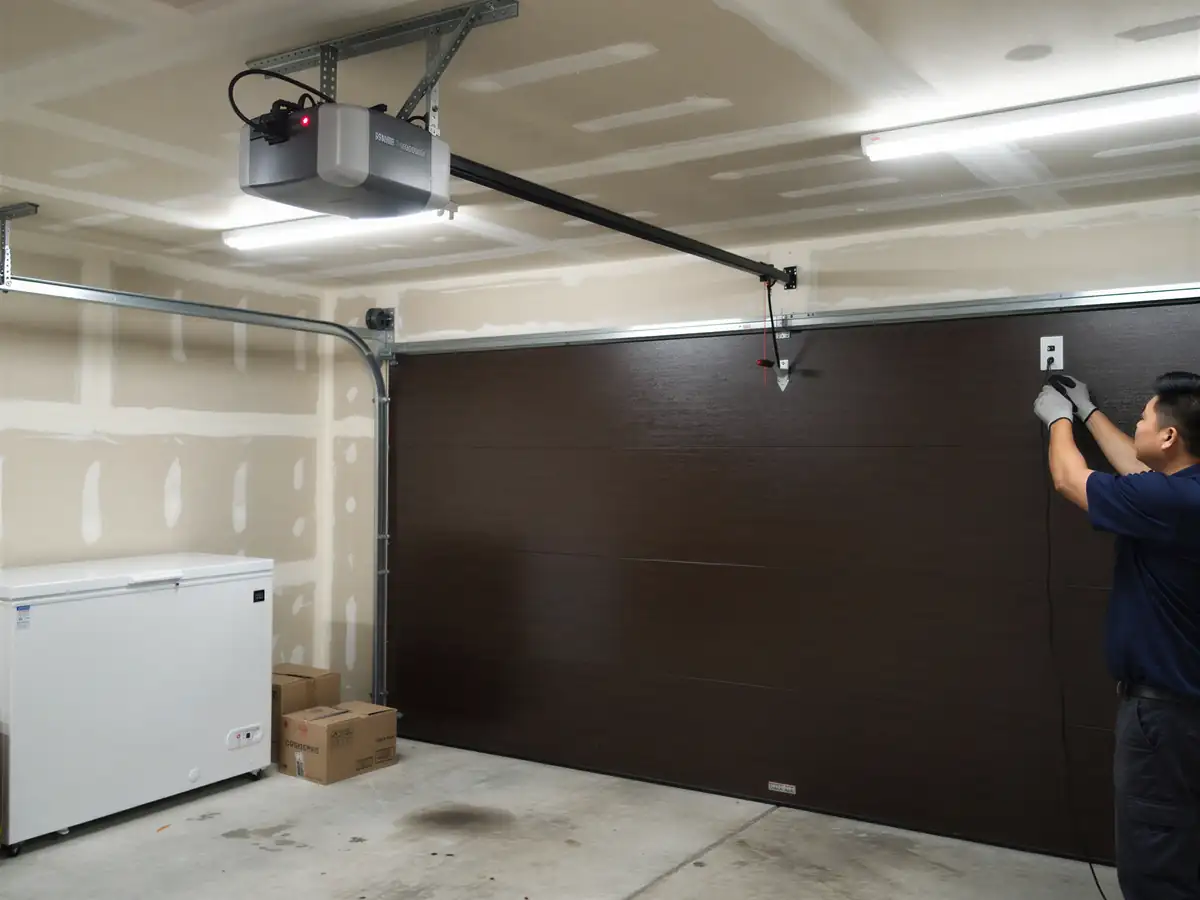
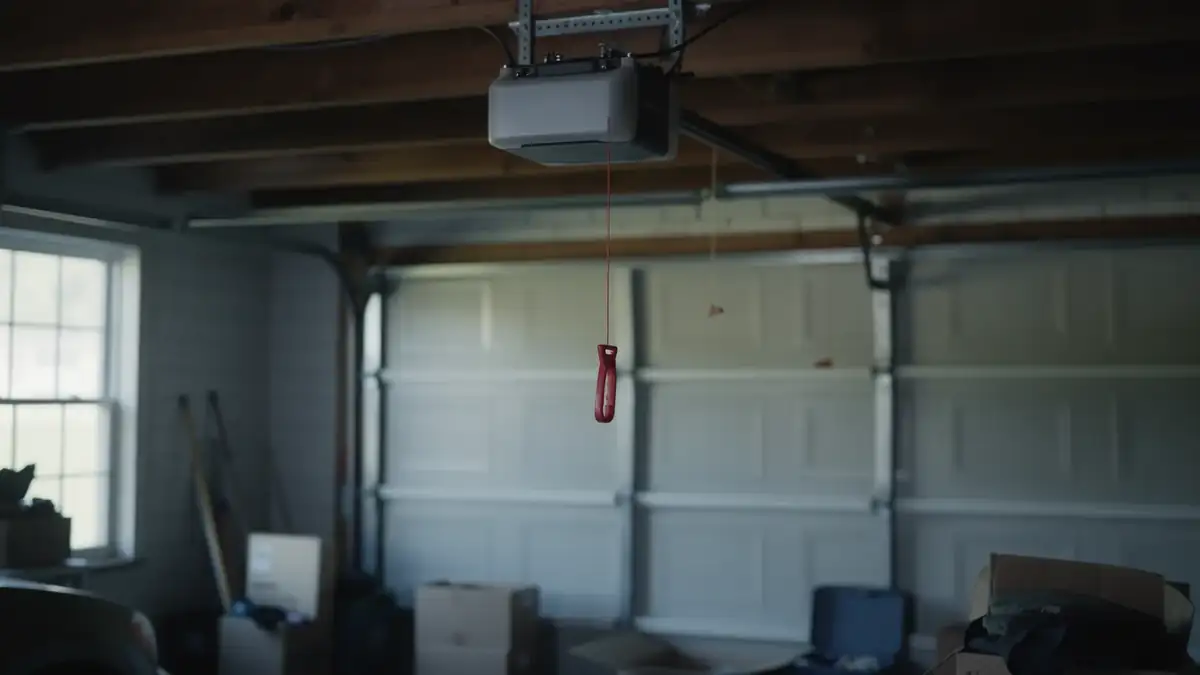
When a door won't respond at all, the first thing we check isn't the opener - it's whether the house lost power and the opener simply has no backup battery to fall back on, which is common in the older units that came standard with houses built across this service area from the 60s through the 90s. If the power's on and the opener still won't fire, we're looking at the logic board, the wall switch wiring, or a safety sensor that's drifted out of alignment, which happens more often in garages with the humidity swings typical of this area. From Chickasaw to Tillmans Corner to the neighborhoods closer in like the opener brands that came standard in 1980s and 90s construction are consistent enough that we keep the common failure parts on the truck rather than special-ordering them. What's rarer than people expect is a dead motor - most calls that sound like 'the opener died' turn out to be a capacitor, a sensor, or a stripped drive gear, all cheaper fixes than a new unit, and we'd rather diagnose it right than sell you the expensive answer first.