What You Pay
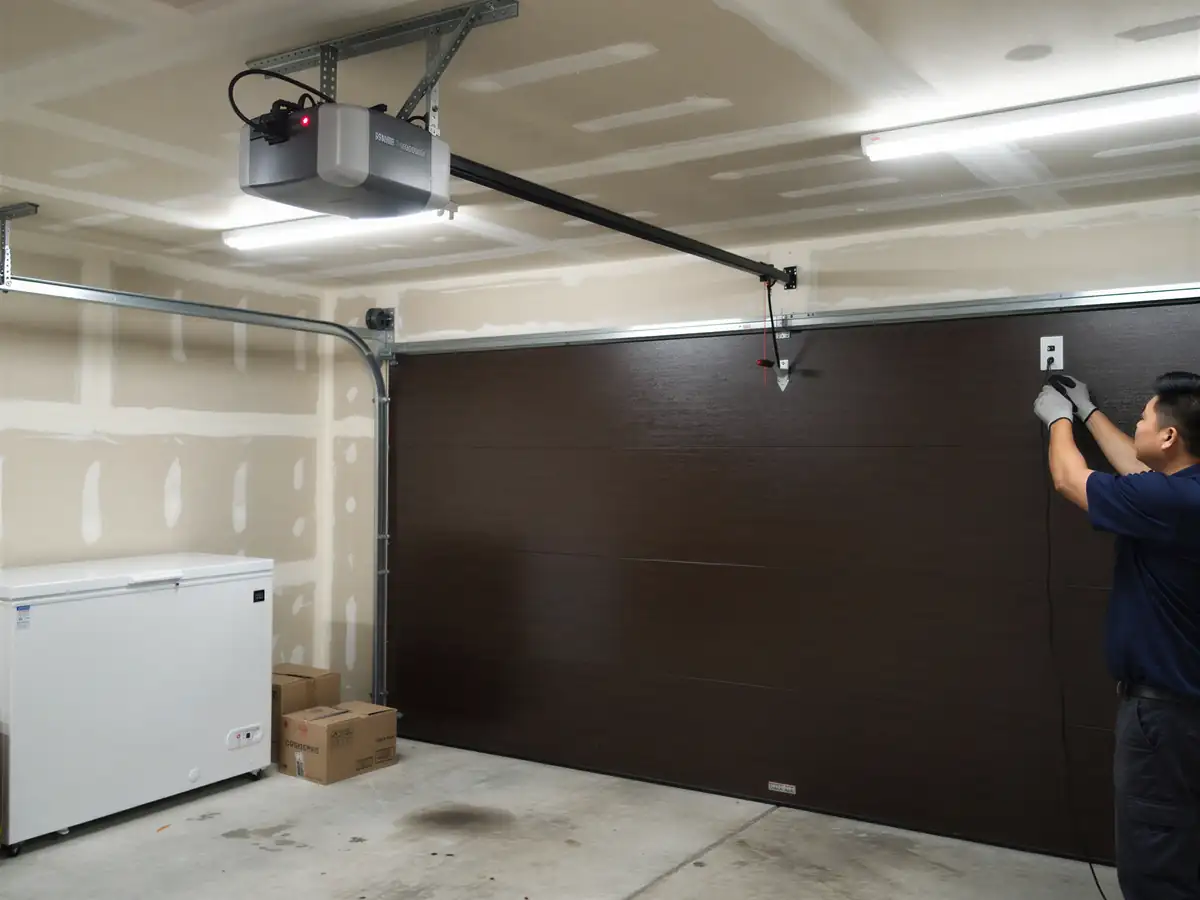
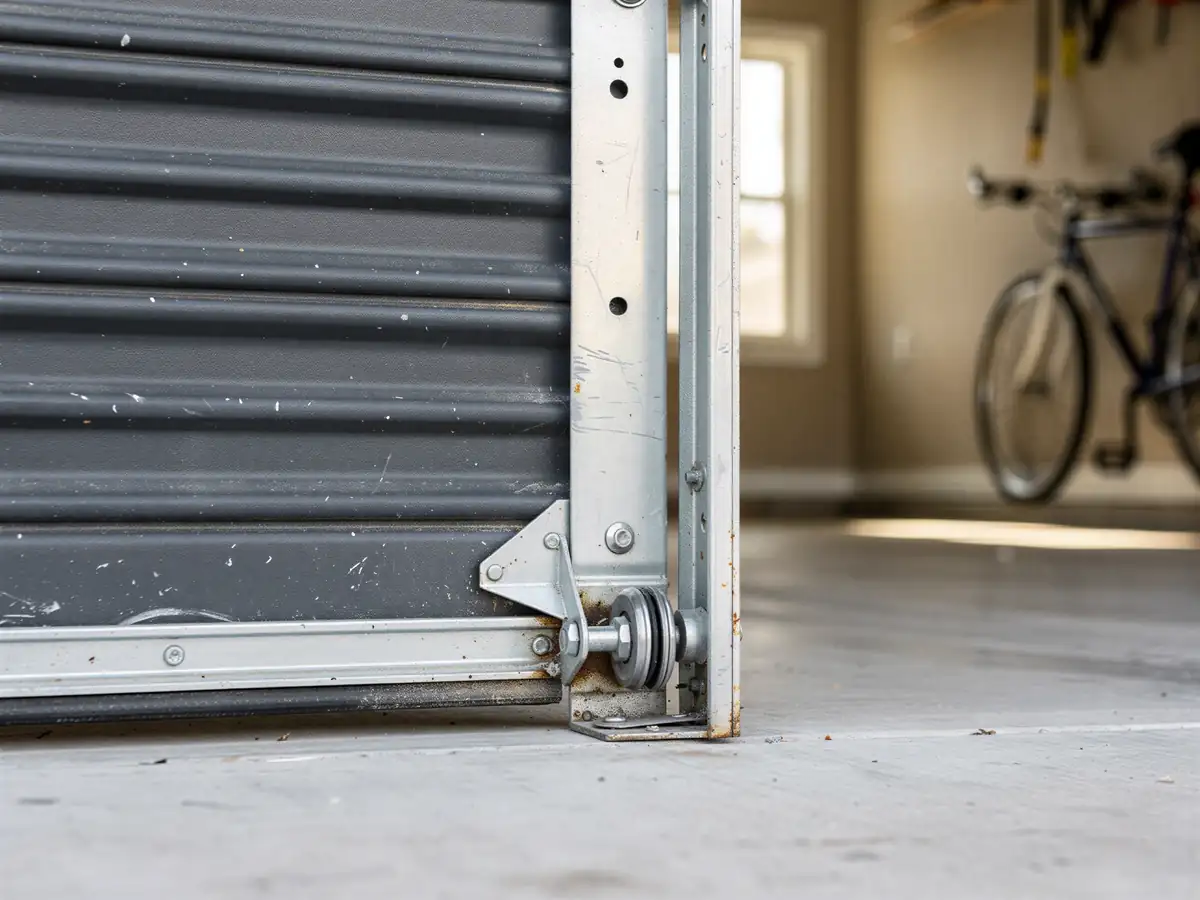
We're not going to list prices here without a number in front of us, because the fix depends entirely on what's making the noise - a dry hinge is not the same job as a broken torsion spring, and quoting one price for both would be a lie. What we can tell you is what drives the cost up in houses like the ones across Mobile's service area, where most garage doors and openers date to the 1963-1999 build window. A lot of these doors still run original steel track and hardware that's been painted over a few times, and once a roller seizes in that track, you're not oiling it back to life - you're replacing the roller and sometimes the section of track it chewed up. If your opener is original to a house built in the 1970s or 80s, parts for it likely don't exist anymore, which turns a "fix the noise" call into a "replace the opener" call. We'll tell you straight when that's where it's headed instead of patching something that's going to fail again in a month.
Leaving It Alone
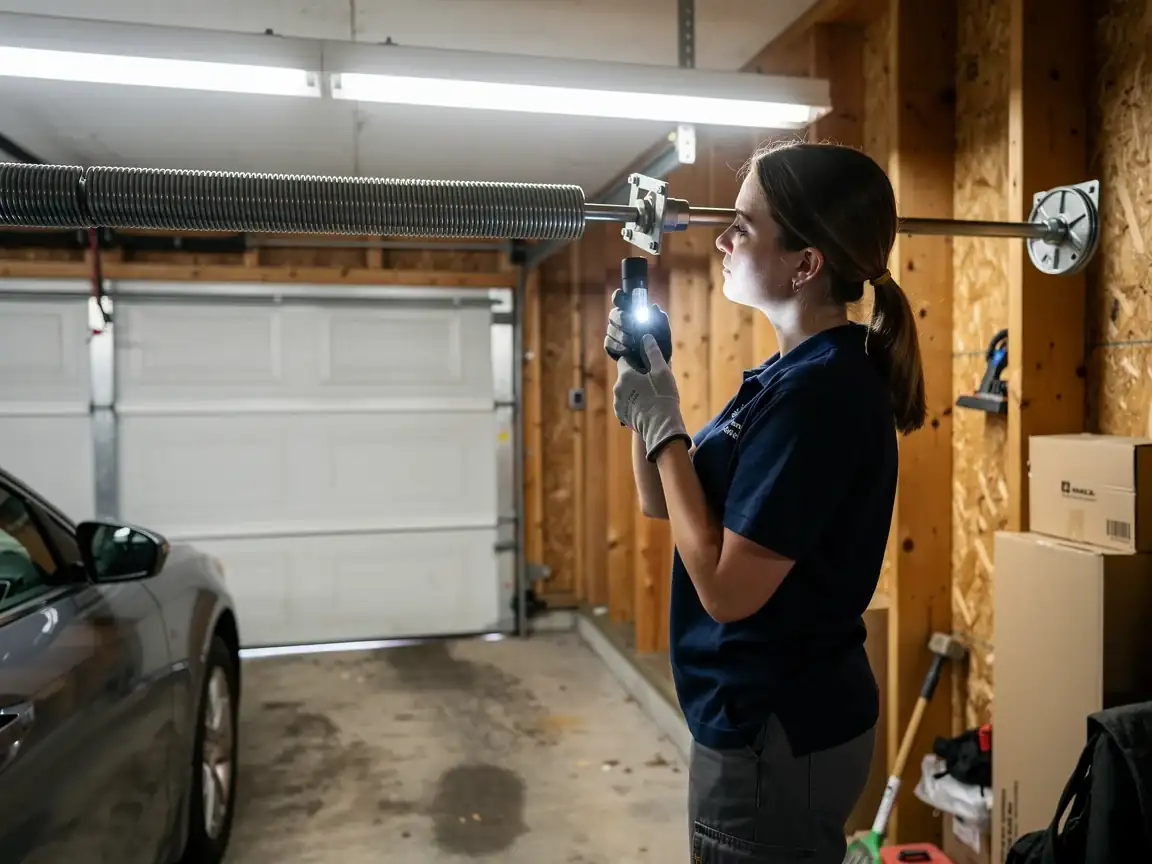
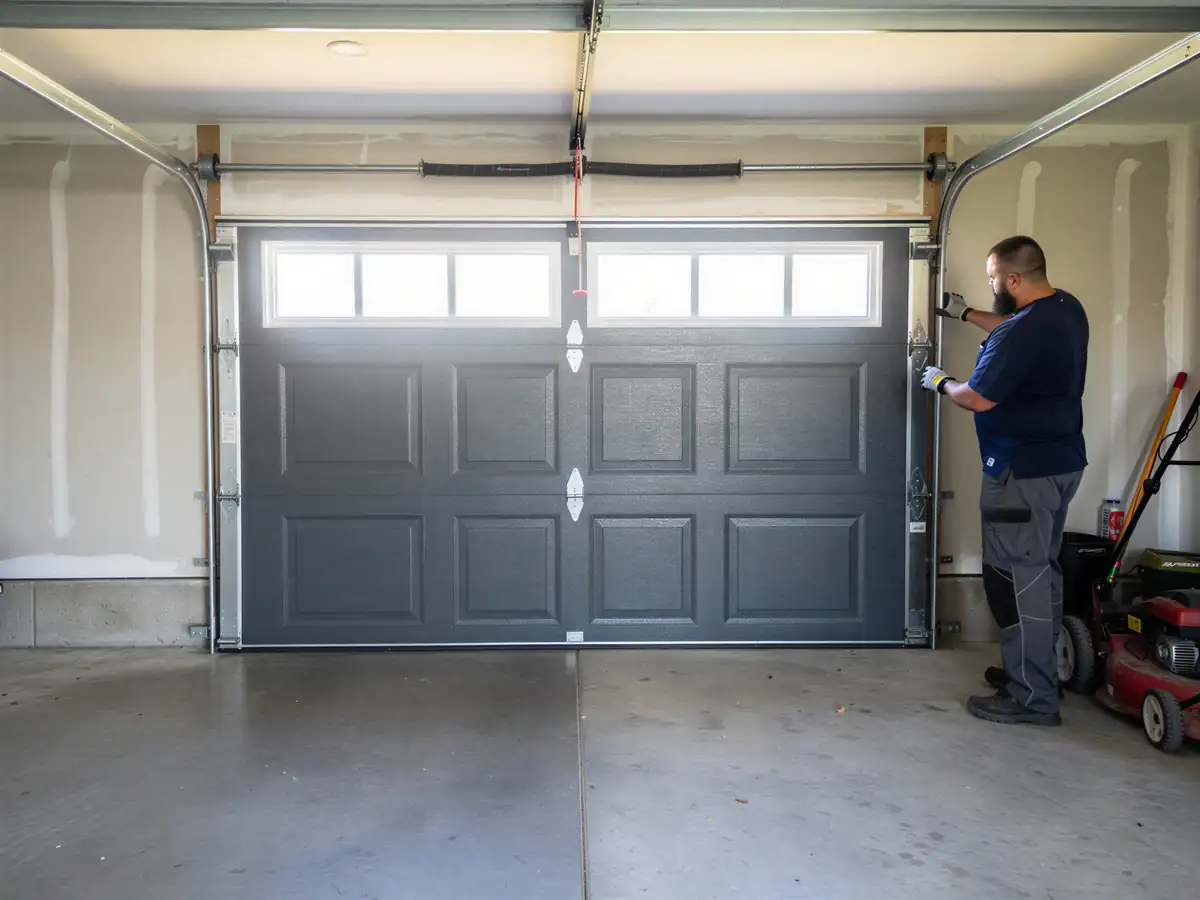
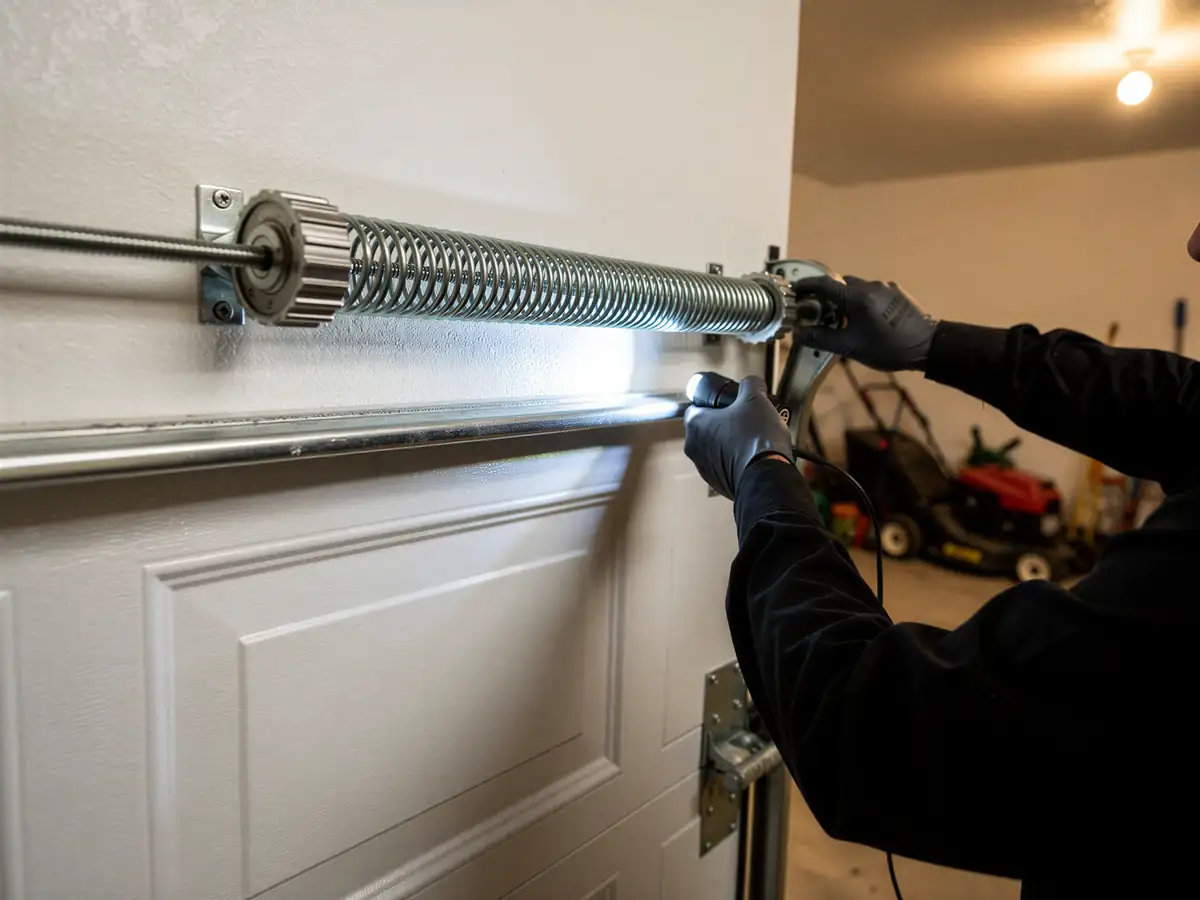
Some noises are fine to live with for a while, and we'd rather tell you that than invent urgency. A light squeak on the rollers of a door that otherwise opens smooth is not an emergency - it's a maintenance item you can get to when it's convenient. What's not fine to leave alone is a loud bang, a door that jerks instead of gliding, or any sound that seems to come from the spring area above the door. In a lot of the owner-occupied houses across this area - and there are close to 30,000 of them in the roughly 46,000 households we're talking about - that spring has been doing its job quietly for two or three decades without anyone thinking about it, and the loud pop or grinding sound is often the first and only warning before it lets go completely. A door under a broken spring doesn't ease down, it drops, and that's not something to wait out.
What Is Going On
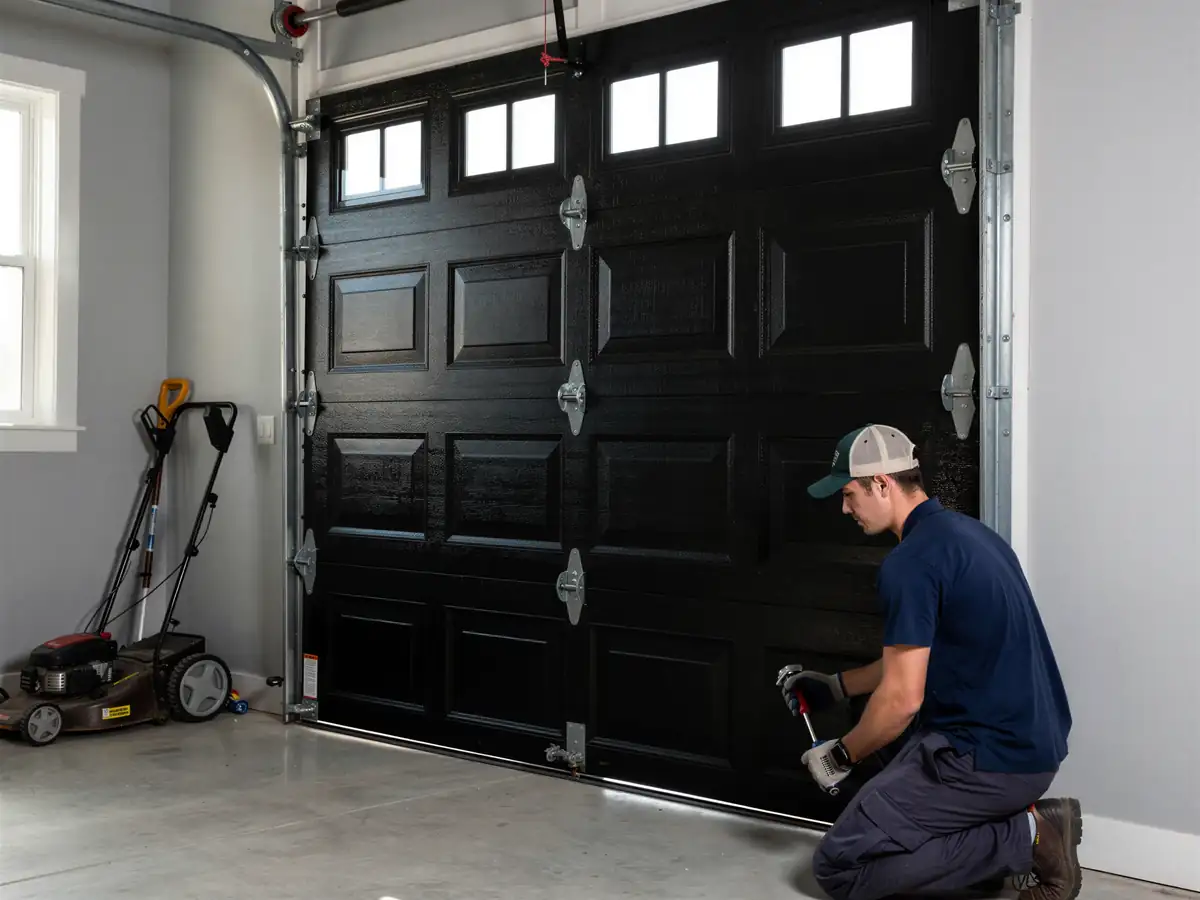
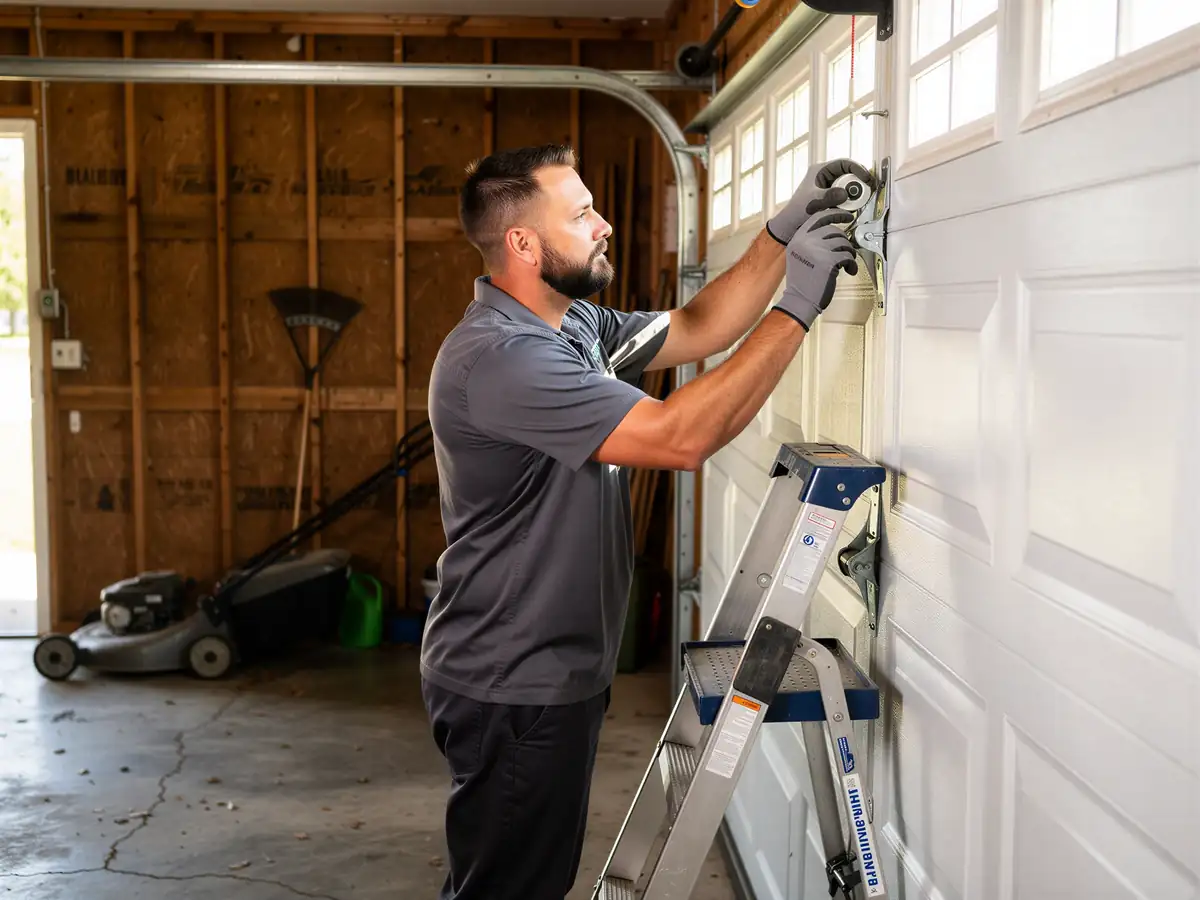
A rhythmic thump as the door moves is almost always a flat spot on a roller or a bent track hanger - not usually urgent, but it won't fix itself. A sharp metallic bang, especially one that happens when the door isn't even moving, points to spring tension letting go, and that's a stop-what-you're-doing situation. Grinding that gets worse as the door travels usually means a roller bearing is shot or the track has debris or rust buildup, common in houses from the 1980s-90s stock that make up most of what's across these thirteen named areas. A slow creak on an opener motor, rather than the door itself, often means the opener's drive gear is wearing down - common once an opener passes the age where most original units in this area are already due for replacement. If you're not sure which one you're hearing, that's a reasonable thing to call about before it turns into the bang.