The Complications
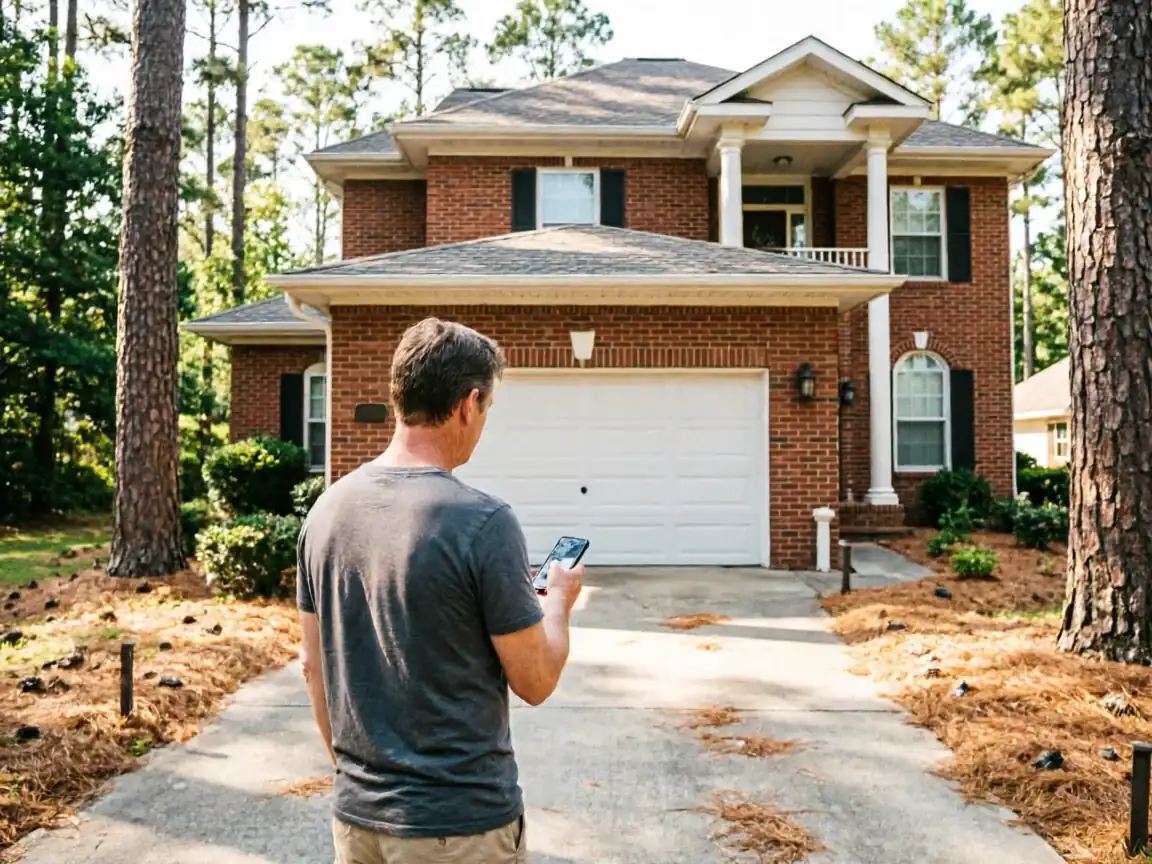
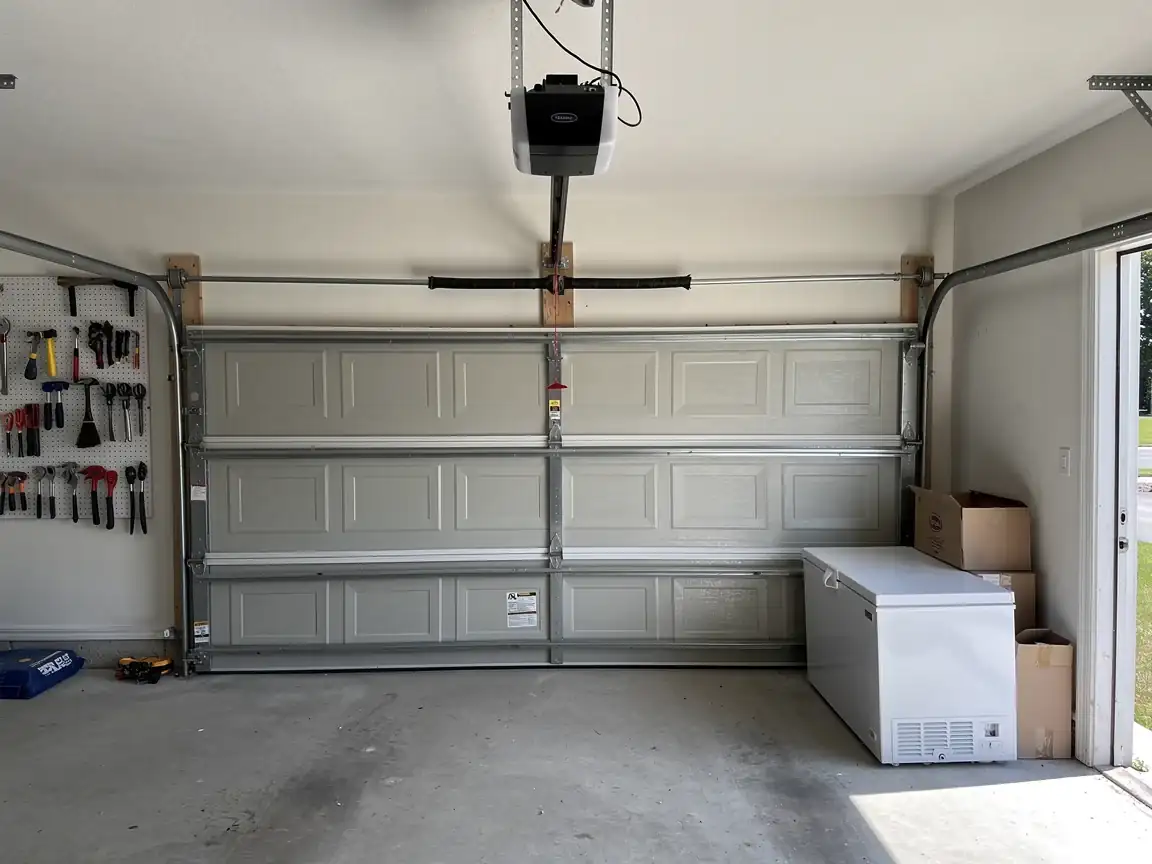
Mobile's housing stock, taken as a whole, centers on 1983. Theodore runs newer - median build year 1988. Five years doesn't sound like much until you look at what changed in residential garage door hardware through the 1980s. Builders in this stretch were more likely to install galvanized roller tracks with lighter-gauge brackets than the heavier steel used on homes built a decade earlier elsewhere in the service area. That lighter bracket holds fine under normal use, but it's also the first thing to bend when a door gets knocked off track.
We drive out from Mobile, about 10 miles to reach Theodore, so we're not guessing at what's common here - we see the same bracket style and the same track spacing on a lot of the calls. A door built to 1988 code doesn't fail the same way as a door from the 1960s stock you'll find closer to the Mobile core. The rollers are often nylon instead of steel, which means less noise but also less tolerance for a track that's even slightly out of alignment.
Add in this area's climate band - mild with occasional freeze - and you get wood framing around the door opening that can shift just enough over a winter to throw the track out of square. It's not dramatic, but it's consistent.
The Symptom
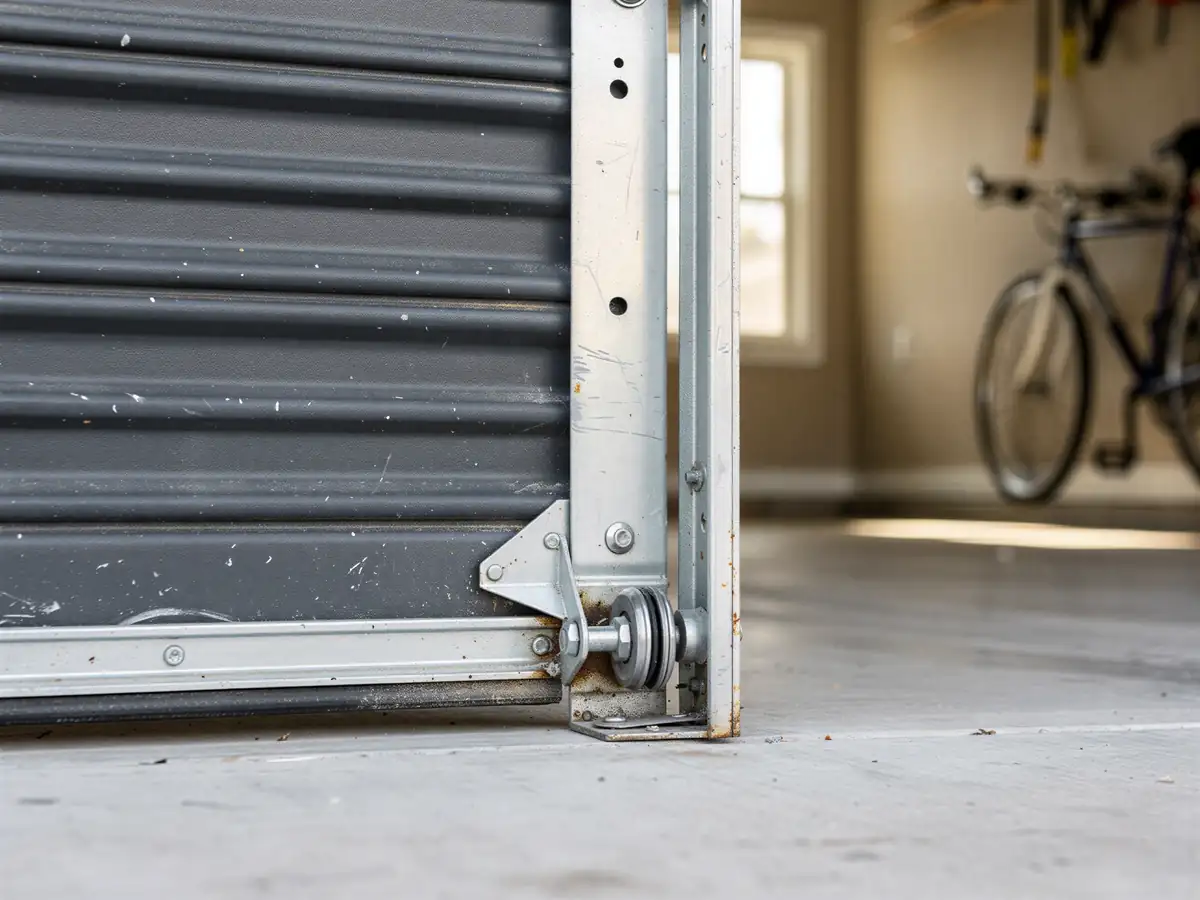
The door usually still moves. That's what throws people. It doesn't jam dead - it goes up a few inches crooked, or one side lags behind the other, or you hear a roller pop against the inside of the track instead of rolling through it. On the 1988-era tracks common in Theodore, the failure point is almost always a bent bottom bracket where the track meets the wall stud, not a cable snap.
Sometimes it's quieter than that: the door closes most of the way and stops a few inches short, grinding instead of sealing. That's a roller that's walked out of the track channel on one side, usually the side where the bracket has worked loose from the stud over years of vibration. If you keep running the opener against that resistance, you turn a bracket fix into a track replacement, and sometimes into a motor repair on top of it.
How We Fix It
First thing on site
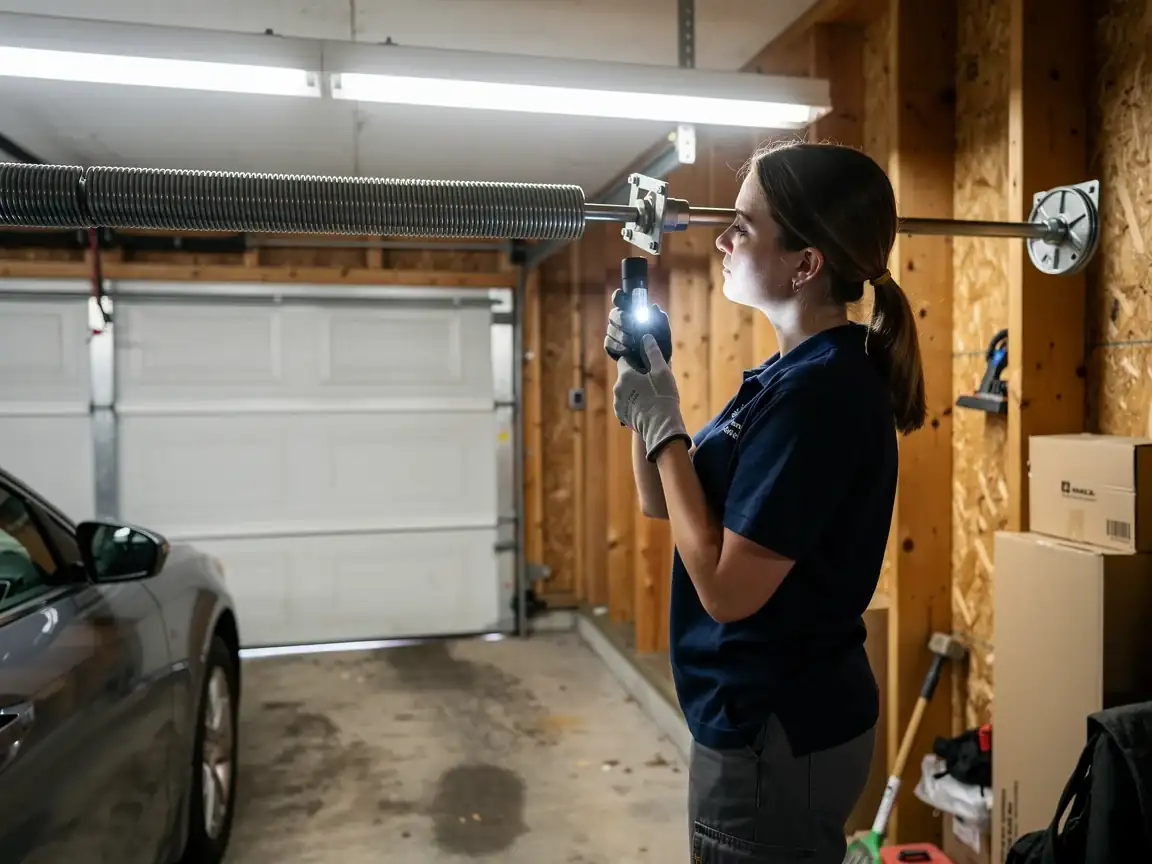
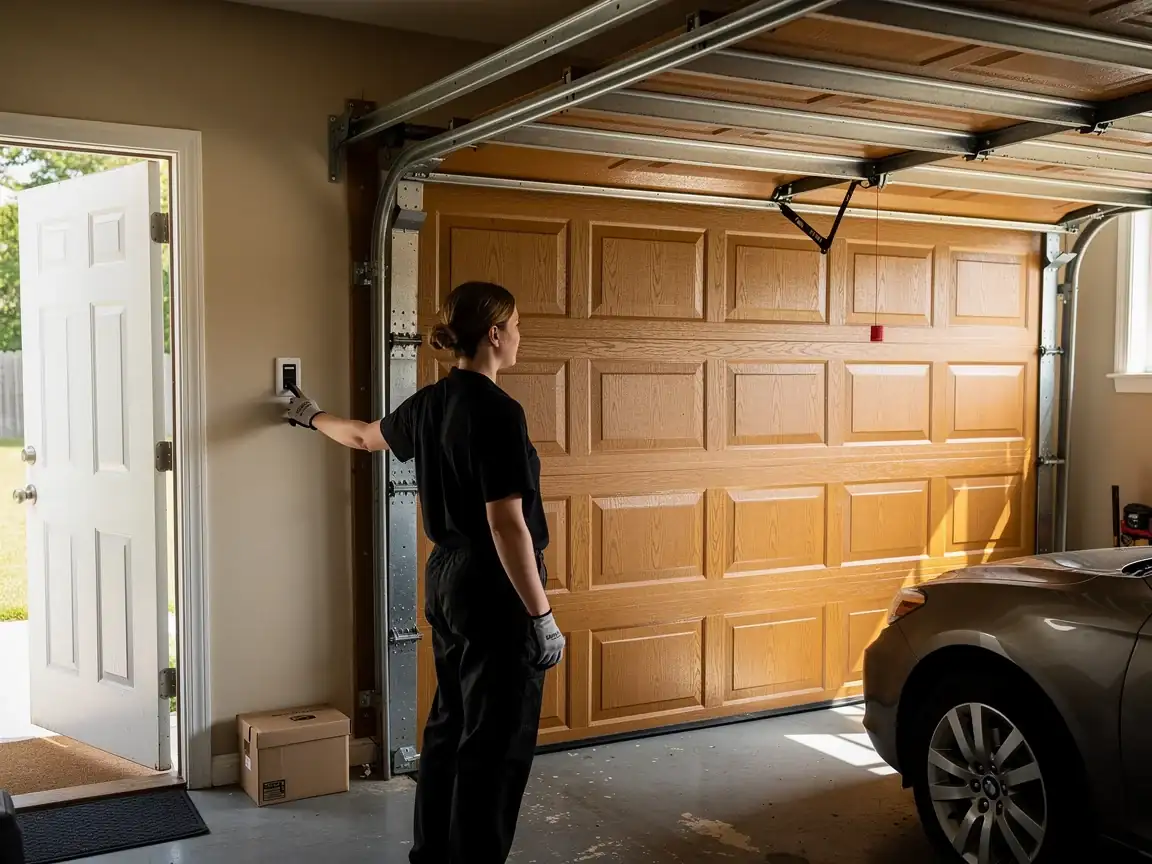
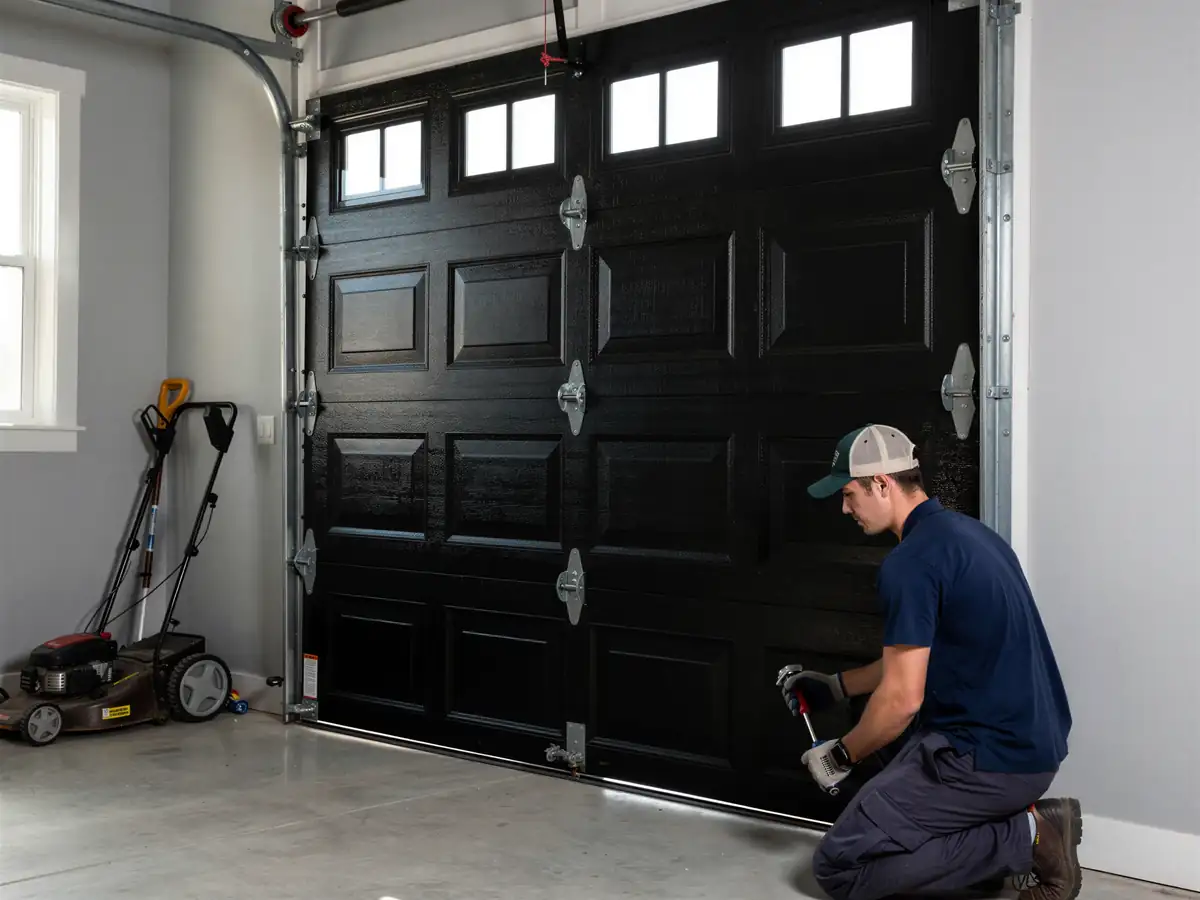
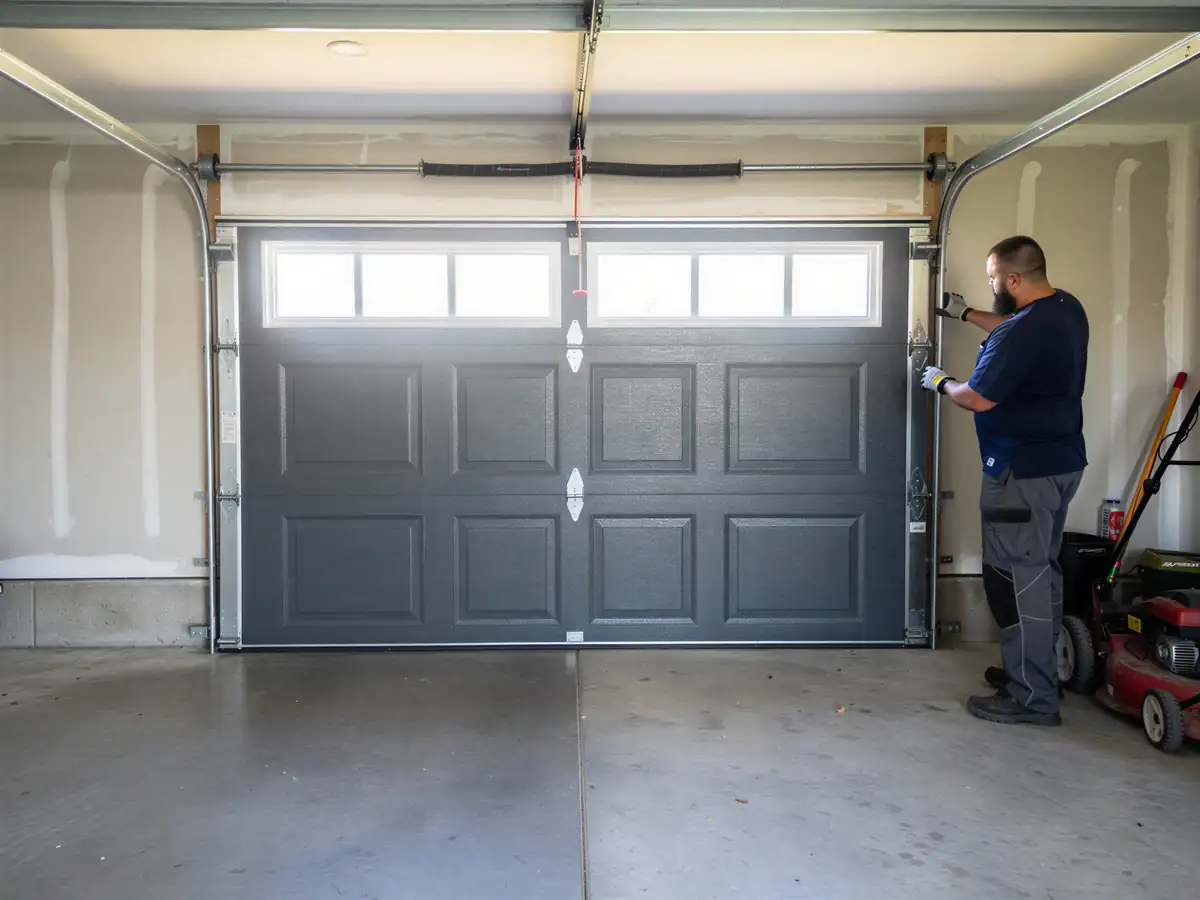
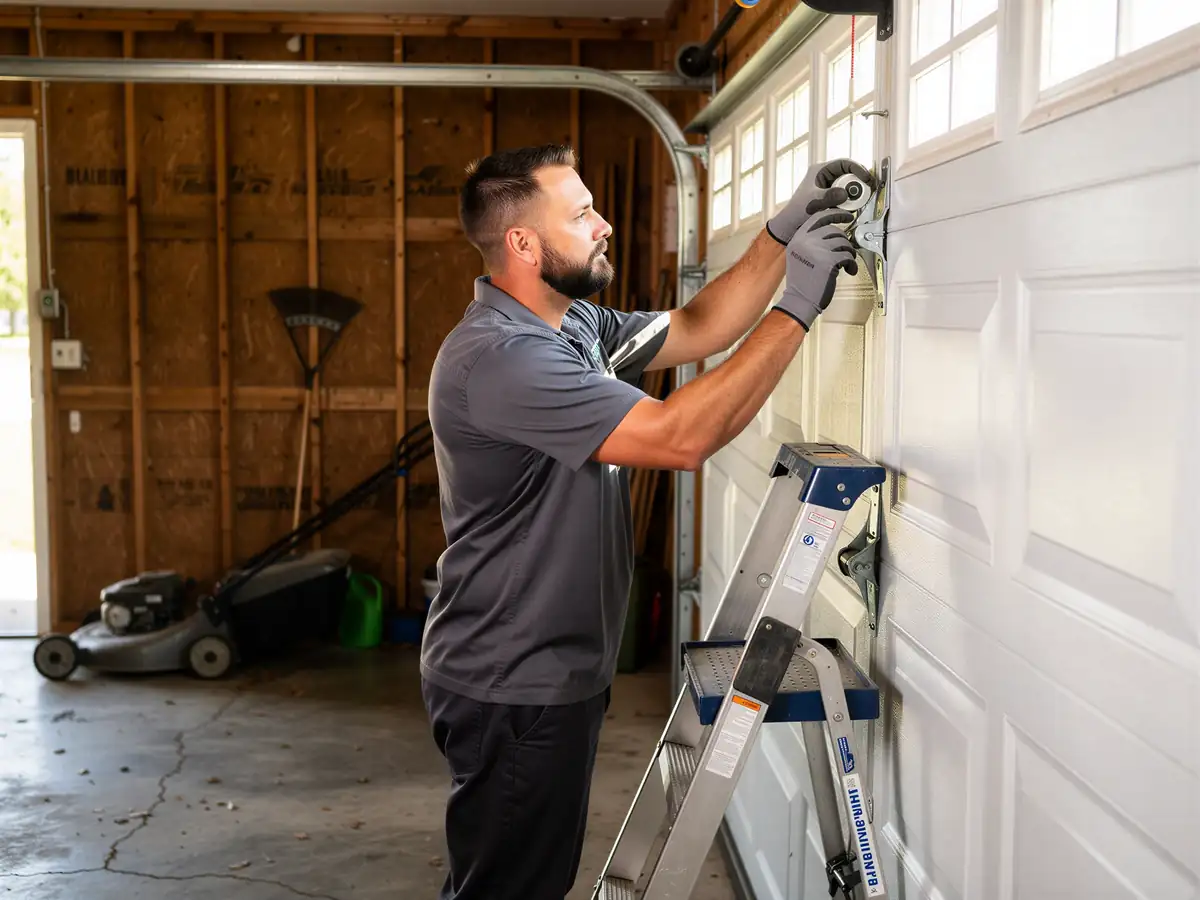
We pull the door off the opener and move it by hand to see exactly where it binds. On the bracket style common to this area's housing, that's usually enough to spot a bent flange or a stud screw that's backed out.
If the bracket's bent, we straighten or replace it and reset the track alignment
This is a bolt-and-shim job, not a full teardown, in most of the calls we see from this area. If the roller itself has cracked, which happens more with the nylon rollers typical of later-1980s installs, we swap the roller set rather than just the one that failed, since the rest are usually close behind it.
We do not recommend forcing a door back onto the track with the opener still running
That's the single fastest way to turn a bracket repair into a full track and roller replacement, and we'll say so on site even if it costs us a bigger job.
What You Pay
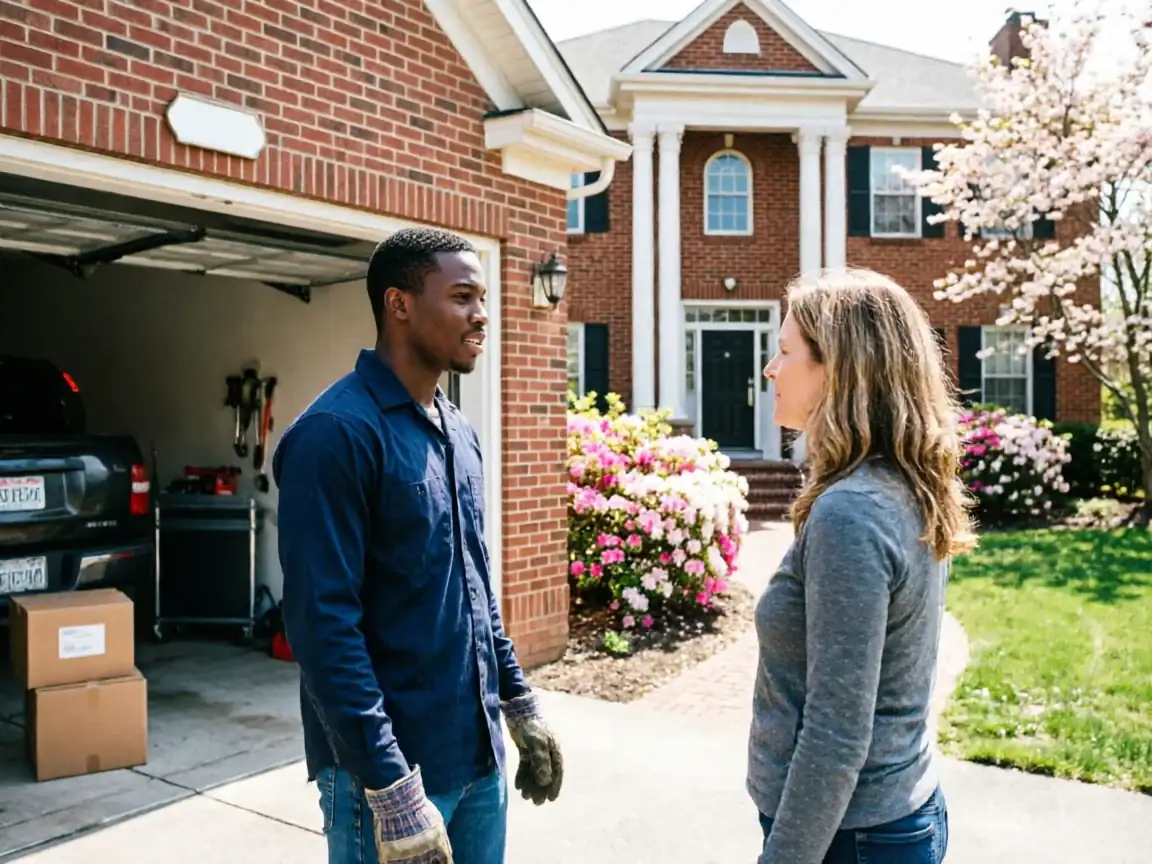
We don't have a flat number to quote here that would hold up for every Theodore call, since bracket repairs and roller replacements land in different ranges. What we can tell you is what drives the number: whether it's one bracket or two, whether the rollers need replacing as a set, and whether the track itself is bent enough to swap rather than realign. A straightened bracket and a reset track is the smaller end of the work. A bent track section plus a full roller swap is the larger end.
Given this area's median household income, $60,764, we try to fix what's actually broken rather than sell a full track-and-roller kit when a bracket job will hold. That's not a discount - it's just what the actual failure calls for on most of these doors.
Why This Fails Locally
This isn't a problem you'd expect at the same rate everywhere in the Mobile service area. Theodore's median build year of 1988 puts a lot of its 2,169 households into that late-1980s hardware generation - lighter brackets, nylon rollers, track spacing built for those parts. Homes closer to Mobile's older core, built nearer the citywide median of 1983 or earlier, more often carry heavier steel brackets that don't bend the same way under an off-track event.
The freeze-and-thaw cycling this area gets, even mild as it is, works on wood framing around the door opening over enough winters, and that slow shift is what knocks a marginal bracket loose. It's a slower failure than a dramatic spring snap, which is part of why people drive on it for weeks before calling.