What You Pay
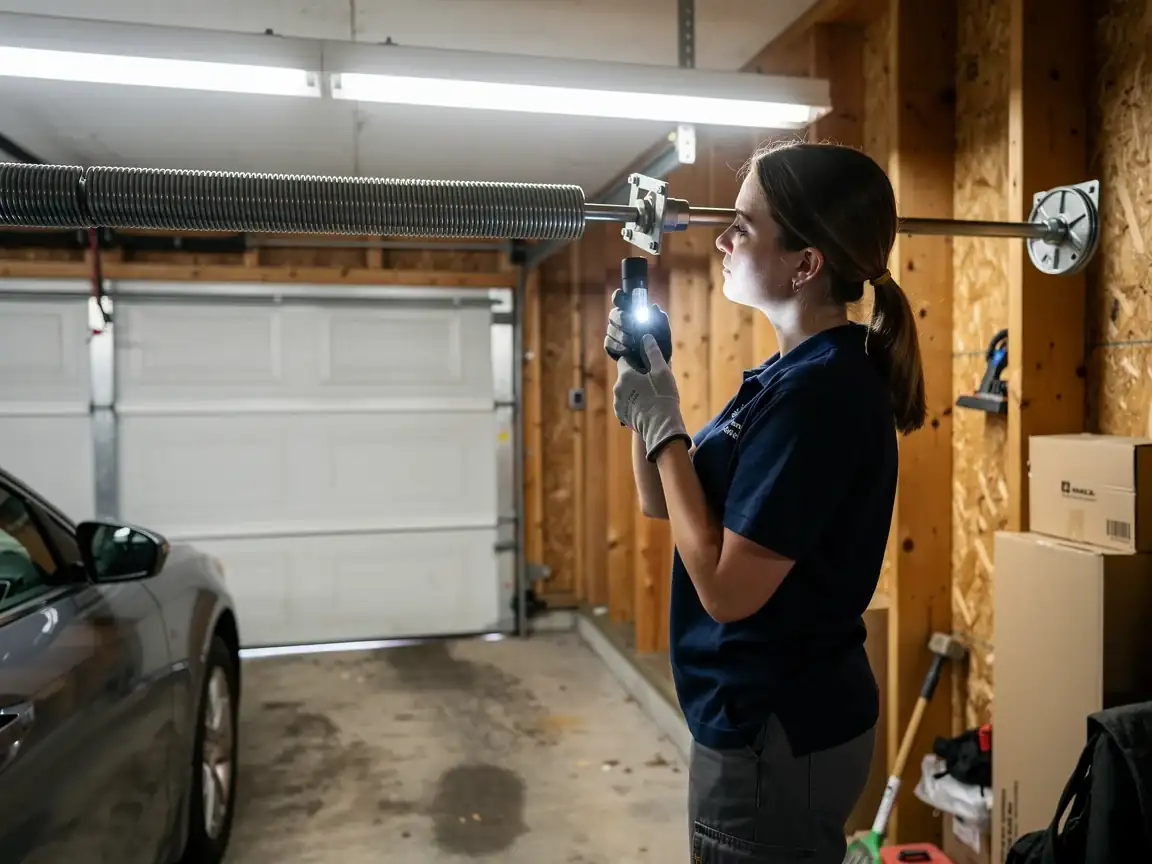
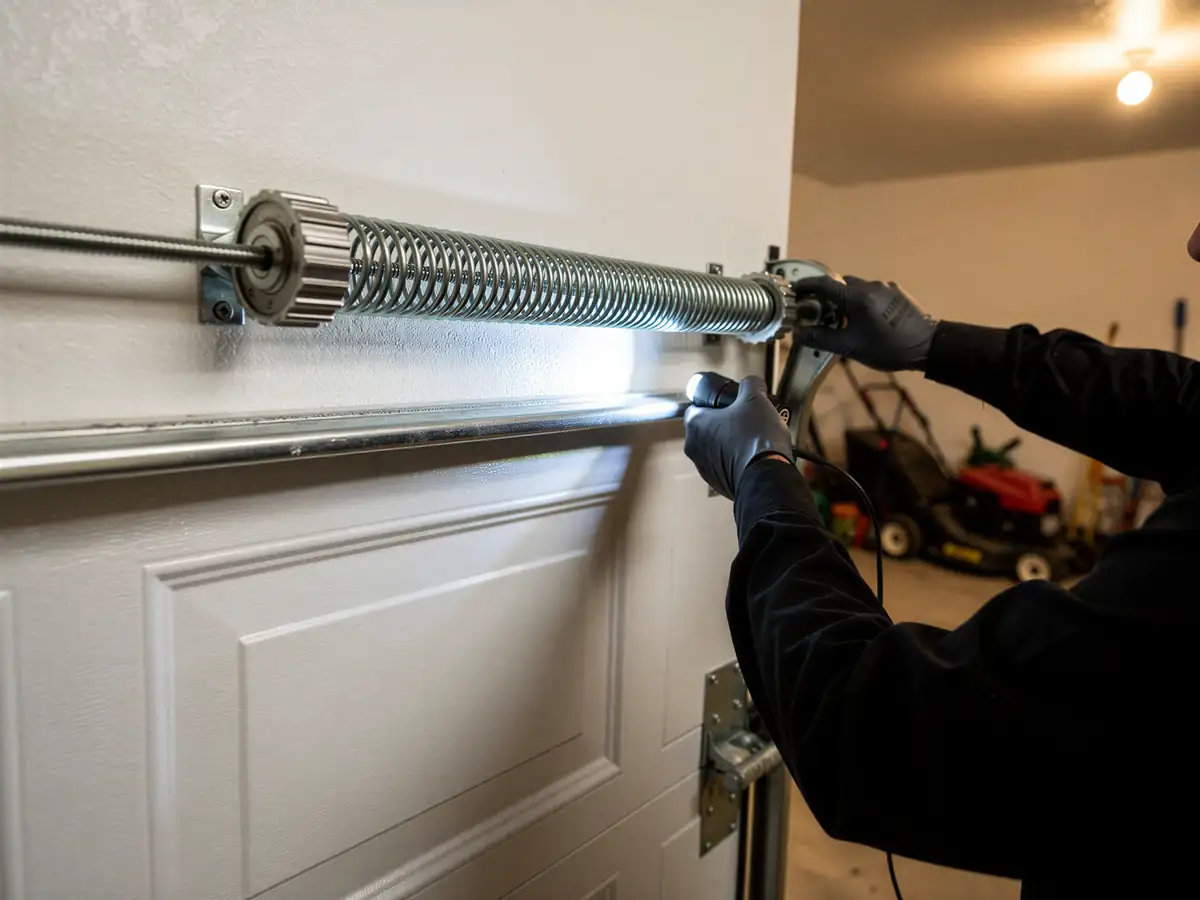
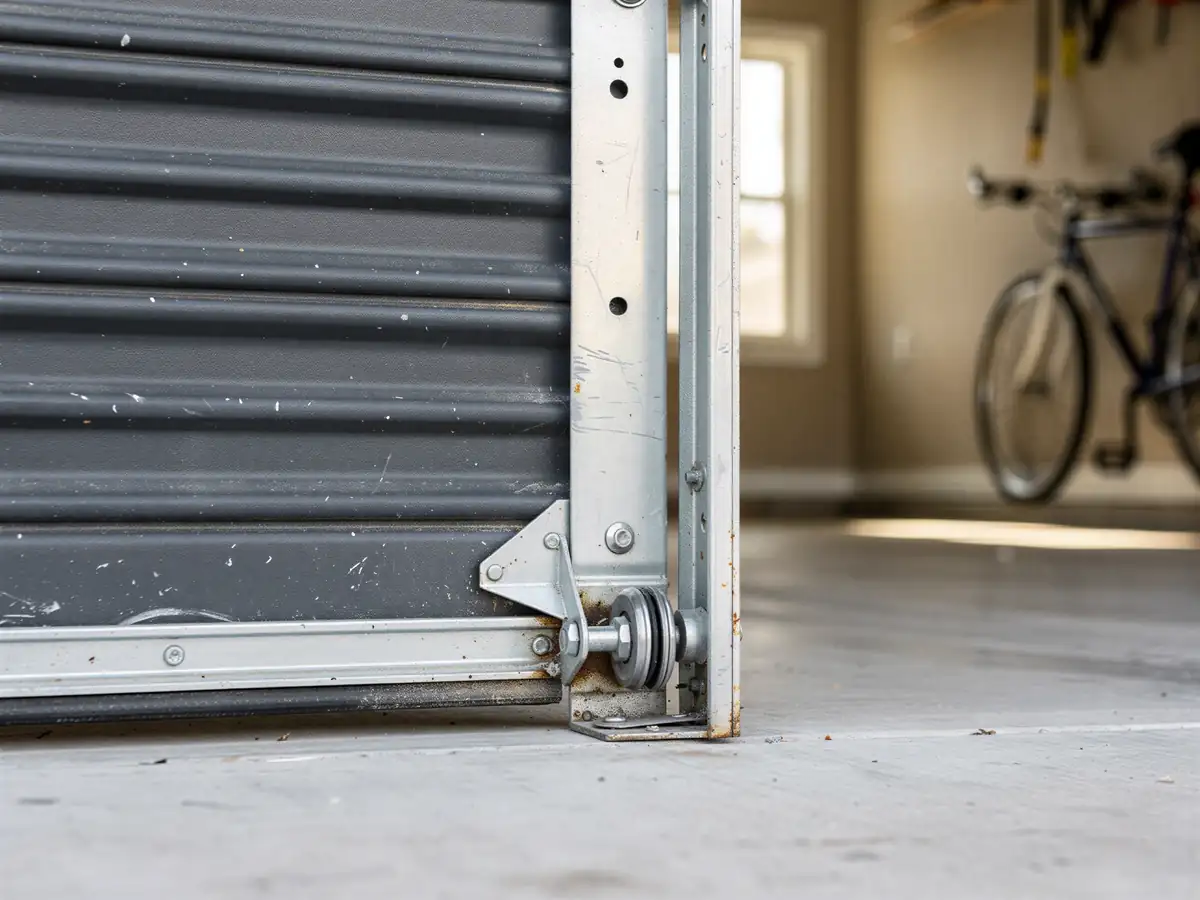
We're not going to quote you a number here, because it depends on what's actually wrong and what's behind the wall. What we can tell you is how to think about it. A torsion spring job on a door that's otherwise sound is a different call than a door where the track is bent, the bottom panel is rusted through, and the opener is the original unit. Across this area, median household income sits at $62,318, and most of the calls we take aren't from people looking to upgrade - they're from people who want the door working again without paying for more than they need. That means we tell you straight when a spring and a few rollers will get you another decade out of a door, and we tell you straight when the labor to keep patching an old unit starts costing more than a new one would over time. The honest limitation: if your door is a foam-filled steel panel from the late 1990s with the skin rusted through on the bottom section, we can replace that section if the manufacturer still makes it, but a lot of those panels are discontinued and the whole door has to come out instead.
Leaving It Alone
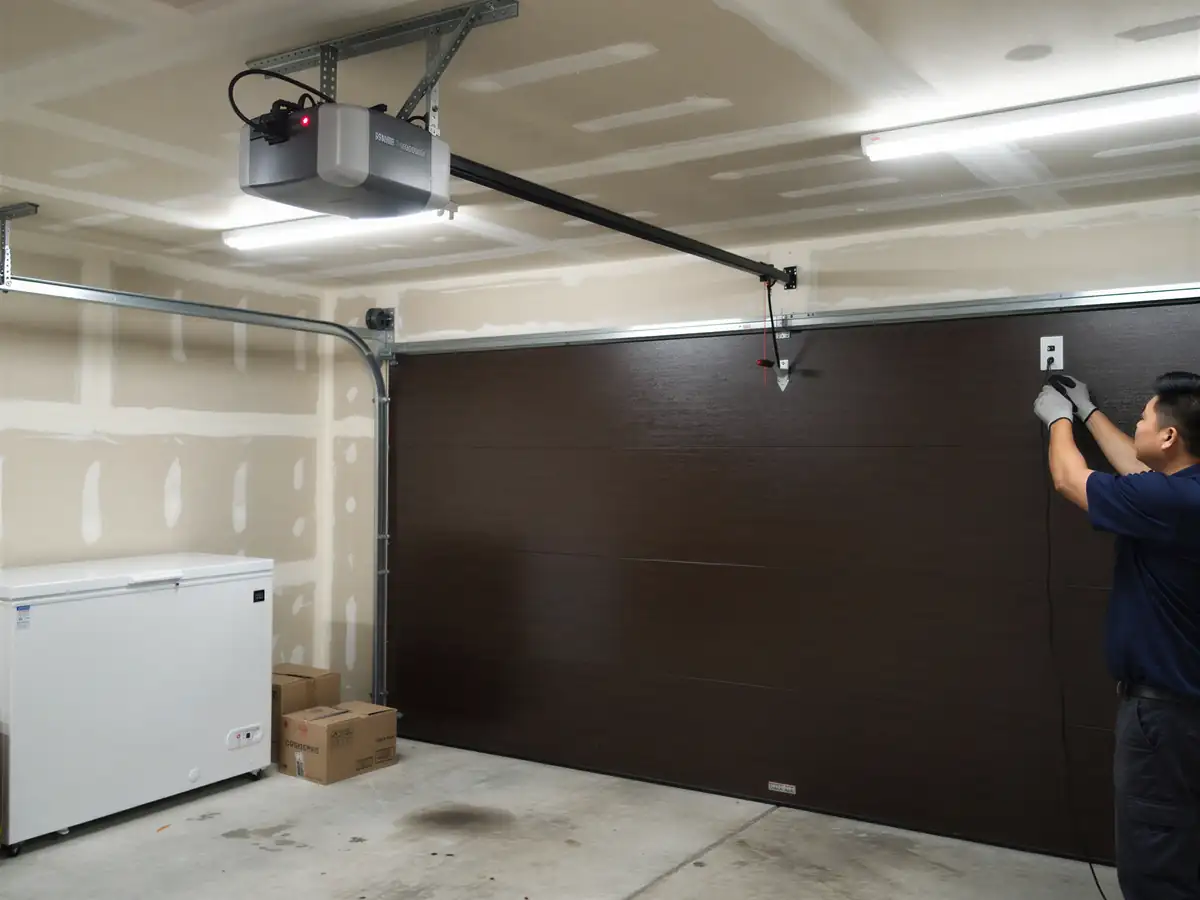
A door that's stiff, noisy, or slow to close isn't going to fix itself, and waiting usually narrows your options instead of saving you money. On a door built during the 1963-1999 run that makes up most of the housing stock here, the common failure path goes spring first, then cables, then the track takes the strain and starts to bow at the rollers. Once the track is bent, you're not replacing a forty-dollar part anymore - you're replacing hardware that was sized for a door nobody makes in that exact dimension today. We've also seen owners keep running an opener with a worn gear set until it strips, which then lets the door come down uncontrolled onto whatever's under it. None of that is rare. It's just what happens to a mechanical system that's had the same springs and cables in it since the house was built in the 1980s median stretch. The part that's worth fixing early is almost always cheaper than the part that's worth fixing after it's failed.
What Is Going On
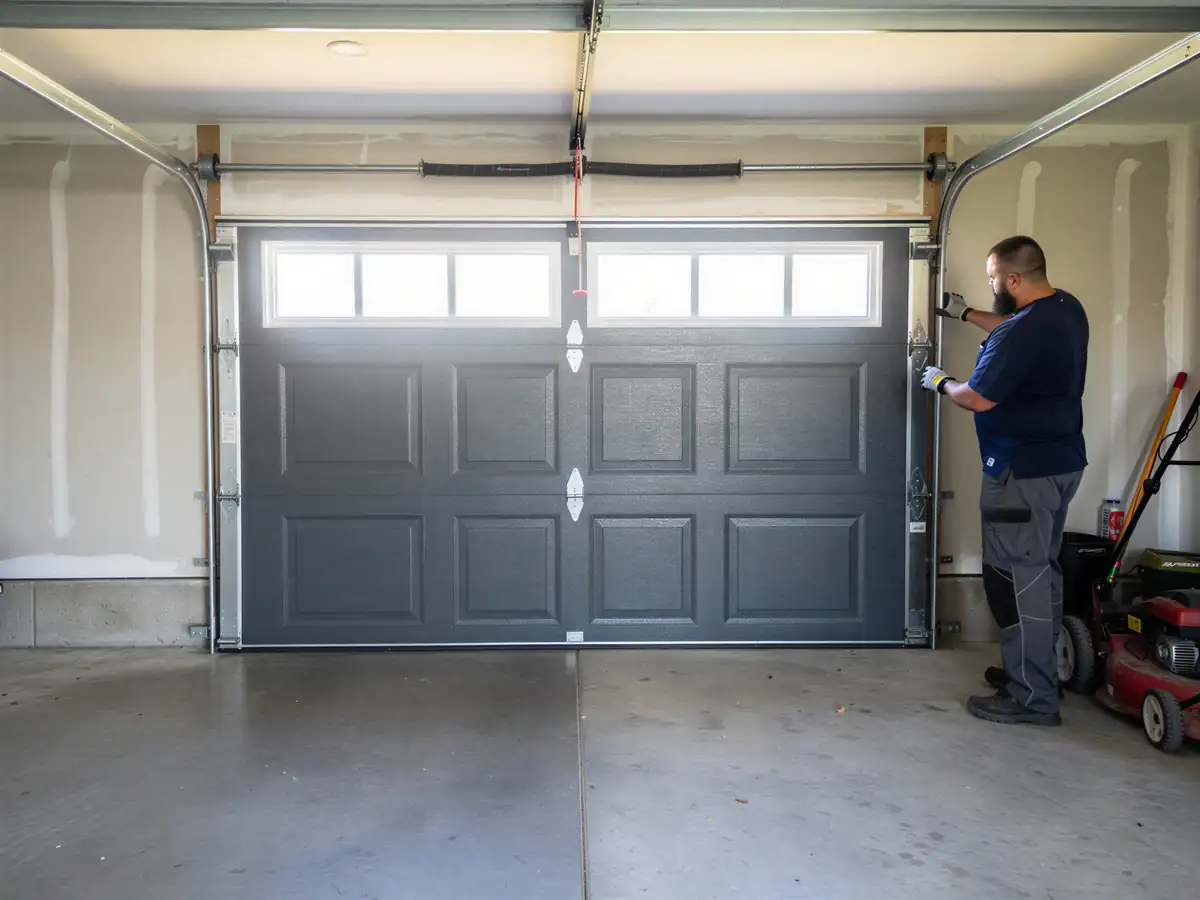
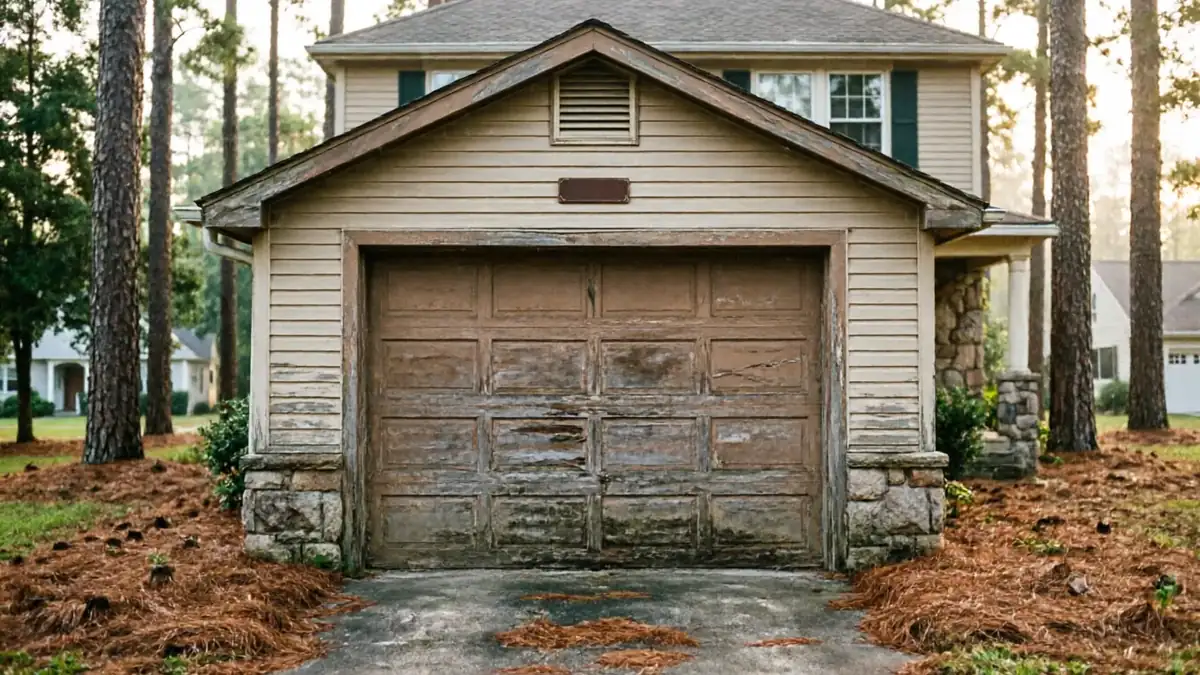
Most of what we open up on these calls is a door built somewhere in the 1963-1999 window, with the median landing around 1983. That era means specific things: single-layer steel or early two-layer panels, torsion springs rated for a lower cycle count than what's sold now, and openers - if they've been swapped at all - that are a second or third generation unit bolted onto original track. None of that is bad engineering for its time. It's just old enough that spare parts for the exact spring size or panel profile aren't sitting on a shelf the way they are for a current door. Across the roughly 46,241 households in the area we cover, close to 30,000 are owner-occupied houses, and a good share of those still have the door that came with the house. The mechanical question we're actually answering on a service call isn't "is this door old" - it's whether the frame, track, and panel are still true, or whether the spring failure took the rest of the system down with it.