The Symptom
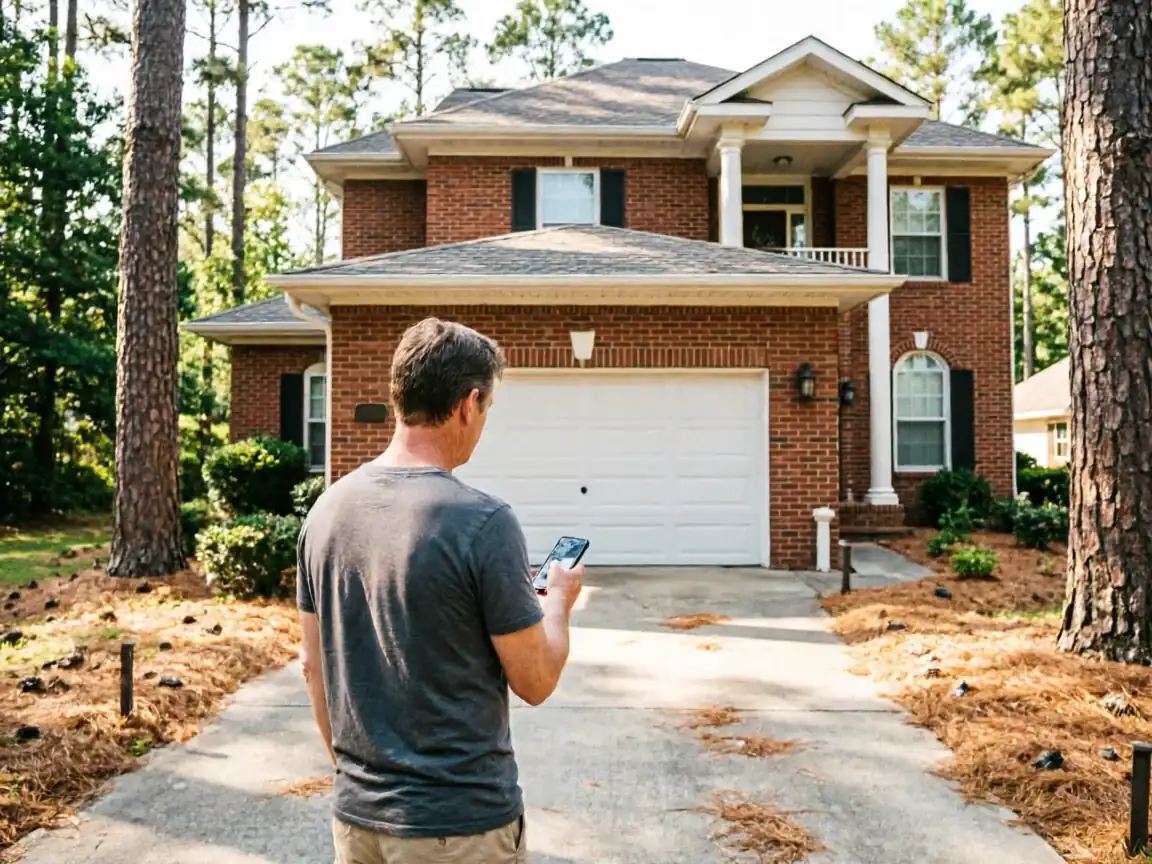
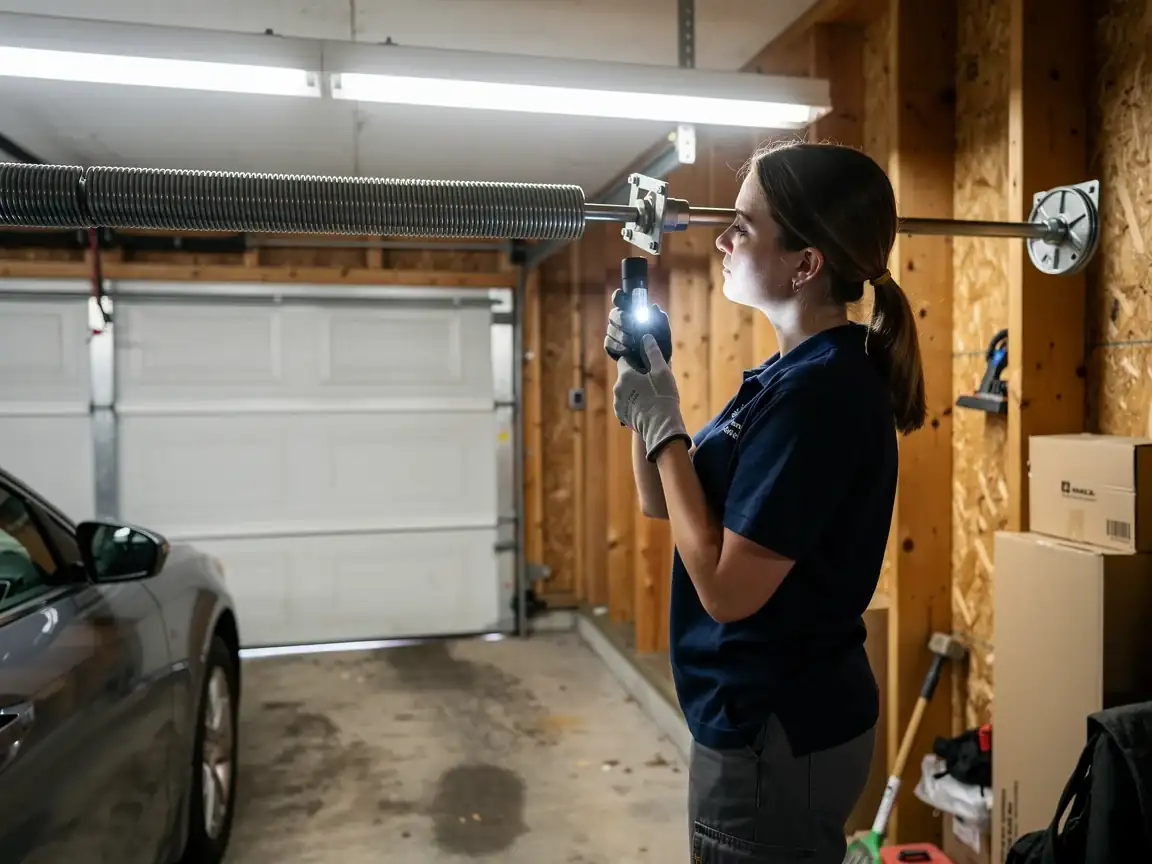
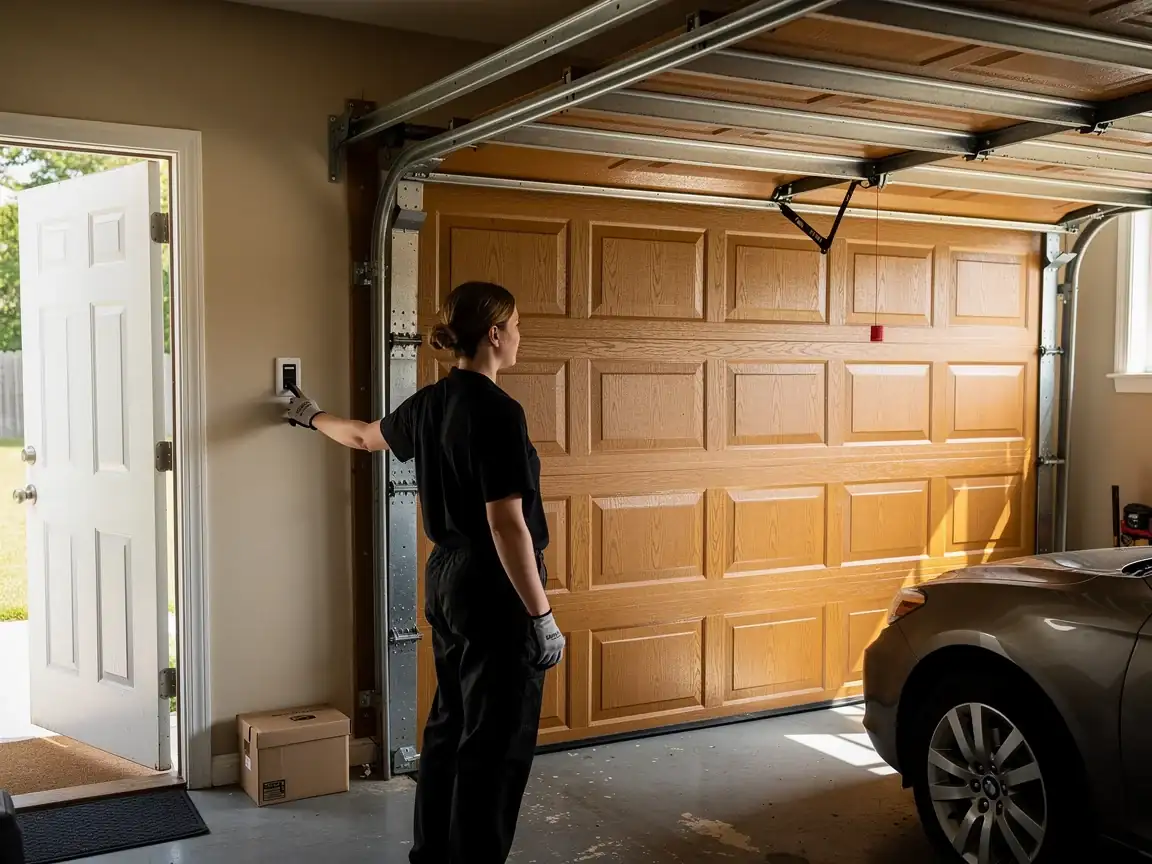
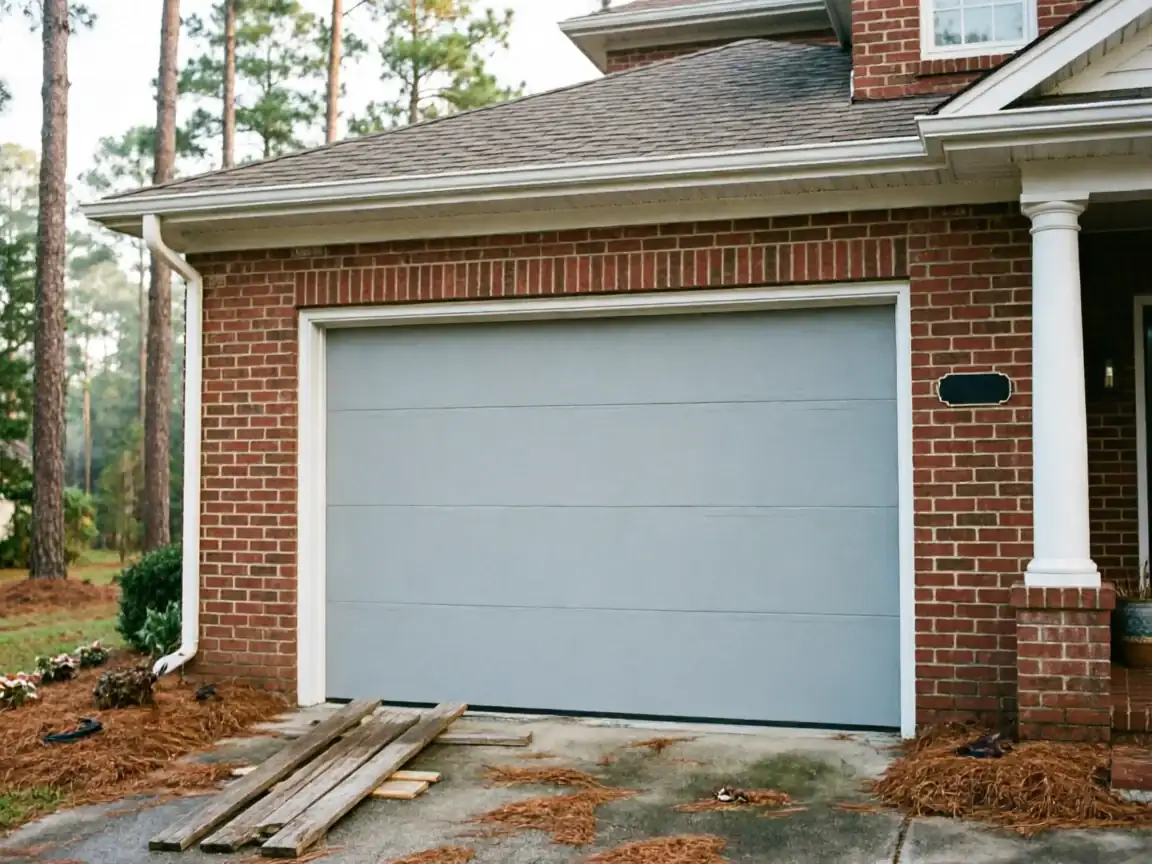
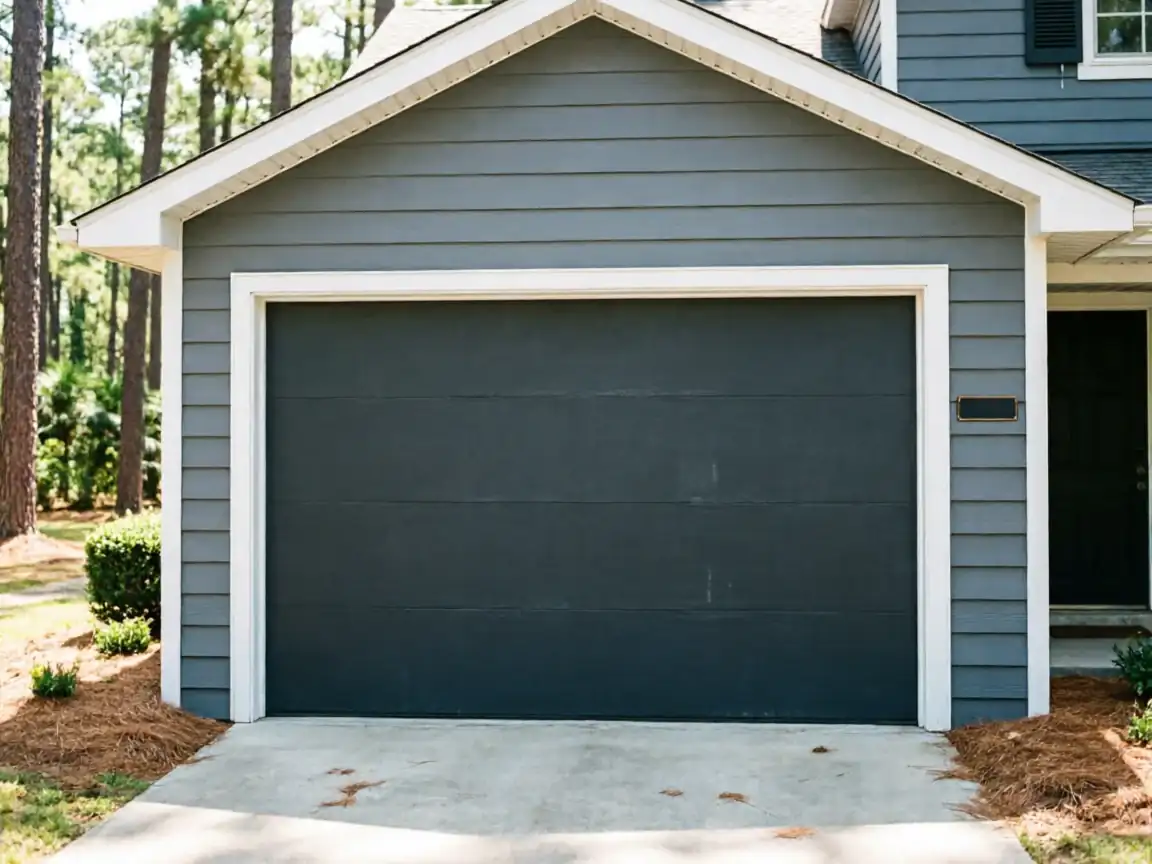
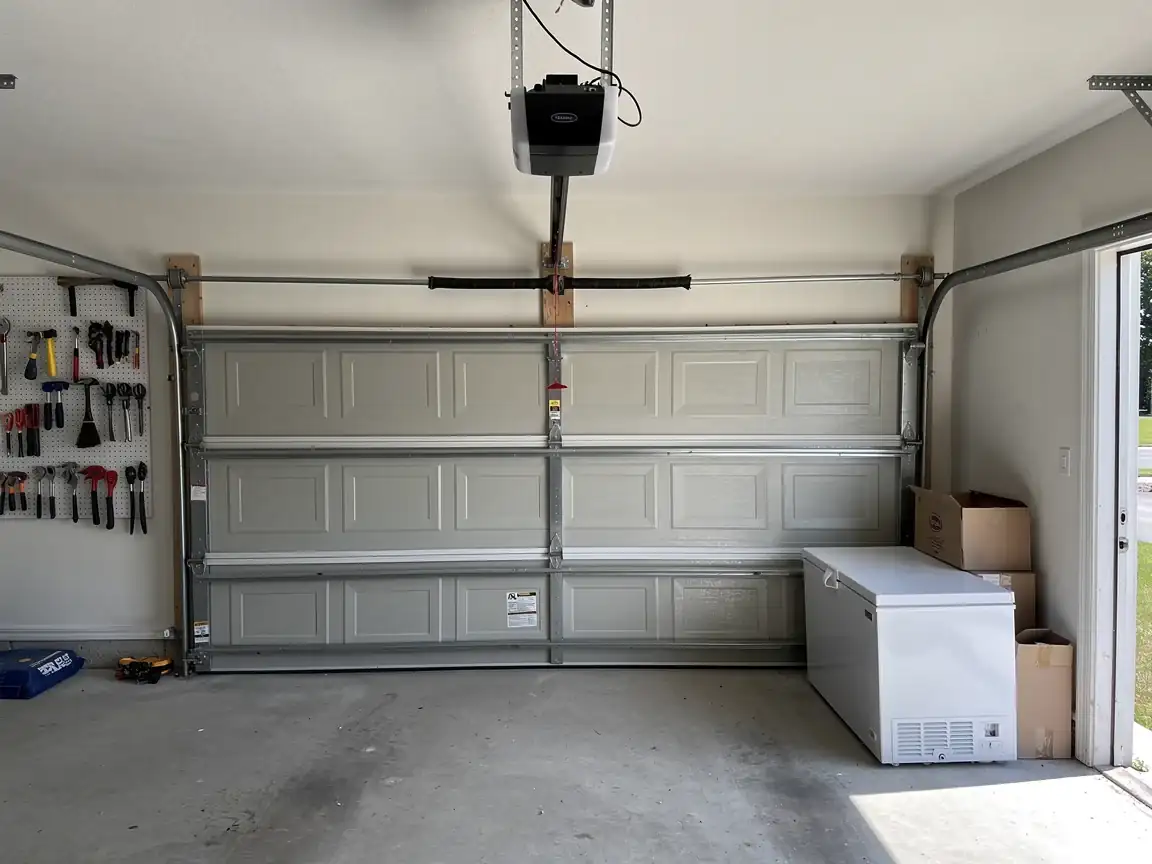
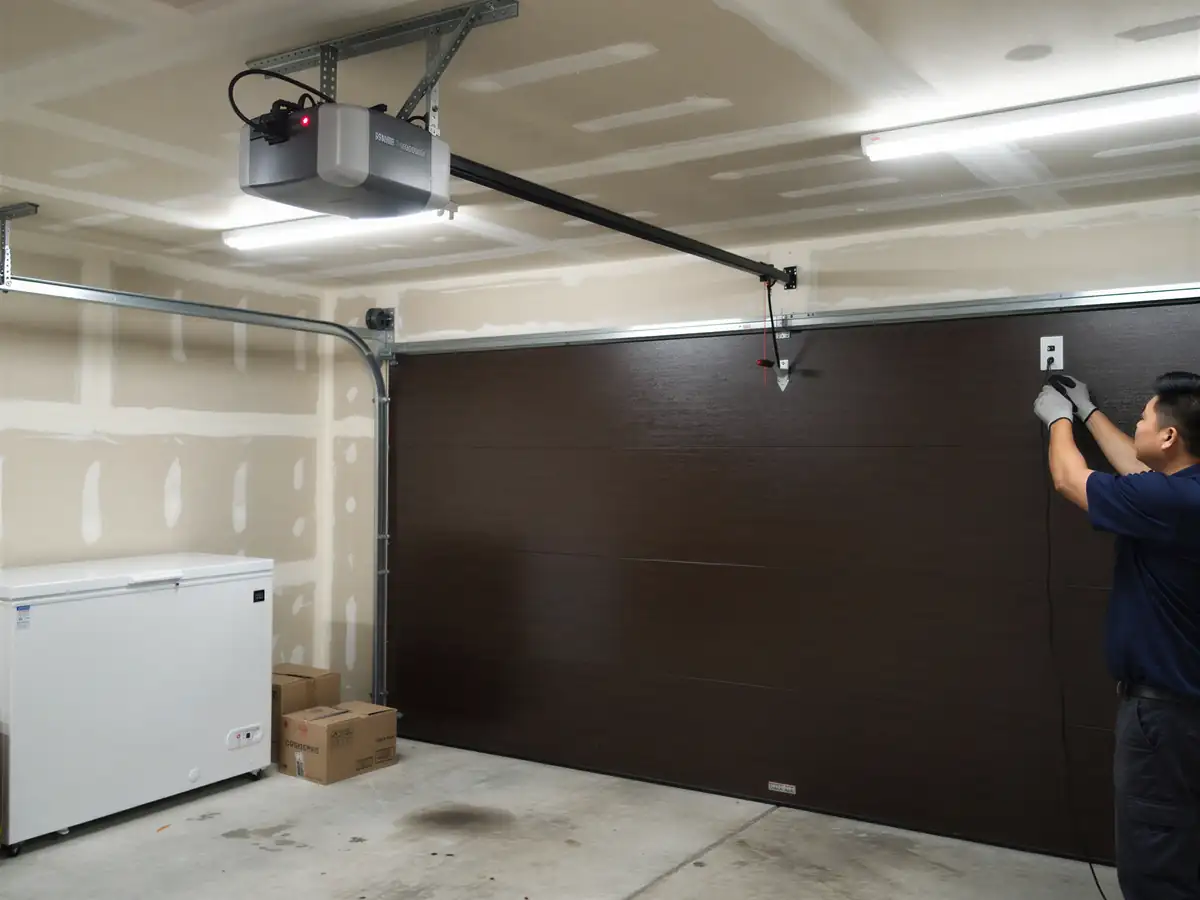
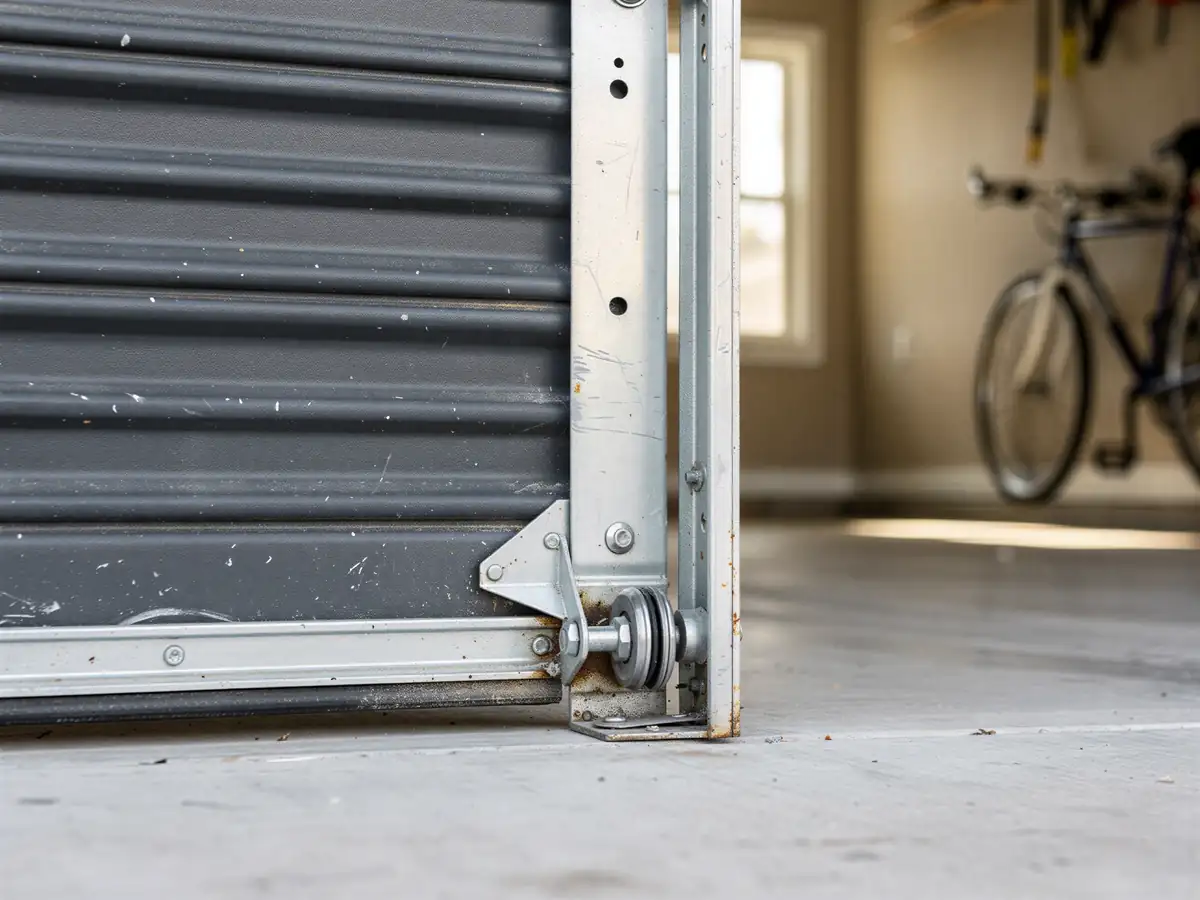
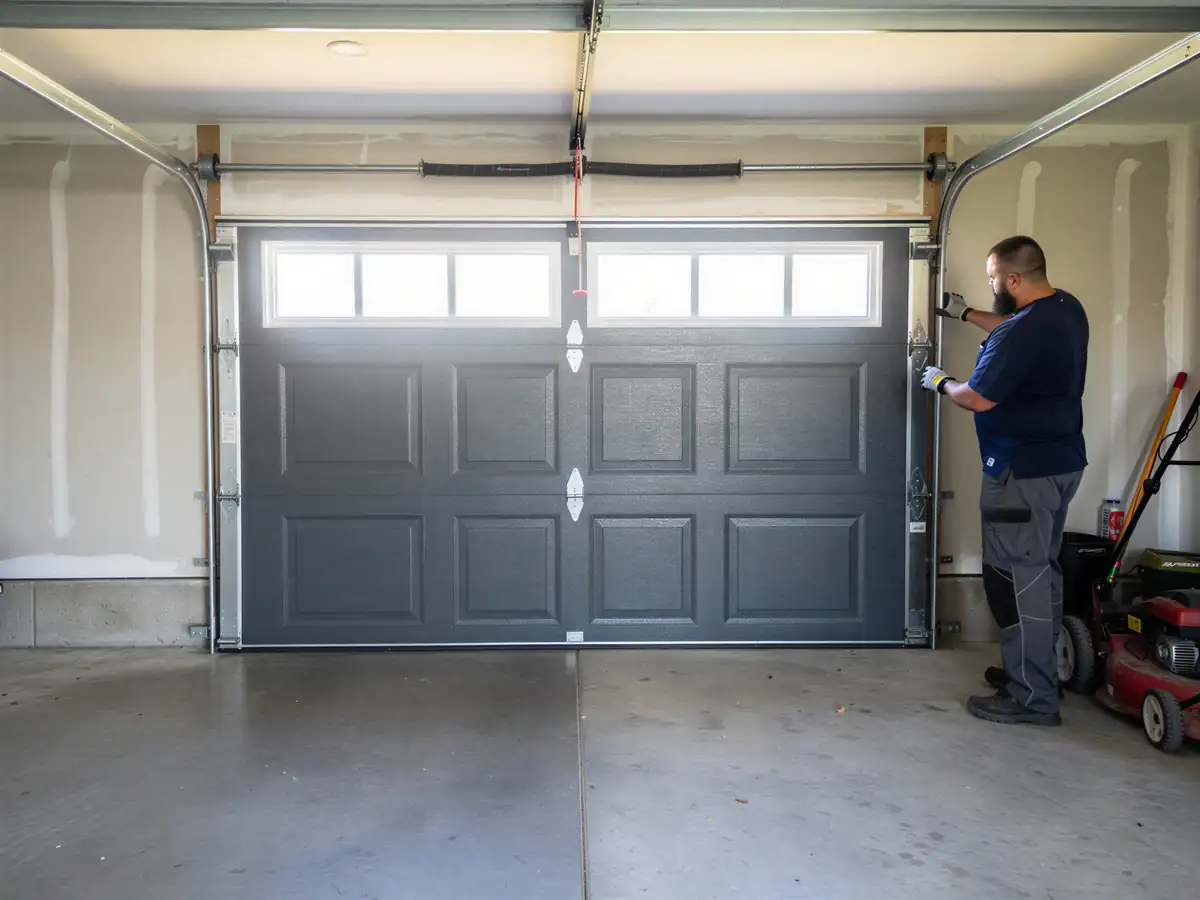
The door still opens and closes, but it's loud now, or it sticks halfway, or it drops the last foot instead of lowering smooth. Sometimes the opener strains on the way up and you can hear the motor working harder than it used to. On a lot of the houses we get called to - the ones built in that long run from 1963 to 1999 that makes up most of the stock here - the symptom isn't one thing breaking. It's the whole unit reaching the end of a run that started with 1980s hardware never designed to last past the warranty card. Tracks that have bowed a little over 30-plus years. Rollers that were steel from the start and never swapped for nylon. A panel that's delaminating at the bottom corner because it's been sitting in Gulf Coast humidity since before some of these owners were born. None of that shows up as a single clean failure. It shows up as "it's just gotten worse lately."
The DIY Question
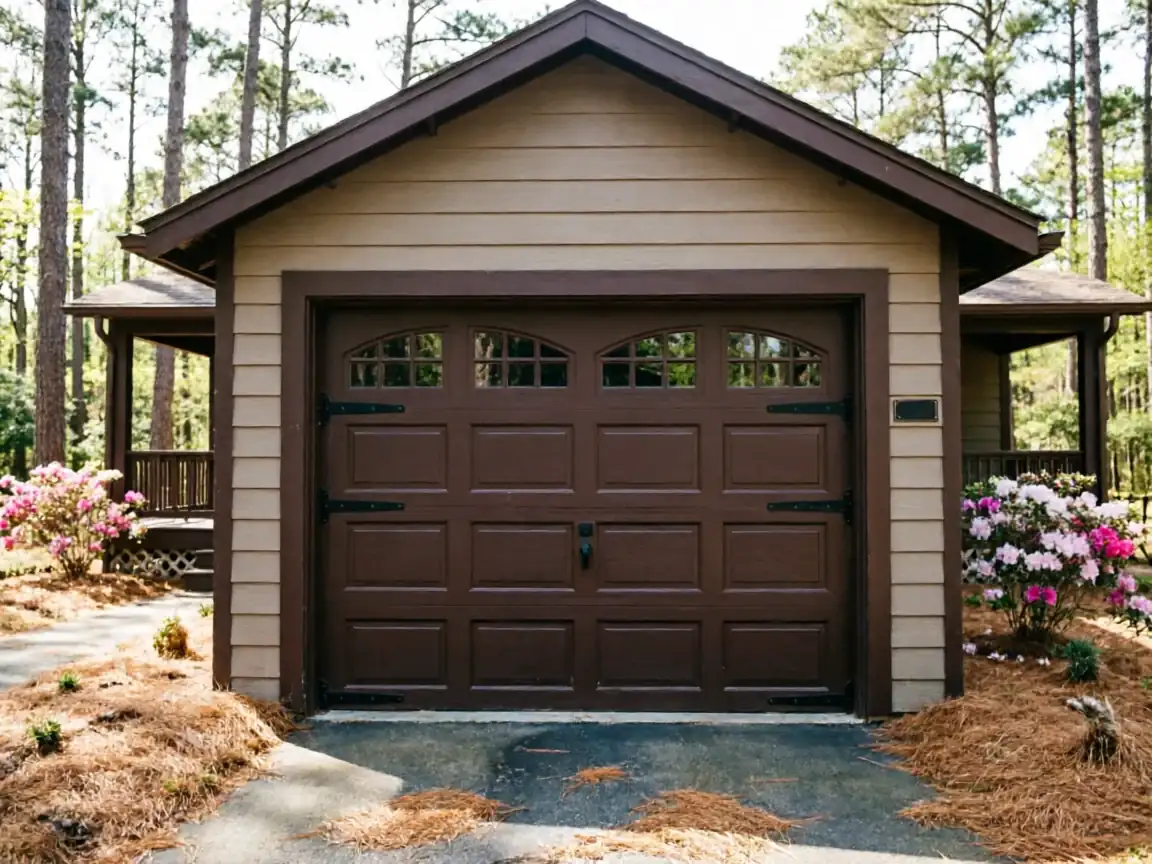
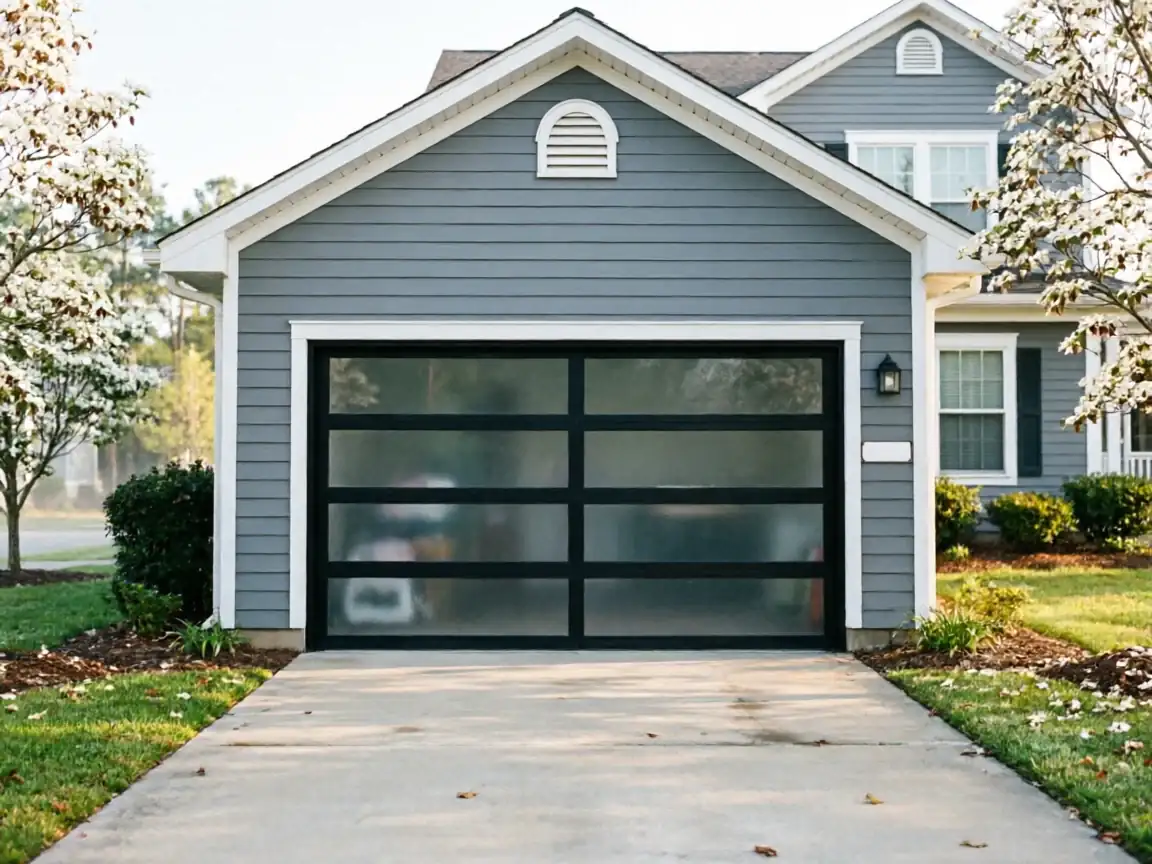
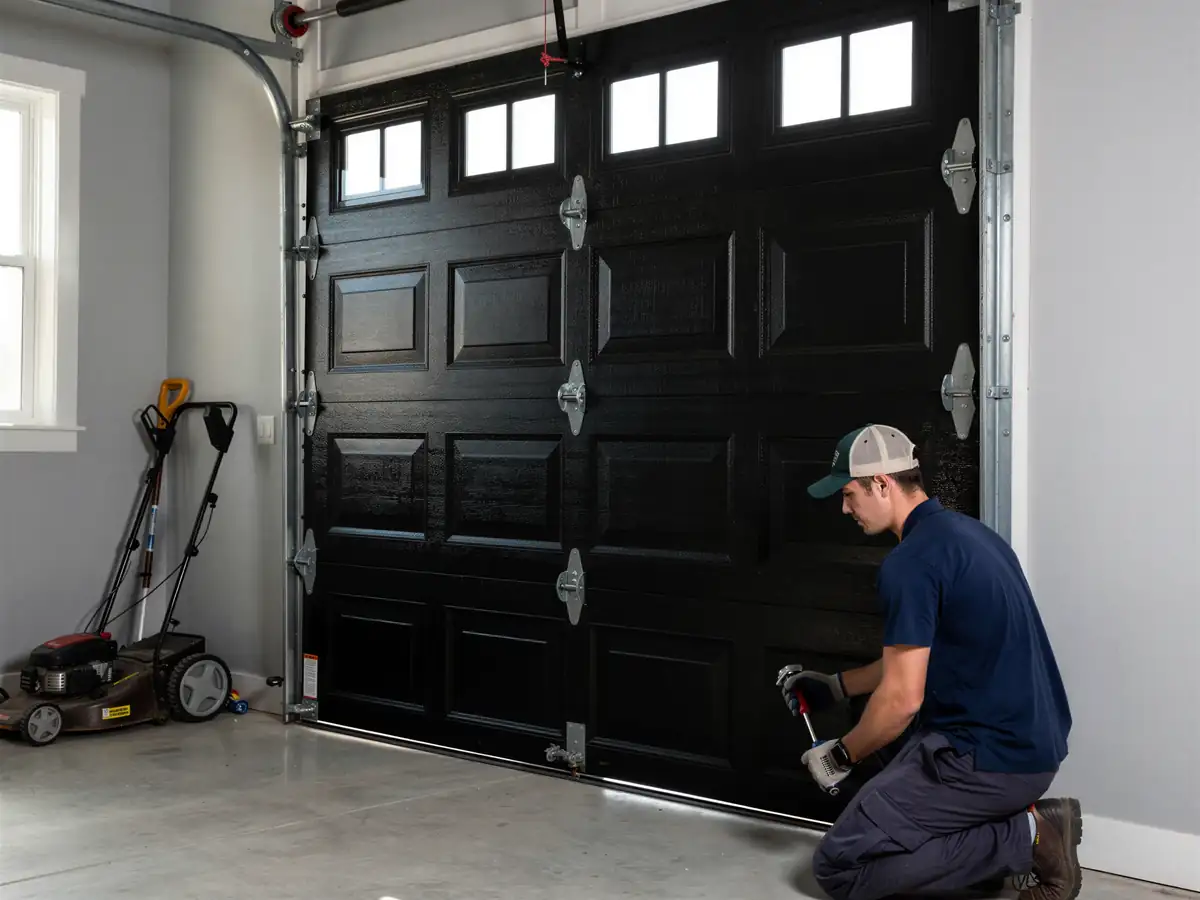
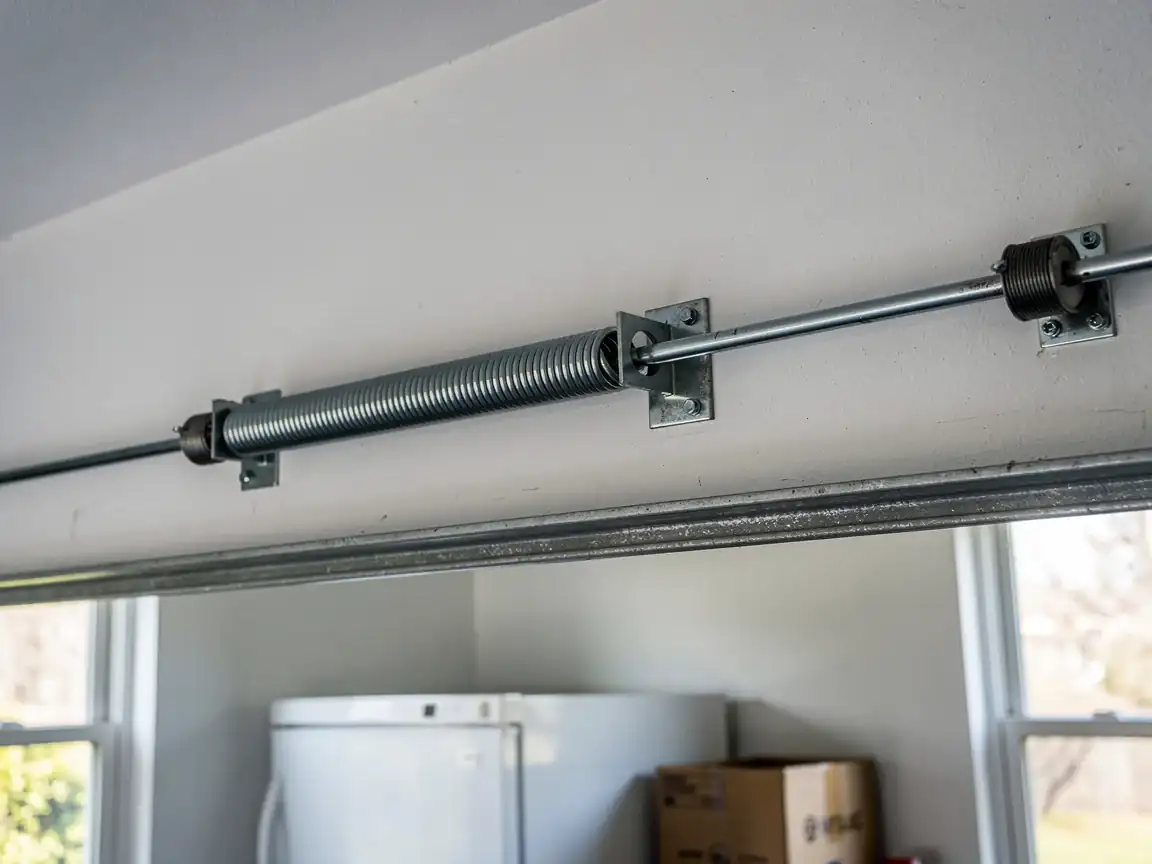
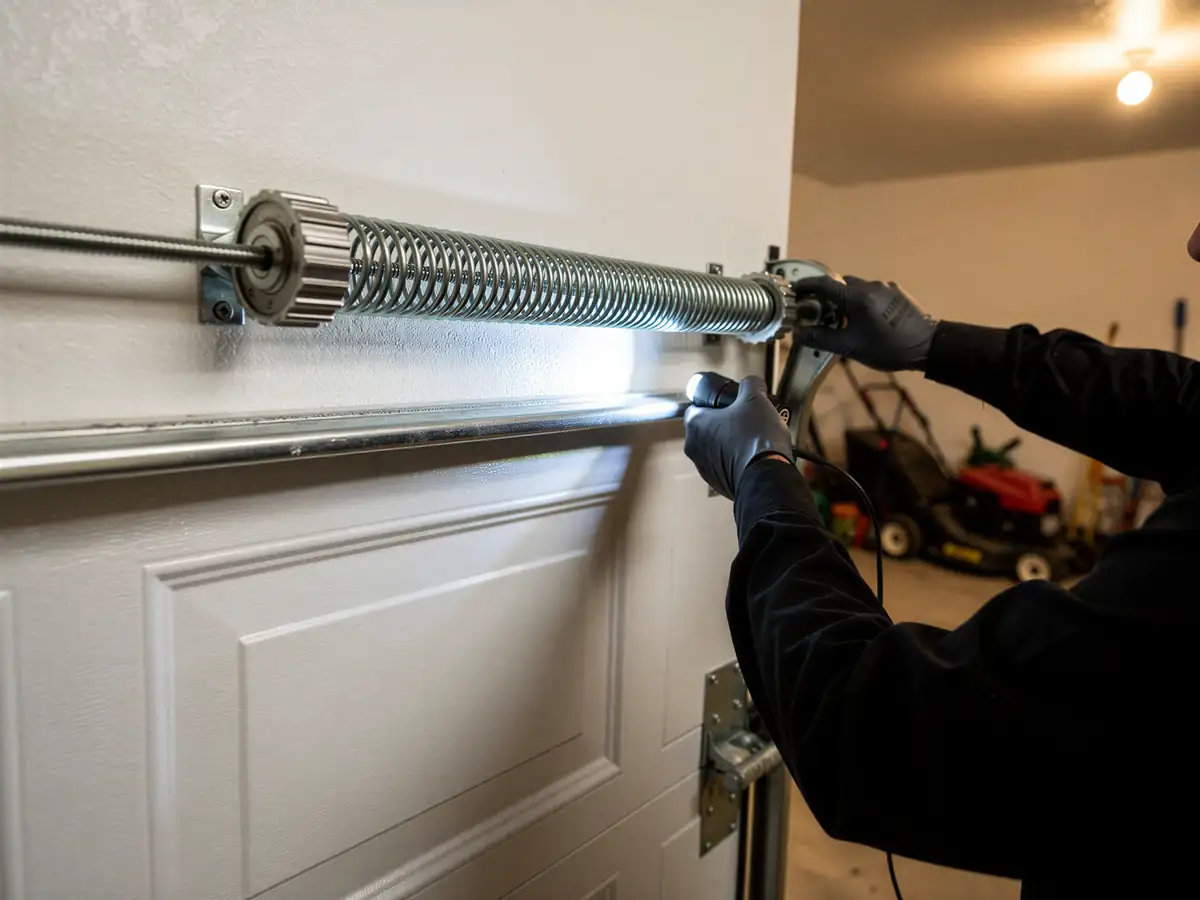
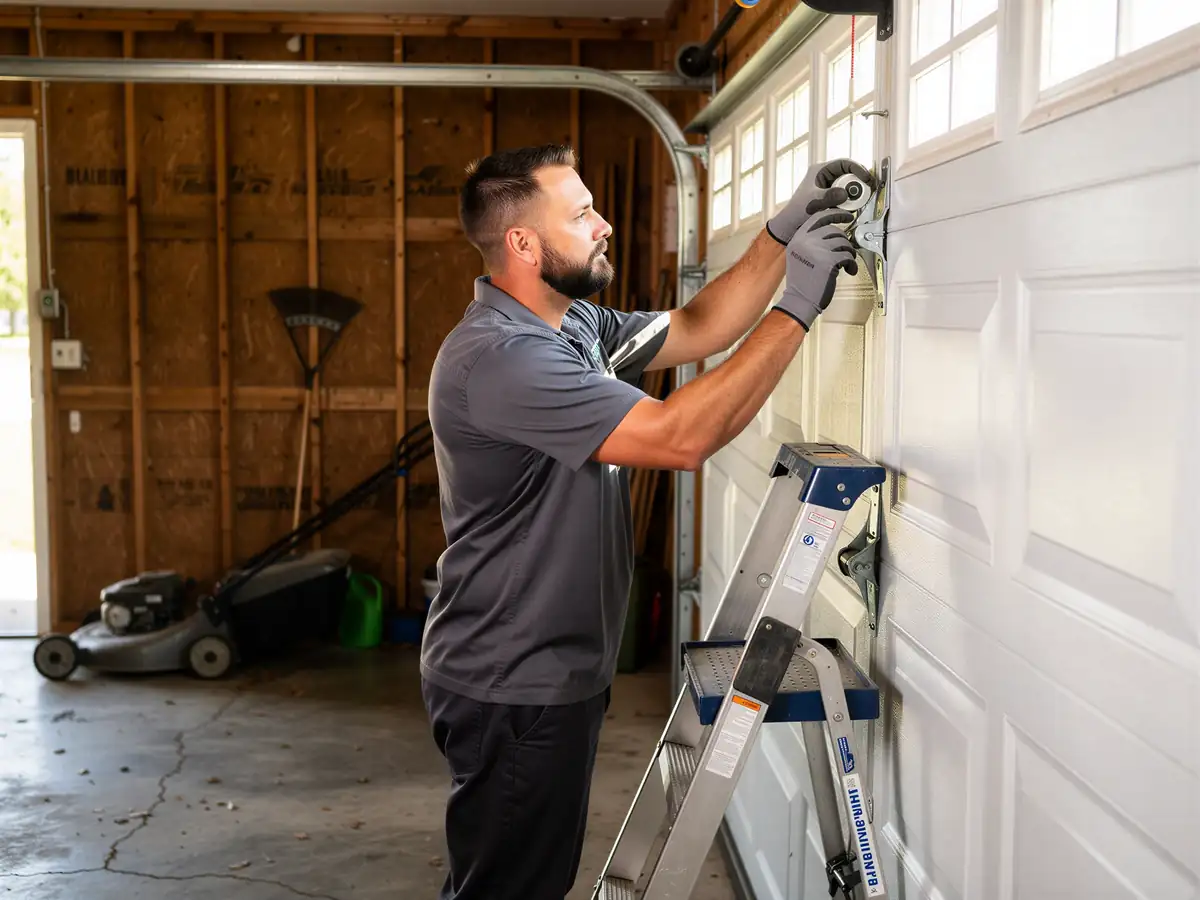
You can replace a section, swap a roller, even reset the travel limits on most openers yourself, and a lot of homeowners in this area do exactly that on the smaller stuff. Where it stops making sense is the door itself, the full install. Doors from the 1980s and 90s era that dominate neighborhoods here were often sized and hung for a different standard than what's sold today, and matching a new door to an old frame without pulling it out of square takes more than a Saturday and a socket set. Add in that our climate band runs mild with occasional freeze risk - not the kind of cold that cracks concrete, but enough humidity swing year-round to warp an unsealed wood panel or rust an unprotected spring in a few seasons - and a DIY install that looks fine in month one can be dragging and binding by month eight. If you're comfortable with a level, a drill, and reading an install manual twice before you touch anything, smaller fixes are reasonable. A full door swap on an older opening is not where we'd tell you to start.
Why This Fails Locally
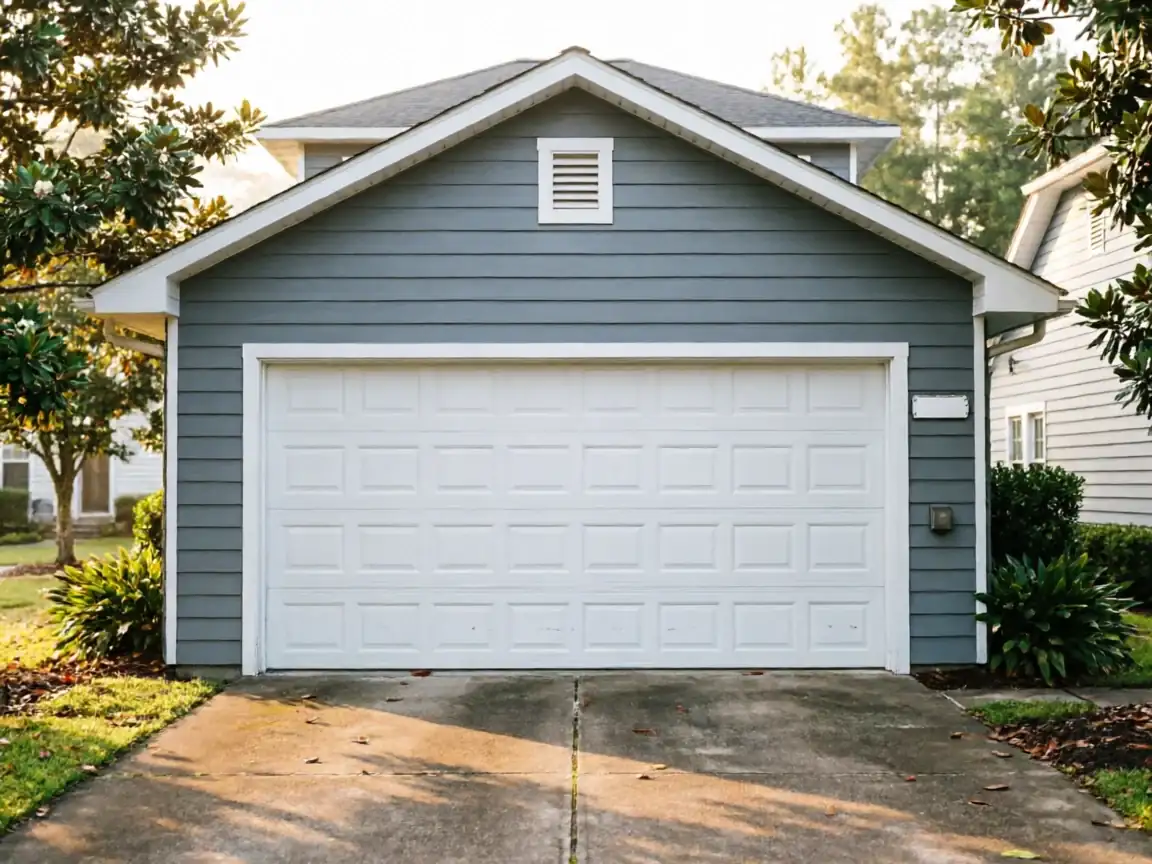
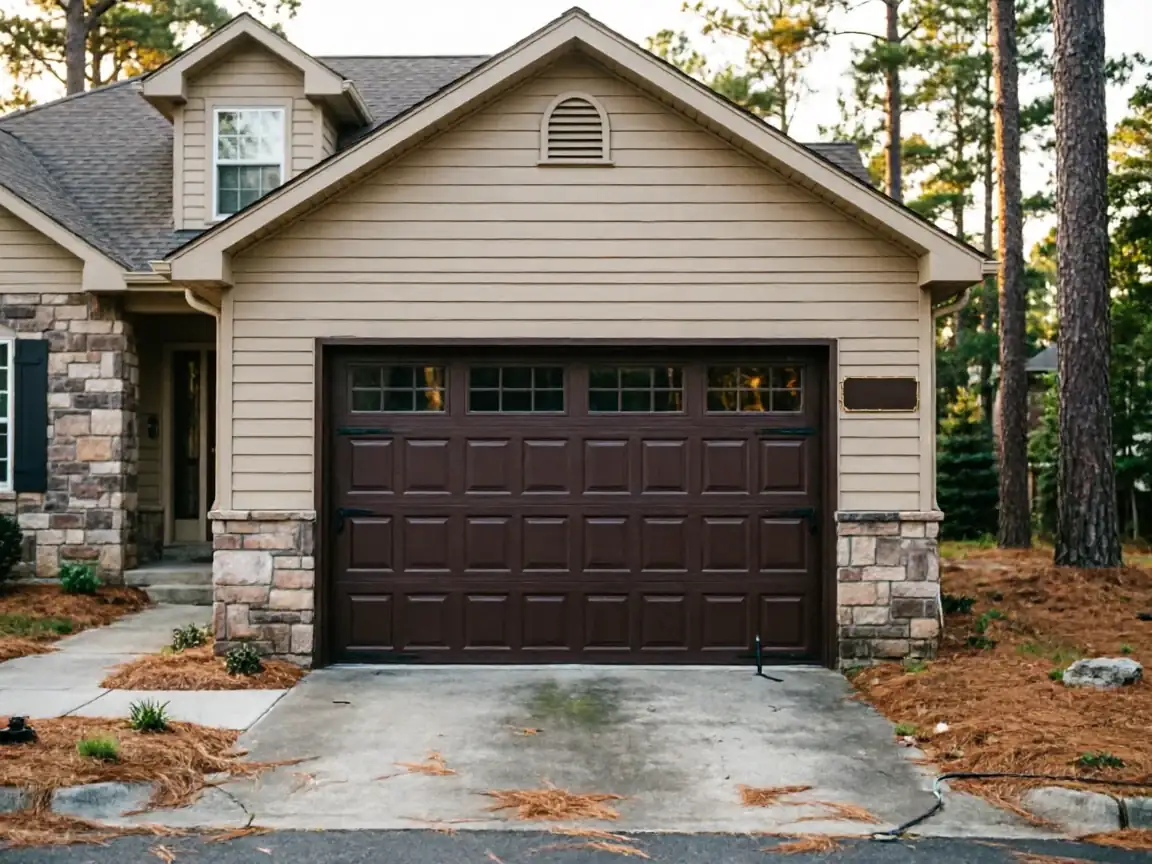
The reason this fault shows up so often on this side of the Gulf isn't bad luck, it's math. A door installed when the house was built in, say, 1983 - right at the local median - is now pushing 40 years on hardware that was rated for maybe half that under ideal conditions. These aren't ideal conditions. Mild winters mean no deep freeze to crack a bad seal fast and force an early fix, so instead the door just slowly loses its squareness over decades of humidity swing, salt air drift, and the occasional sharp cold snap our climate band still allows for. Owners in Chickasaw, Tillmans Corner, Prichard, and the closer-in areas like are dealing with the same 1980s-90s stock, which is why we see the same track wear and the same panel rot pattern house after house. It's not one bad batch of doors. It's one era of housing meeting thirty-plus years of coastal weather, and the door is usually the first thing on the house to show it.