The Symptom
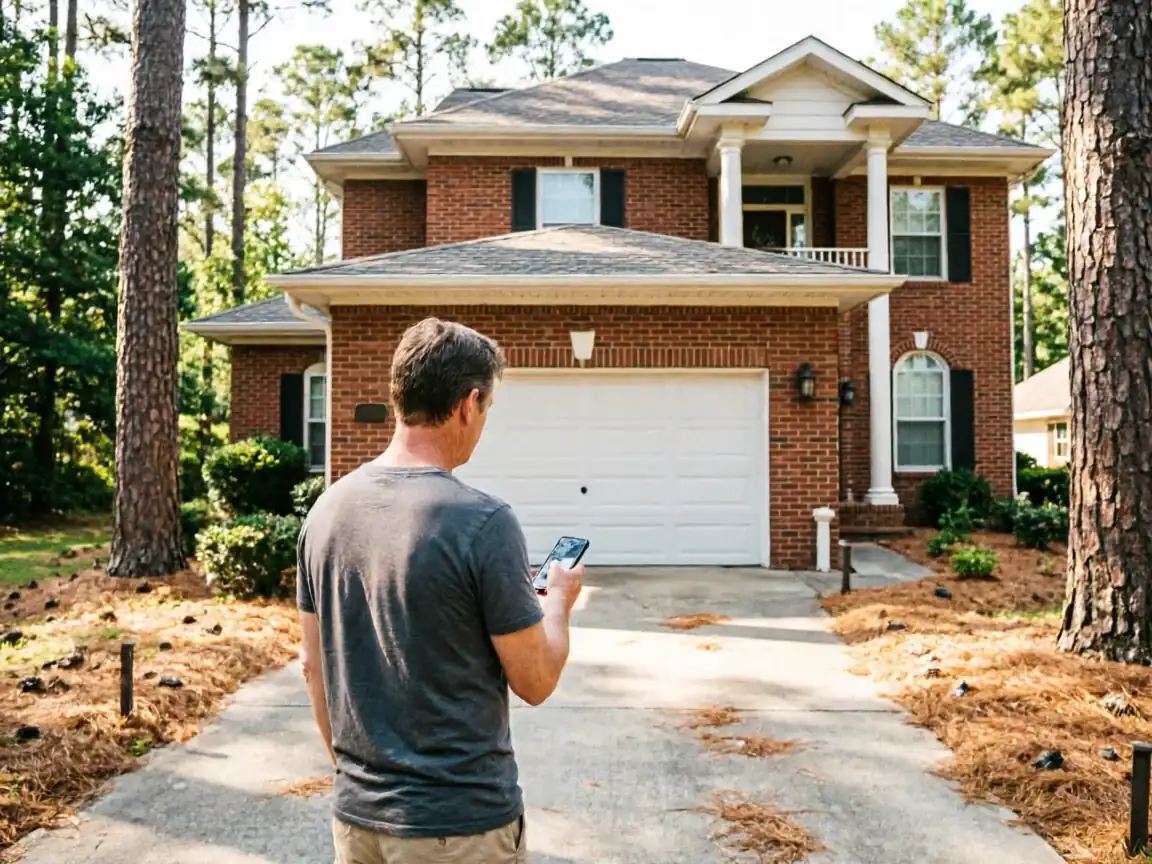
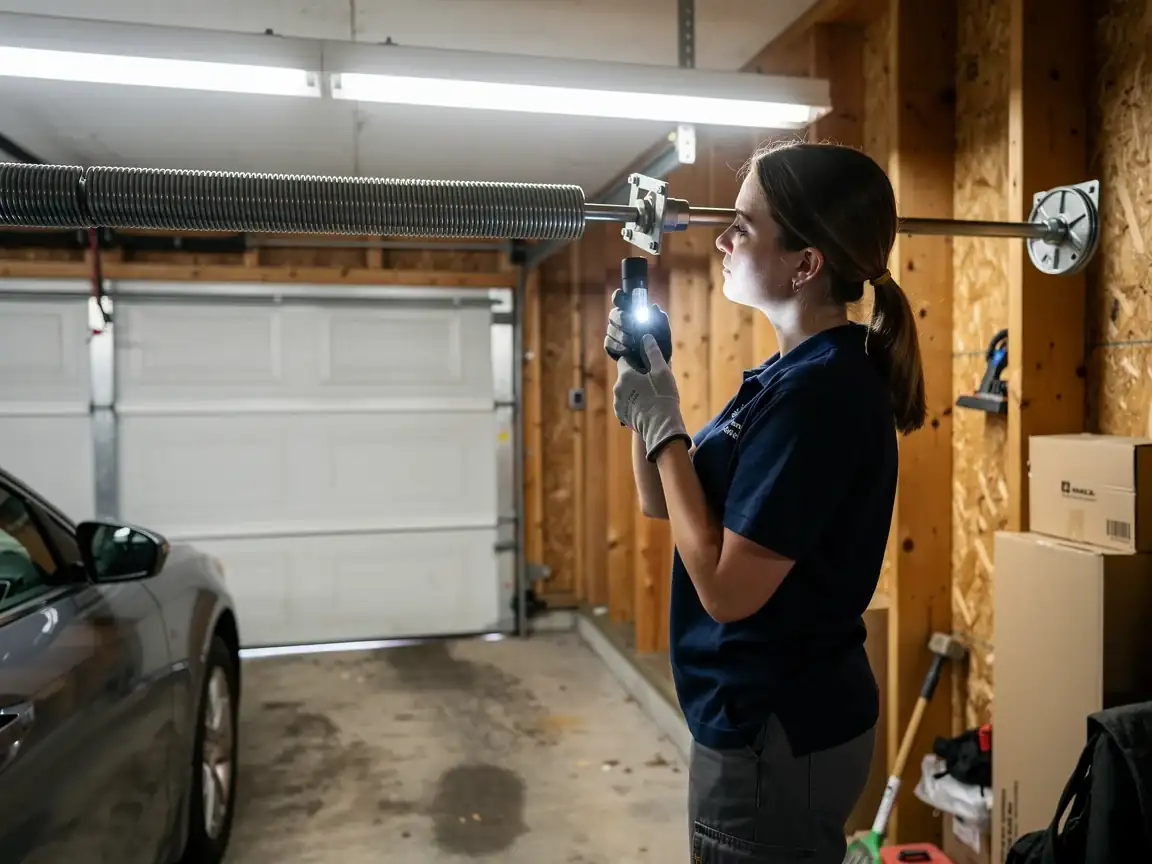
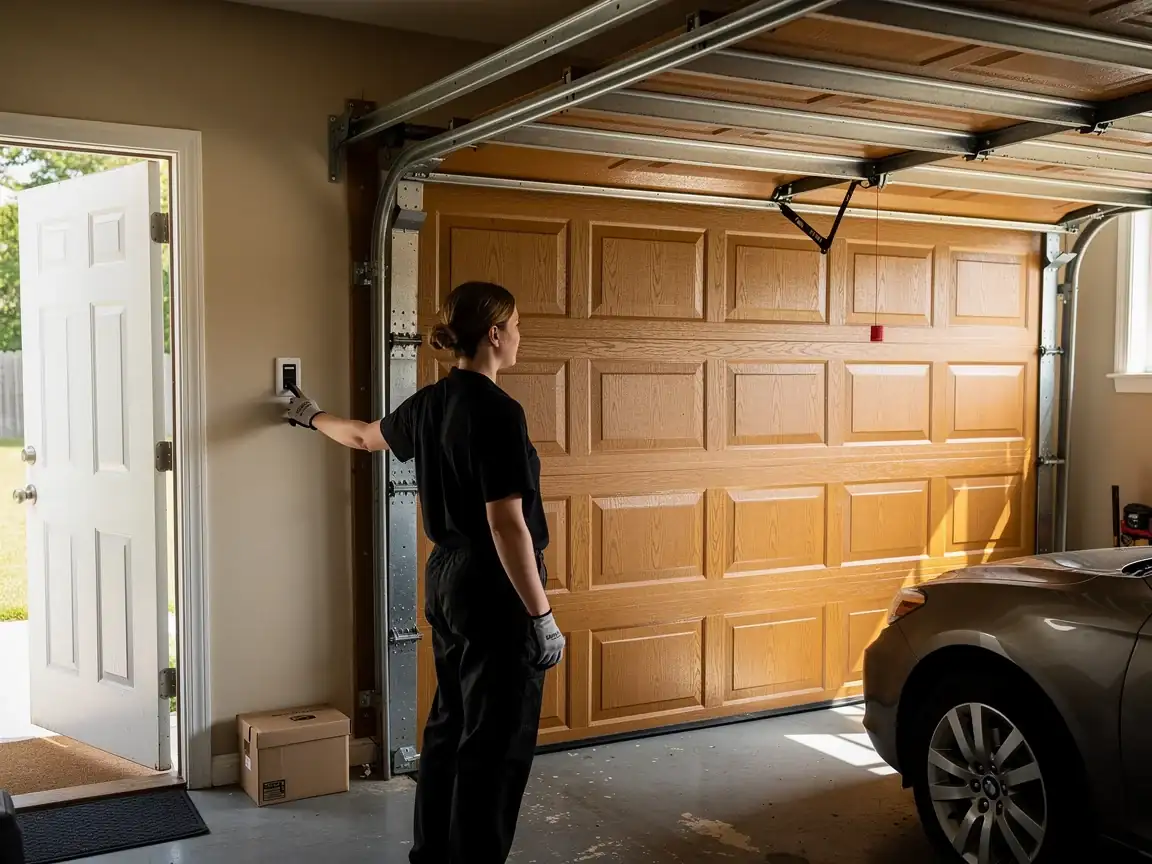
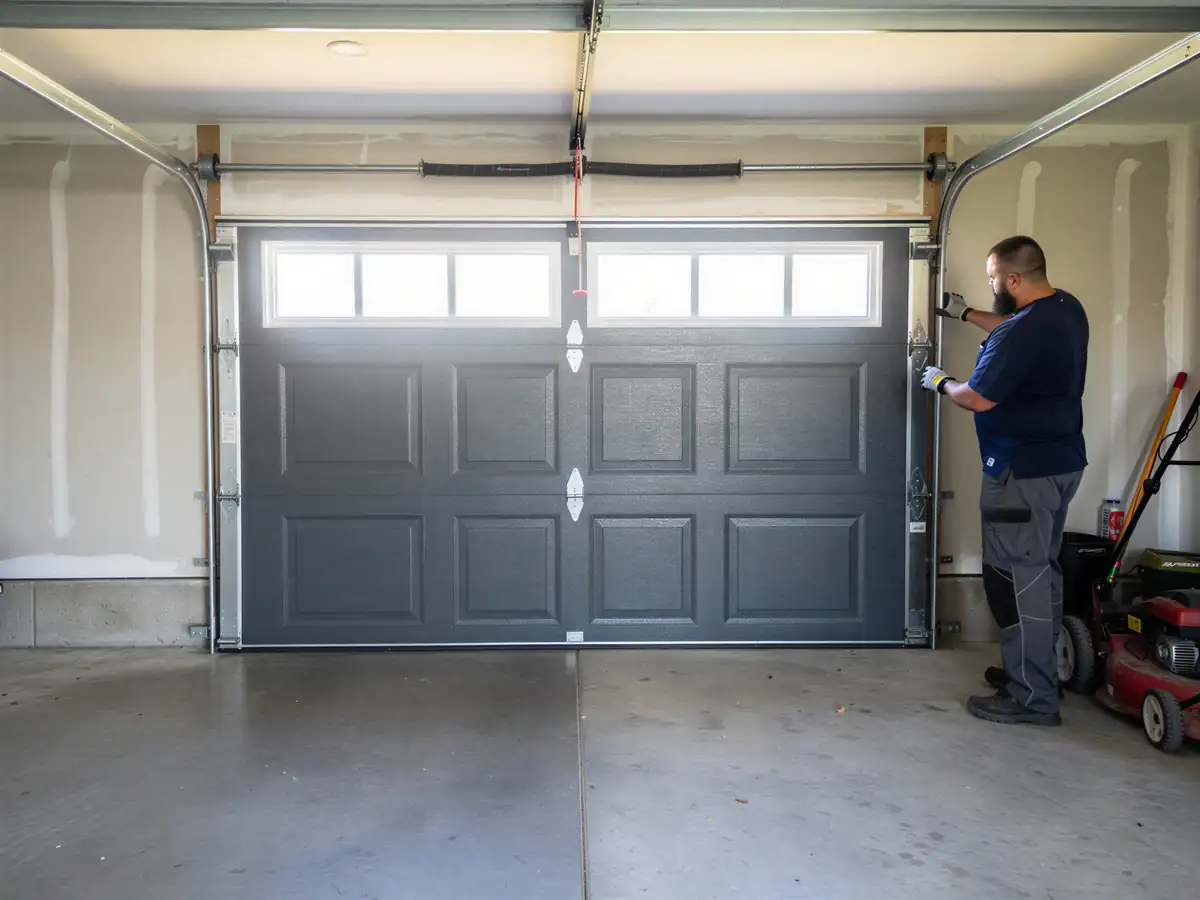
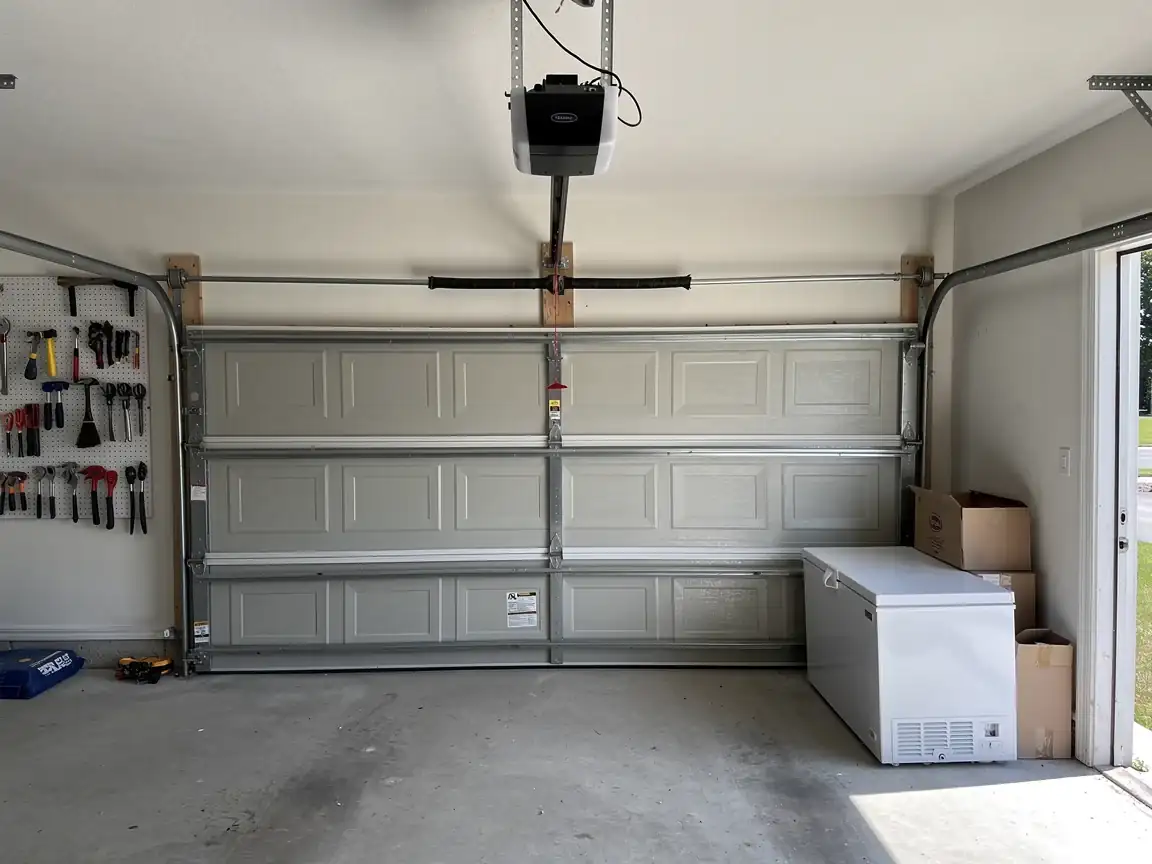
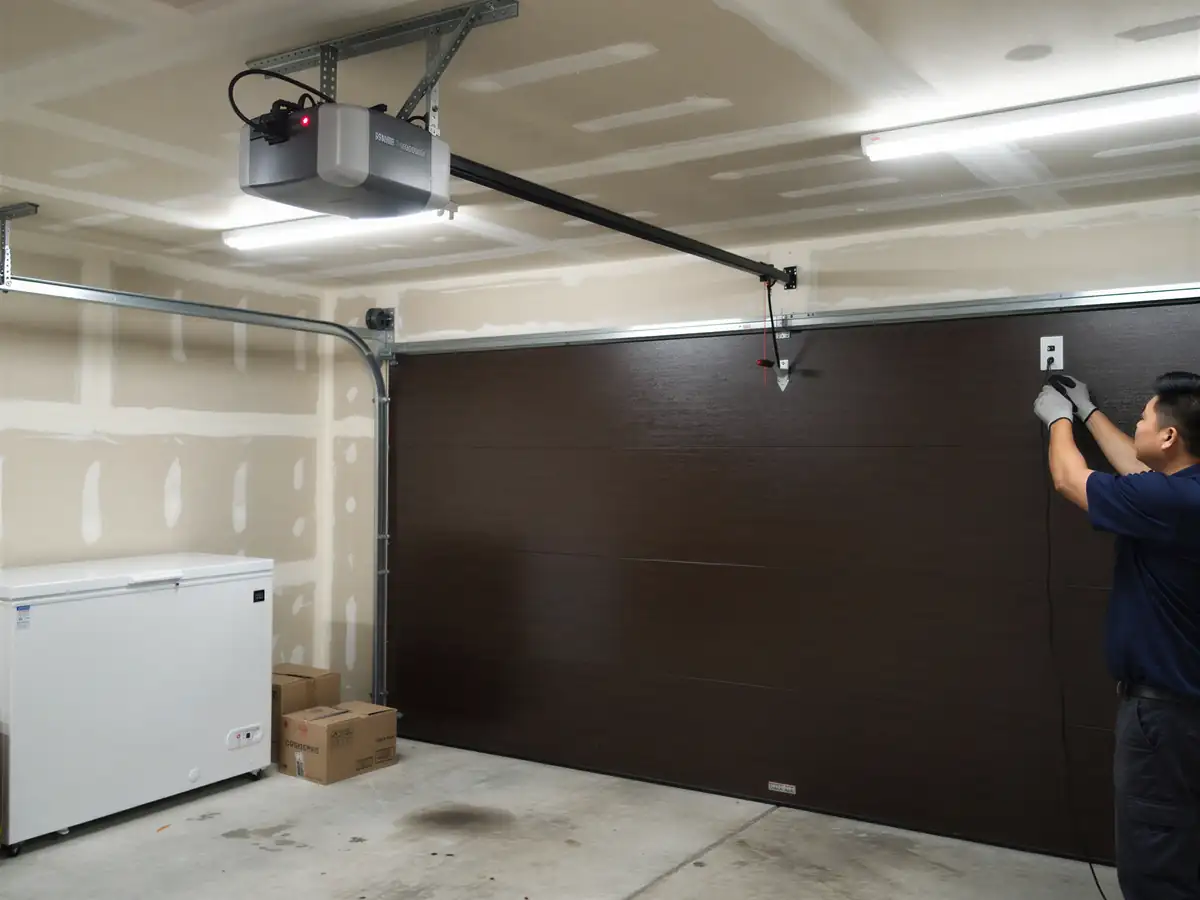
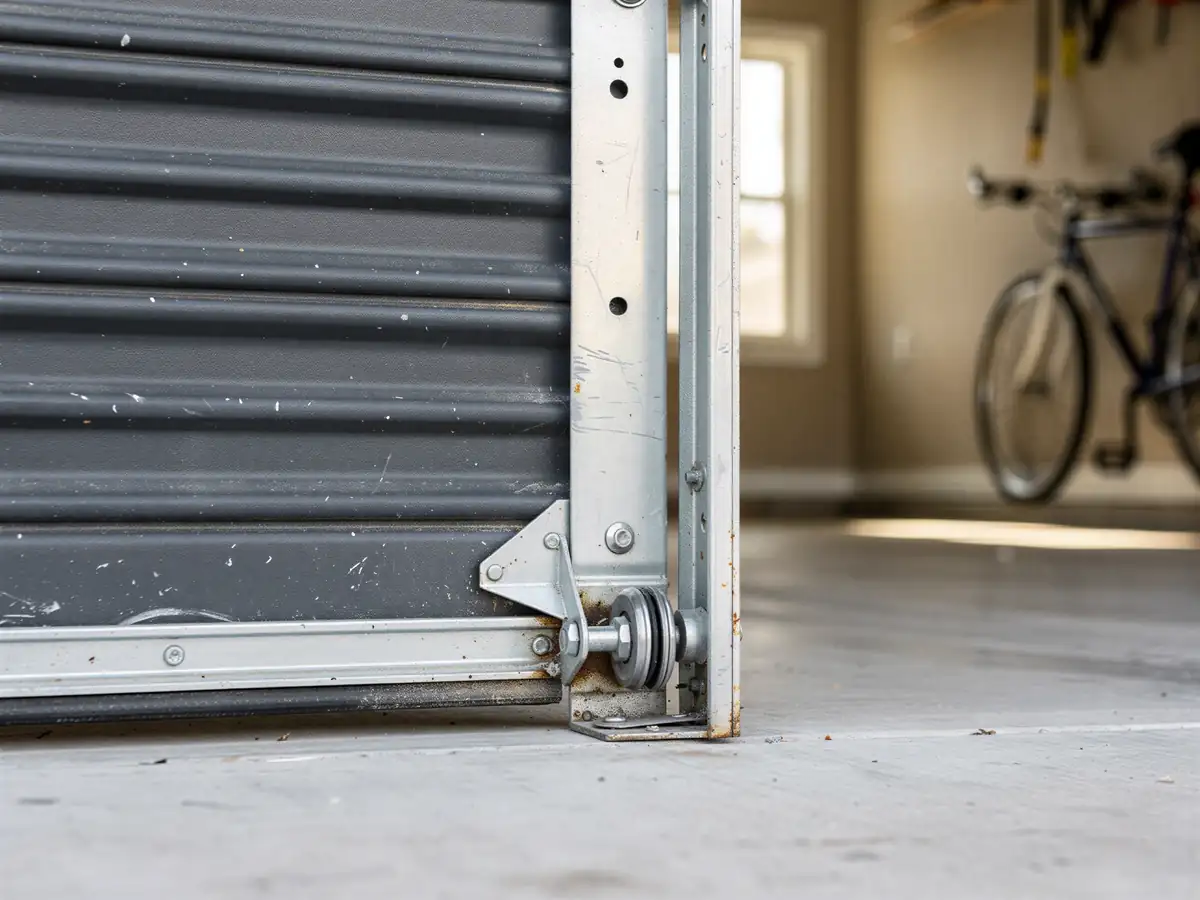
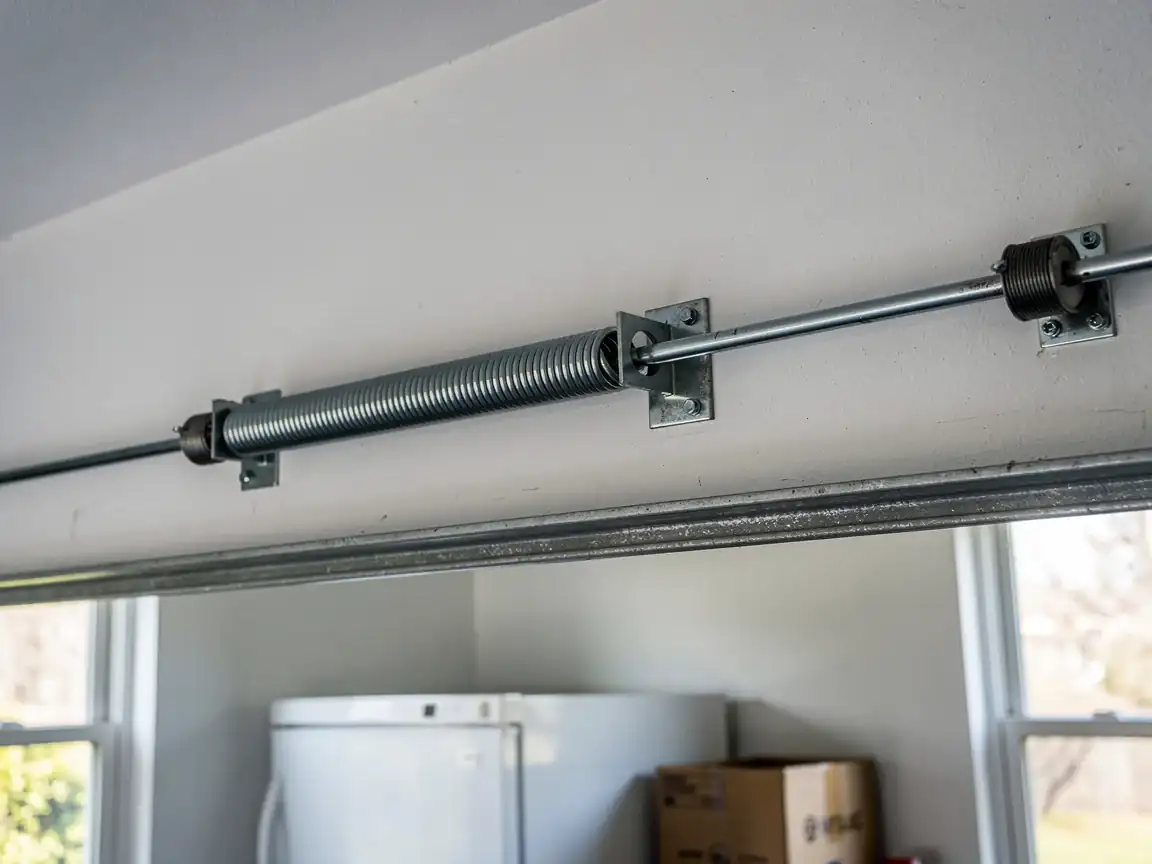
If your garage door groans, hangs crooked at one corner, or slams the last six inches instead of settling into place, you're feeling what decades of Gulf Coast humidity does to steel. Mobile's housing stock mostly went up between 1963 and 1999, with the median build year sitting around 1983 - that holds true the older in-town pockets as much as the newer rings further out. Original torsion springs and galvanized track on houses that age are past their rated cycle count, and the mild climate band here, with humidity constant and hard freezes rare, corrodes spring coils and track bolts from the inside even when the door still looks fine from the driveway. A door that binds at one track or drifts off level usually points to a worn roller or a track that's shifted slightly out of parallel, not a problem with the opener itself. Catching it at that stage is cheaper than waiting for the cable to jump the drum or the spring to let go entirely, which it eventually will on hardware this old.
The DIY Question
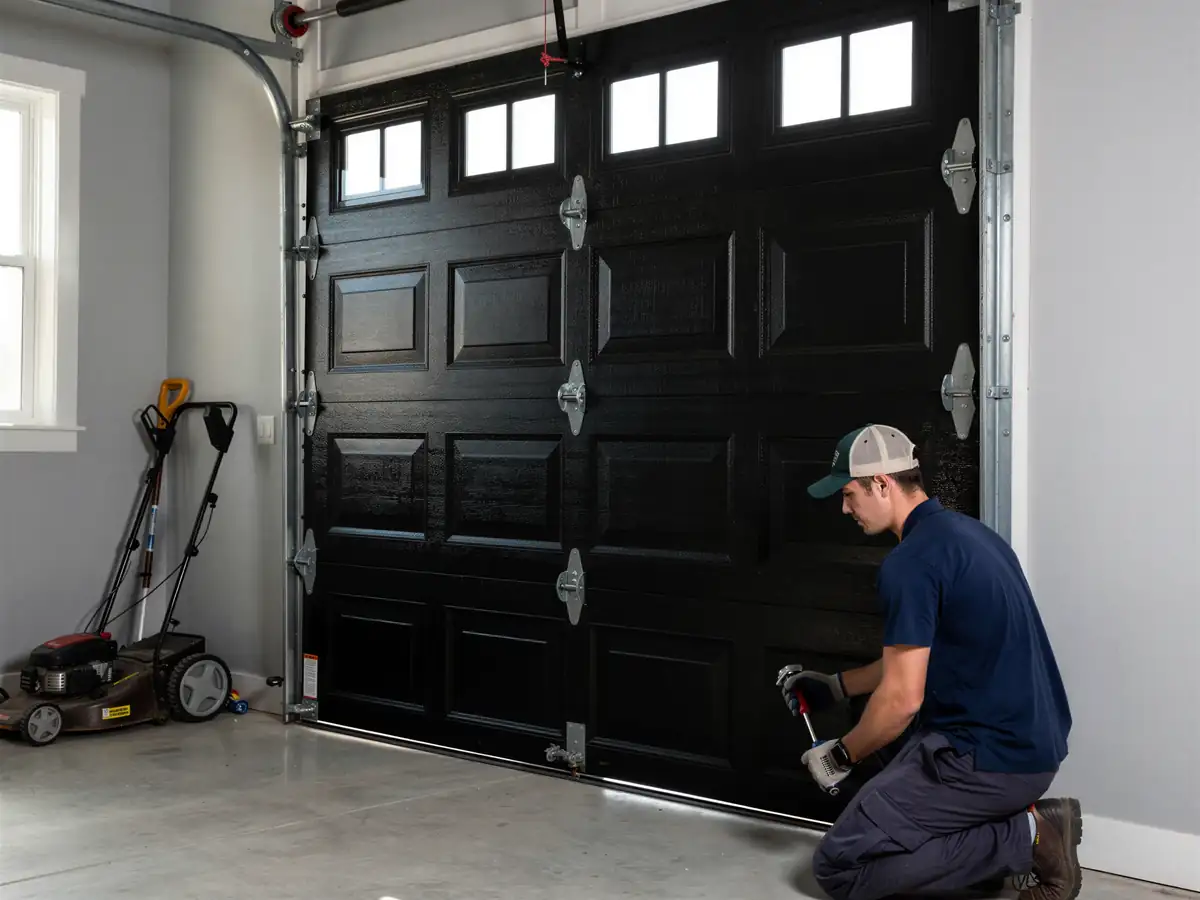
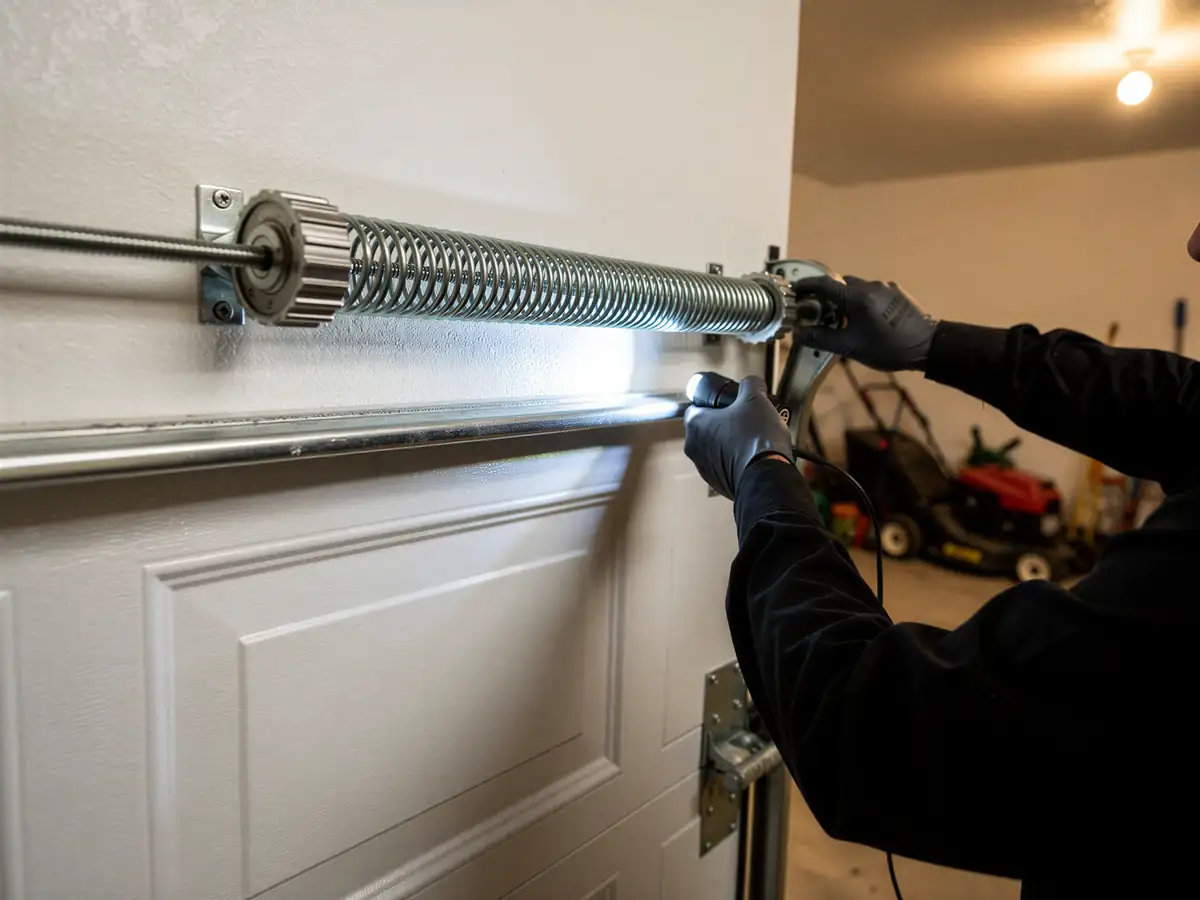
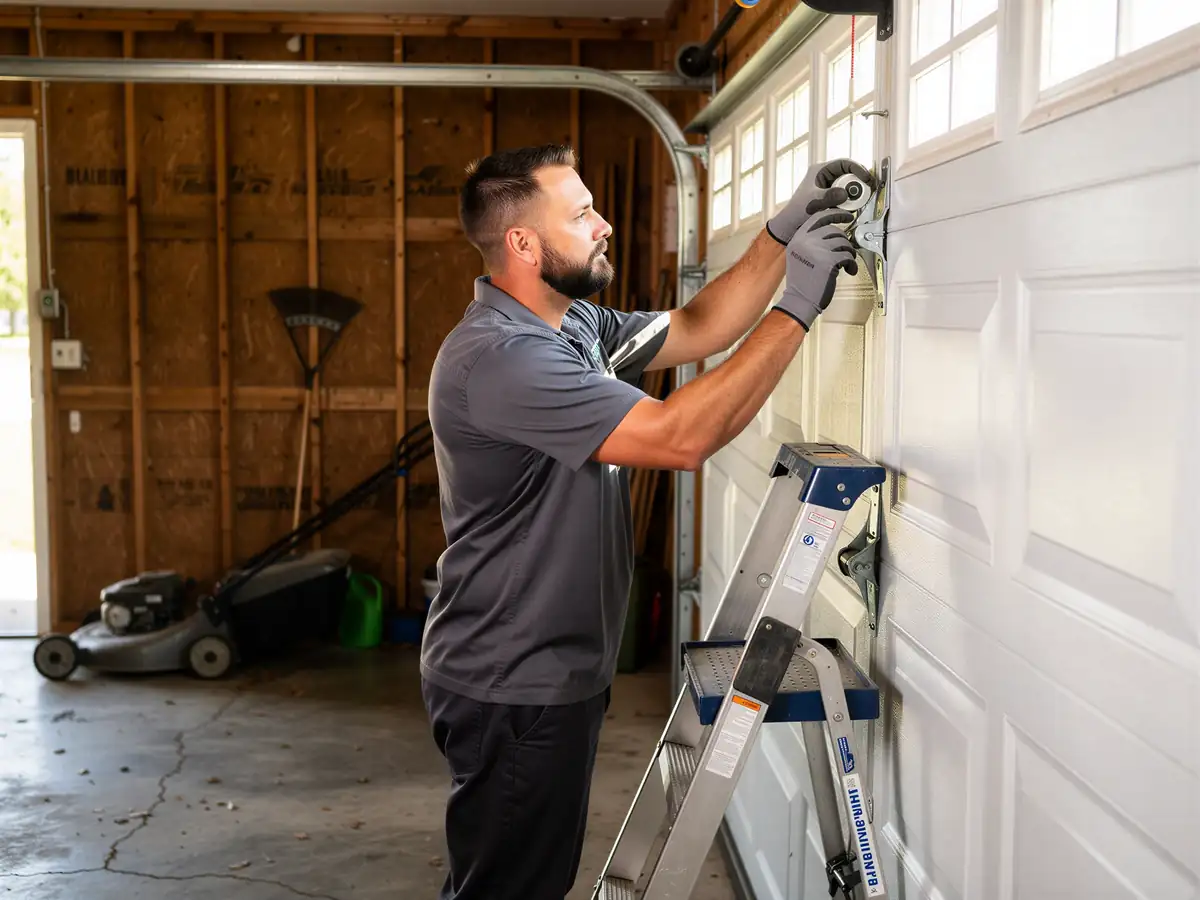
Replacing a roller or tightening a loose track bracket is reasonable weekend work if you've got clamps and the door is already down and secure. Hand tools, a torque wrench, and some patience will cover hinge and roller swaps on most of the single and double doors common in the communities we work in, Tillmans Corner. What we don't recommend you touch is a wound torsion spring. Those springs hold enough stored tension to break bones or take off a finger, and on houses built in the 1963-1999 range the spring is often original or a mismatched replacement, which makes it harder to judge safely without the right winding bars and a cone sized to the actual door weight. If the door won't move, or one side feels noticeably heavier than the other when you lift it manually, stop and call rather than force it. That's not a sales line - it's the one repair on this list that isn't a fair trade for a Saturday afternoon.
Why This Fails Locally
Mobile's housing didn't come up in one wave - thirteen named communities here are mostly built out across the 1980s and 90s, with pockets as old as 1963. That means thousands of garage doors are hitting the same failure window at the same time: steel fatigues, galvanizing wears through, and factory lubrication dries out right around the same age mark across a lot of houses at once. Pair that with a climate that stays mild but swings between humid Gulf air and the occasional cold snap, and you get steel panels flexing and old nylon rollers cracking faster than they would in a drier, more stable climate. Houses closer to the water side, from down toward Brookley Aeroplex, tend to see it worse, because salt air riding on the humidity speeds up rust on spring coils and hinge pins. This isn't a one-house problem. It's a housing-stock problem, and it's why the calls we get cluster around the same handful of root causes instead of a wide spread of random issues.