The Symptom
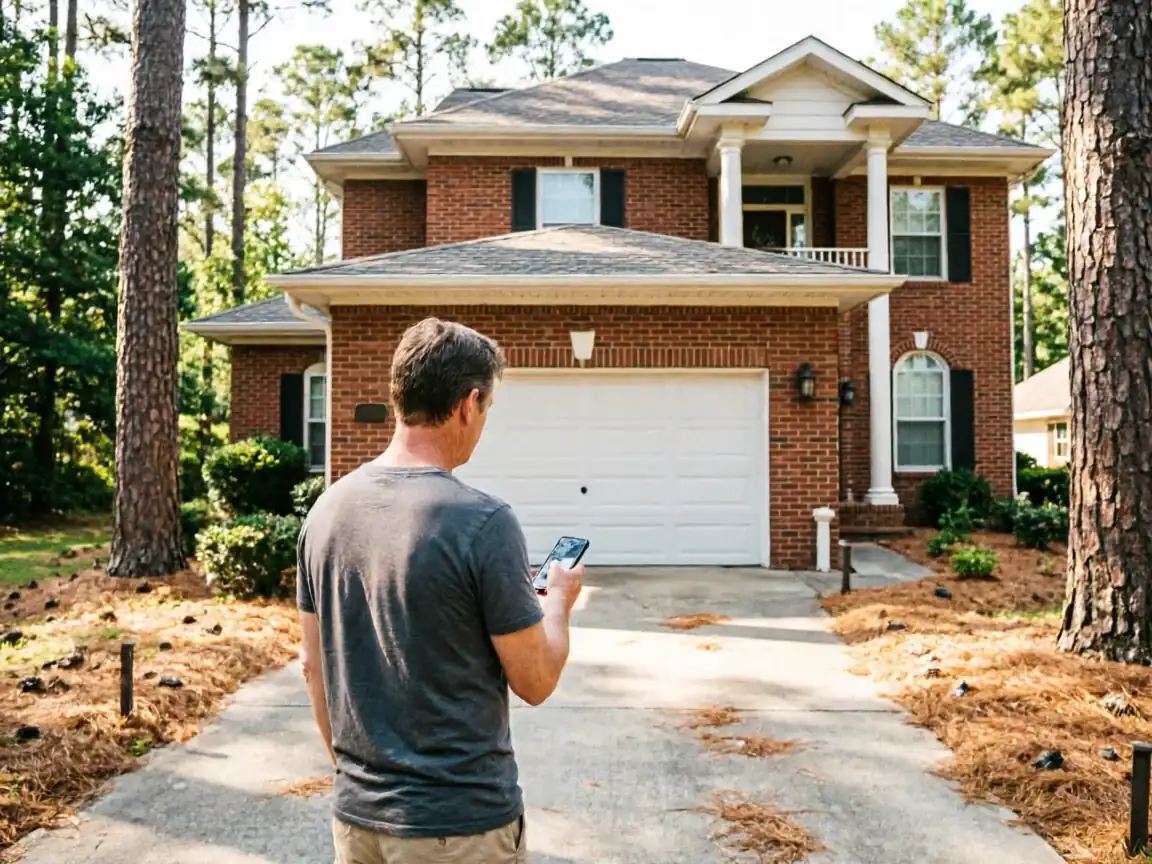
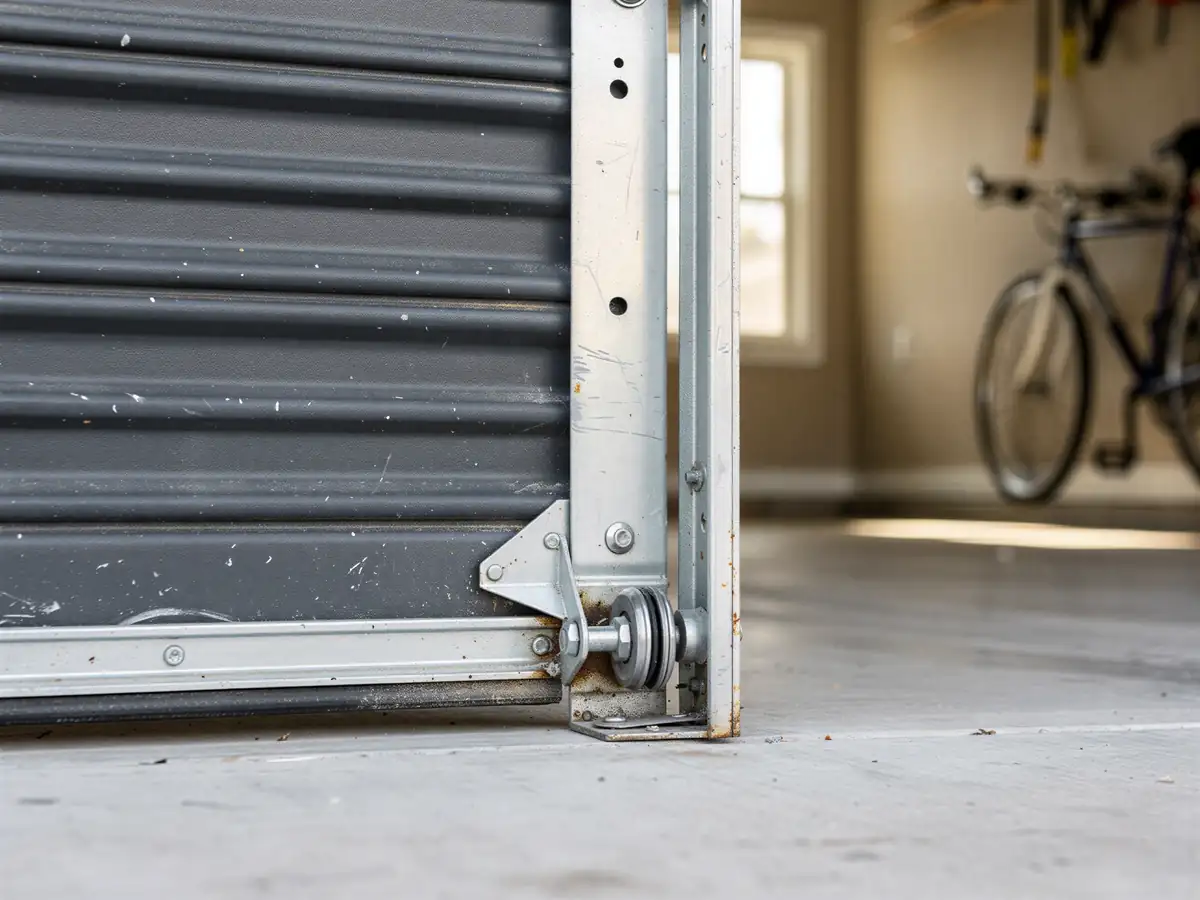
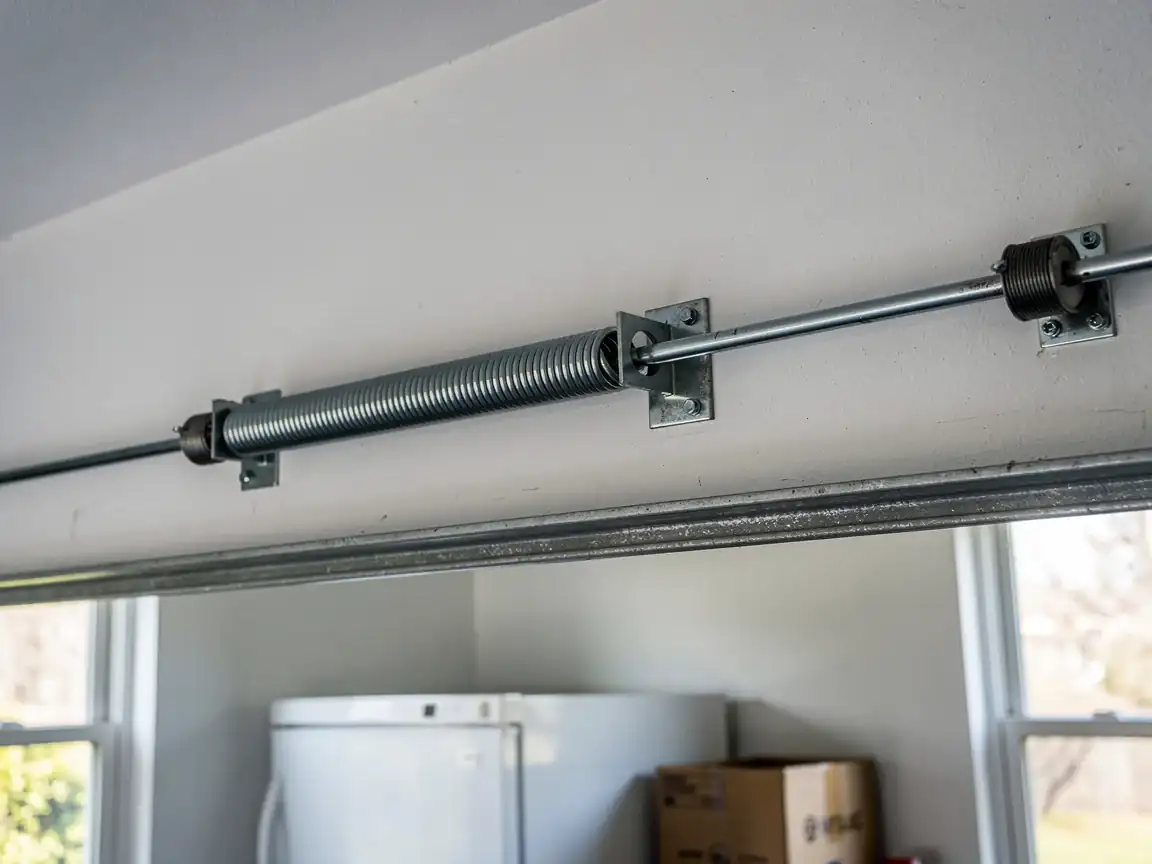
The call we get most at odd hours is the same door, three ways: it slams down the last foot instead of lowering, it won't move at all with a loud pop right before it quit, or it's hanging crooked on one side. The pop is almost always a torsion spring letting go. The crooked hang is a cable that jumped the drum or frayed through. Both show up without warning because springs don't bend, they fatigue and then fail all at once - usually on the coldest snap of the week or the first really humid stretch after one, when the metal has been flexing through a temperature swing all season.
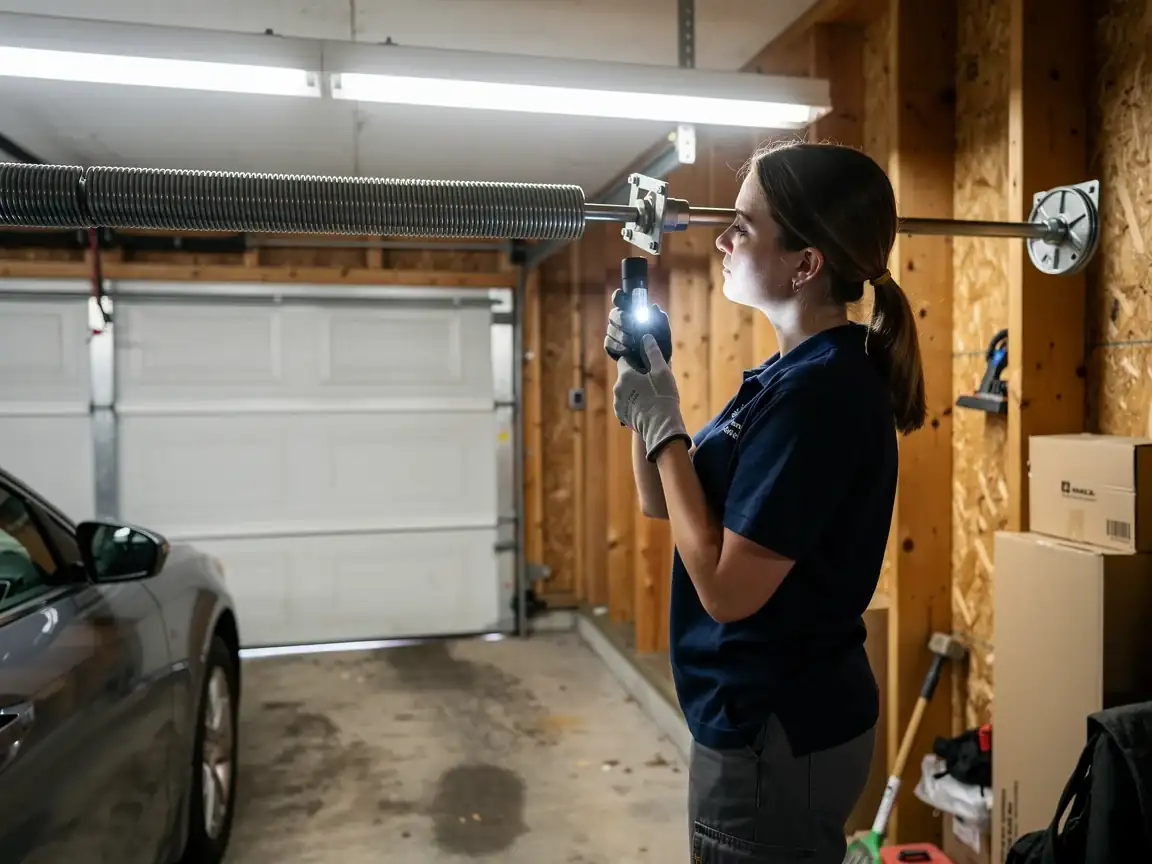
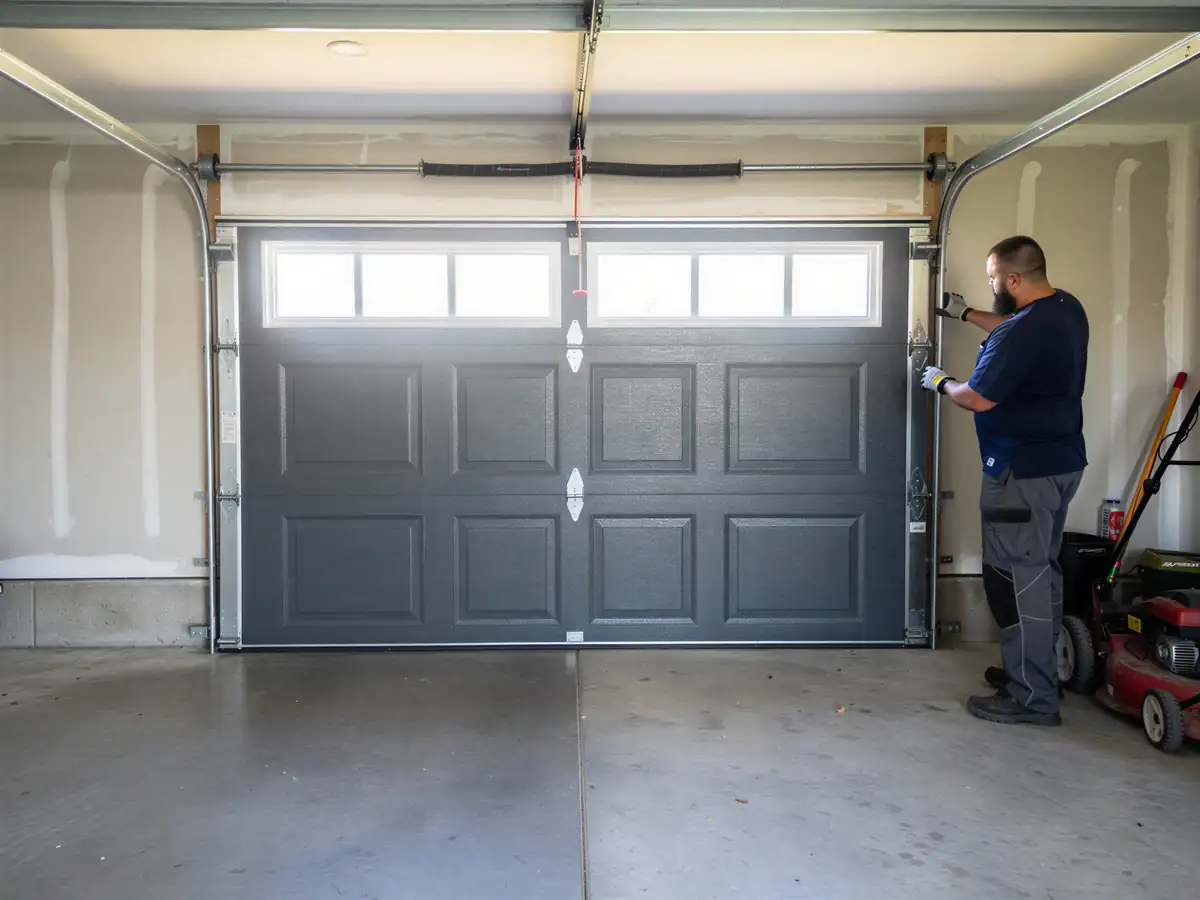
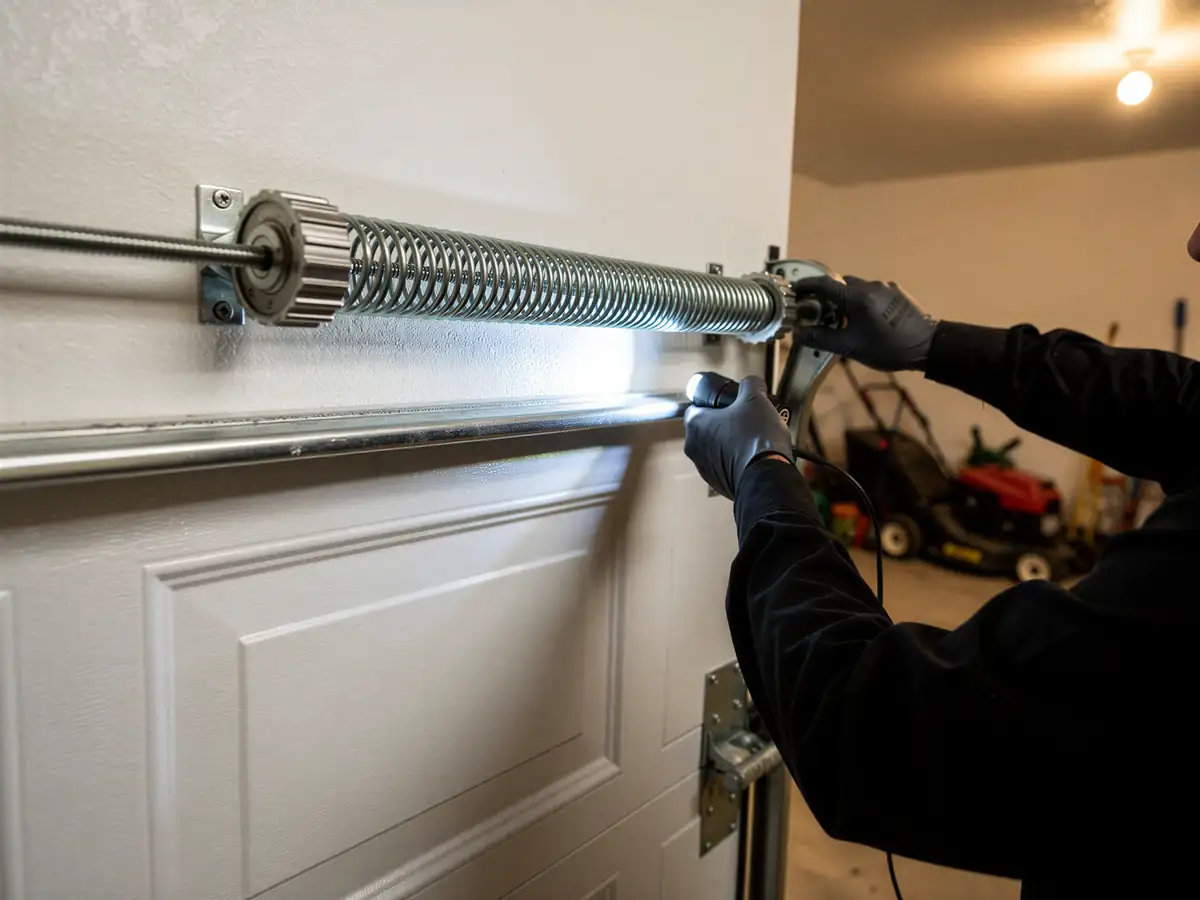
Mobile's climate band is mild with occasional freeze, which sounds easy on hardware compared to the Midwest, but it means springs here cycle through expansion and contraction less predictably than in a place with one clean winter. A spring rated for 10,000 cycles doesn't care why it failed, only that it did. If your door stopped working and there's a visible gap in the coiled spring above the opener, stop trying to open it. That gap is tension that has to go somewhere, and it shouldn't go through your hands.
The DIY Question
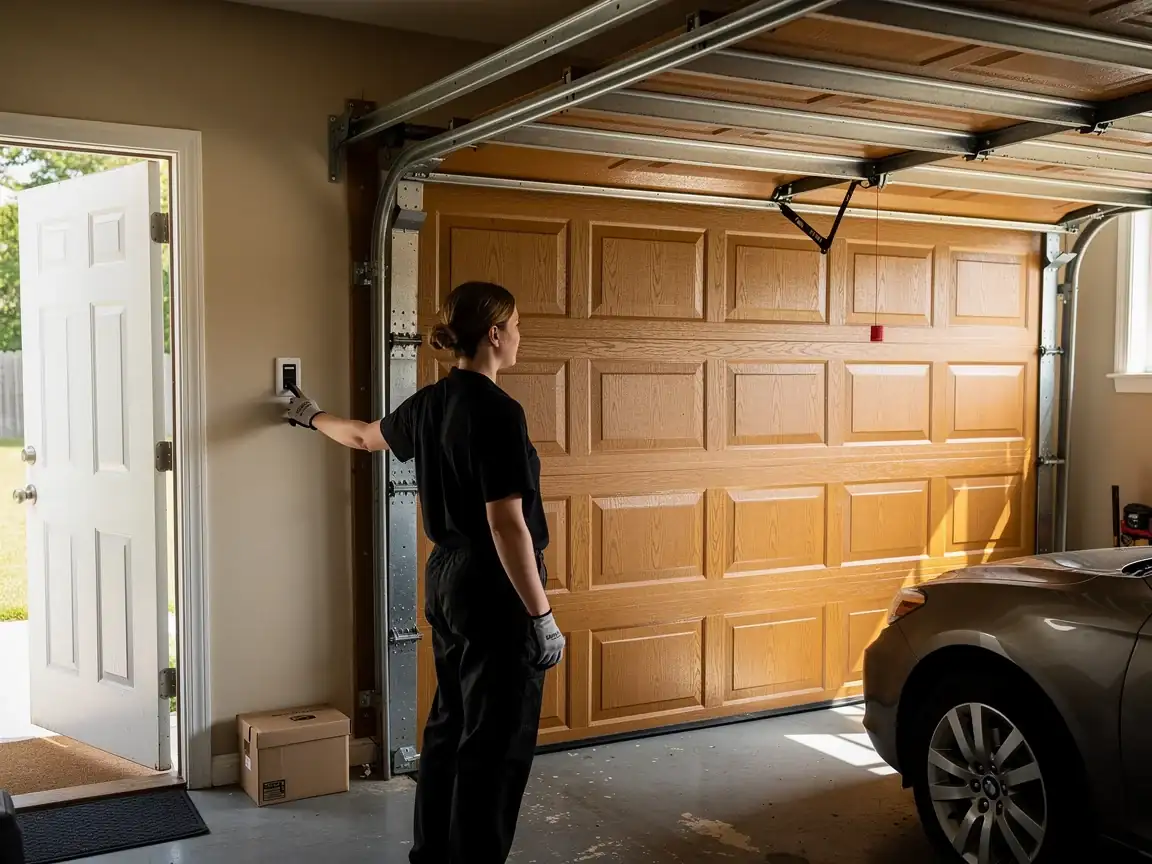
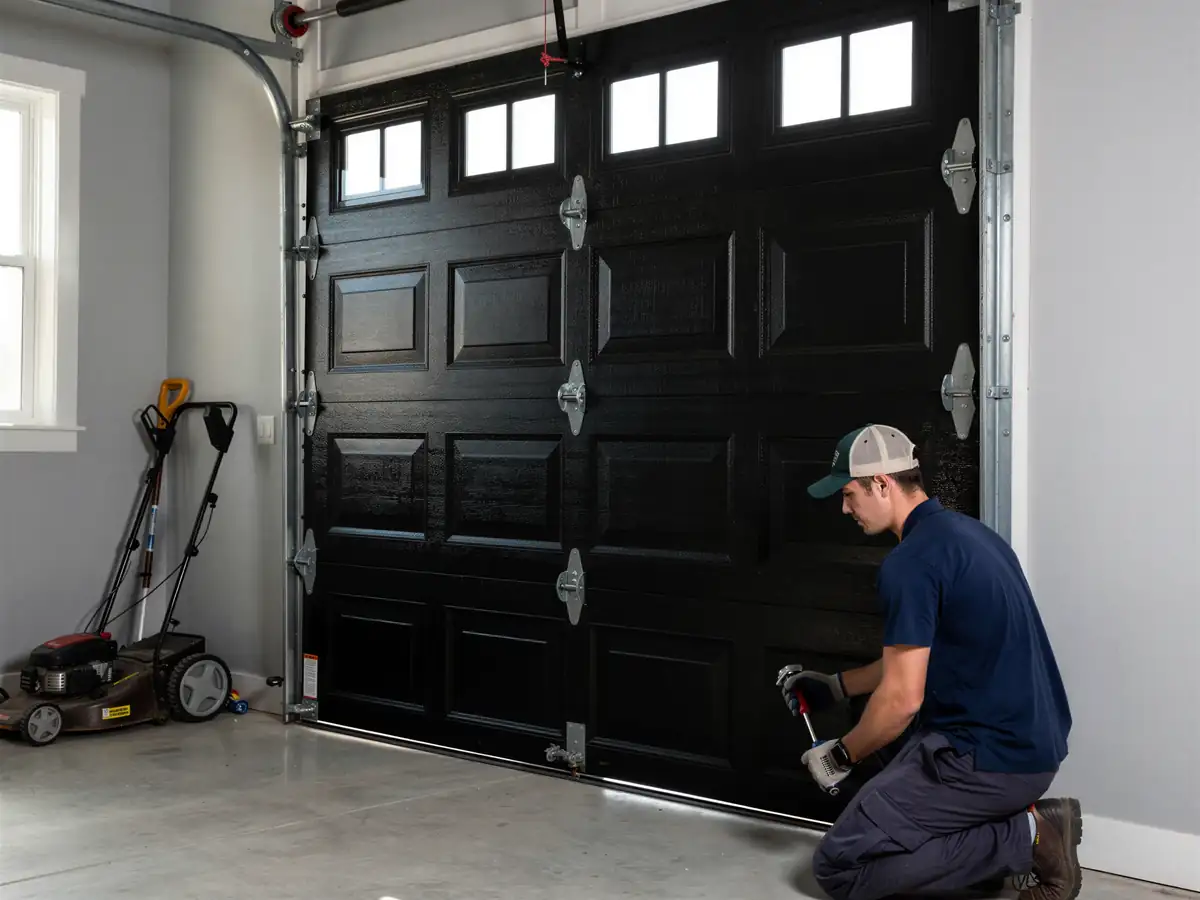
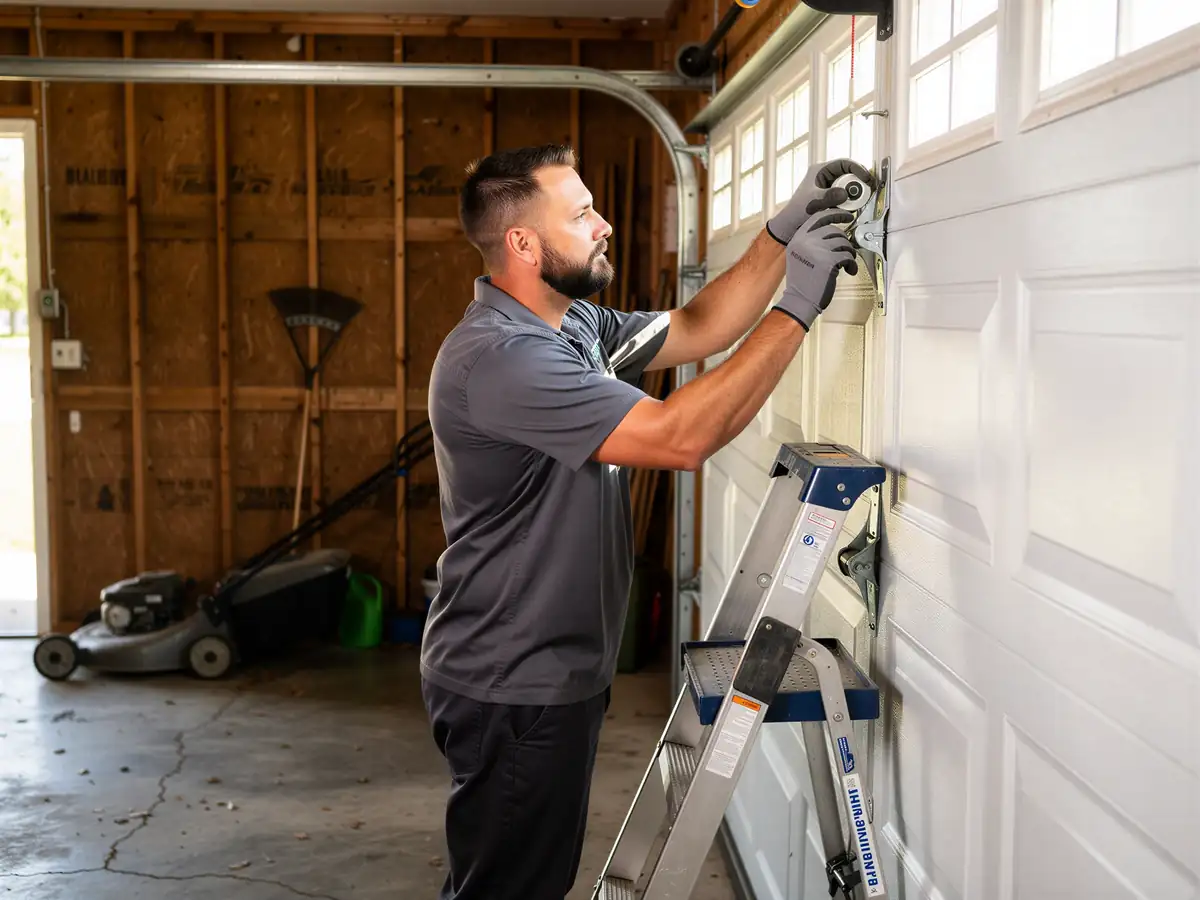
A broken torsion spring on a double door is not a fix you do with the garage door open and a ladder. The spring is still under residual tension even when it's snapped, and the winding bars needed to safely unload or reload it aren't something most homeowners own or have used. We're not going to tell you nothing is DIY-able - you can usually tighten a loose track bracket yourself, lubricate hinges and rollers, or clear a sensor that's just dirty or knocked out of alignment. Those are fine.
What isn't fine is anything involving the spring, the cables, or the drums, full stop. That's true everywhere, but it matters more in neighborhoods with original 1980s and 90s hardware still in place, since a lot of Mobile's housing stock dates to that era and the springs installed then were sized for the door weight and cycle expectations of the time, not necessarily matched to whatever opener or insulation has been added since. A mismatched replacement spring is how you get a door that slams or won't stay up - a second service call waiting to happen.
What You Pay
We don't have a flat number to quote you here because it depends on what actually broke
A single spring is a different job than a snapped cable plus a bent track, and a door that's 20 years old sometimes needs a part nobody stocks anymore, which adds a day. What we can tell you is how we think about it: we diagnose on site, tell you what's broken and what it costs before any work starts, and we don't open a wall-mounted panel or swap a part that isn't the actual problem just to run up the ticket.
- 20 years
One honest limitation
If your opener or spring system is old enough that parts are genuinely discontinued, repair can cost close to what replacement runs, and in that case we'll say so rather than patch something that's going to fail again in six months. That's not every call. Most spring and cable repairs are straightforward parts we carry on the truck. But a 1960s-era door with original hardware is a different conversation than a 1995 install, and we won't pretend otherwise over the phone.
Why This Fails Locally
Across the service area, most houses were built between 1963 and 1999, with the median landing around 1983, and that spread holds pretty consistently across the thirteen named areas we cover Grand Bay. That matters for one specific reason: garage doors and their hardware have a service life, and a huge share of the doors we're called out to are either original to the house or on their second opener but still running first-generation spring hardware. A door installed in 1985 has had roughly four decades of humid-to-mild cycling, and torsion springs in that age bracket are well past where fatigue failure becomes a matter of when, not if.
With 46,241 households and nearly 30,000 of them owner-occupied, that's a lot of garages built to a similar spec in a similar decade, which is why the failure pattern repeats so often: spring snaps first, cable wear follows close behind on doors that get used daily. It's also why we don't treat this as a generic appliance breakdown - the housing stock here sets the timeline for what fails and when, more than anything a homeowner did or didn't do.