What the Housing Means for Your Door
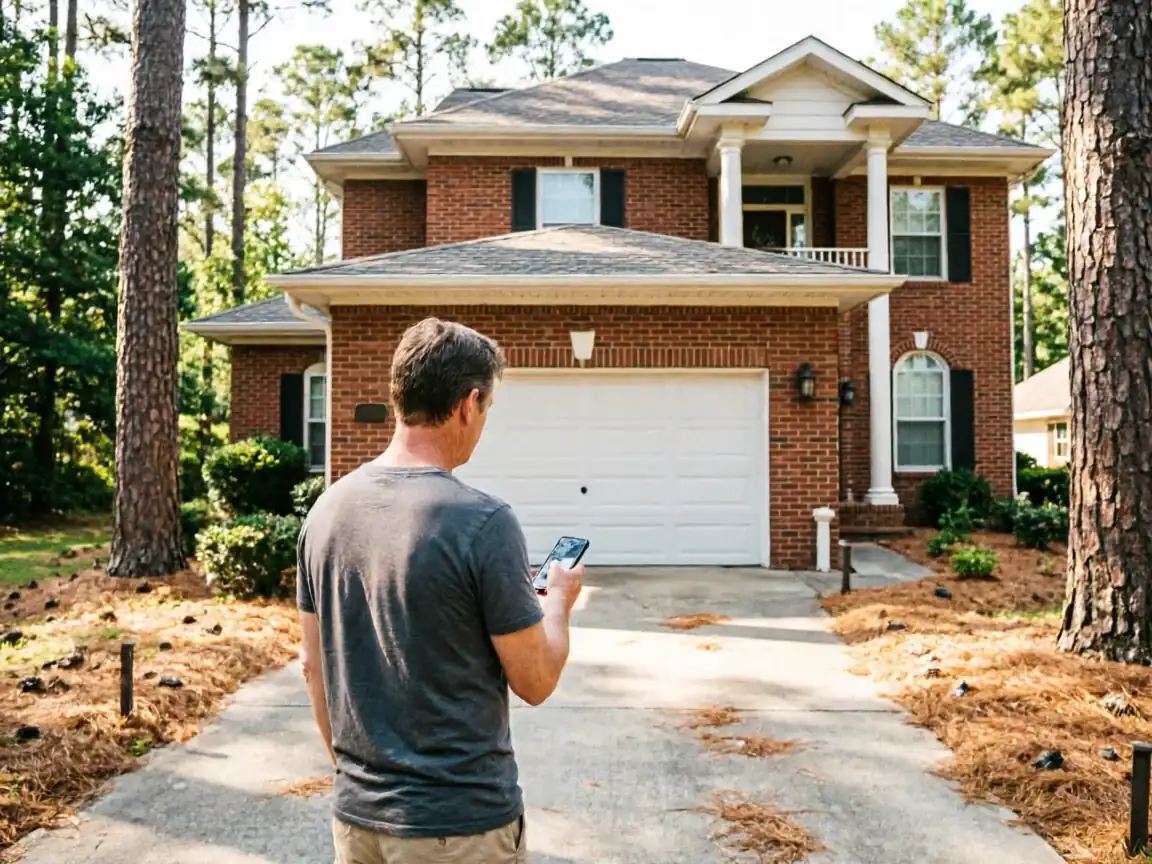
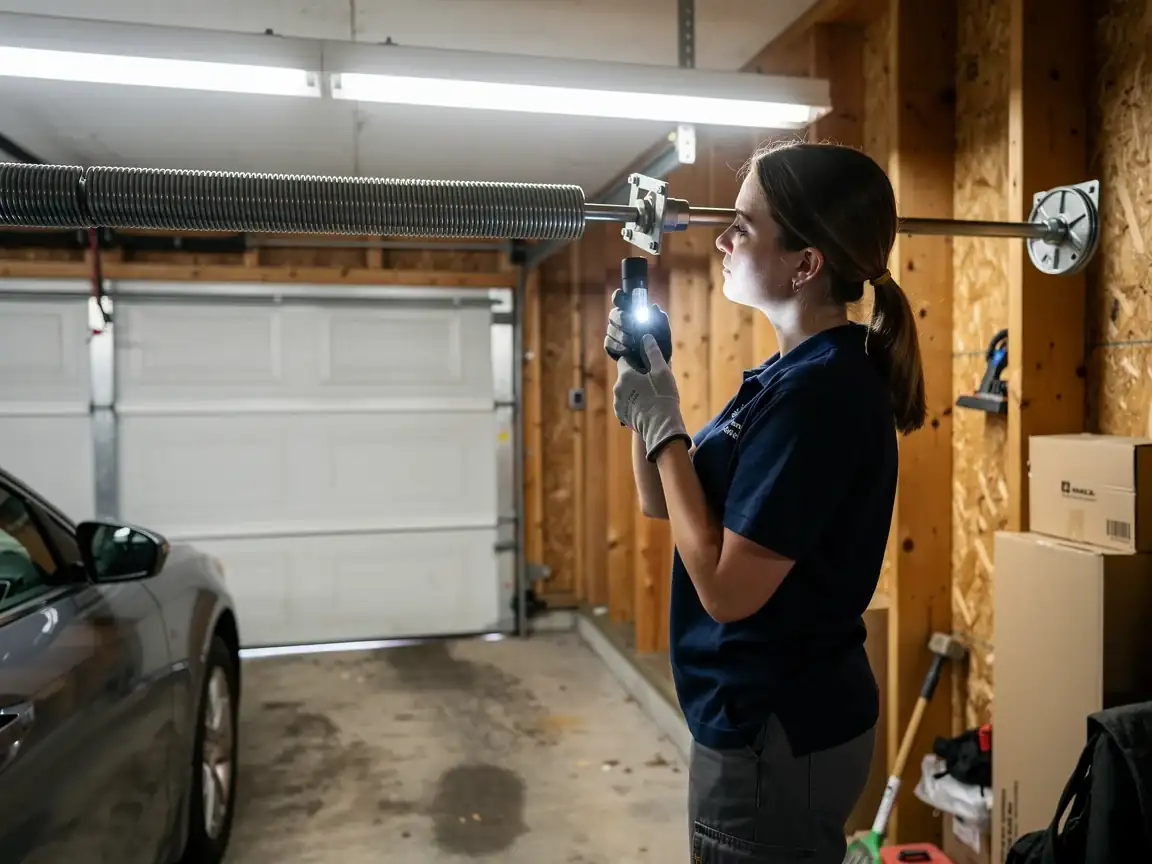
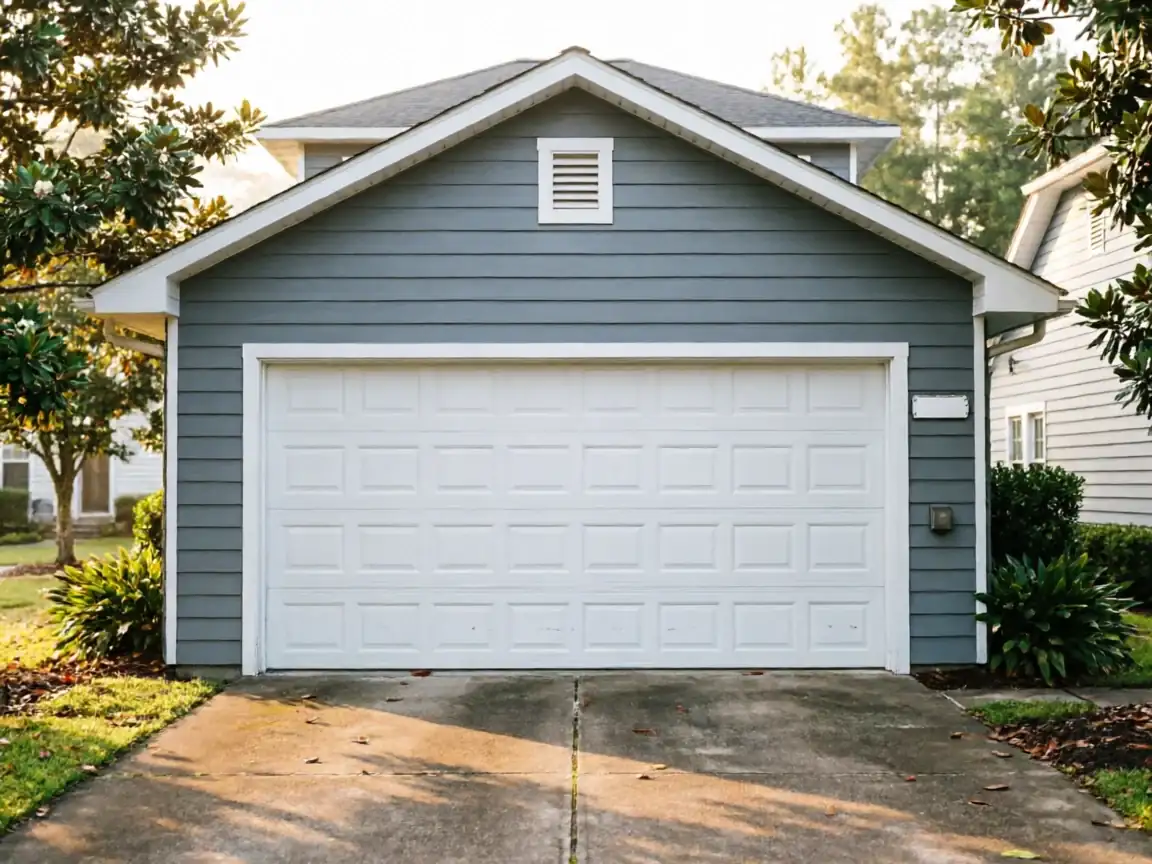
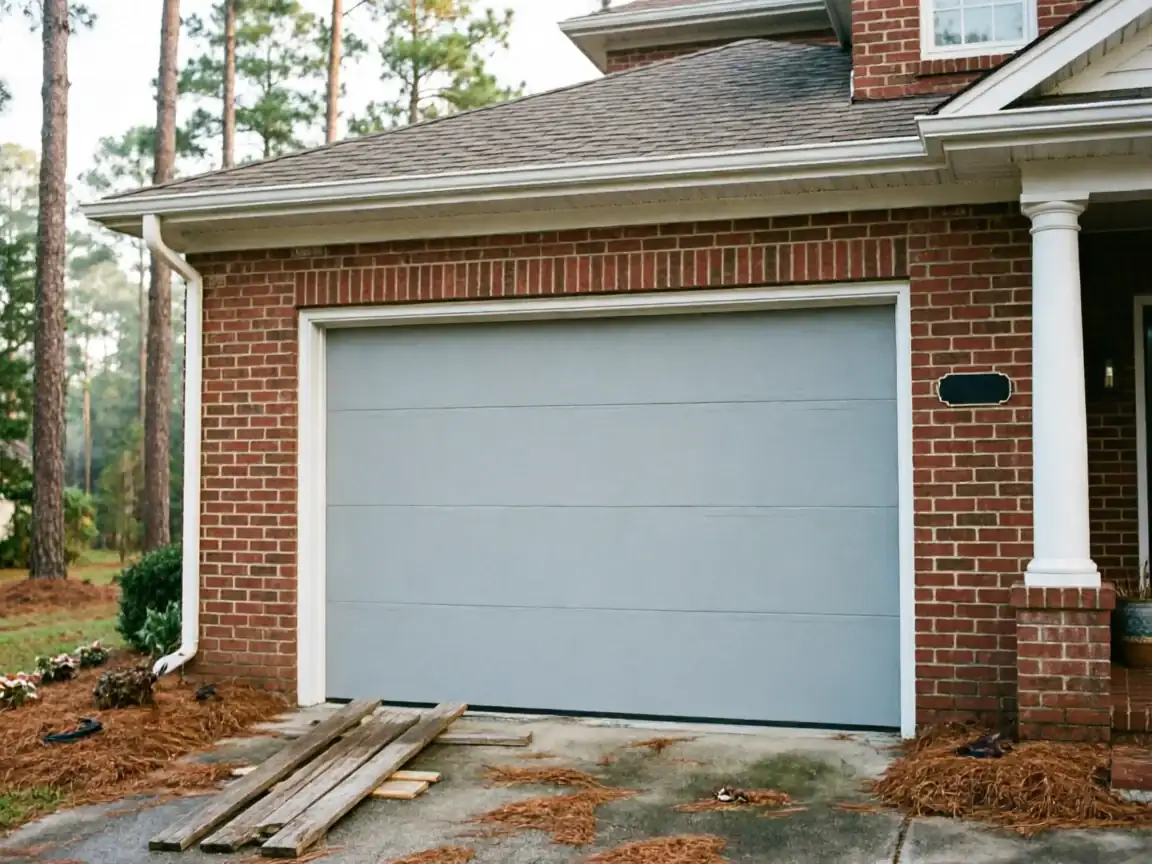
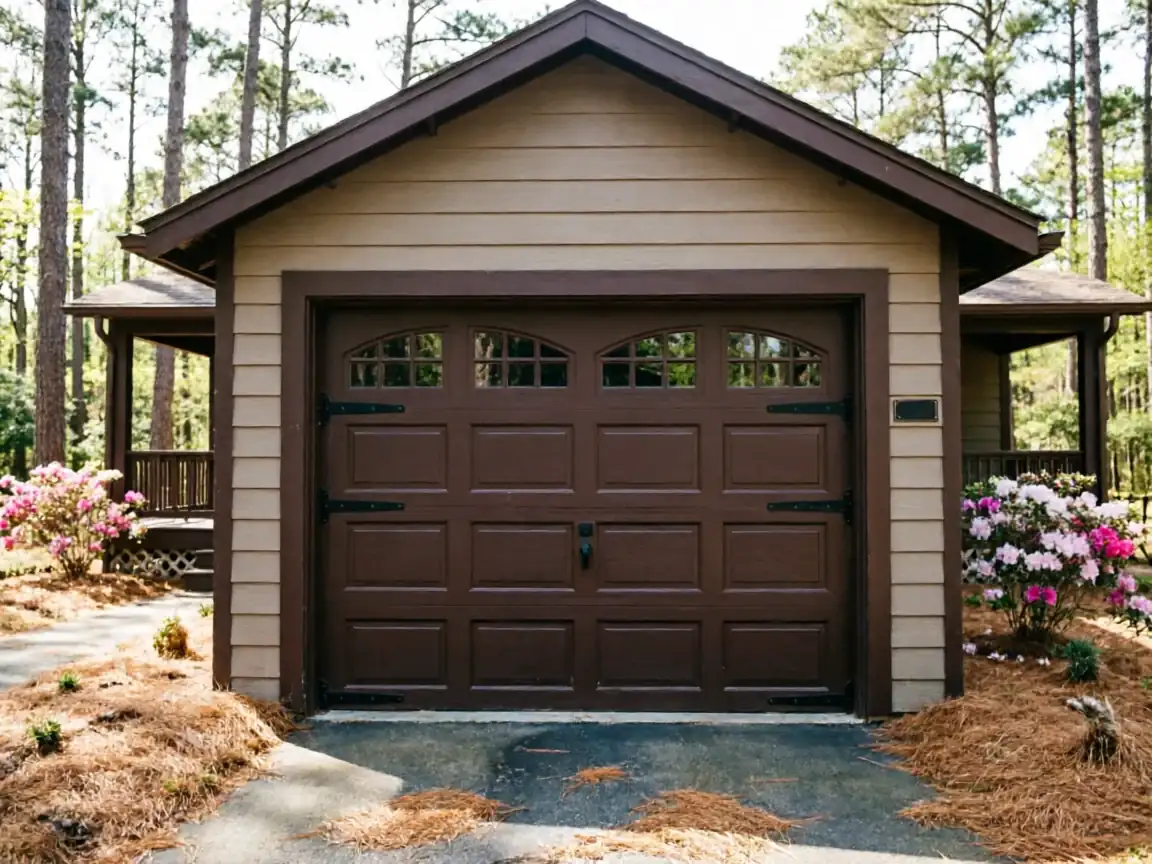
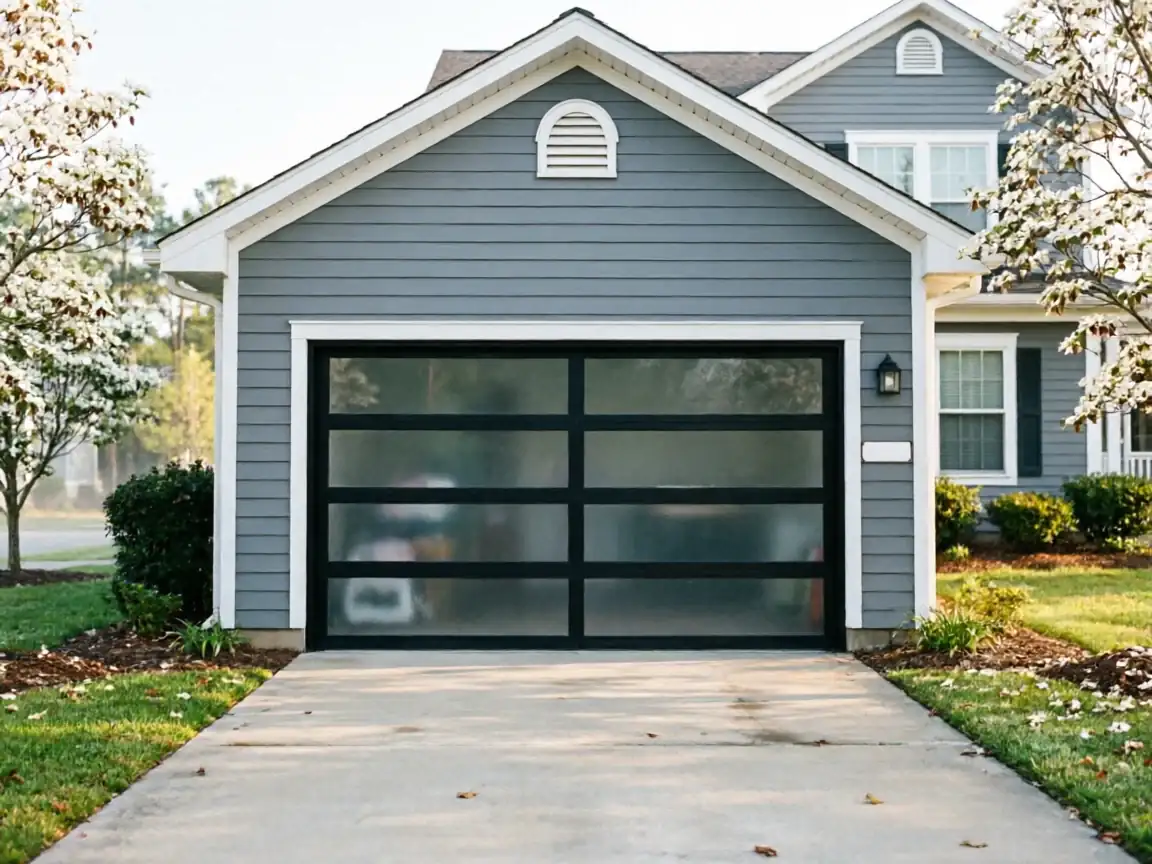
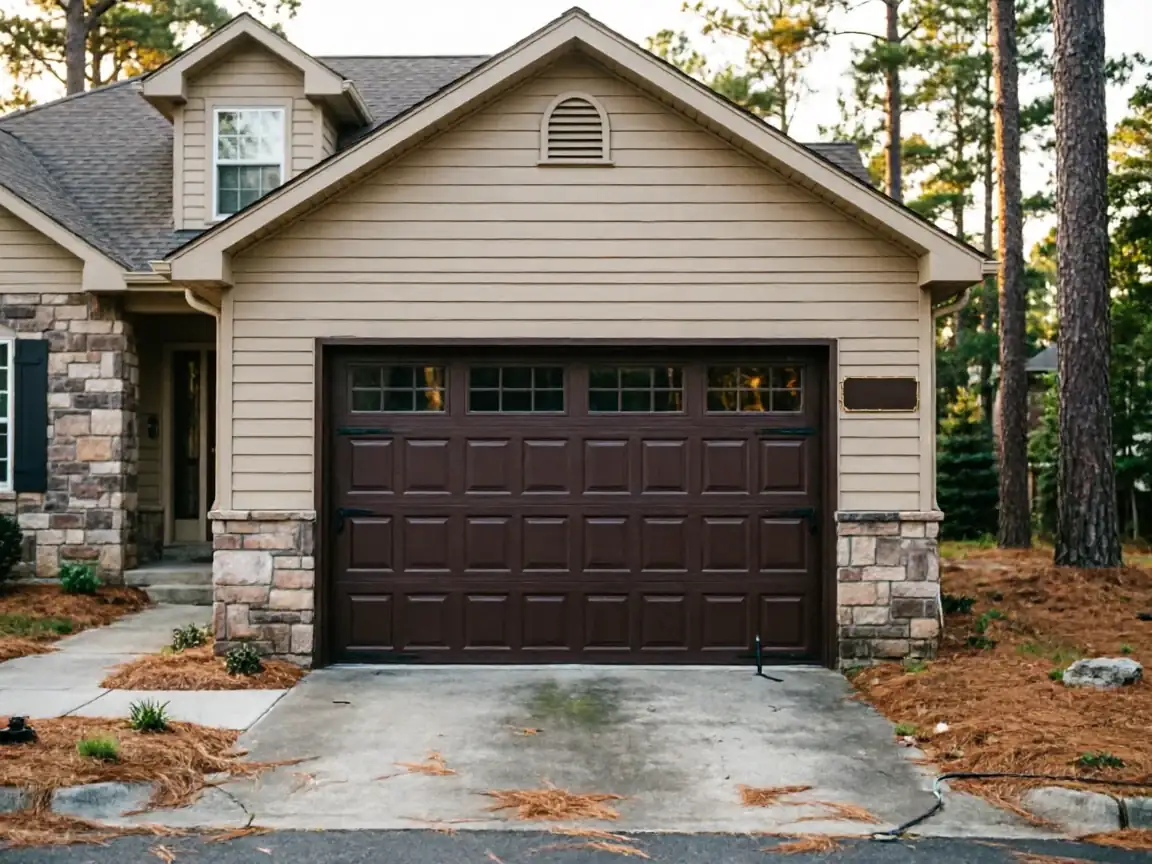
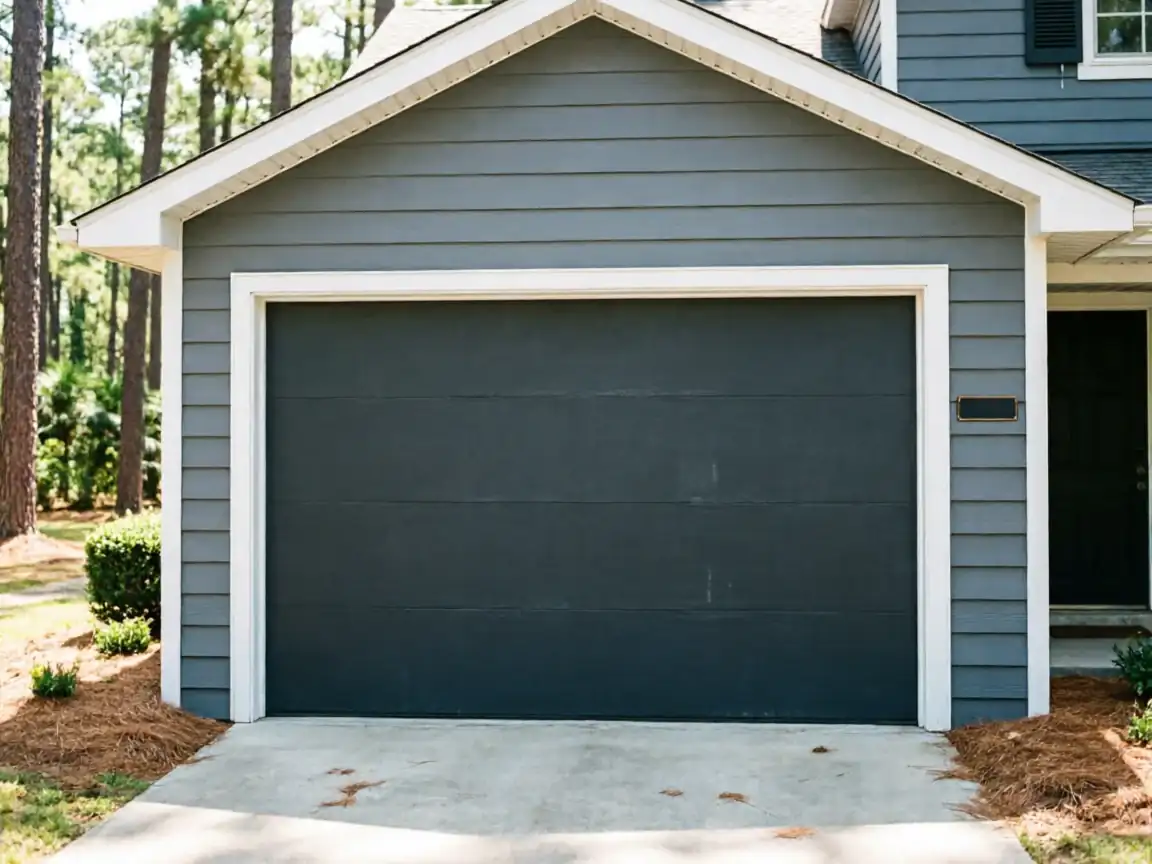
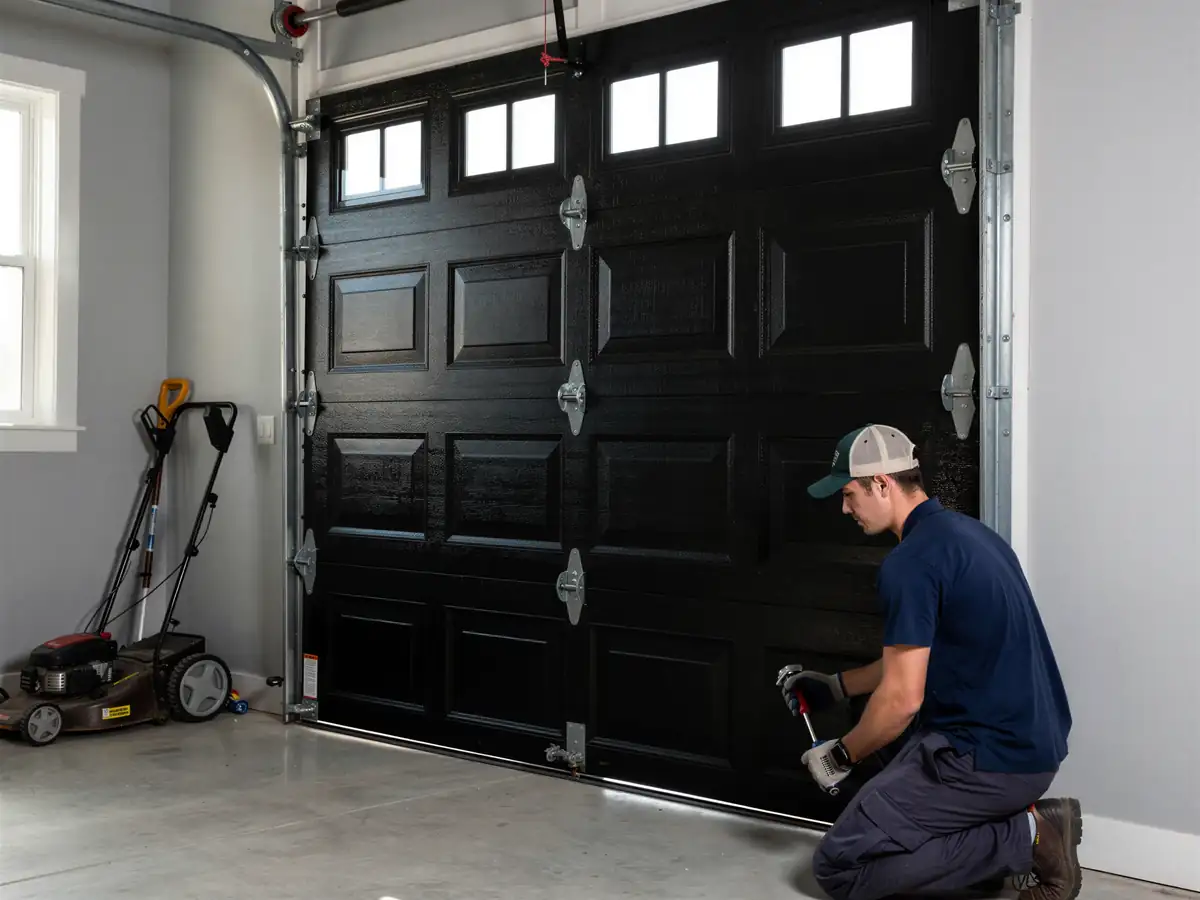
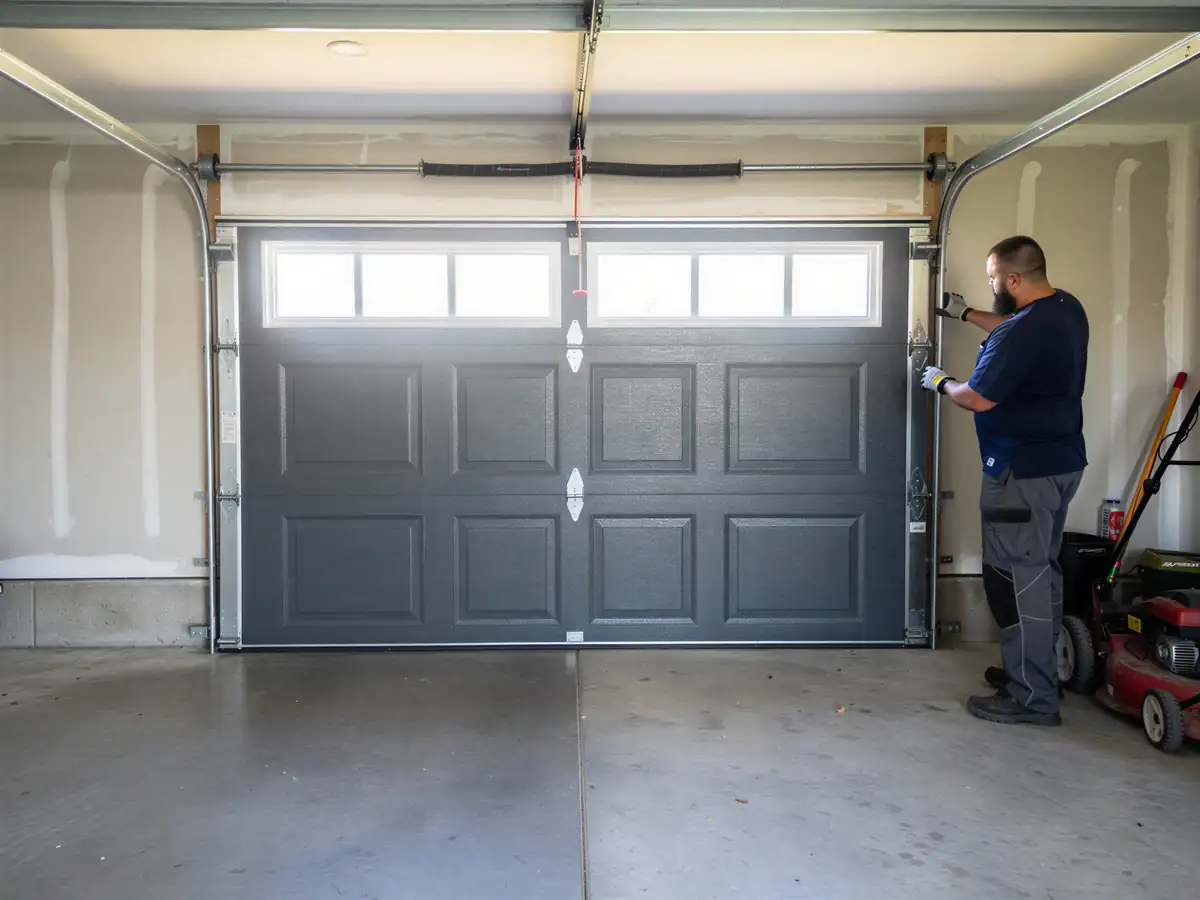
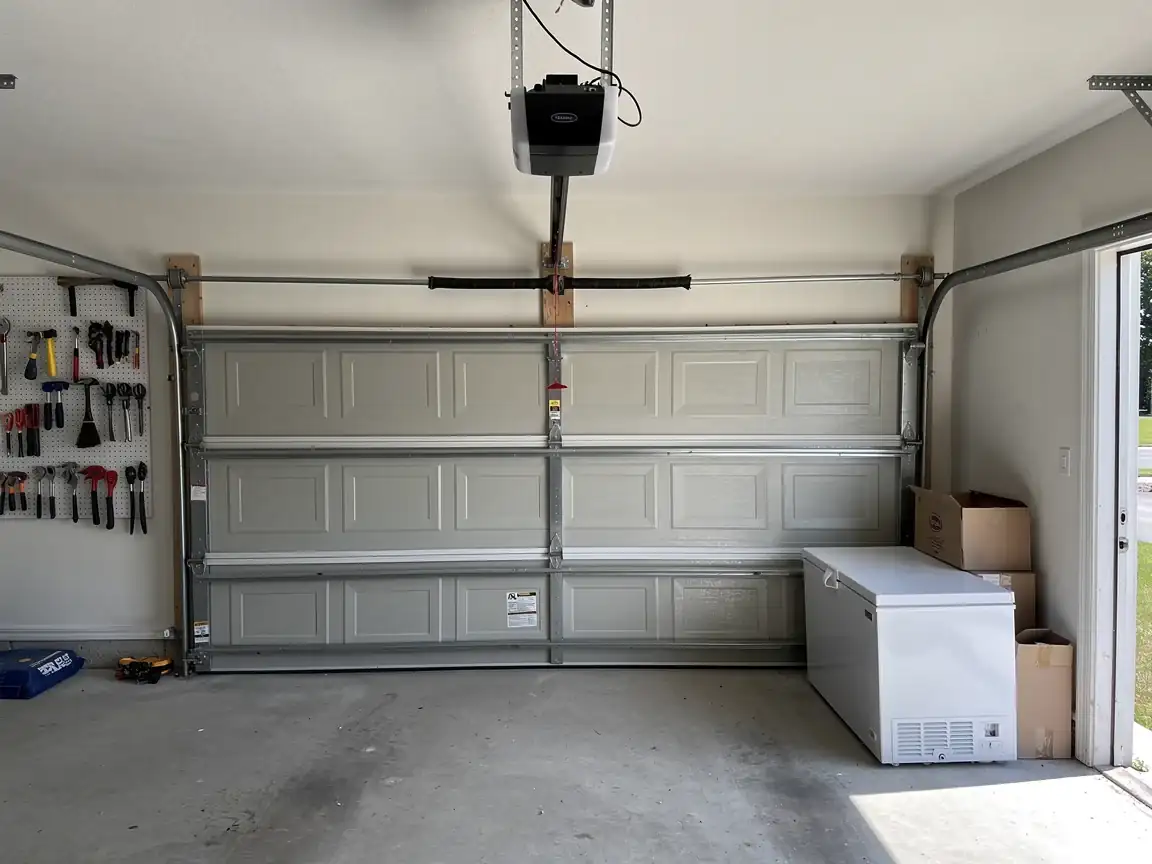
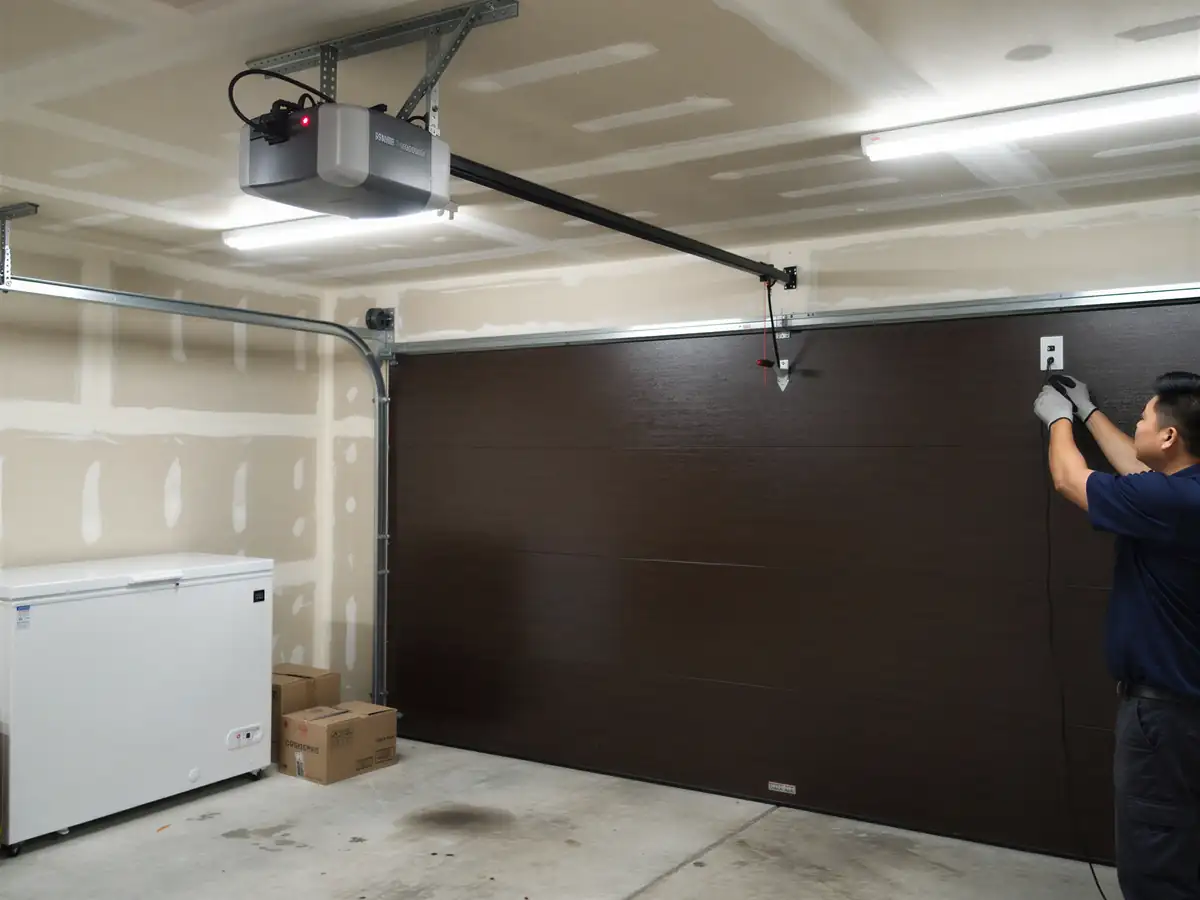
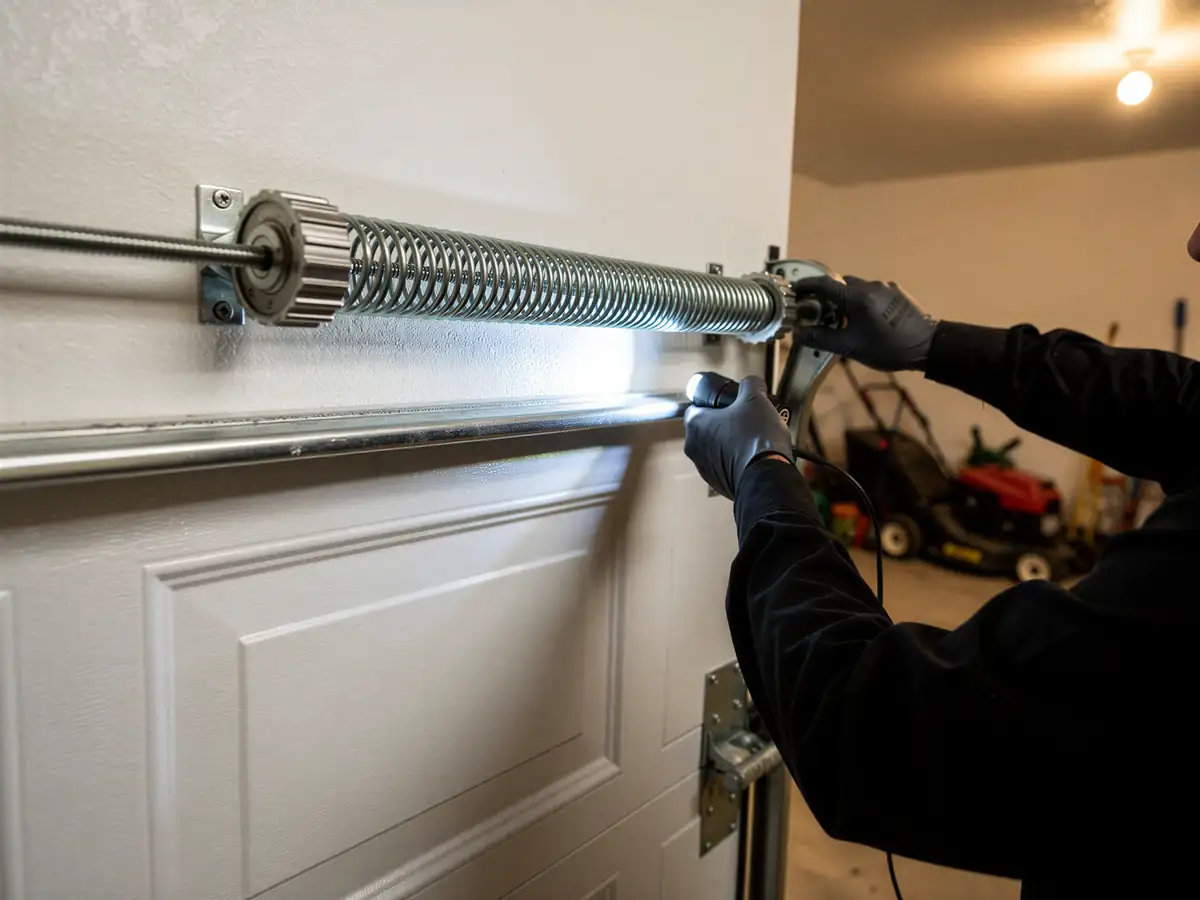
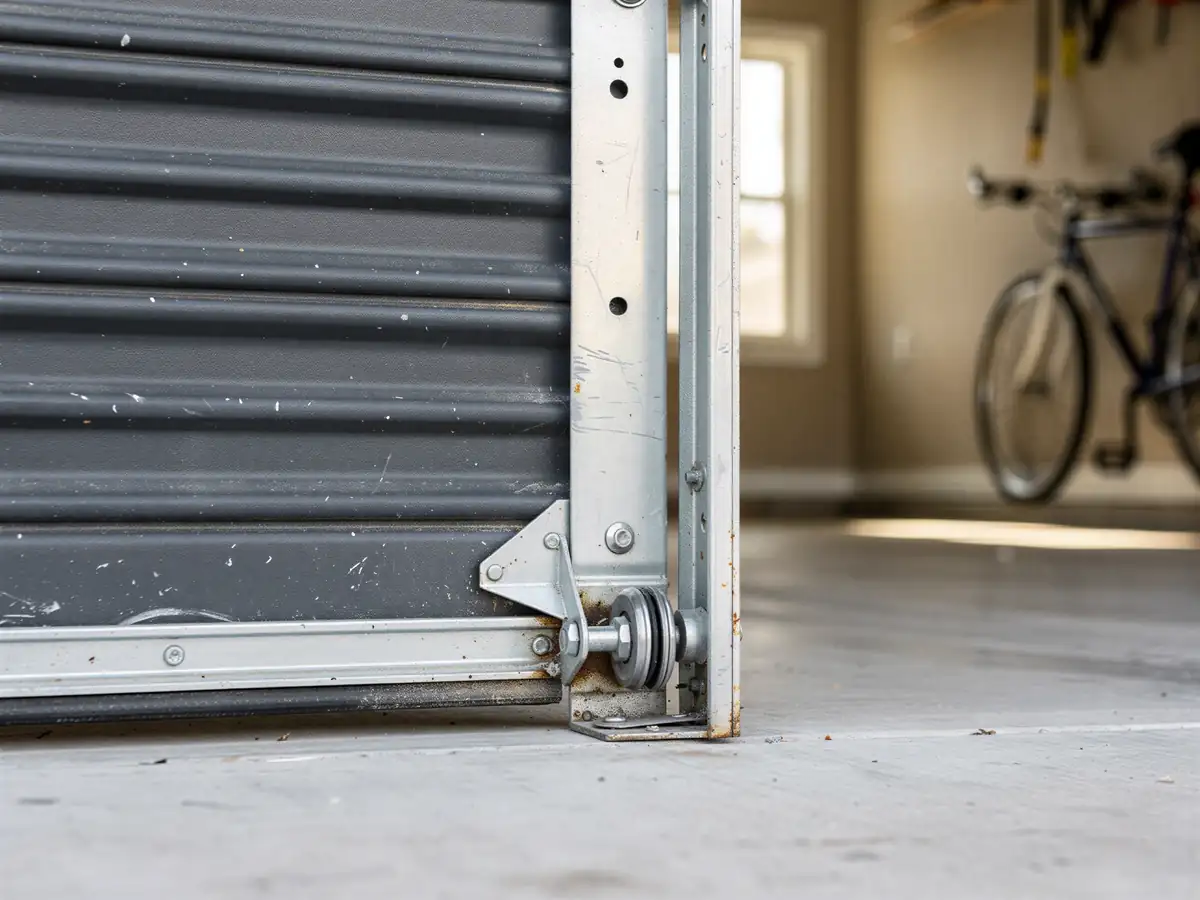
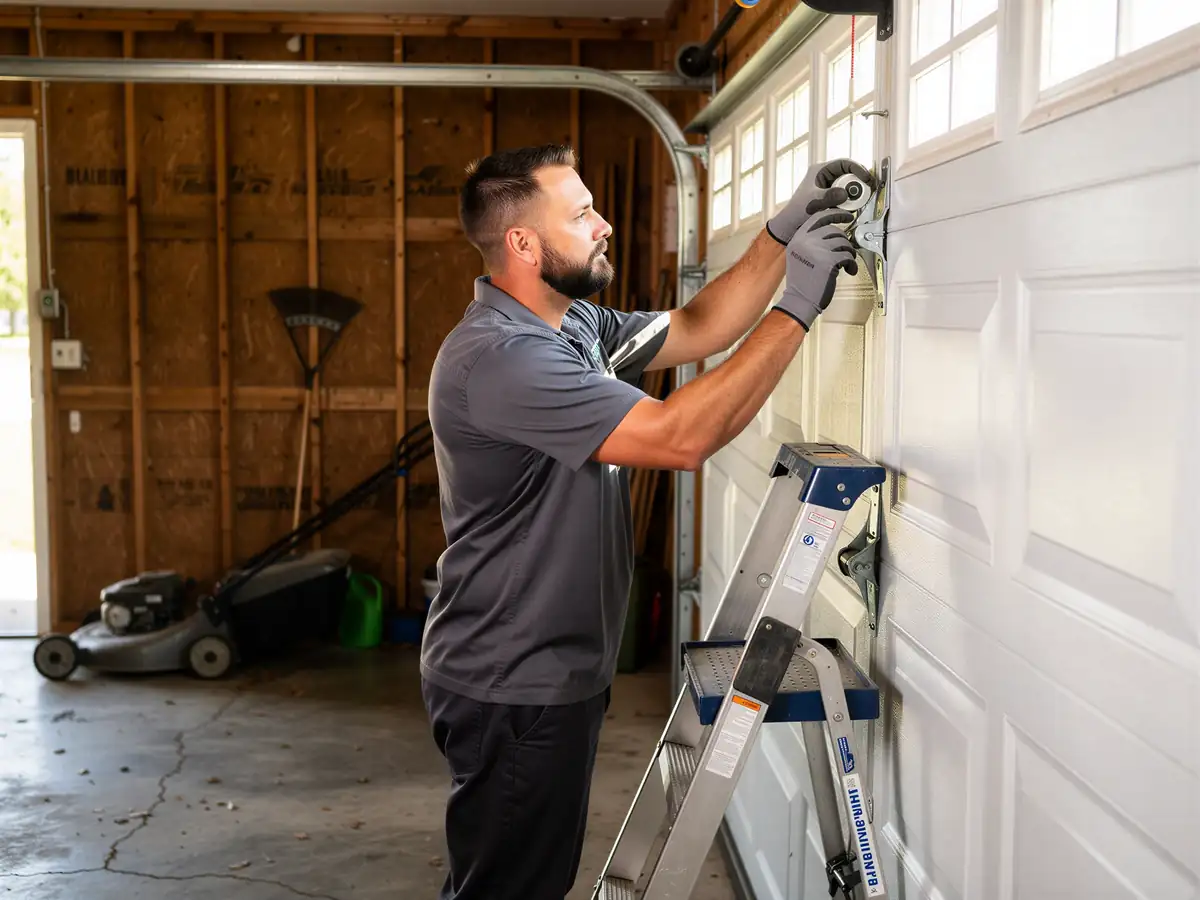
Tillmans Corner's housing stock centers on 1983, which puts most garage doors here on hardware from the early 1980s through the 1990s. That matters more than it sounds. Doors from this era were usually installed with extension springs running along the horizontal tracks rather than a torsion bar over the opening, and a lot of the original openers are chain-drive units that have been replaced once or twice already by the time we get a call. The panels themselves are often steel with a baked enamel finish that's held up fine, but the hinges and rollers on a 40-year-old door are usually the originals, and they wear out quietly until a cable jumps or a roller seizes in the track. If your house falls in that 1980s-90s build window, the fix is rarely the whole door. It's almost always the hardware doing the work the door was never designed to carry this long. We also see garages converted into living space or storage in homes from this period, which changes what's behind the door itself and sometimes means an opener still wired for a door that isn't there anymore.
What Neighbours Usually Call About
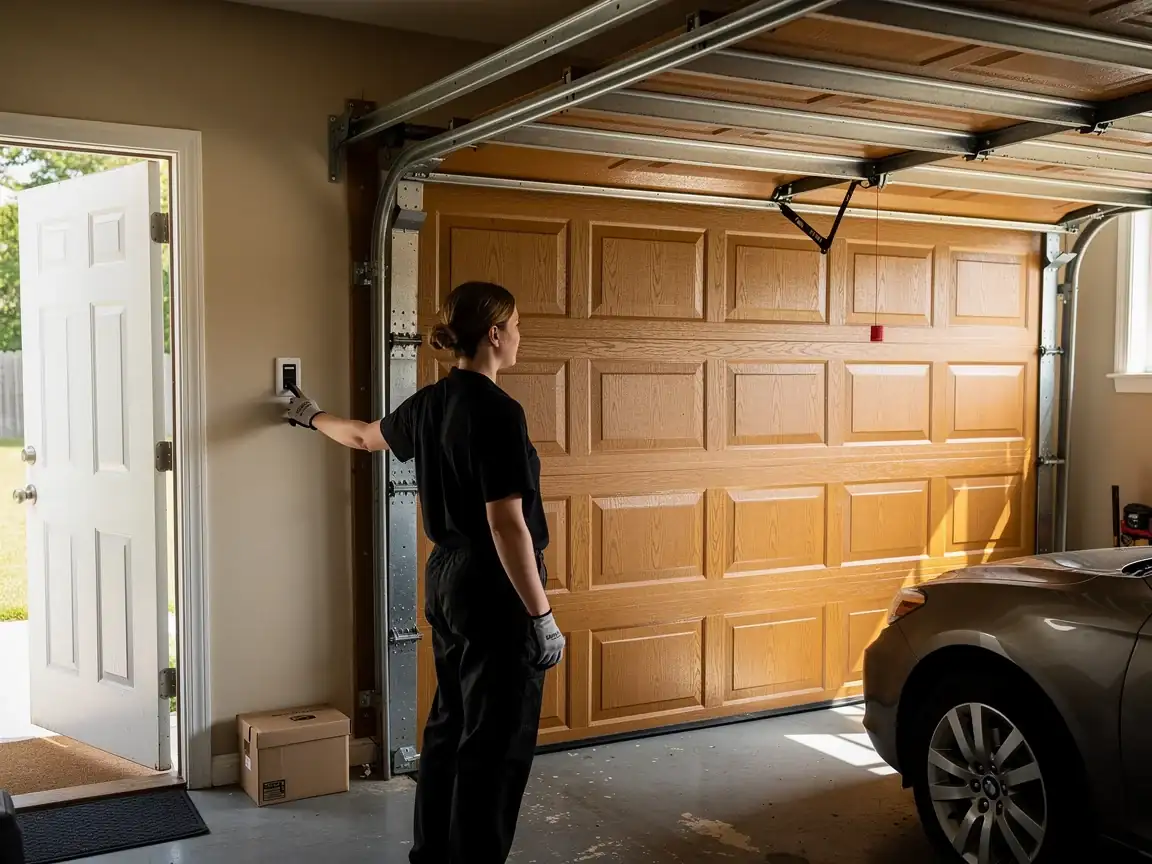
The calls from Tillmans Corner follow a pattern tied to that 1983 build median. Extension springs stretched past their rated cycle count, snapping a cable or letting a panel drop crooked on one side. Chain-drive openers from the 80s and 90s grinding instead of pulling, usually a worn gear or a chain that's stretched past adjustment. Steel rollers in metal tracks, original to the house, that have flattened a spot and now bind every time the door passes that point. We also hear from owners dealing with a door that reverses on its own or won't close all the way, which on a house this age is often a safety sensor added after the original install, not wired quite right, or a track that's shifted slightly out of plumb over four decades of settling. None of this is exotic. It's what happens to garage doors when they're pushing 40 years old and have been opened and closed somewhere in the range of ten thousand times.
The Houses Here
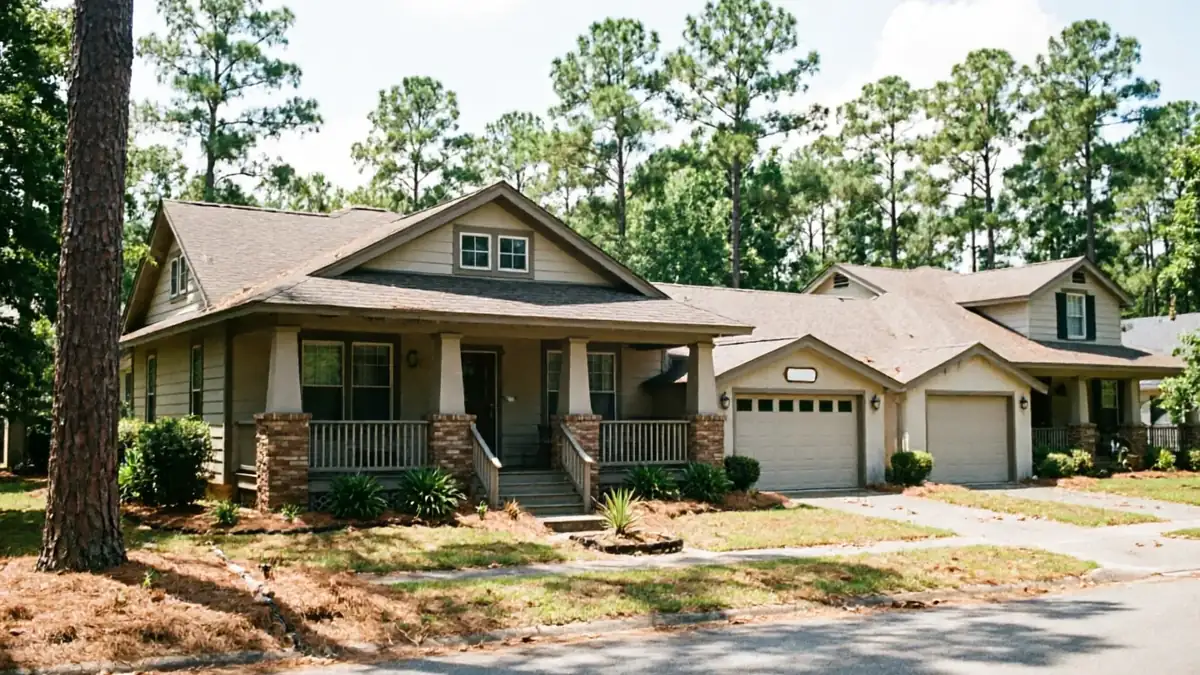
Tillmans Corner sits about 9 miles from our shop in Mobile, and the area's households - around 6,850 of them - skew toward that same 1980s-90s construction era as much of the wider service area. Median household income here runs around $52,249, which is lower than the broader Mobile service area figure, and it shapes the kind of call we get: owners looking to repair a working door rather than replace it outright, and rightly so when the door itself is still sound. The climate band here is mild with occasional freeze risk, which is kind to garage door steel compared to harsher regions, but humidity and the occasional hard freeze still take a toll on springs and lubrication over 40 years. We don't keep a depot in Tillmans Corner - we run out from Mobile - but the distance is short and the housing pattern here is consistent enough that we know what we're walking into before we open the toolbox.