The Symptom
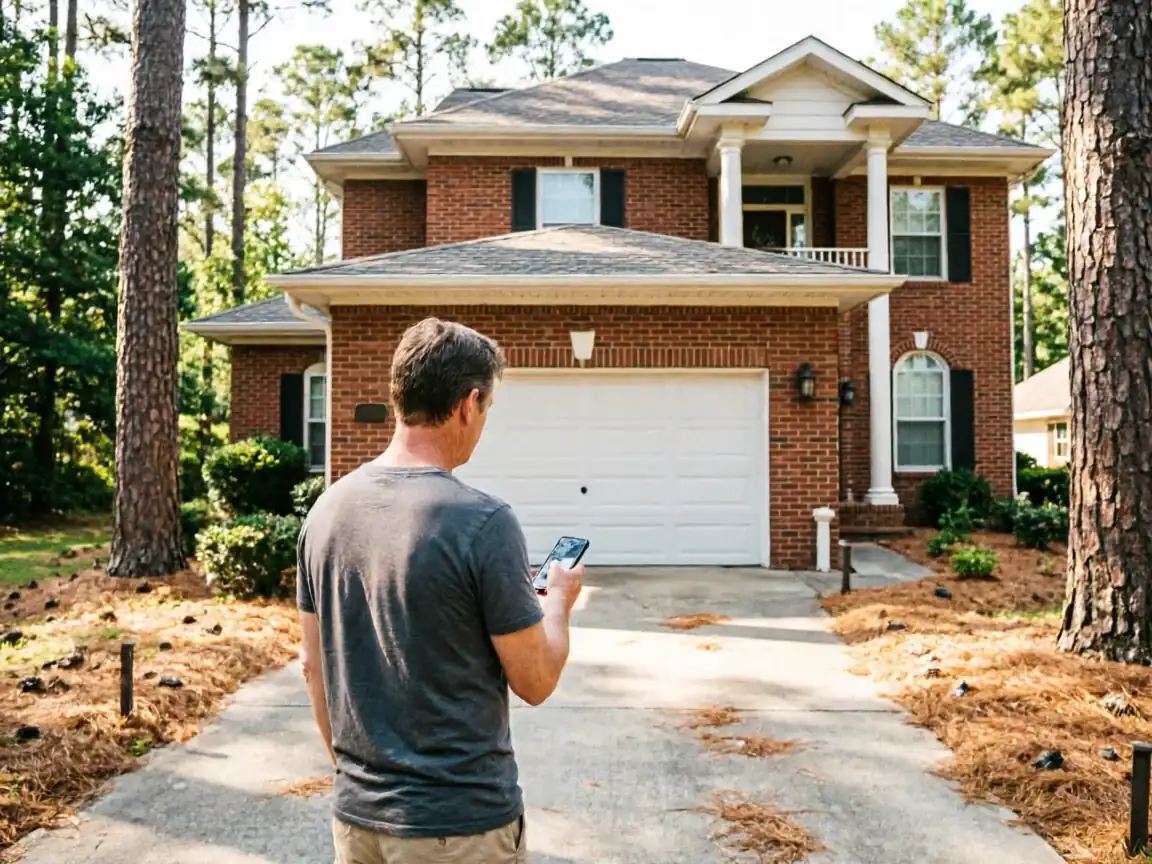
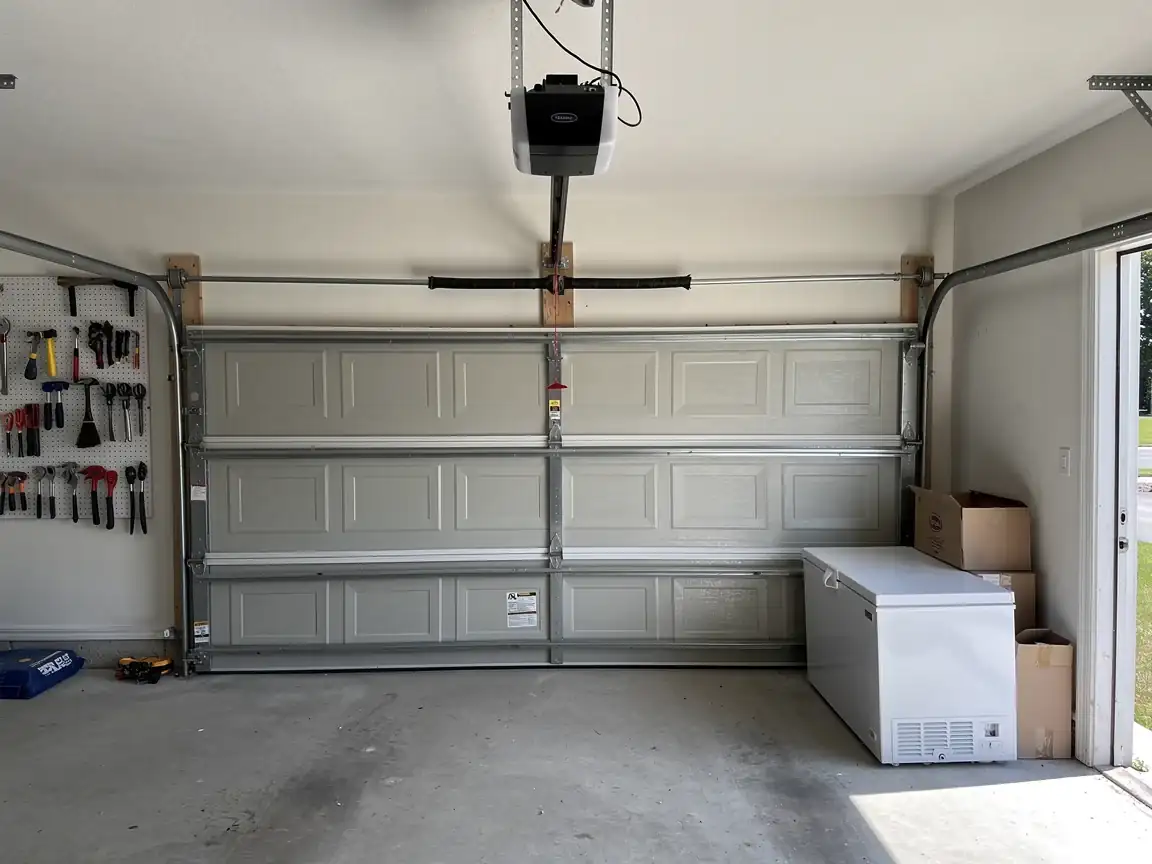
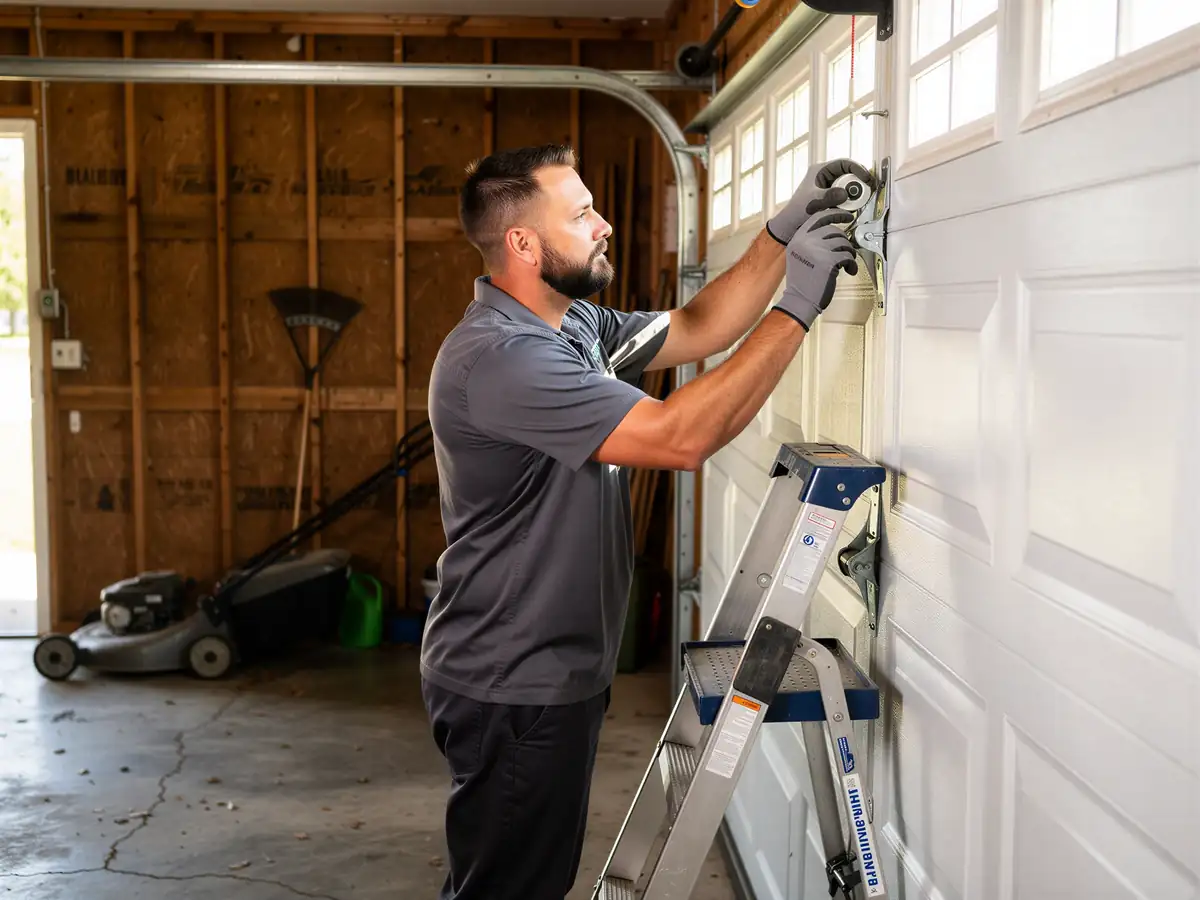
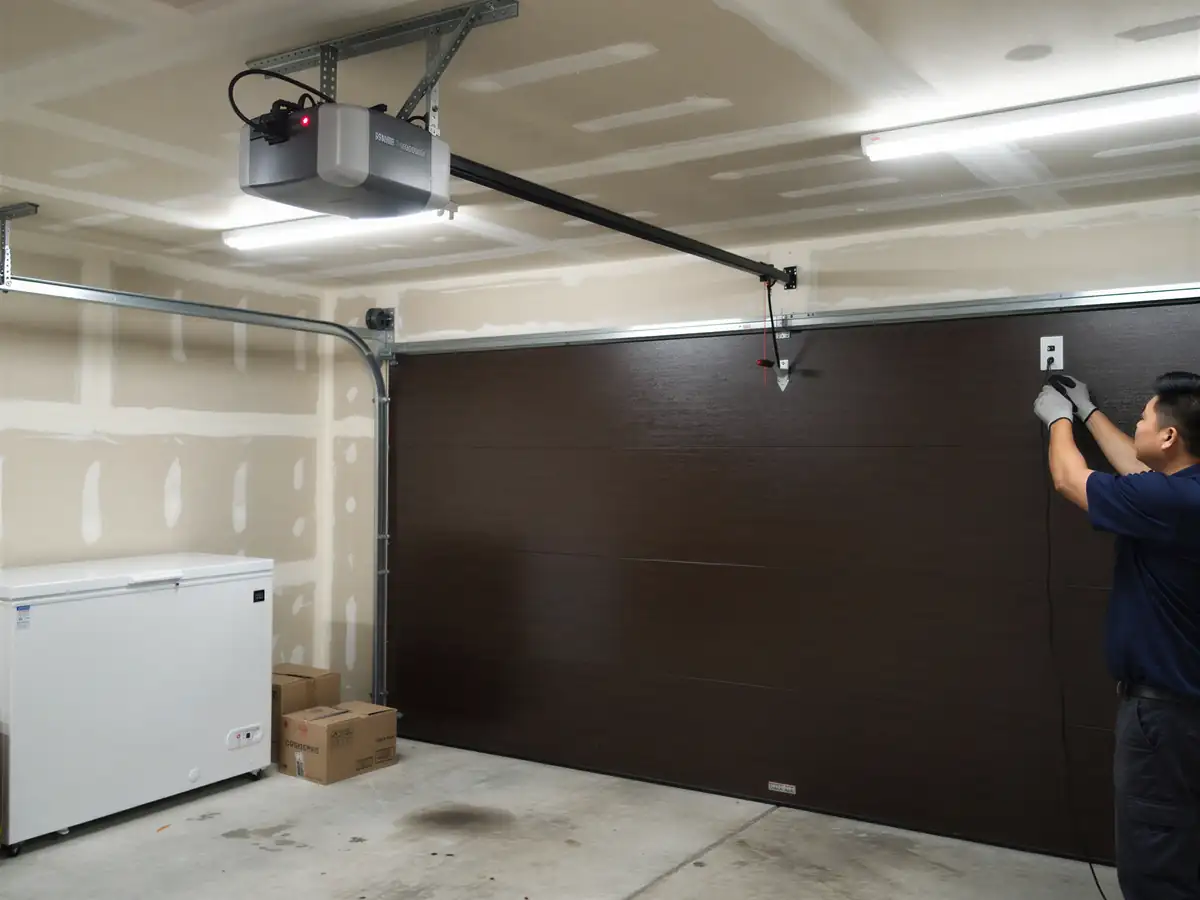
The usual call starts the same way: the opener hums, the light comes on, and the door doesn't move - or it moves an inch and stops. Sometimes it's a remote that used to work and now doesn't, or a chain that's gone loose and slaps the rail. In this part of the state, most houses were built between 1963 and 1999, with the median landing around 1983. That means a lot of openers out there are either the original unit from the build, or the first replacement installed sometime in the 80s or 90s when chain-drive units with no rolling code and no battery backup were standard. Those motors ran fine for decades, but the gear kits inside wear down, the capacitors go soft, and the logic boards don't support the safety reversal sensors required on anything made now. When a homeowner calls about a 'dead' opener, half the time the unit itself is fine - it's the drive gear or the circuit board that's failed, and on a unit that old, the part isn't worth sourcing. That's when installation, not repair, is the actual job.
The DIY Question
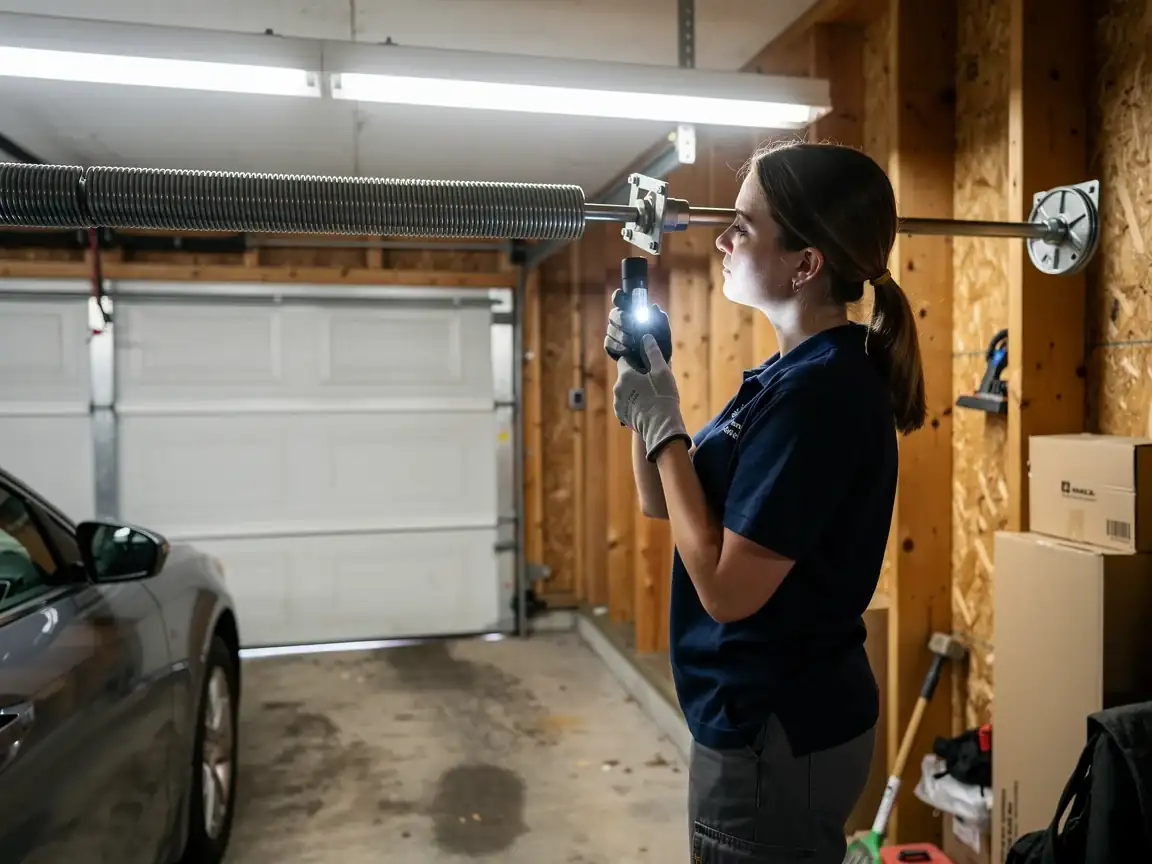
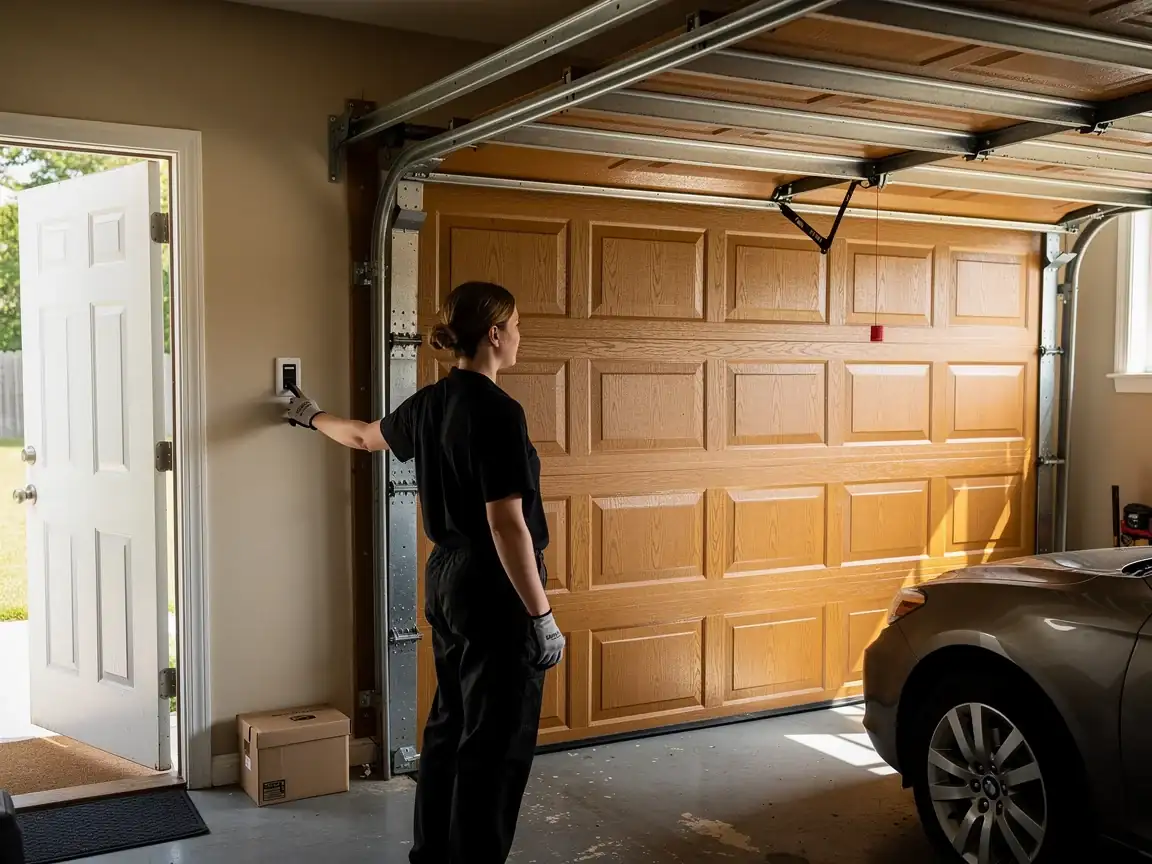
You can buy a box-store opener kit and mount it yourself if you're handy and have a weekend. The hard parts aren't the brackets - they're the travel limits, the force setting, and the safety reversal test, which has to be done correctly on every single install or the door won't stop on an obstruction like it's supposed to. On houses built before the mid-80s stock common here, you'll also sometimes find wiring that predates a dedicated garage circuit, which means the outlet nearest the opener wasn't built for it. That's not a step in the instruction booklet. Our honest limit: we don't talk someone through a wiring fix over the phone, and we won't install an opener on a track or door that's too far gone to hold it - if the door itself is the problem, installing a new motor on it just moves the failure point, it doesn't fix it. If you're comfortable with electrical work and your door and track are solid, a DIY install can work. If either of those isn't true, the labor is the cheap part of getting it wrong.
Why This Fails Locally
This isn't a problem unique to one street. Across the service area - 46,241 households, with 29,831 of those owner-occupied and a median household income of $62,318 - the housing stock runs heavily to that same 1963-1999 build window, consistent across the 13 named areas we work in. That means thousands of garages are running openers that are either original or one generation removed from original, built under electrical and hardware standards from decades before current code. Layer on the climate: mild with occasional freezes means the gear grease inside an old opener goes through more freeze-thaw and humidity cycling in a year than it would in a drier, more stable climate, even without hard winters. Humidity swells wood doors and tightens them against the track, which makes an aging opener work harder to pull the same door it always has - and that extra strain is usually what finally kills a motor that was already near the end of its life. The towns in this service area, from Chickasaw and Prichard in close to Grand Bay and Fairhope further out, share that same housing-age and climate pattern, which is why opener failures cluster by build era more than by any single street.