What the Housing Means for Your Door
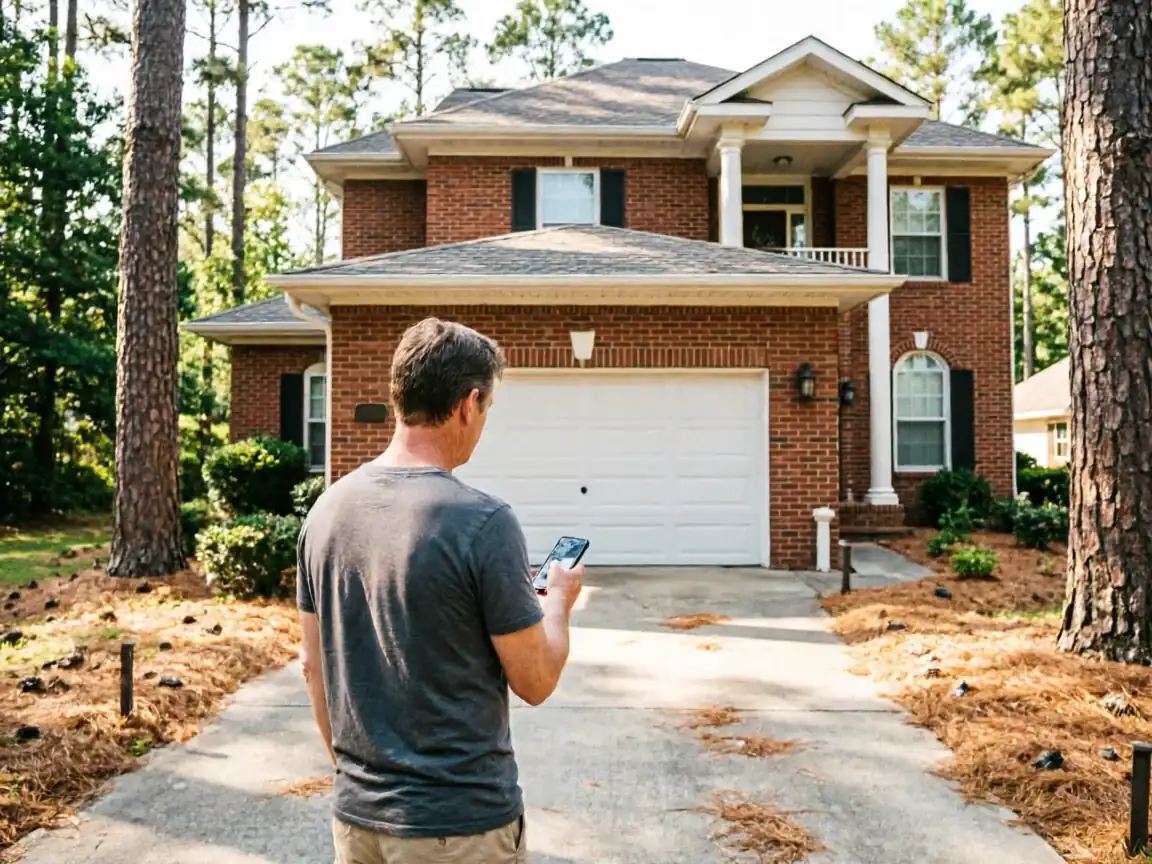
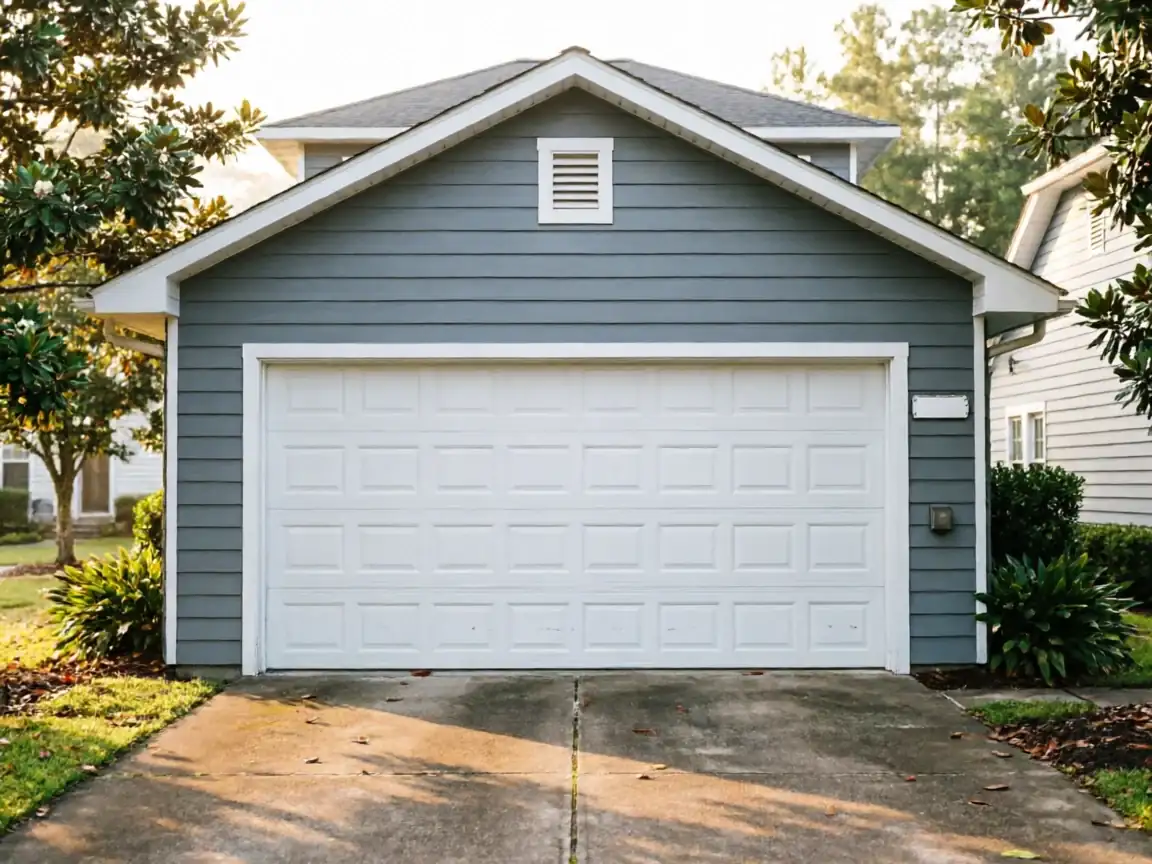
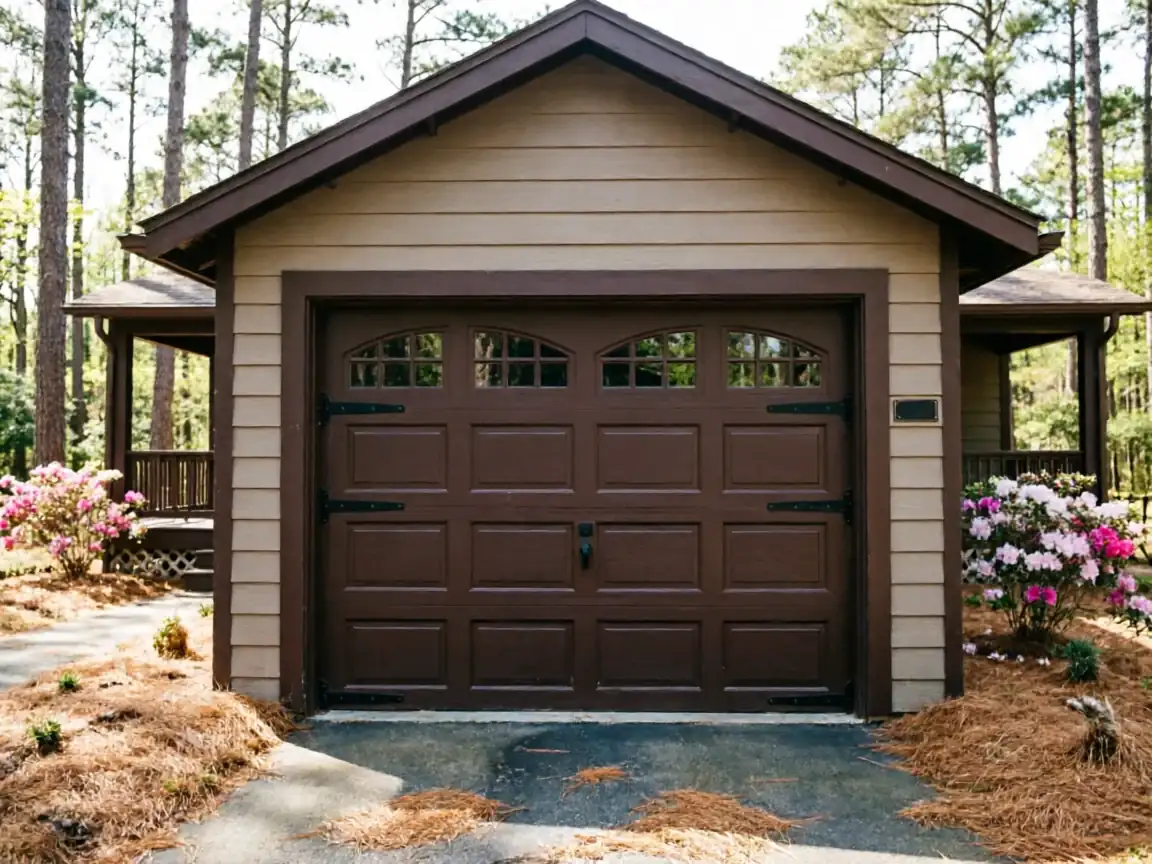
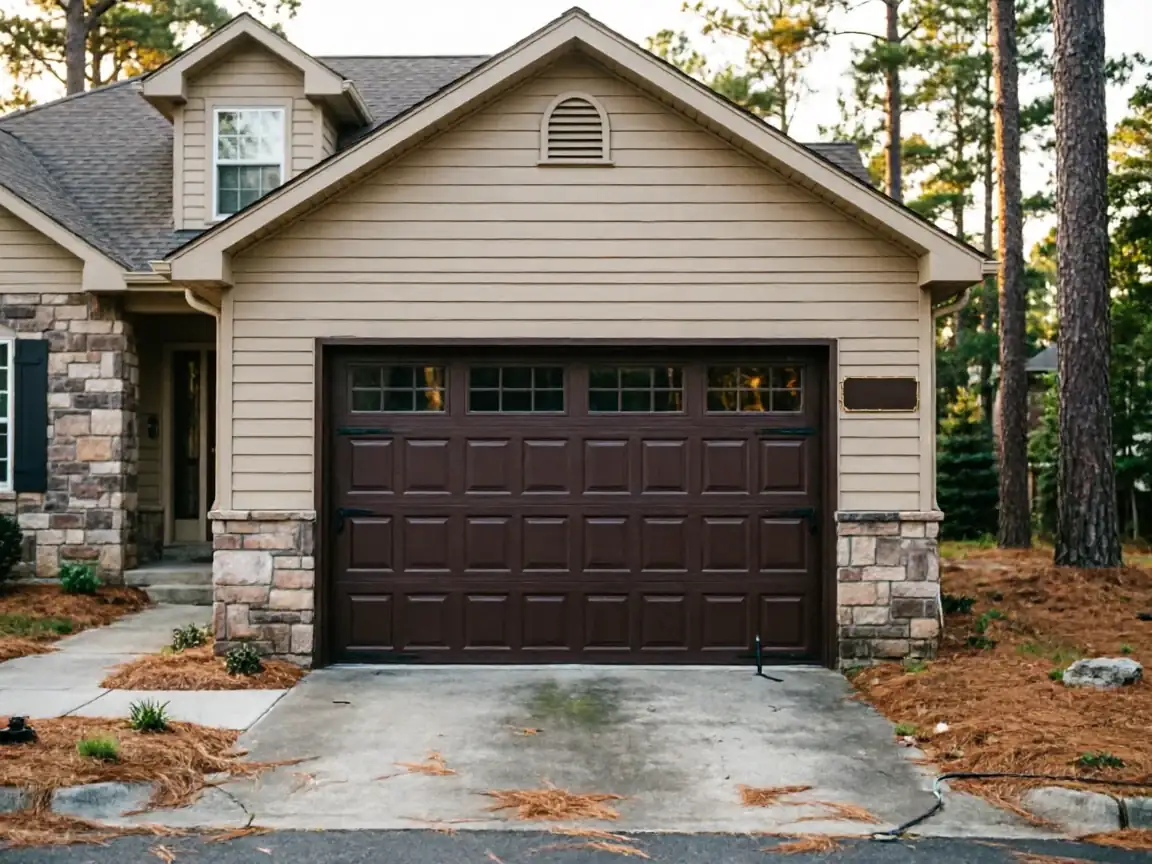
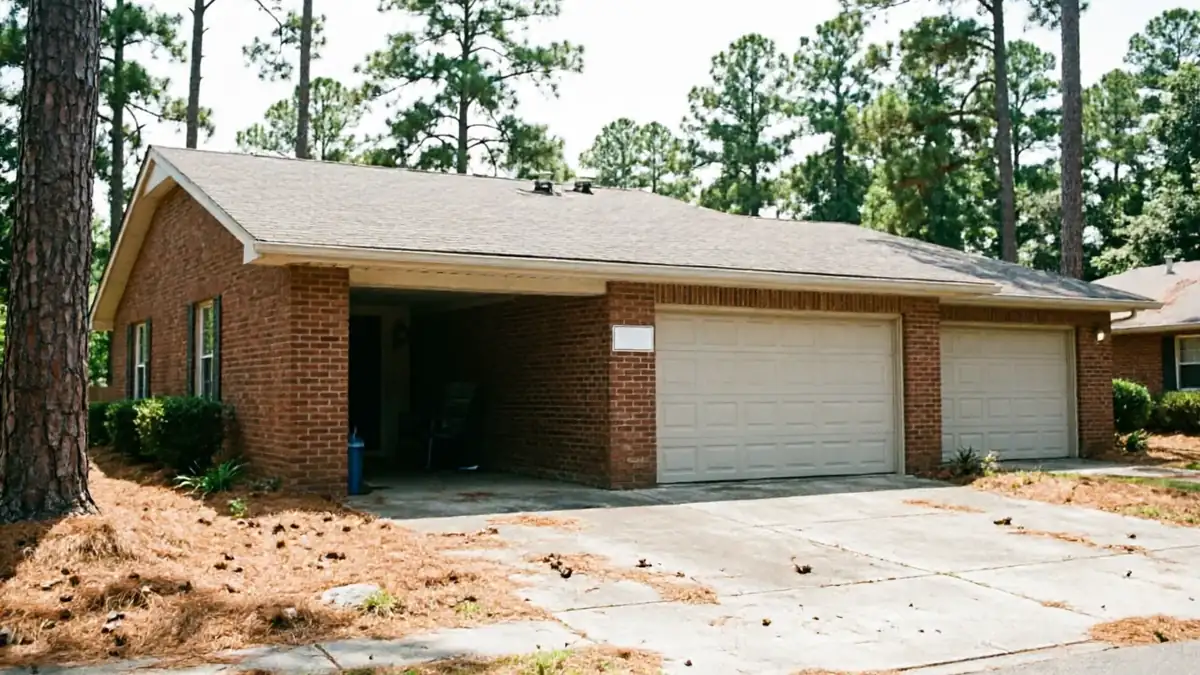
Satsuma's housing runs older than the service area's overall median. Most homes here went up around 1979, a few years ahead of the broader 1963-1999 stock the company covers from Mobile. That gap matters more than it sounds like it should.
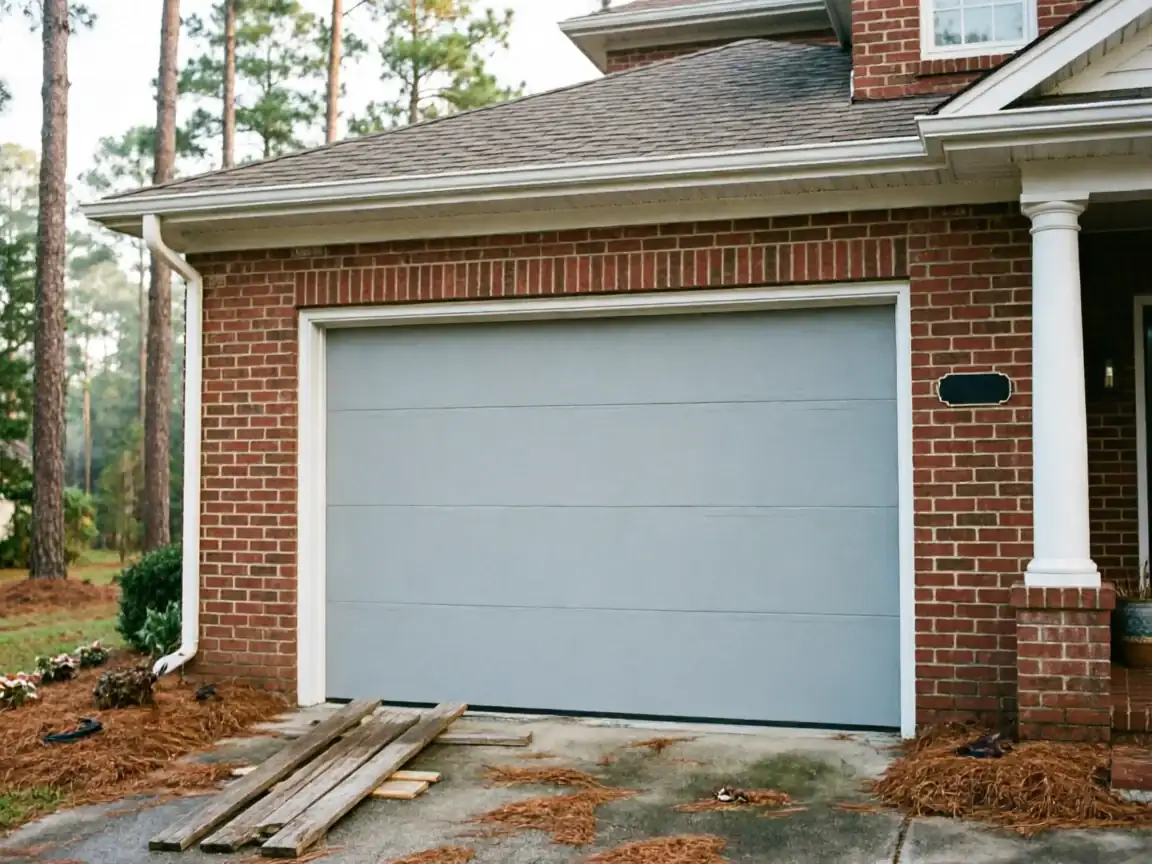
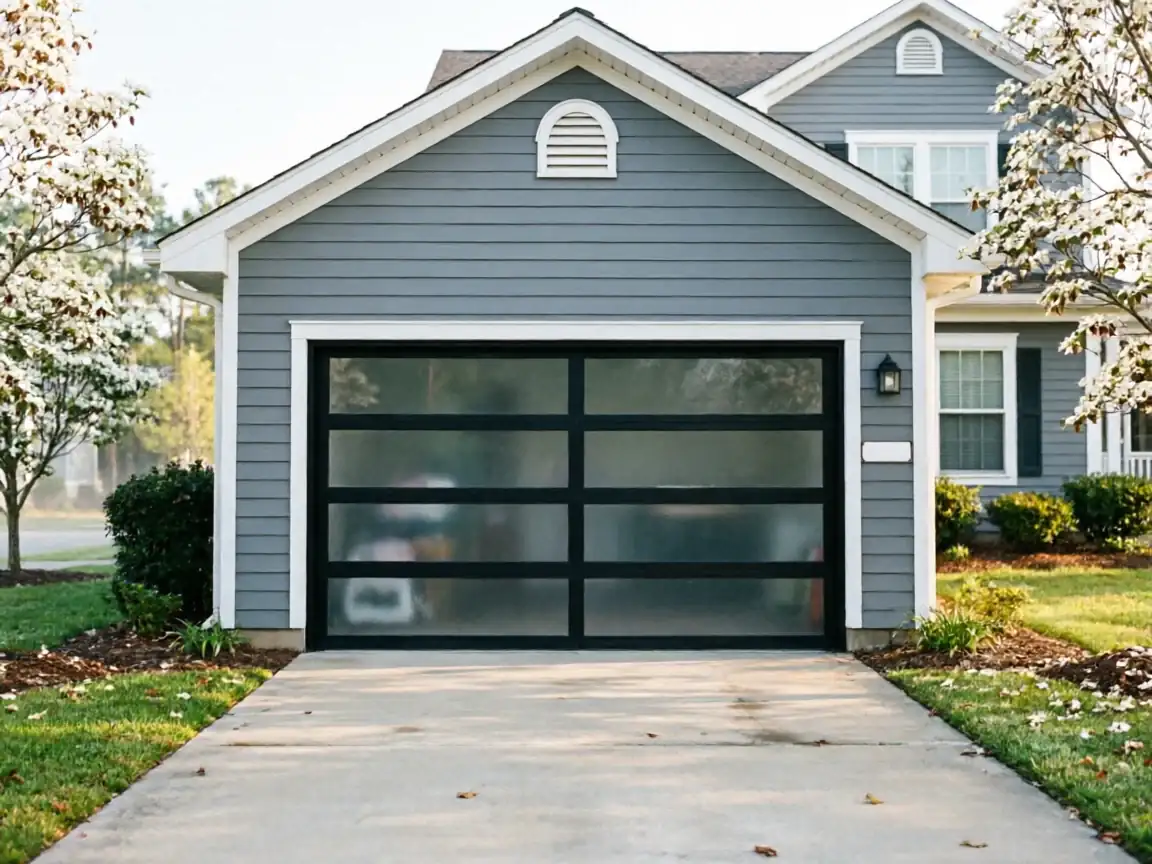
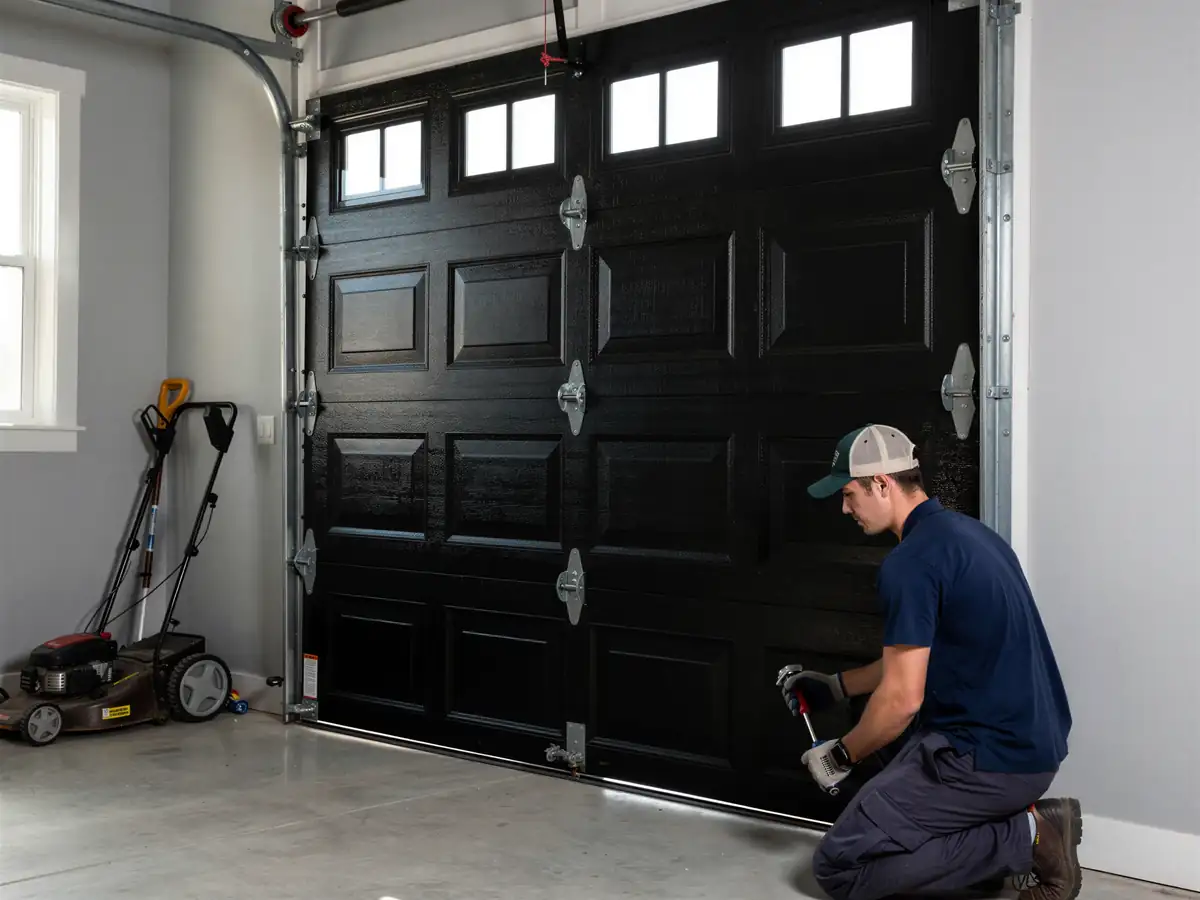
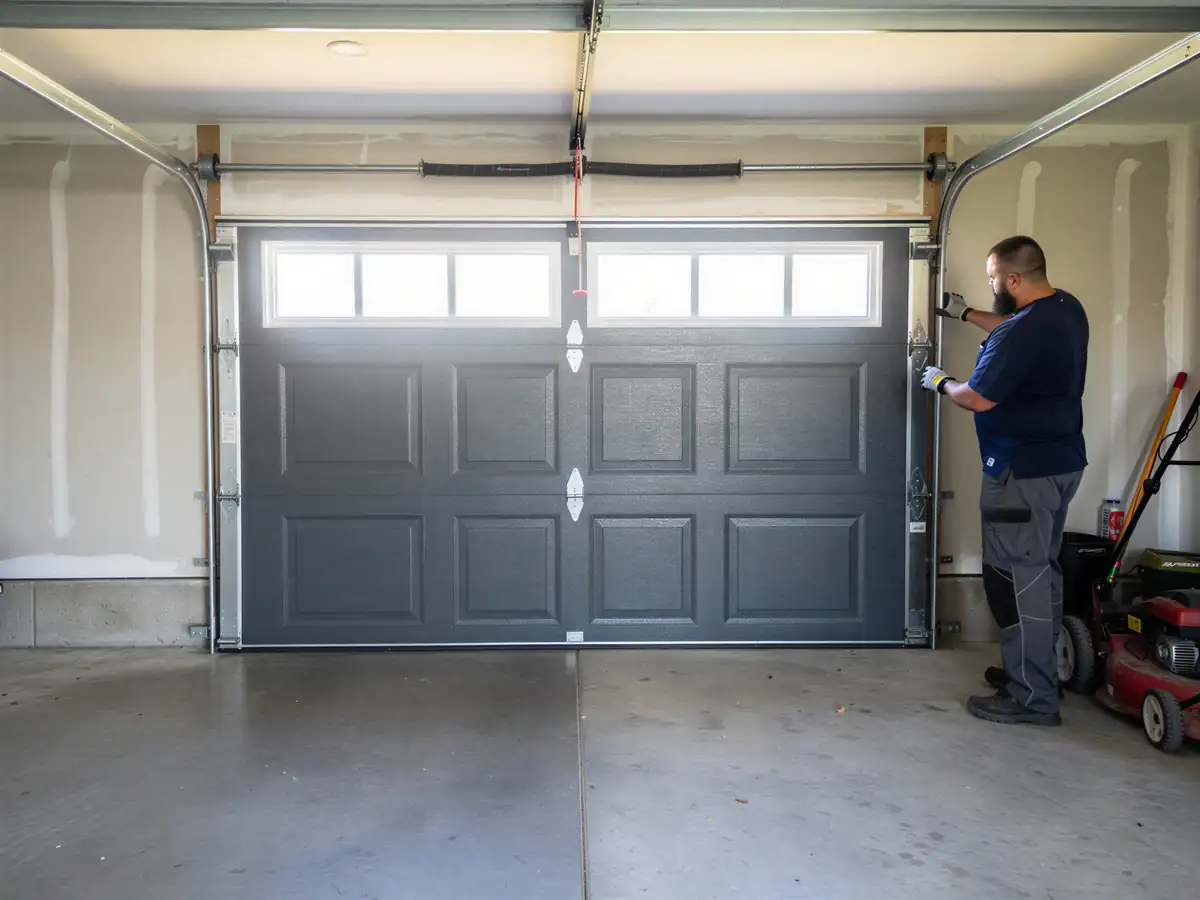
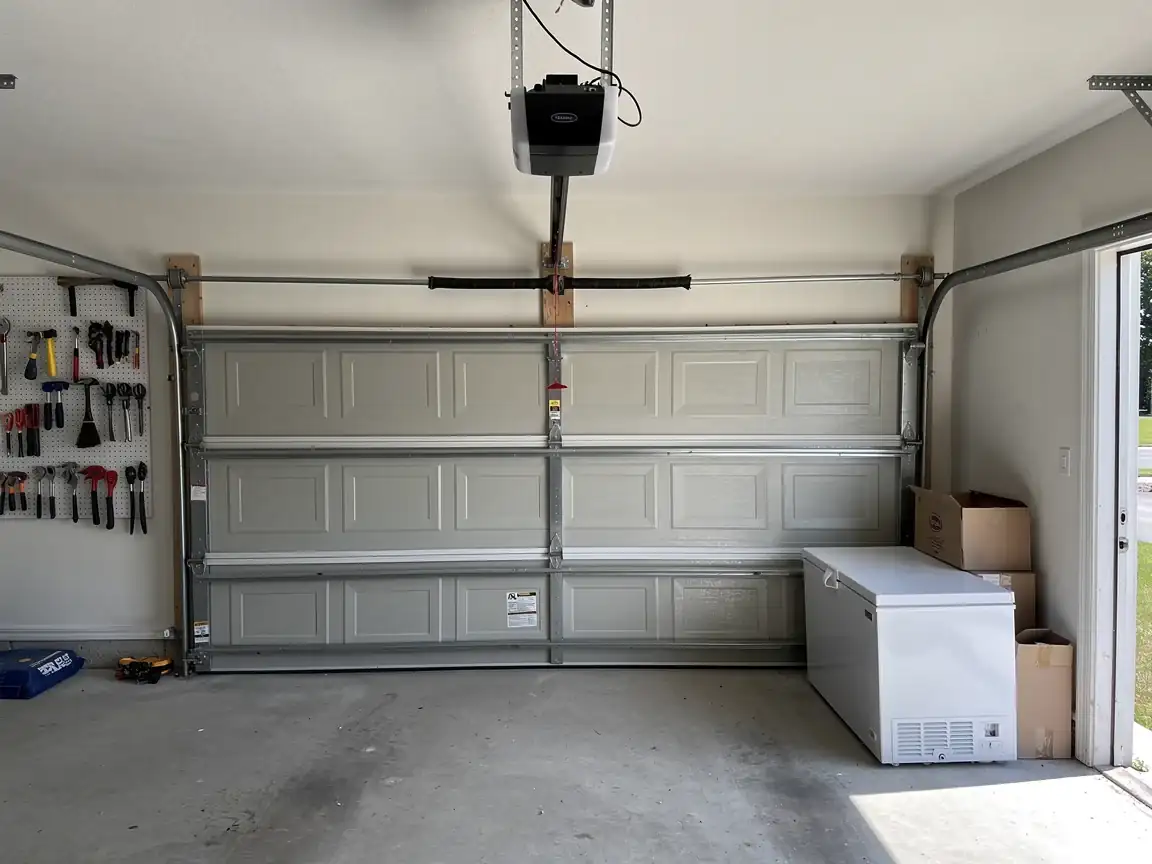
A door installed in a 1979 build has usually been replaced at least once by now, but the opener bracket, the track spacing, and sometimes the header clearance were all set to that era's standards. When a homeowner swaps in a modern steel door or a new opener without checking those original dimensions, you get doors that bind on the track or openers that strain against hardware they were never sized for.
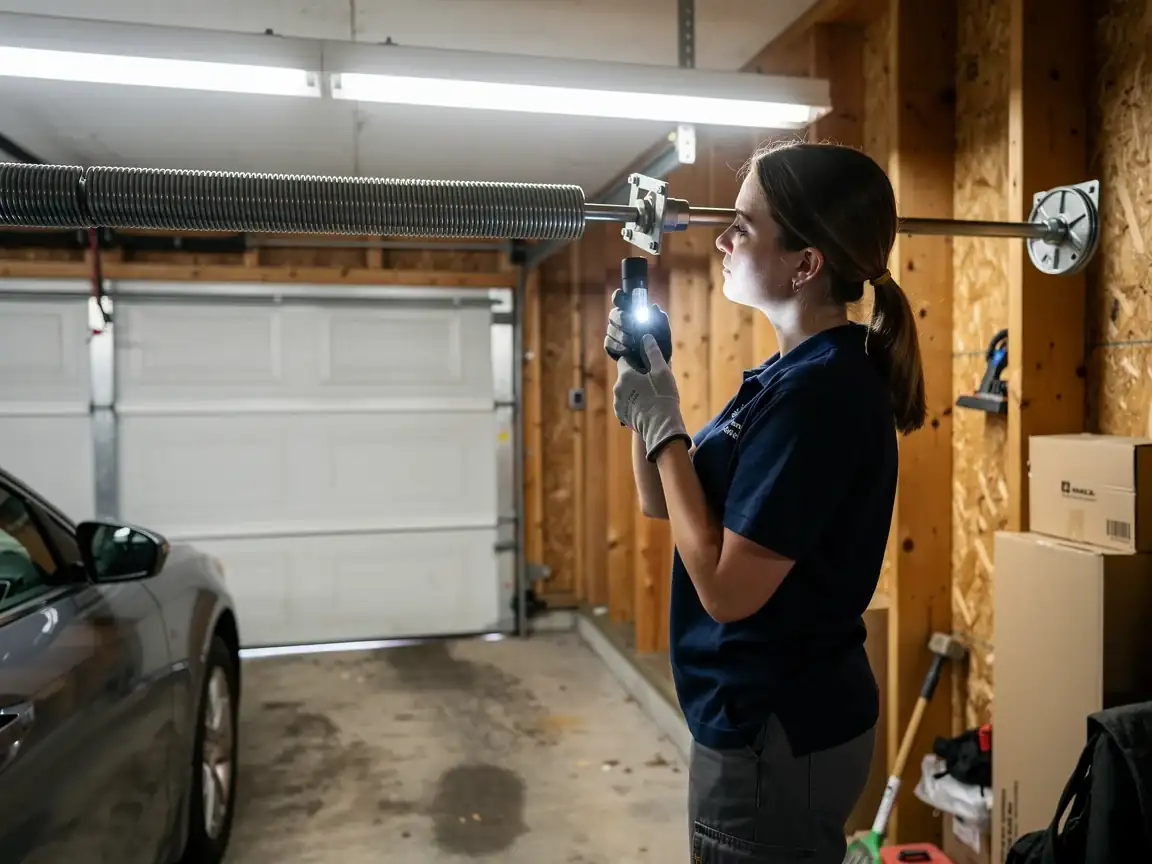
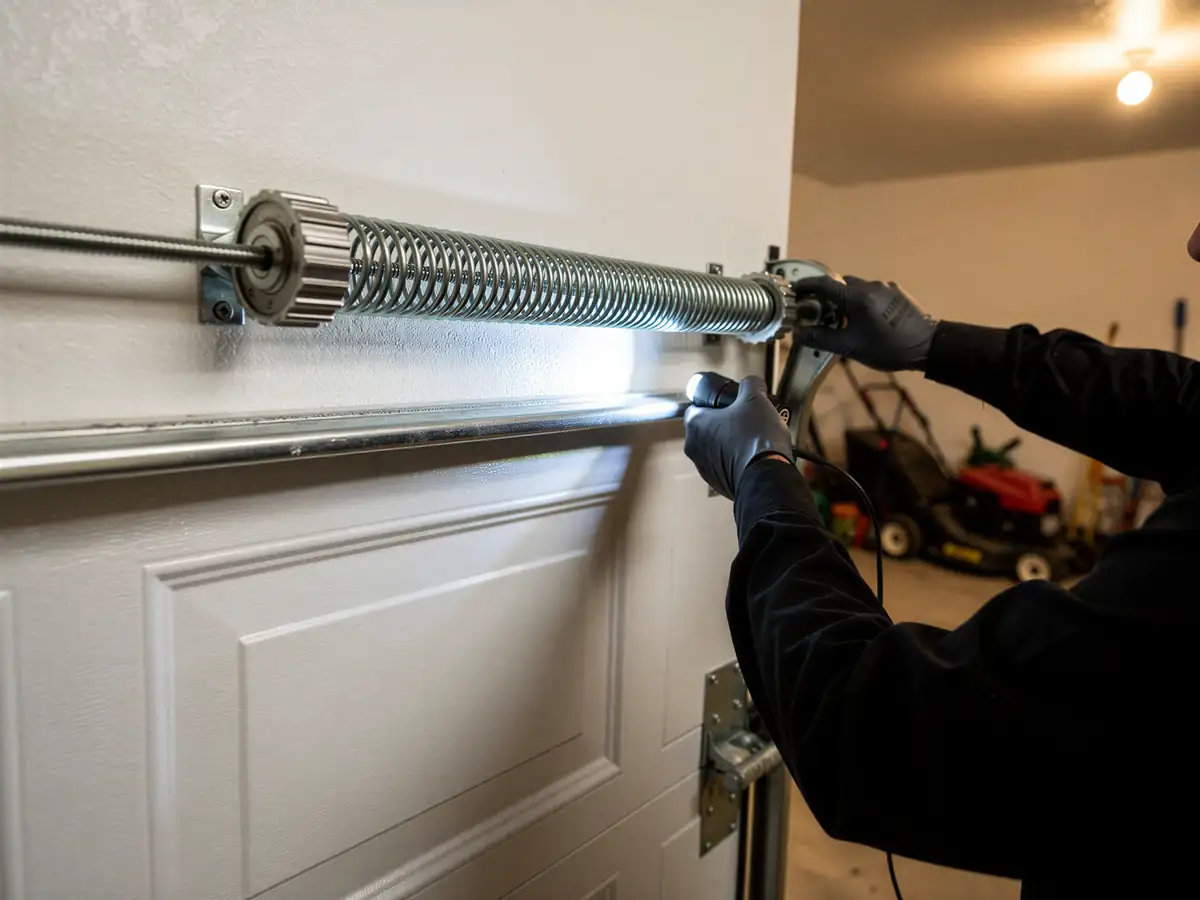
We also see a fair number of original torsion setups still in place, just aging out. Springs from a build that old are well past any reasonable cycle count, even if they look fine sitting there. We don't guess on that call from the truck - if the spring's original to the house, it gets replaced on the spot rather than patched.
The one limitation worth saying up front: we travel to Satsuma from Mobile, about 13 miles out. We don't keep a stocked trailer sitting in the area, so an unusual panel size or a discontinued track part may mean a second trip once it's ordered in.
What Neighbours Usually Call About
The calls we get from this side of the county tend to follow a pattern tied to the age of the stock. Torsion springs that finally let go after decades of use are the most common - usually the giveaway is a door that won't lift past a foot or two, or a loud bang from the garage followed by the door refusing to move at all.
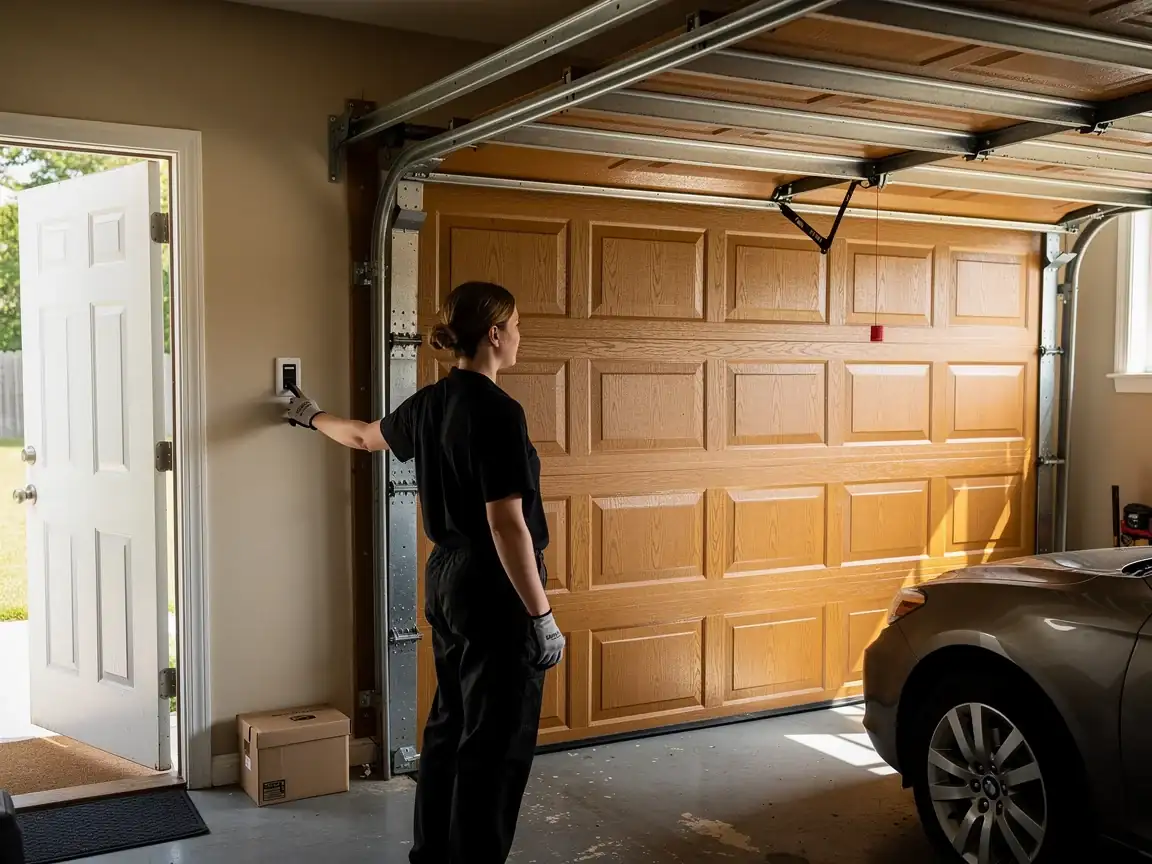
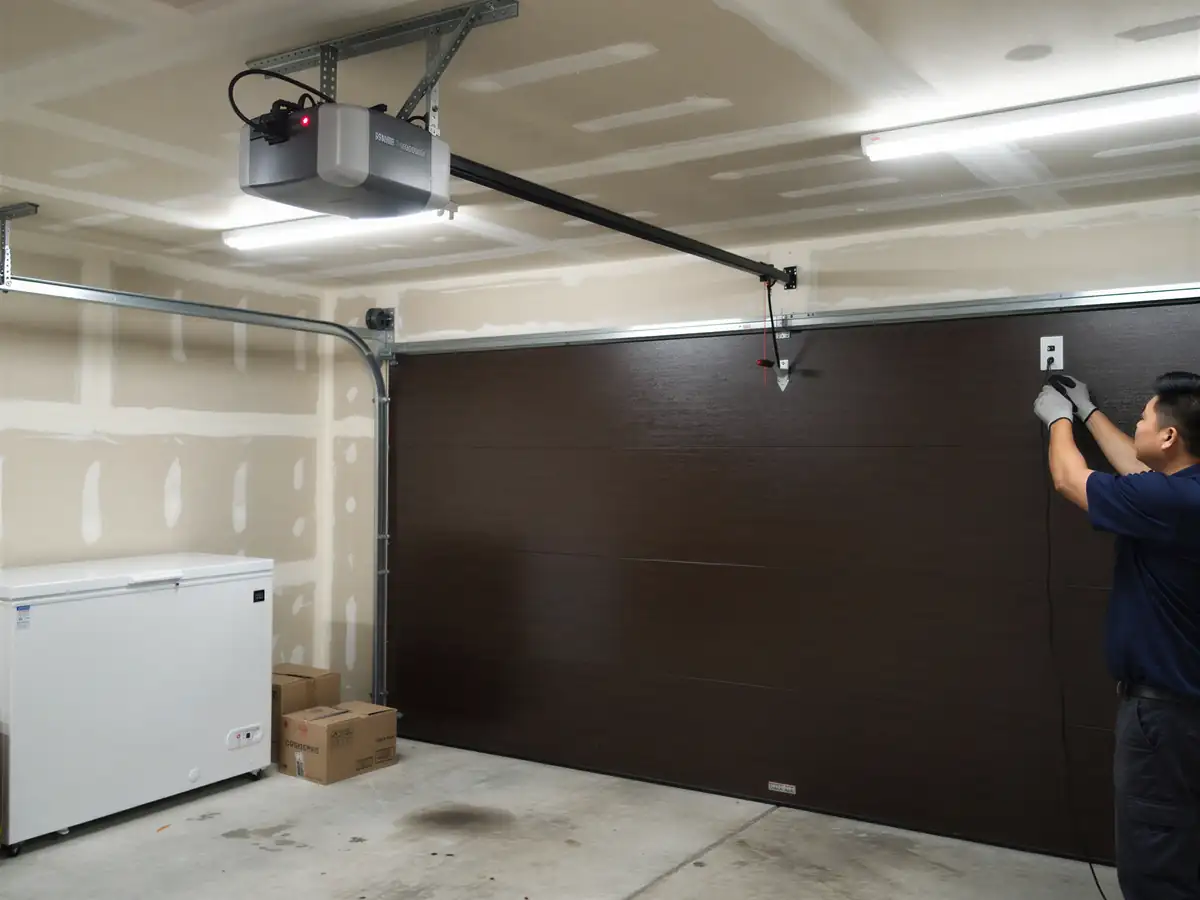
Second most common: openers installed as upgrades sometime after the original build, now reaching the end of their own service life, with worn gears or a motor that runs but doesn't engage the chain or belt properly.
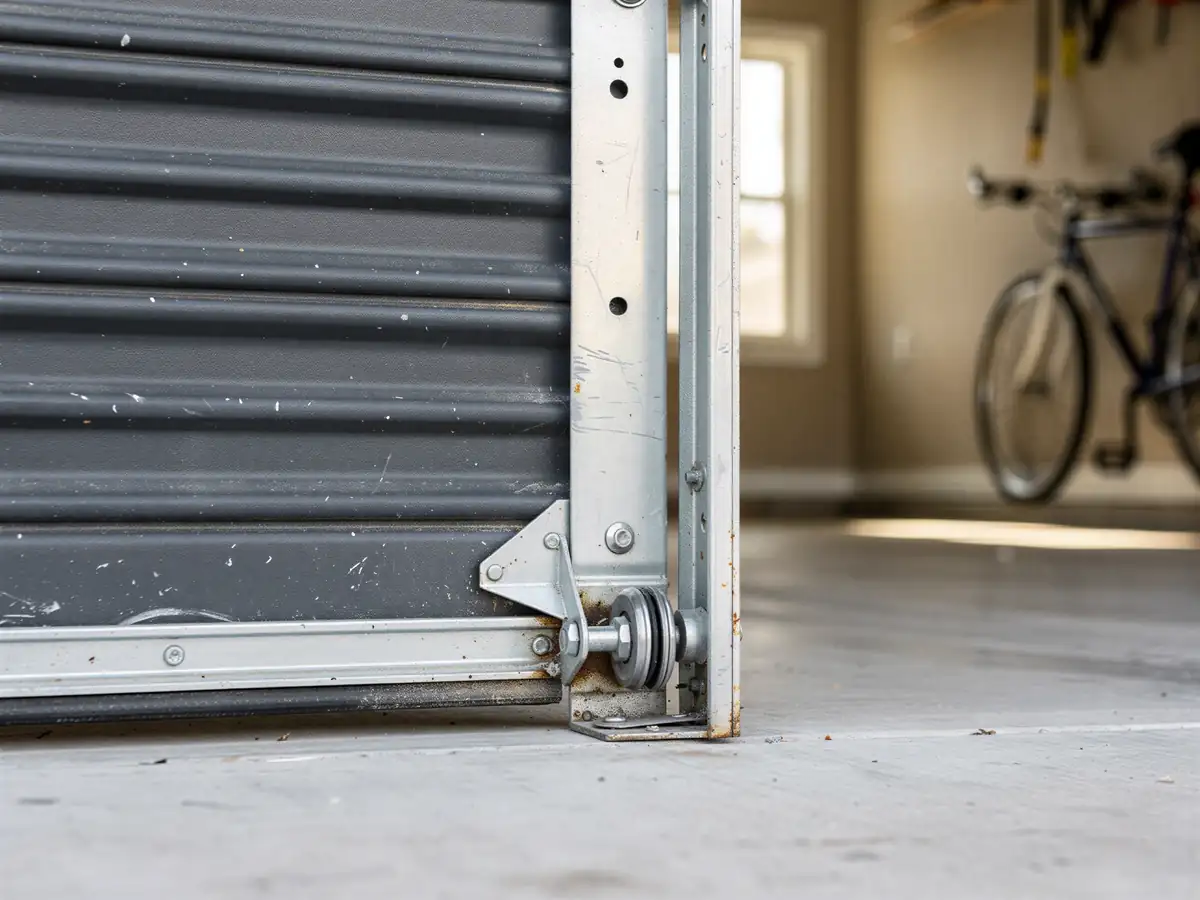
Rollers and cables on original tracks come up often too, especially where the door itself was never swapped out, just serviced piecemeal over the years. A sagging bottom panel, a cable that's frayed at the drum, a roller that's chipped and binding - all signs of hardware that's simply run its course rather than failed outright.
Satsuma's median household income, at $97,550, runs well above the broader service area's $62,318 figure. In practice that means more homeowners here choose full opener and spring replacement over patch repairs when a door starts showing its age, rather than nursing it along another year.
What We Do Most in This Area
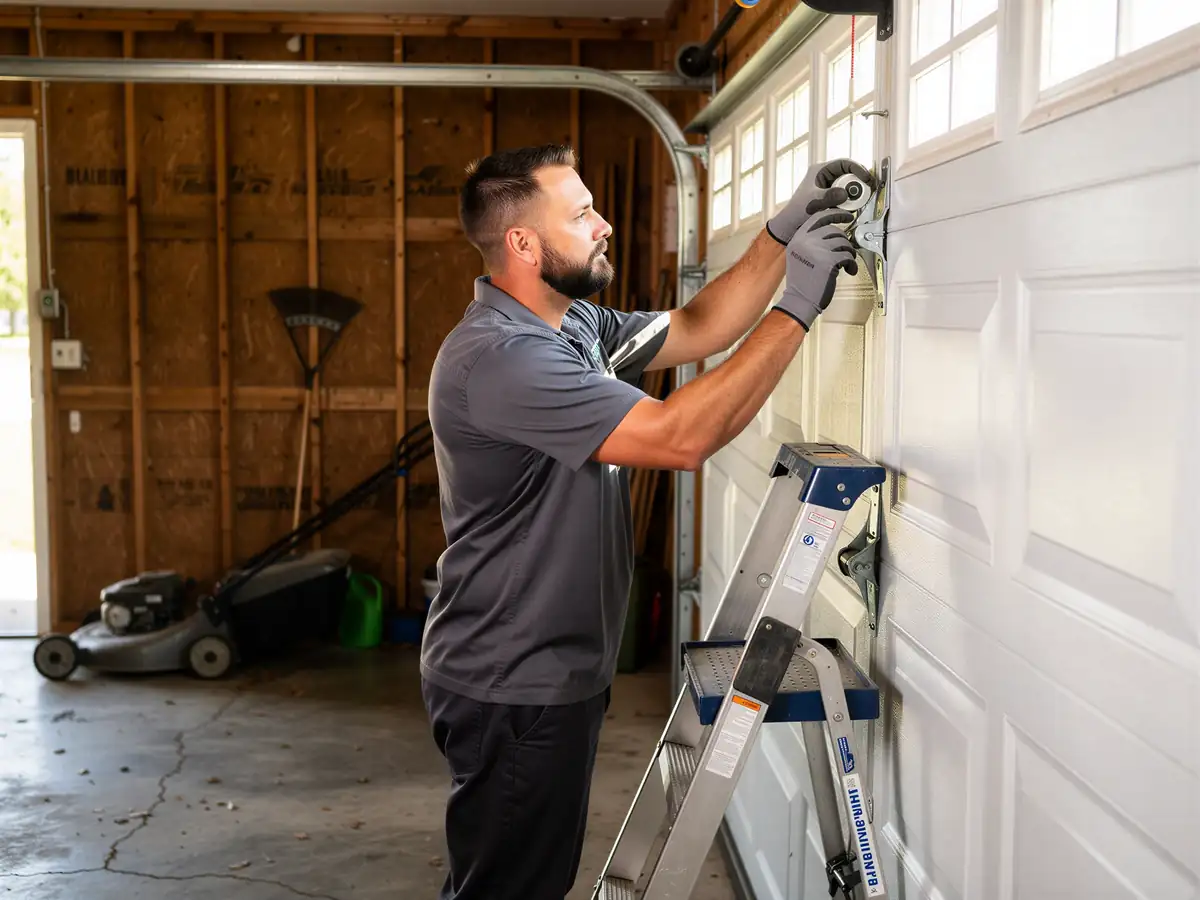
Spring replacement is the job we do most often when we're out this way
Specifically torsion springs on doors that are original or close to it. Given the 1979 median build year for the area, a lot of hardware is simply at or past the point where replacement makes more sense than repair.
Opener swaps come next
Many homes have a second-generation opener by now - not the one that came with the house, but a replacement installed sometime in the 80s or 90s that's since worn out its gears or chain tensioner. We size the new unit to the existing track and header rather than assuming a standard fit, since older framing doesn't always match current opener specs out of the box.
We also handle track and roller work on doors that haven't been fully replaced
And panel repair where a section has taken damage but the rest of the door is sound enough to keep.
One thing we don't do here: same-day emergency dispatch guaranteed
Since the shop is in Mobile, 13 miles from Satsuma, we schedule based on the day's route rather than promising an arrival window we can't back up from that distance.
- 13 miles
The Houses Here
With roughly 2,443 households in Satsuma, the housing stock reads older and more uniform than much of the wider Mobile service area, which runs from 1963 up through 1999 construction with a median of 1983. Satsuma sits a few years ahead of that line at 1979, putting a larger share of its garage doors and openers into the category where original hardware is either gone or close to it.
The climate here is mild with occasional freeze risk, which is kinder to doors than a harsher climate would be - less expansion and contraction stress on panels and seals than you'd see further north. That's part of why so much original hardware has lasted as long as it has; it's not that it was built better, it just hasn't been pushed hard.
What that means for a homeowner: if your door or opener hasn't been touched since the house was built or shortly after, it's carrying more hours than the number on the calendar suggests. We'd rather tell you that plainly during a call than let a worn spring or a tired opener motor fail at a bad moment.