The Complications
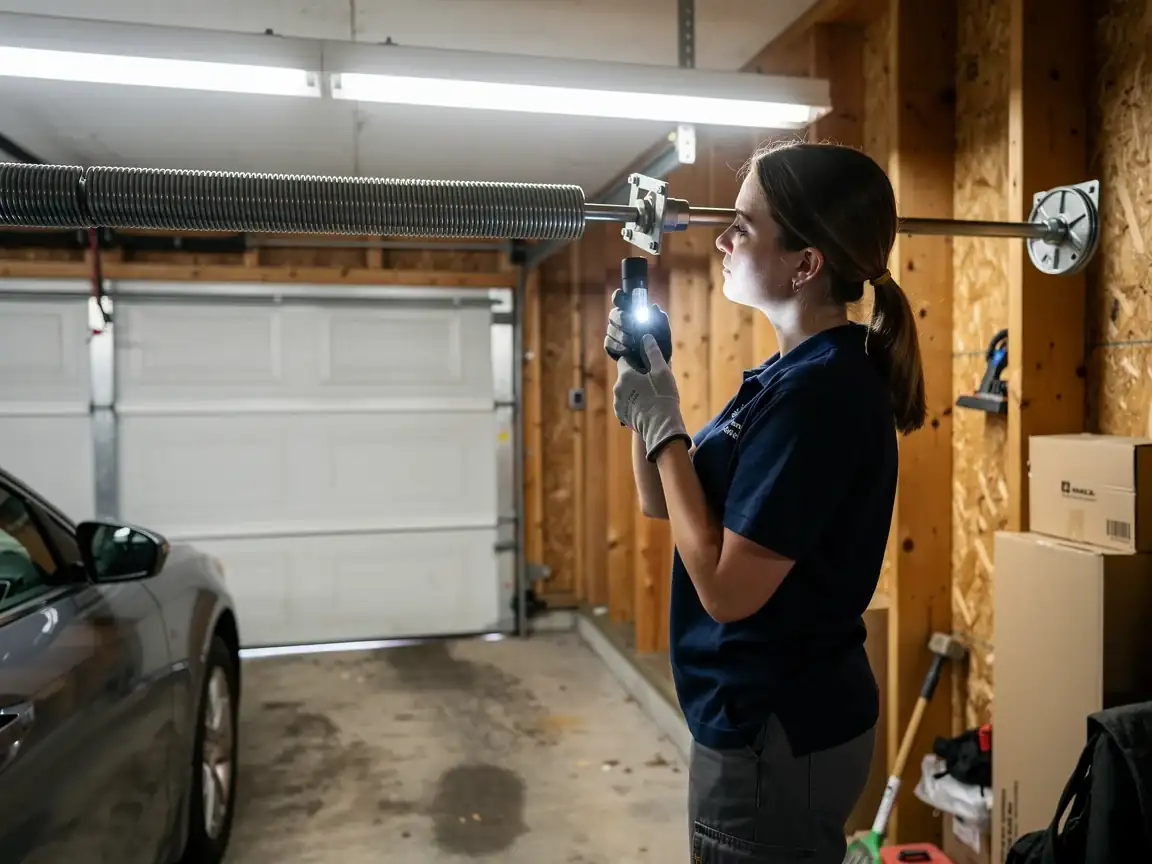
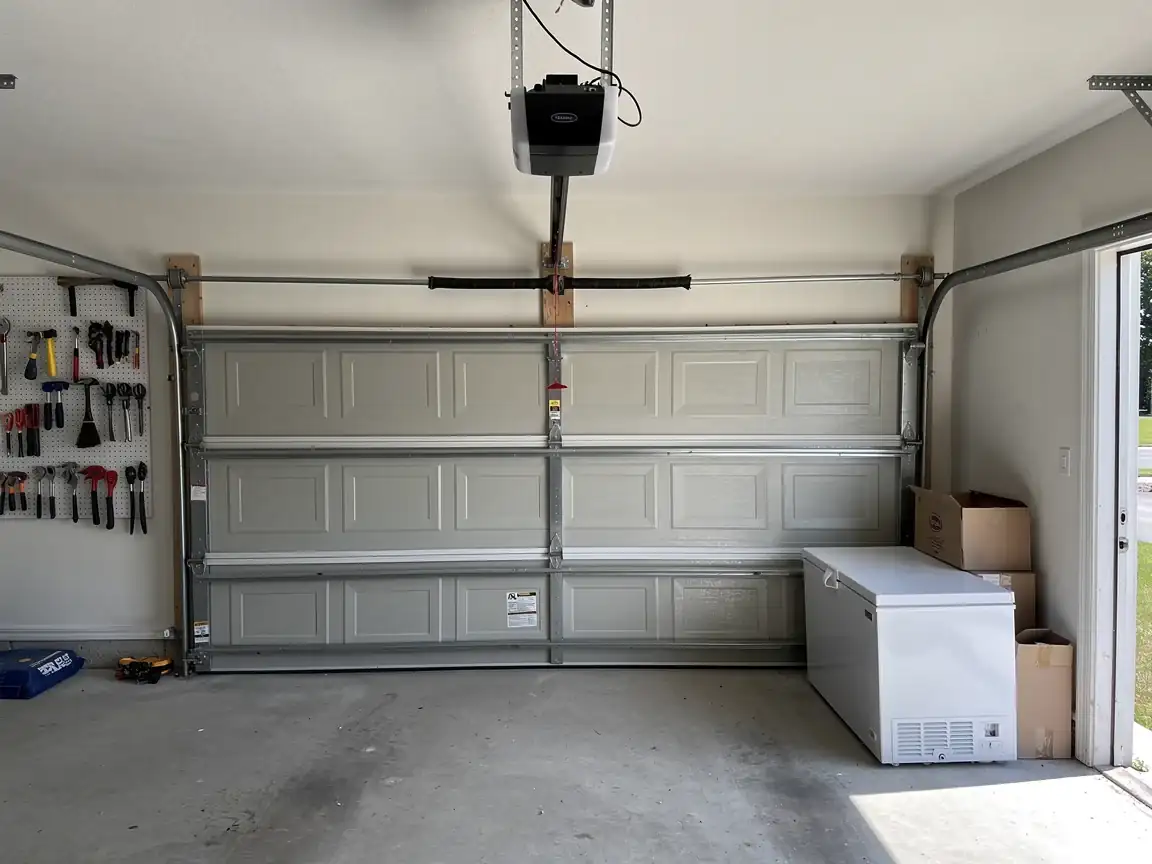
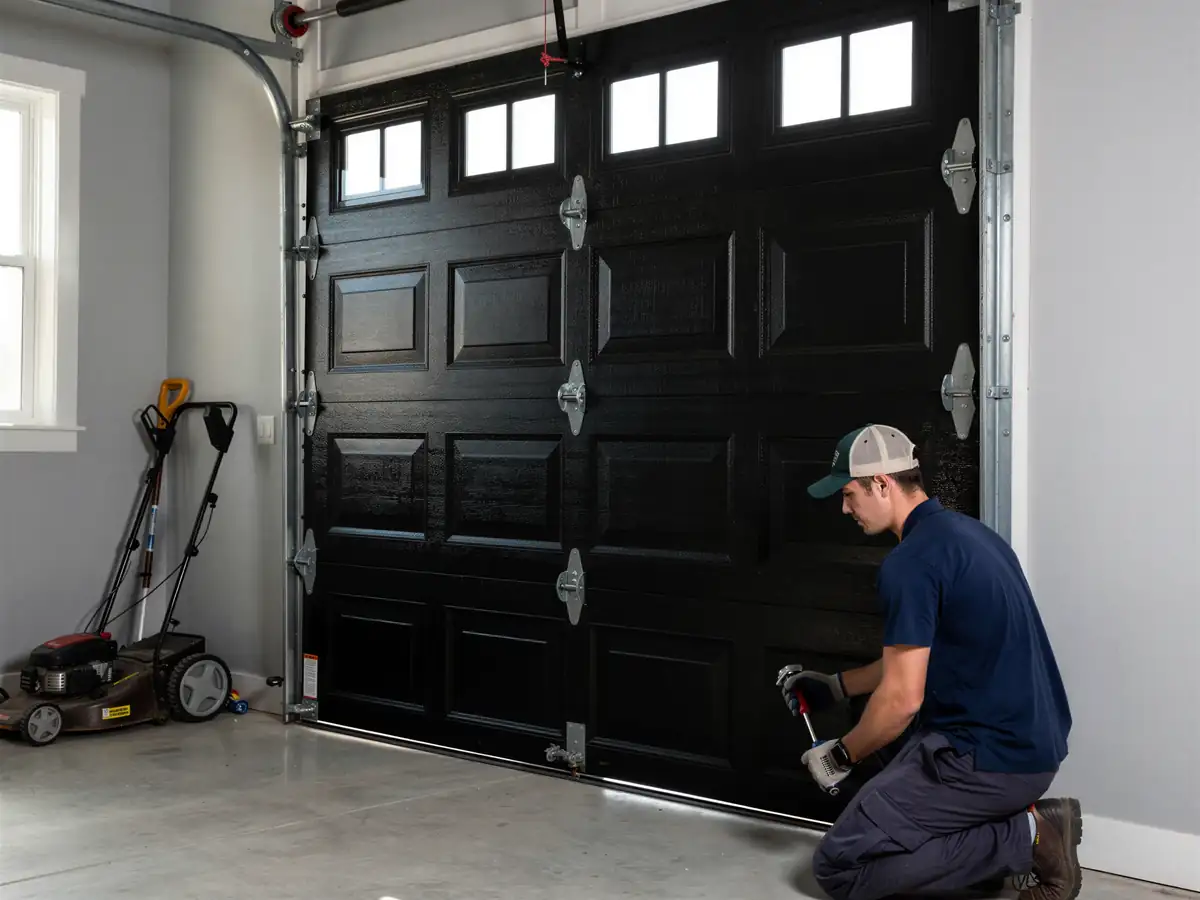
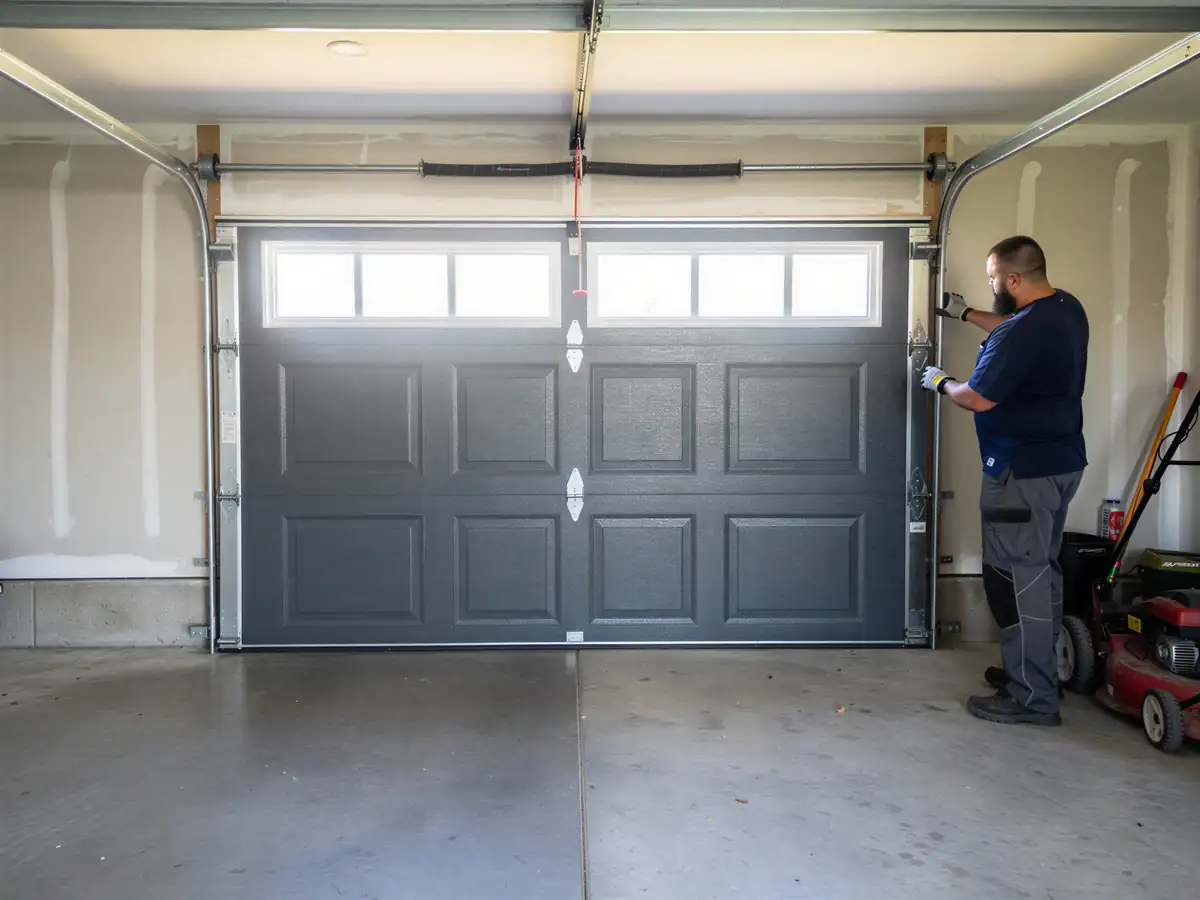
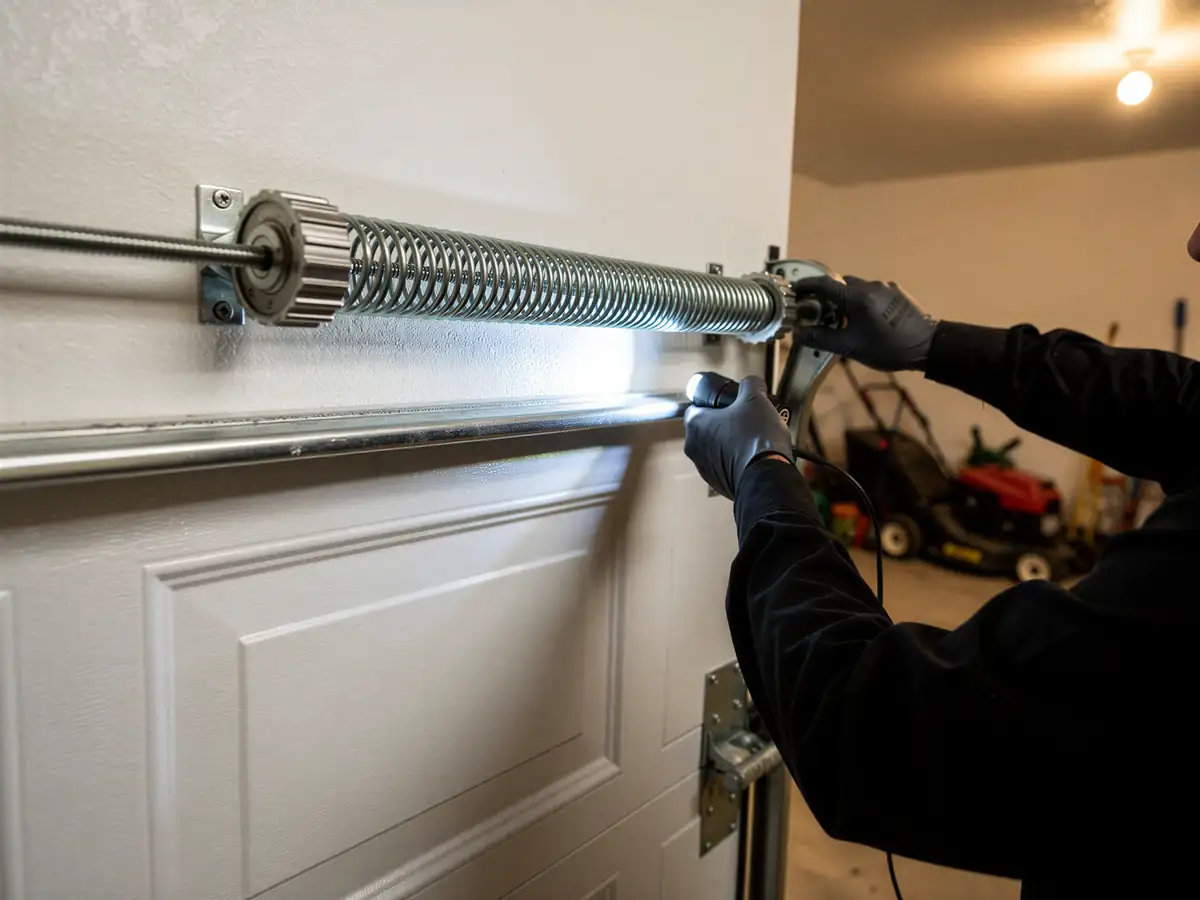
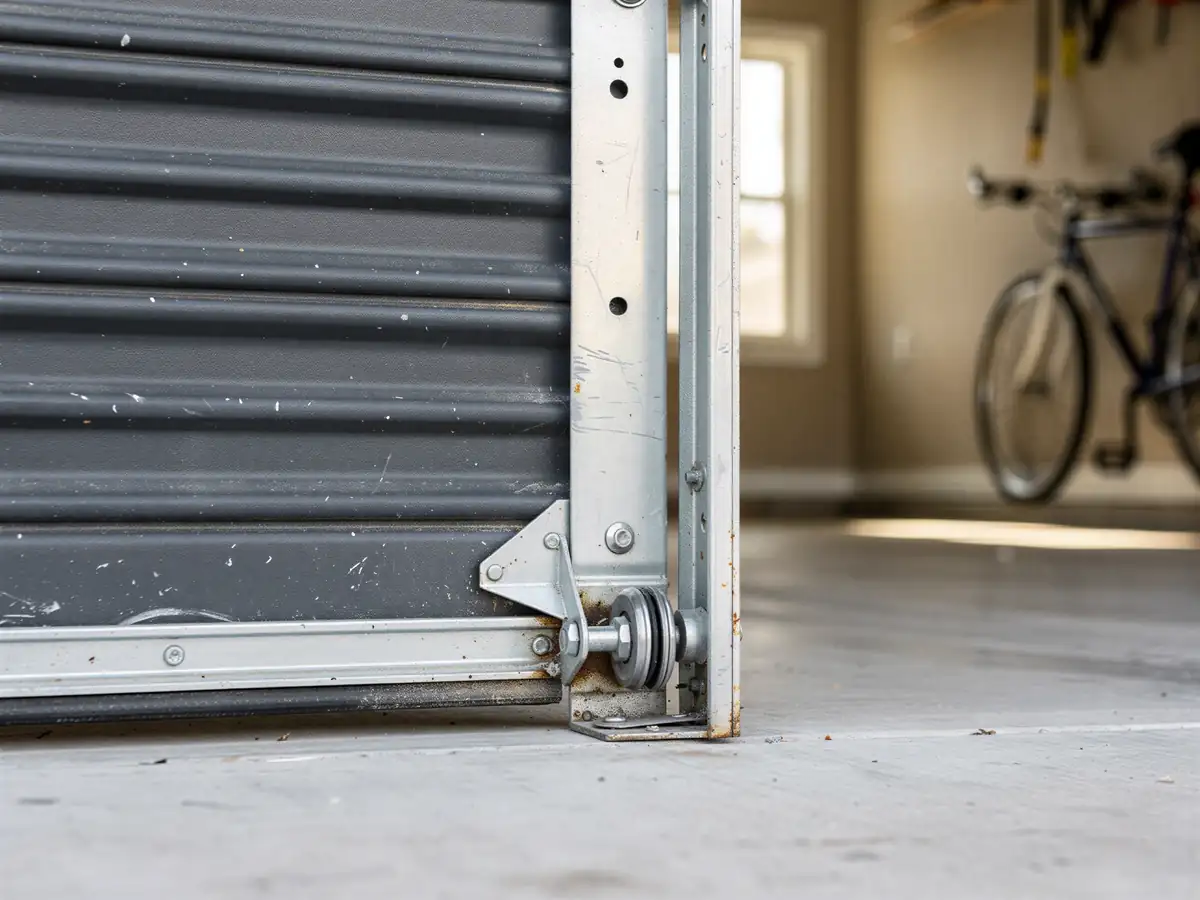
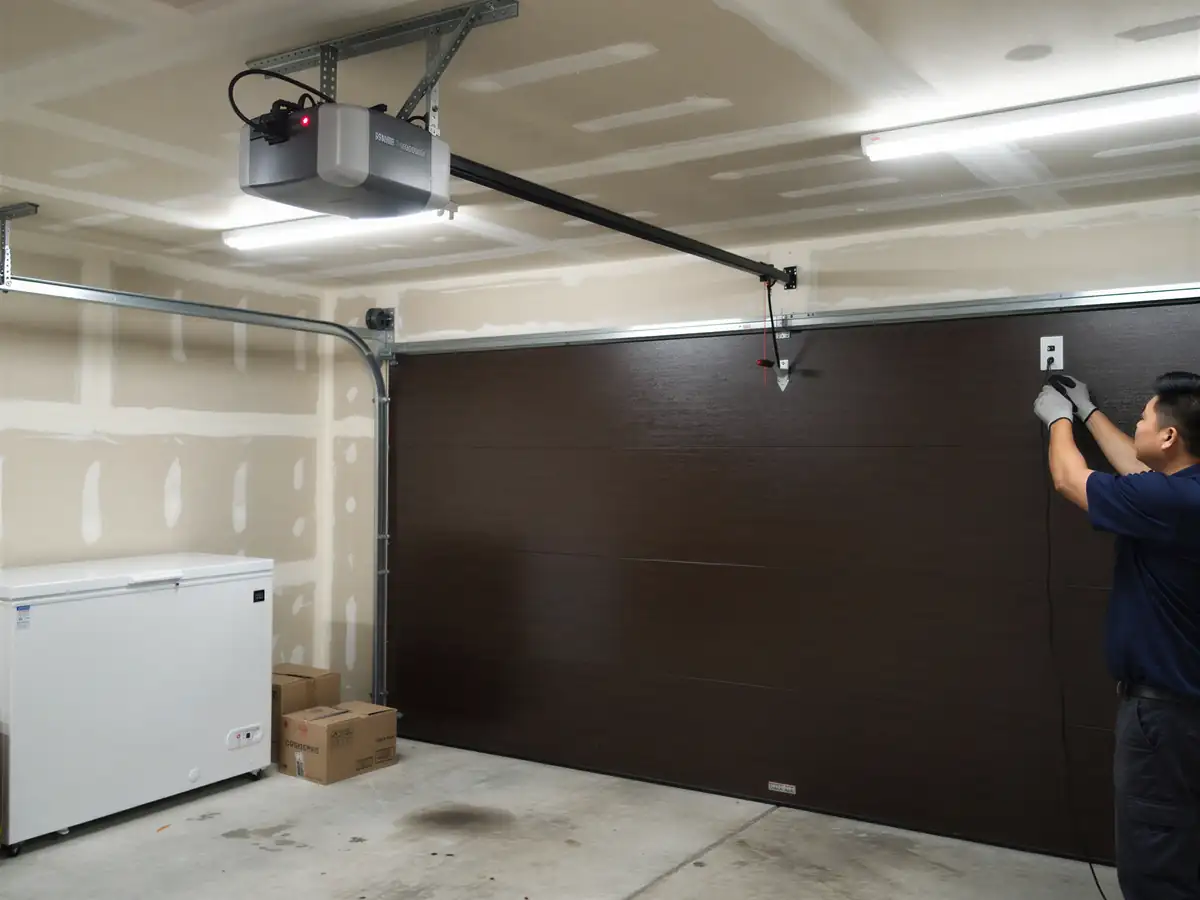
Most of the trouble we find in Theodore doesn't start with the opener itself - it starts with what the opener is bolted to. Houses in this part of the service area went up mostly through the 1980s and 90s, with a median build year around 1988, and that means a lot of original chain-drive units still hanging on steel rail that's sagged or bowed over three decades of use. Swap in a new opener without checking that rail and you've got a unit fighting its own hardware from day one. We also see trolley carriages that have outlived two or three openers, worn out but never replaced because nobody thought to look past the motor housing. Add in door panels from the same era - heavier, less balanced springs, hinges that have loosened - and an opener install here is rarely a plug-and-play job. It's a system check first, motor second.
The Symptom
The calls we get from Theodore tend to follow a pattern: the opener runs but the door doesn't move smoothly, or it reverses halfway up for no clear reason, or the remote works some days and not others. On a house built in the late 80s, that's usually a sign the rail has flexed out of alignment with the header, not that the circuit board failed. Some owners have already replaced the opener once and the same symptom came back within a year or two, because the new unit was never matched to the old track and door weight. Others are running a unit with no auto-reverse safety sensors at all, which was common hardware for builds from this period and isn't something you patch - it has to be replaced to meet current function, not just current looks.
What You Pay
We travel to Theodore from Mobile, about 10 miles out, so the job itself is priced the same as it would be closer in - no separate trip charge folded into the estimate. What does change the number is what we find once the door's open: a straight opener swap on sound rail and balanced springs costs less than a job that also needs rail replacement or a spring upgrade to match an older, heavier door. We give you that number after the inspection, not before, because guessing at a 35-year-old door's condition over the phone does nobody any favors.
Why This Fails Locally
Theodore sits in a mild climate band with occasional freeze, which isn't hard on openers the way deep cold is - but humidity and temperature swings over a few decades do work on steel rail and chain tension the same way they work on any exposed hardware. Combine that with a housing stock where the median build year is 1988, and you've got a lot of doors running original or first-replacement openers on hardware never designed for a 2020s safety standard. A generic opener install, done without checking the rail and door weight first, tends to fail here within a season or two - not because the opener is bad, but because the rest of the system was already tired before the new motor went on.