What the Housing Means for Your Door
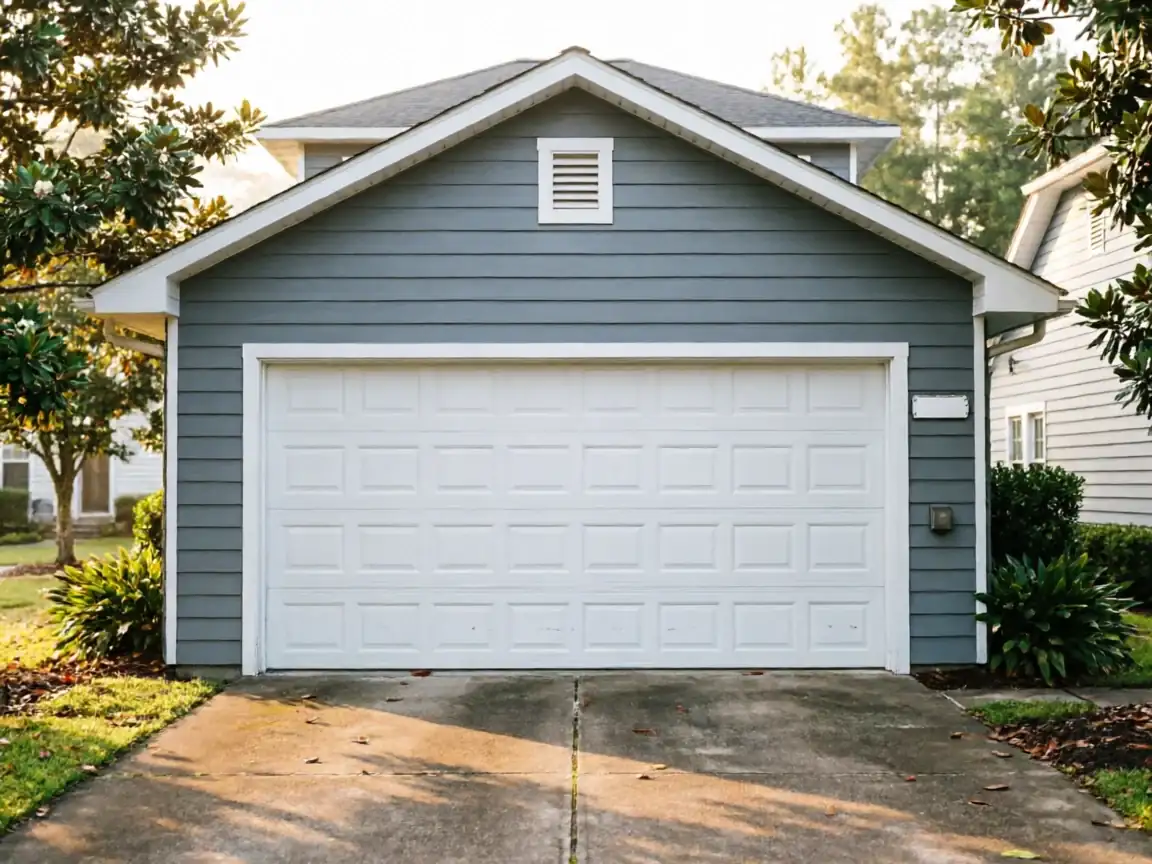
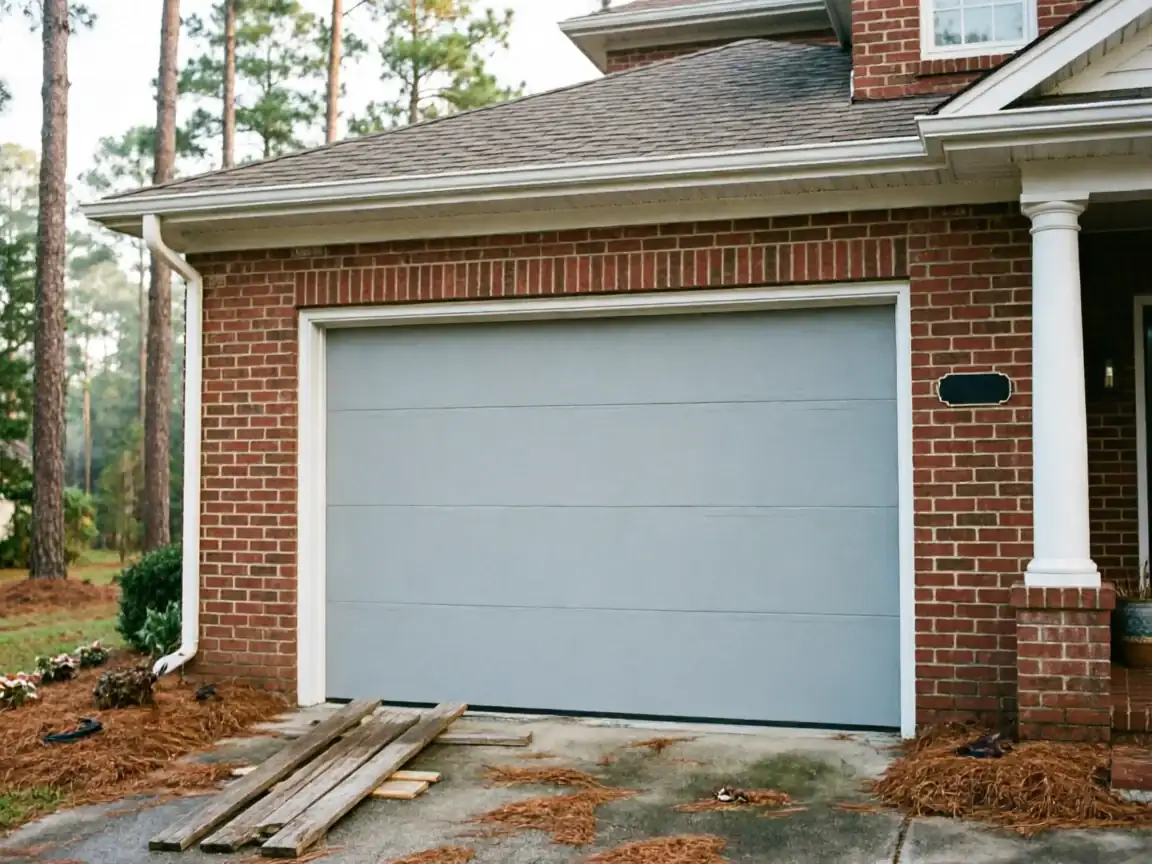
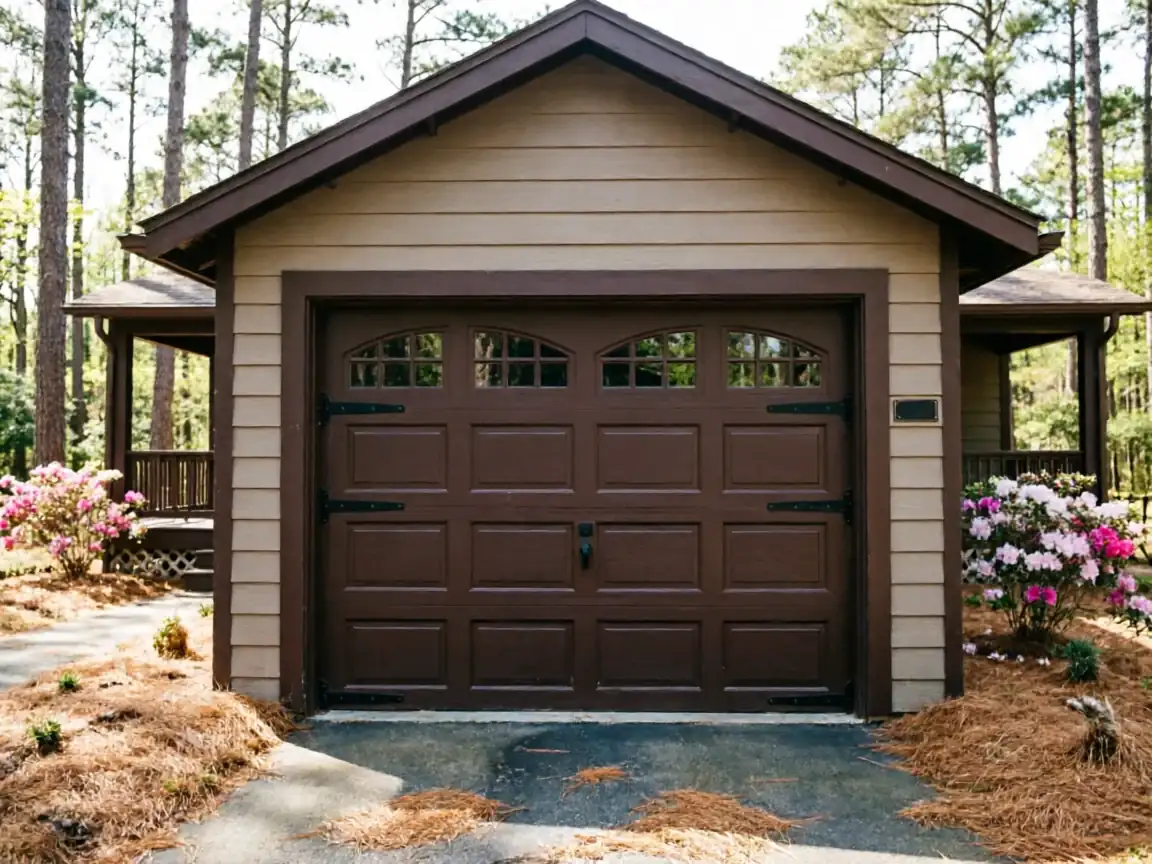
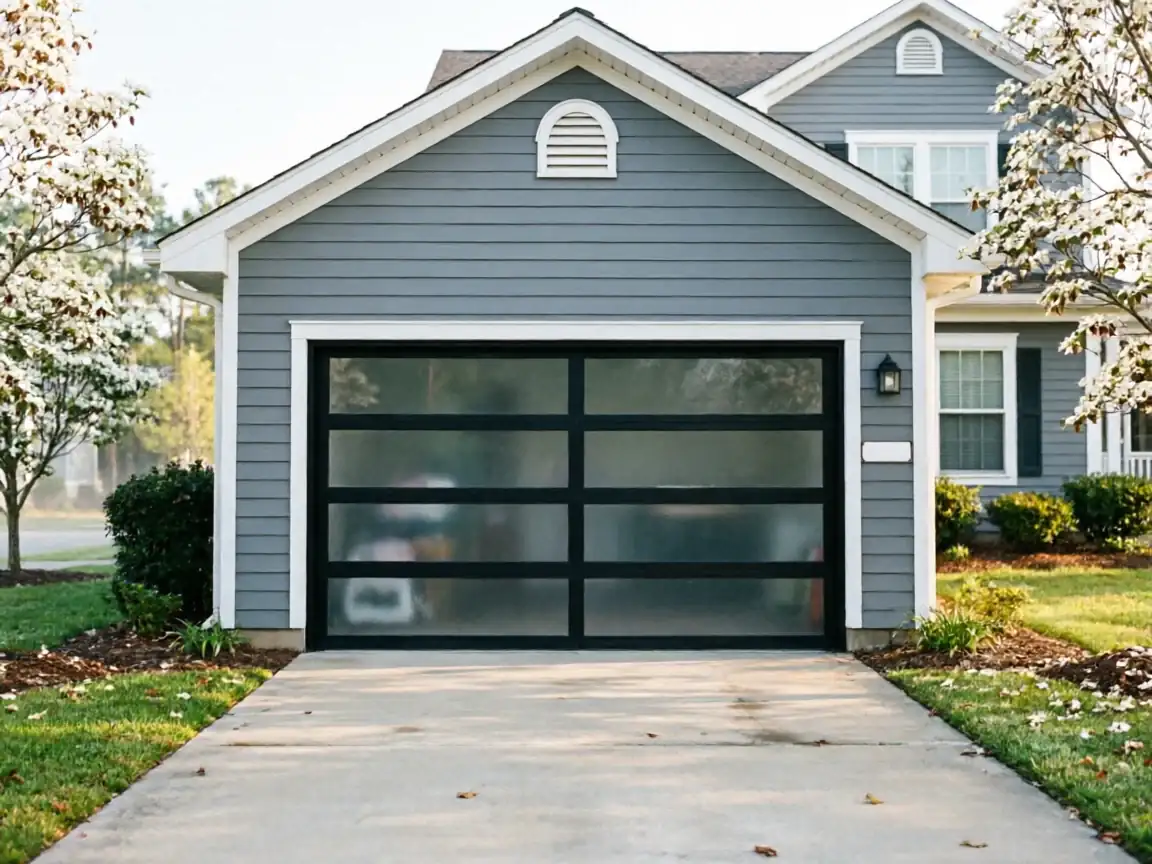
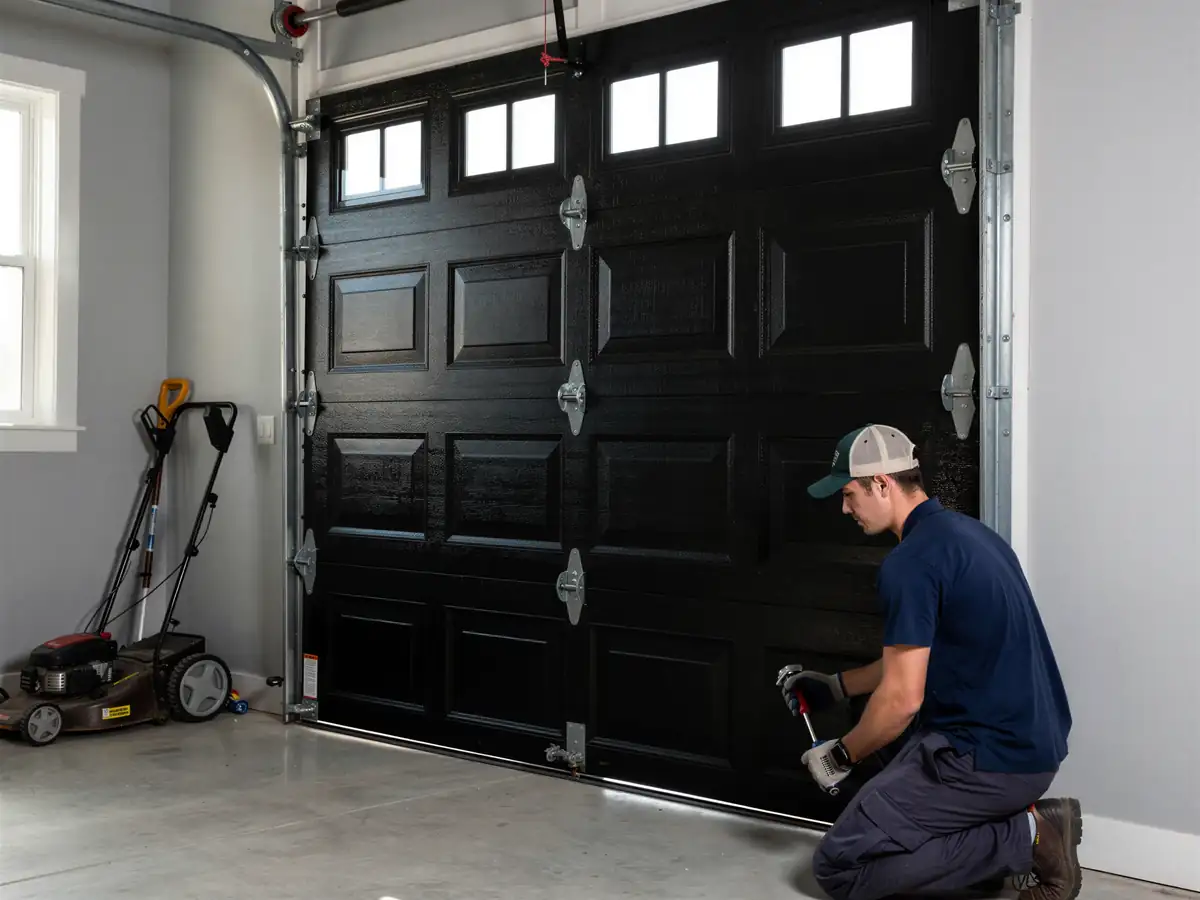
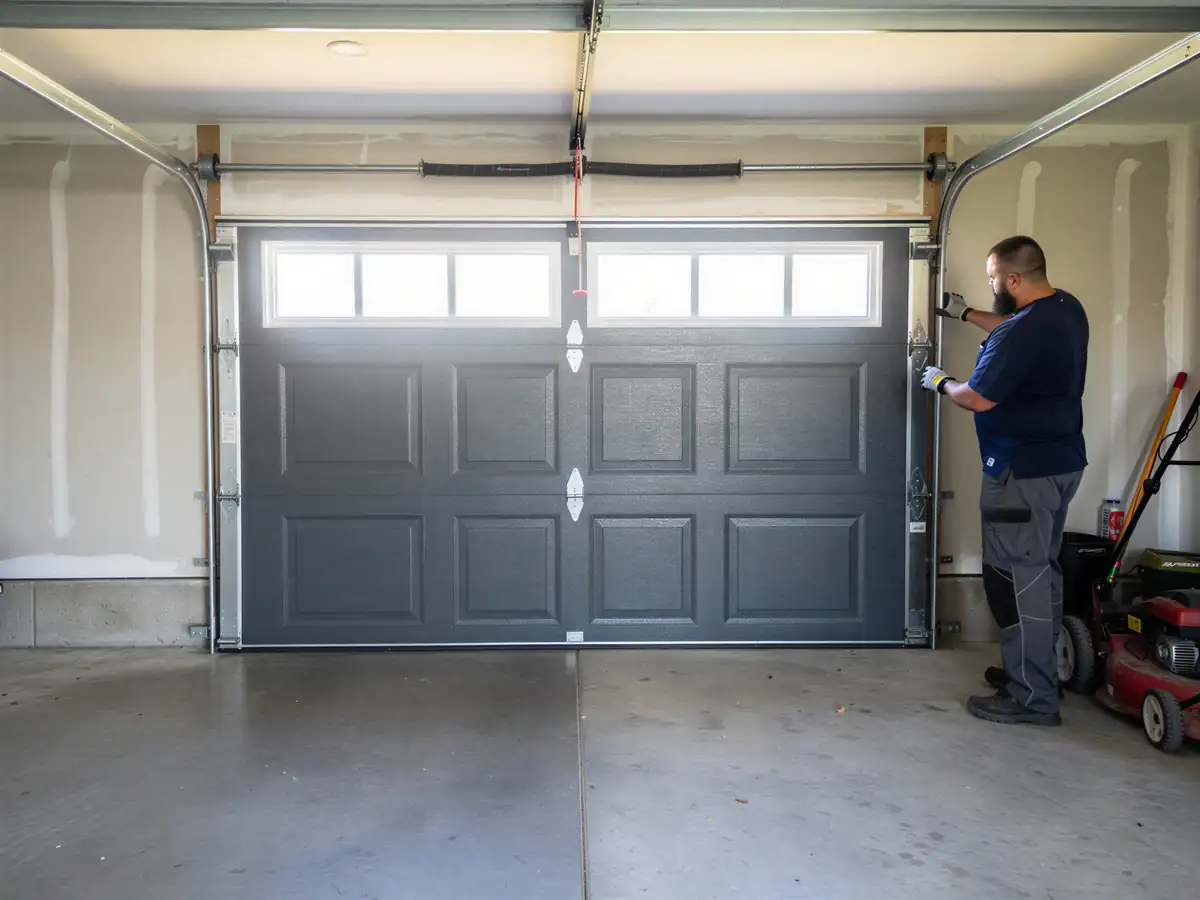
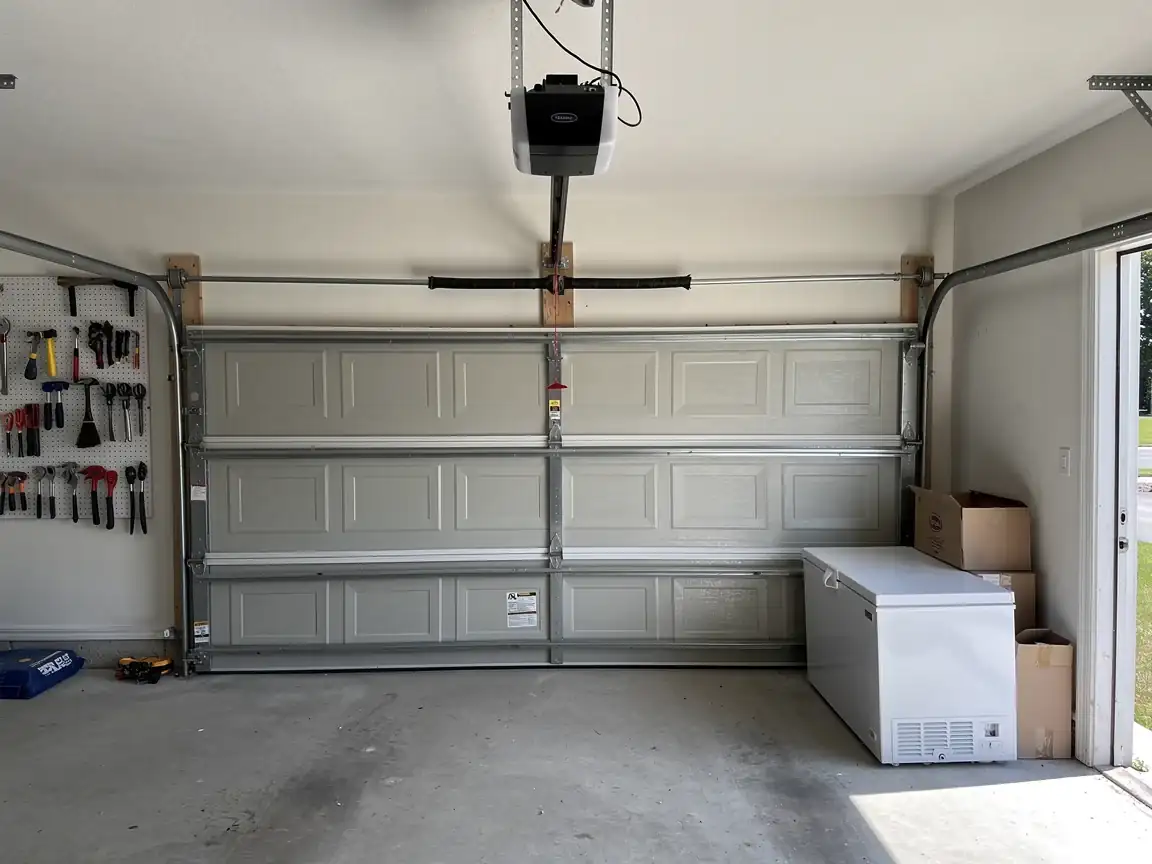
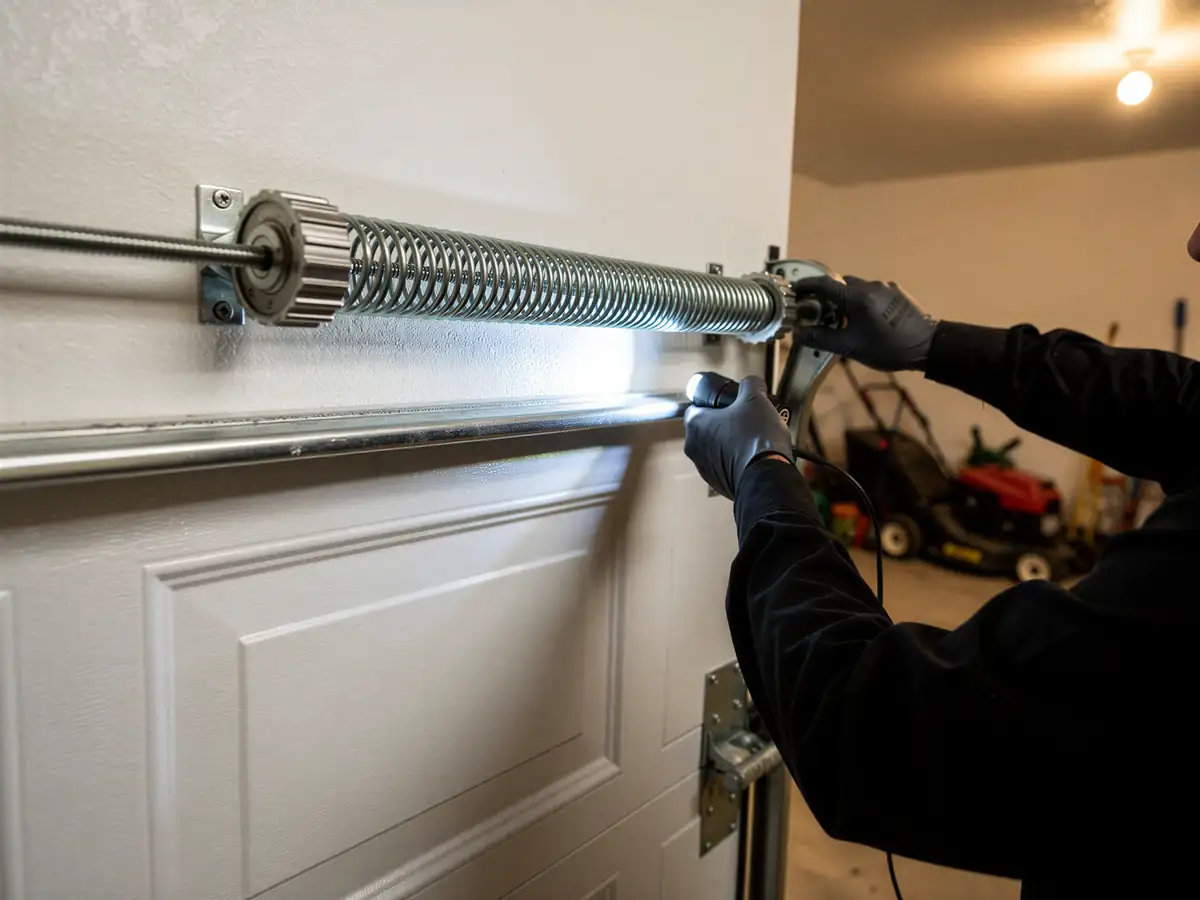
Prichard's housing stock centers on 1967 - a good sixteen years earlier than the 1983 median we see across the wider service area. That gap matters. A door and opener installed on a house built in the mid-to-late 1960s is a different animal from what went into a house built in the 1980s or 90s. You're more likely looking at a steel door on older-style side-mounted torsion hardware, sometimes paired with extension springs rather than the torsion-bar setups that became standard later. Track widths, drum sizes, and mounting brackets from that era don't always match what's sold off the shelf today.
We're not saying every house in Prichard still has its original door - plenty have been replaced over the decades. But the framing and header heights built for 1960s door sizes shape what fits now, even after a swap. When we come out from Mobile, 8 miles up the road, we bring parts for both the old hardware and the newer standard sizes, because in this area you genuinely see both on the same street.
What Neighbours Usually Call About
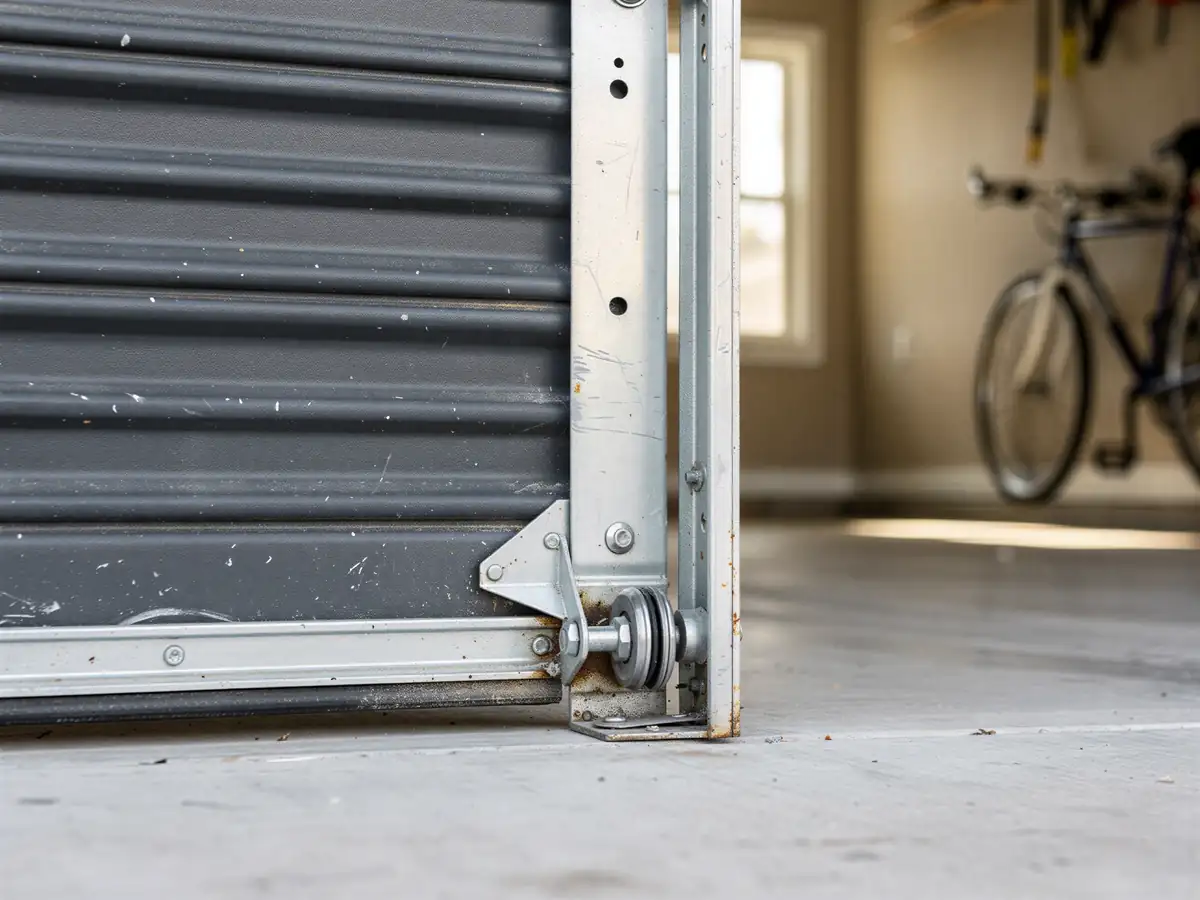
The calls we get from this part of the coverage area skew toward hardware fatigue rather than opener electronics. Extension springs on older tracks lose tension unevenly over the years, which shows up as a door that drags on one side or slams the last foot of travel. Rollers on original steel tracks wear grooves that make the door louder and rougher than it should be, even when the spring is fine.
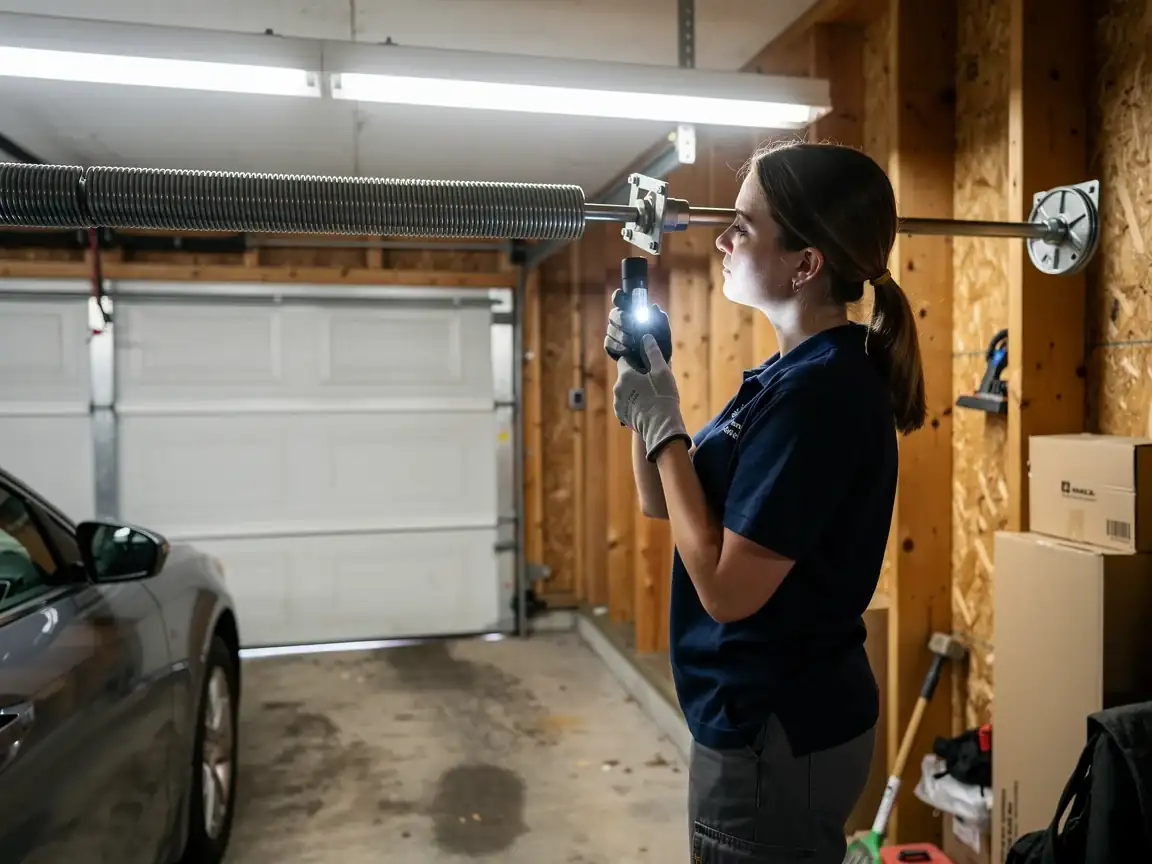
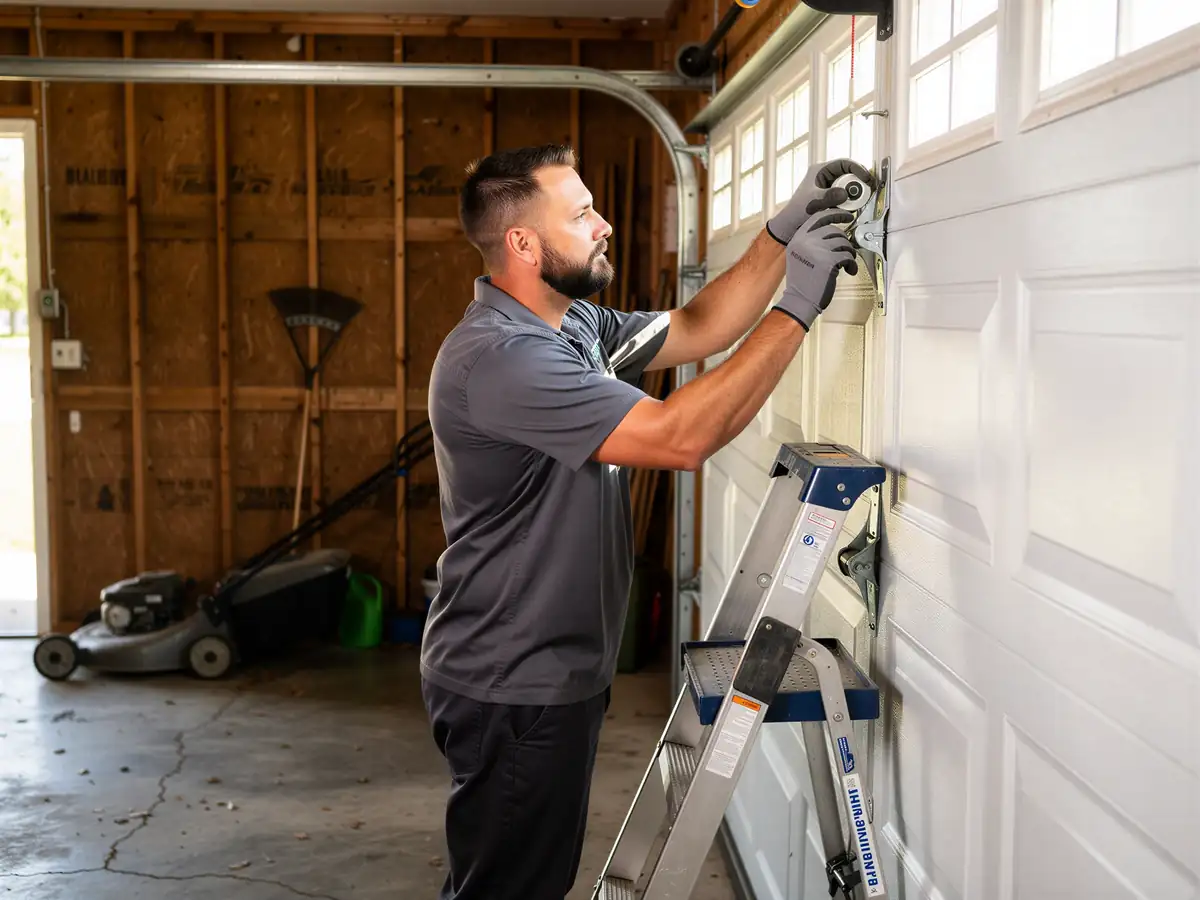
We also see more cable and pulley wear here than on newer installs elsewhere in the service area, since extension-spring systems depend on pulleys that newer torsion setups don't need at all. If your door is original or close to it, that's usually where the noise is coming from.
One honest note: if the track or the framing itself has shifted with the house over fifty-plus years, a spring swap alone won't fix a door that's binding. Sometimes the fix is realigning the track, not replacing the spring, and we'll tell you that up front rather than sell a part that won't solve it.
What We Do Most in This Area
Given the age of the stock, the work we actually do most often in Prichard is spring and cable replacement on extension-spring systems
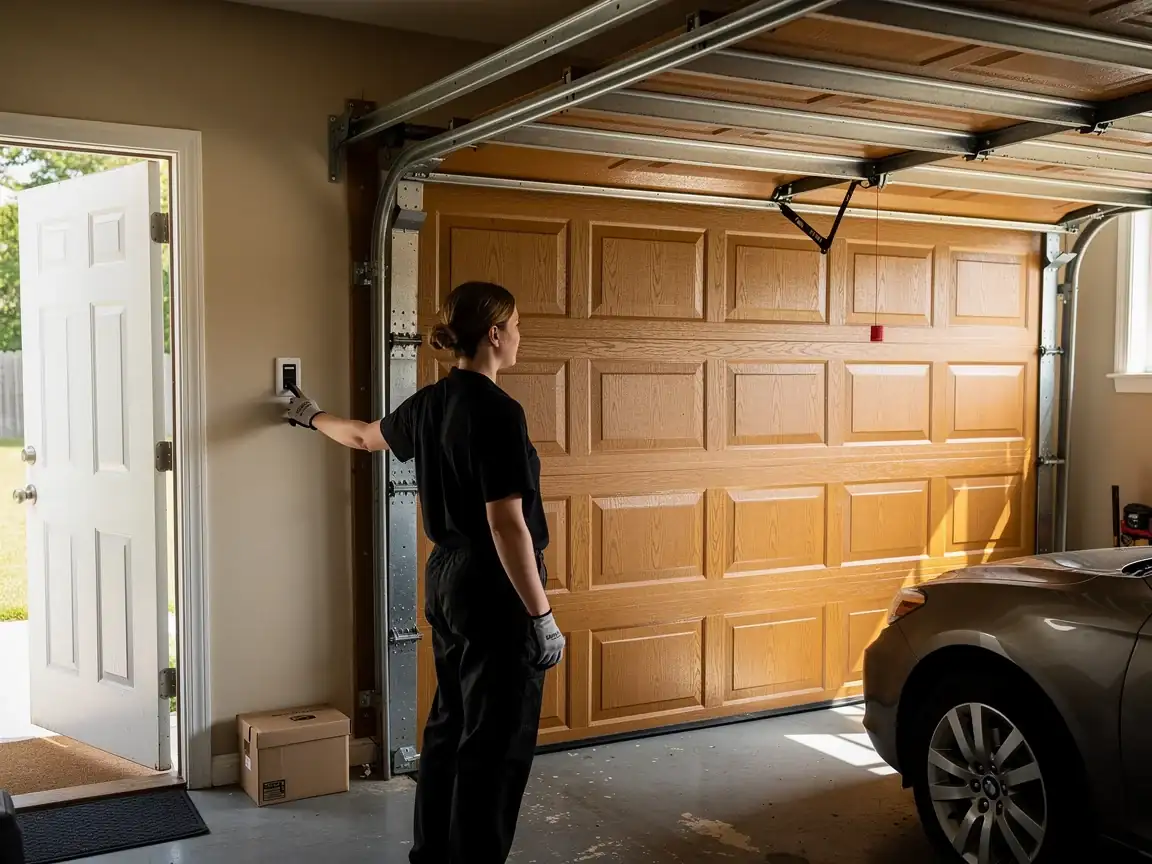
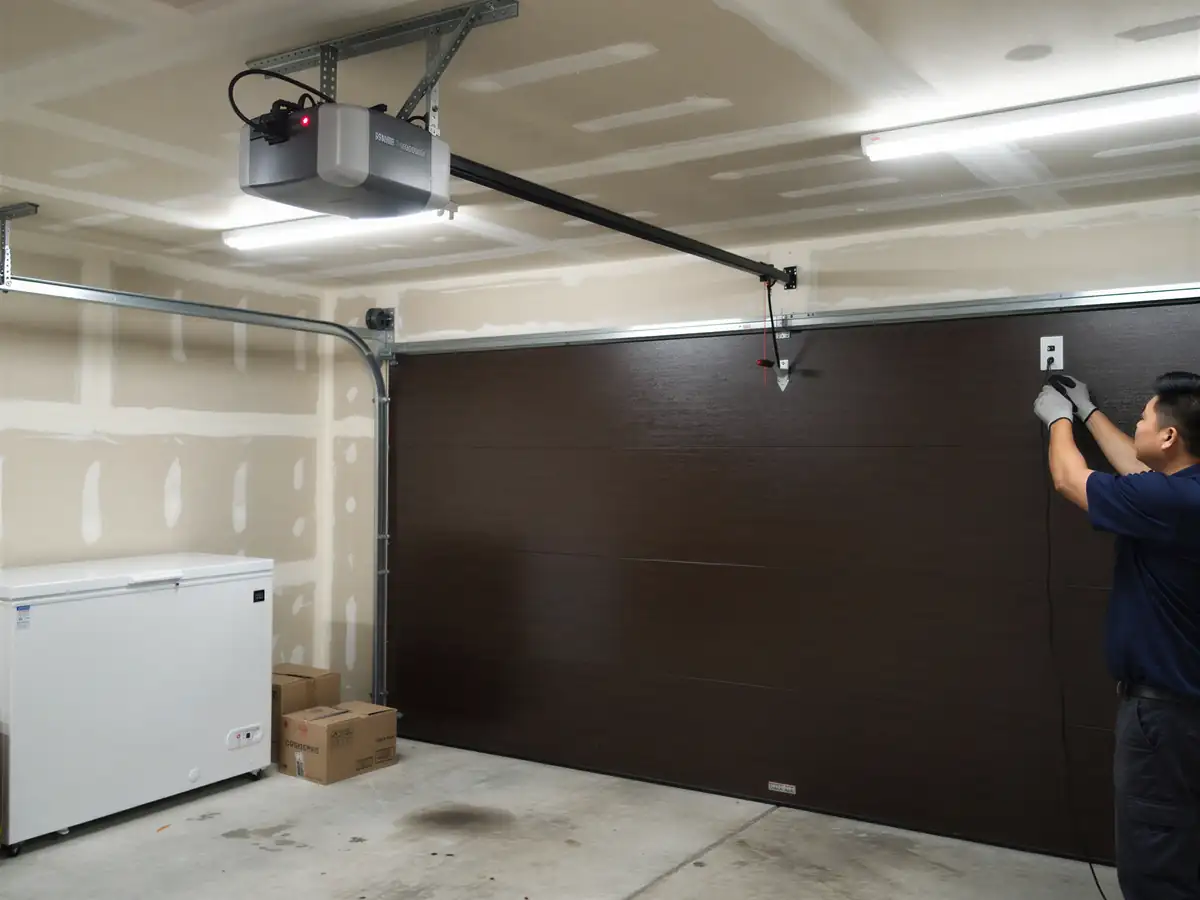
Plus roller and track service on doors that are still running their original hardware. We also do a fair number of full opener swaps here - chain-drive units from decades back that have simply outlived their gears, not something we're pushing, just what tends to fail first on hardware this old.
Full door replacement comes up less than you'd think
A sound wood or steel door from this era, even an old one, is often worth keeping and repairing rather than replacing outright, especially given the median household income here runs well under the service-area average - $35,331 versus $62,318 across the wider coverage area. That gap is part of why we try to fix what's fixable before we quote a full replacement. When the frame or panel itself has failed, we'll say so, but we don't default to replacement just because a door is old.
The Houses Here
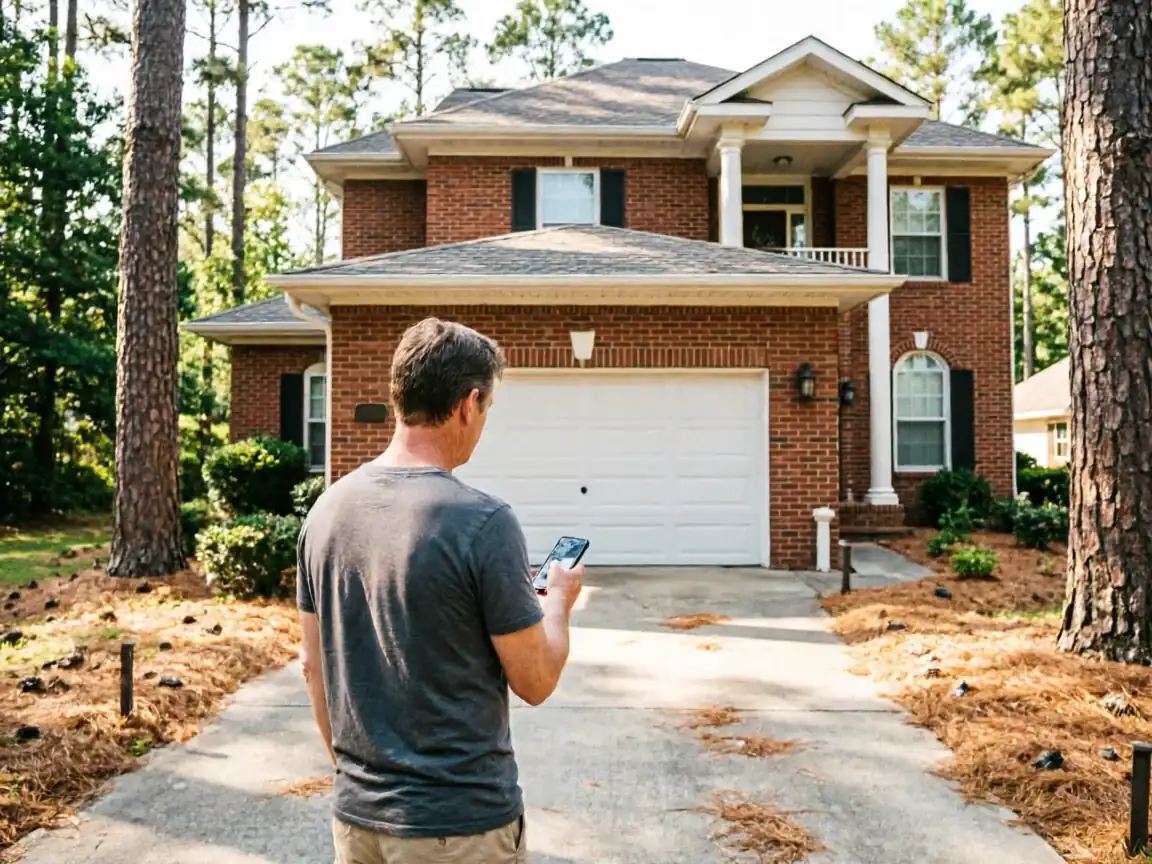
Prichard has roughly 6,720 households, smaller than the overall service area's 46,241, and the housing here reads older and more uniform in age than some of the newer pockets we cover. Being 8 miles from our Mobile shop puts Prichard on the closer end of our coverage radius - not the closest, but closer than most of the thirteen named areas we work across.
The climate here is mild with occasional freeze risk, same as the rest of the coverage area, which isn't the main stress on these doors - age and hardware type is. A 1967-era frame holding a door that's been patched and re-sprung a few times over the decades behaves differently than a frame built to 1990s dimensions, and that's the thing we look at first on any call out this way, before we talk about what part might need replacing.