The Complications
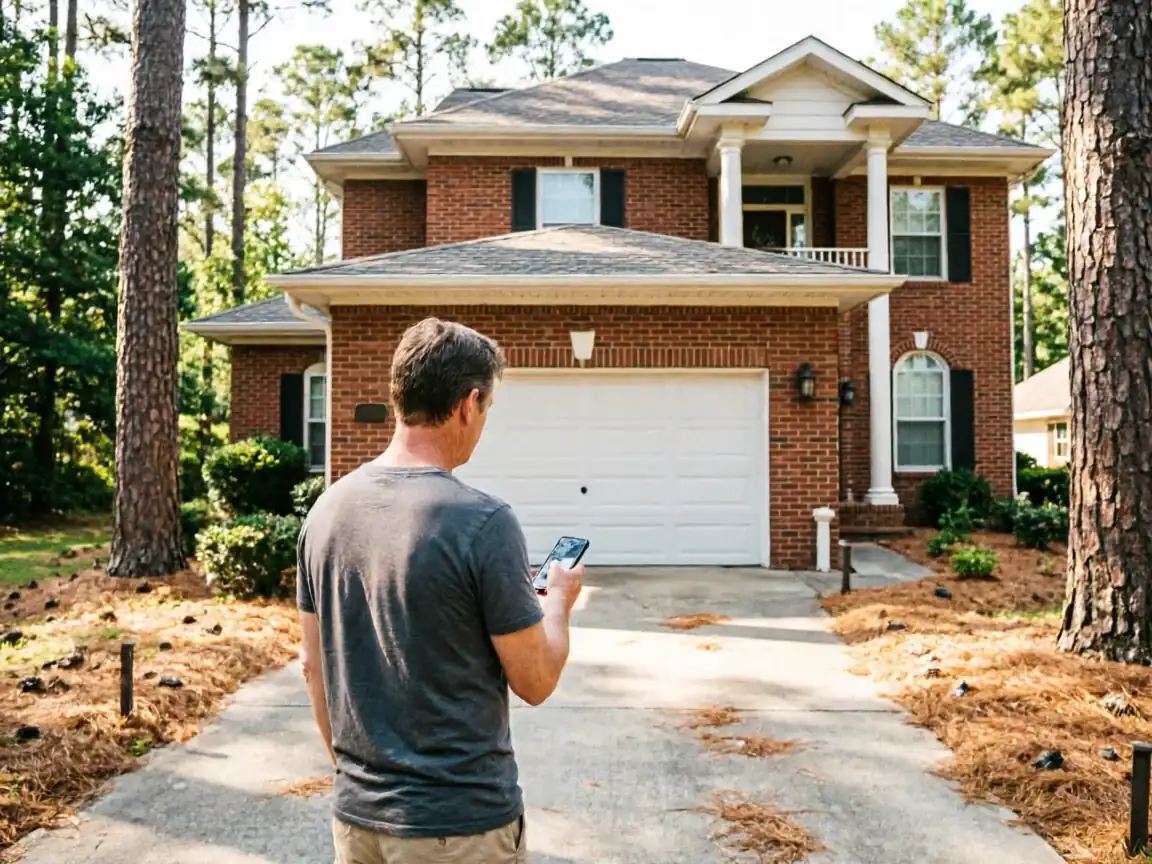
Theodore's housing stock centers on 1988, which puts most garages in that late-80s build wave common across this part of the Mobile area. A door installed with the house in 1988 is 35+ years old, and the rollers are almost never the part anyone thought to touch. Springs get noticed when they snap. Openers get noticed when they stop responding. Rollers just wear quietly until the door sounds like a shopping cart with a bad wheel.
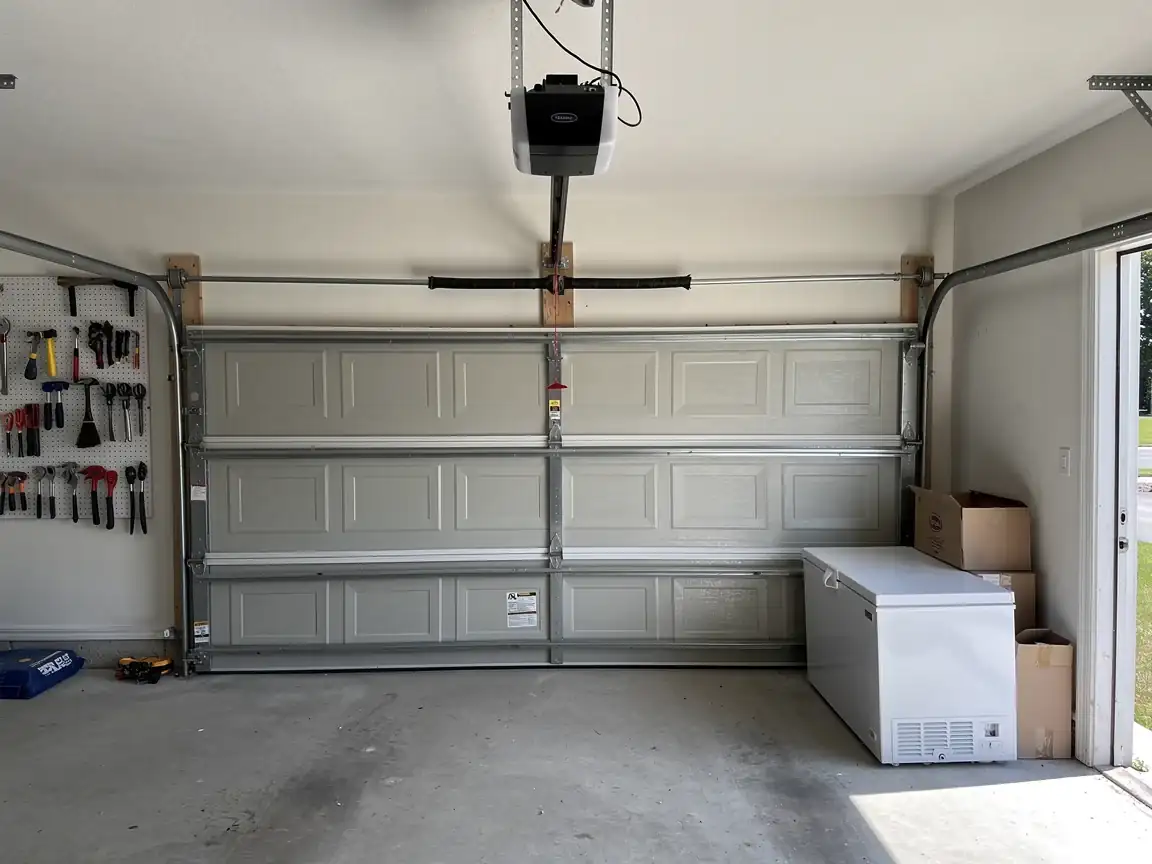
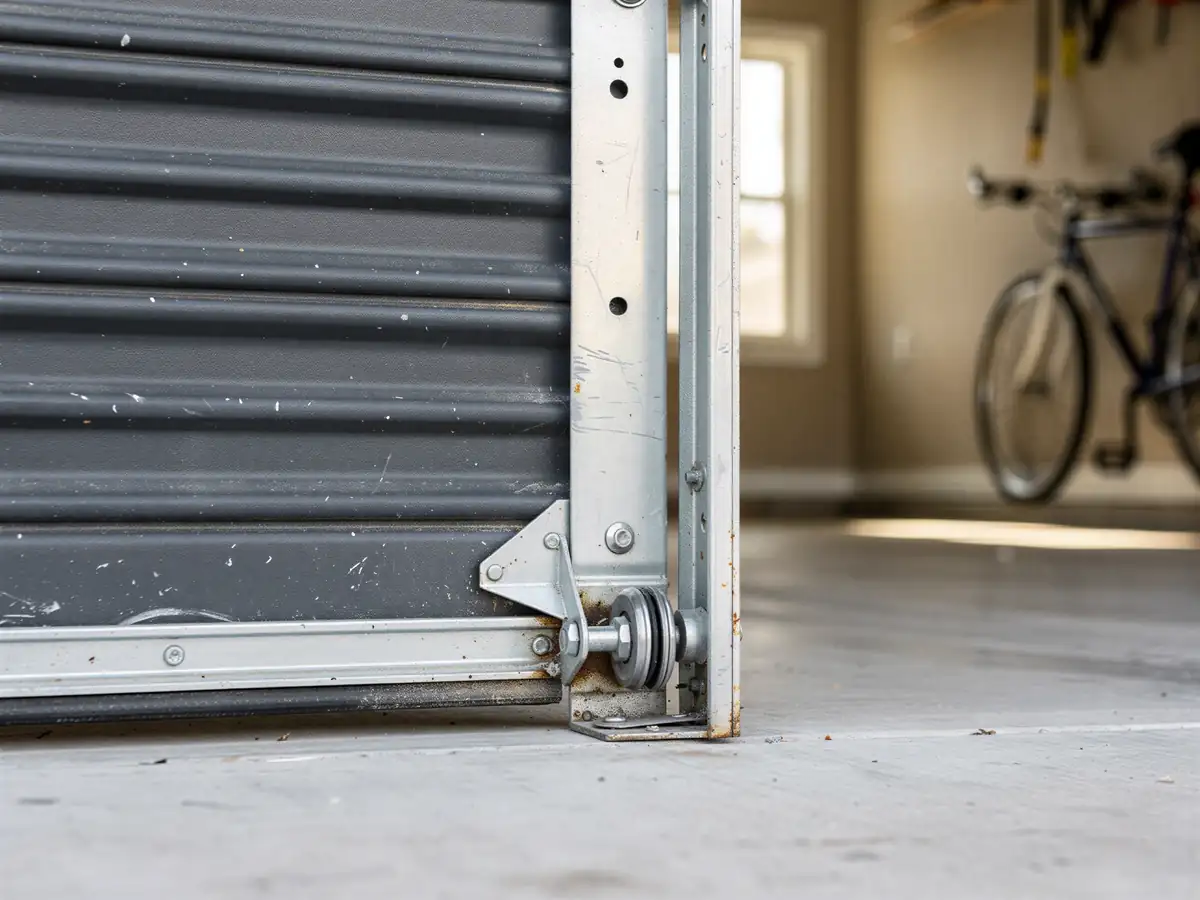
Most of what we find on these original setups is steel rollers riding directly in galvanized track with no stem bearing, which was standard hardware for that era. There's no insulation gap to retrofit around, no sensor bracket conflict - the track itself is usually the limiting factor, not the door panel. The complication isn't the fix; it's that homeowners here are often replacing a roller for the first time since the house was built, so they don't know what's normal wear versus what needs the whole track reset.
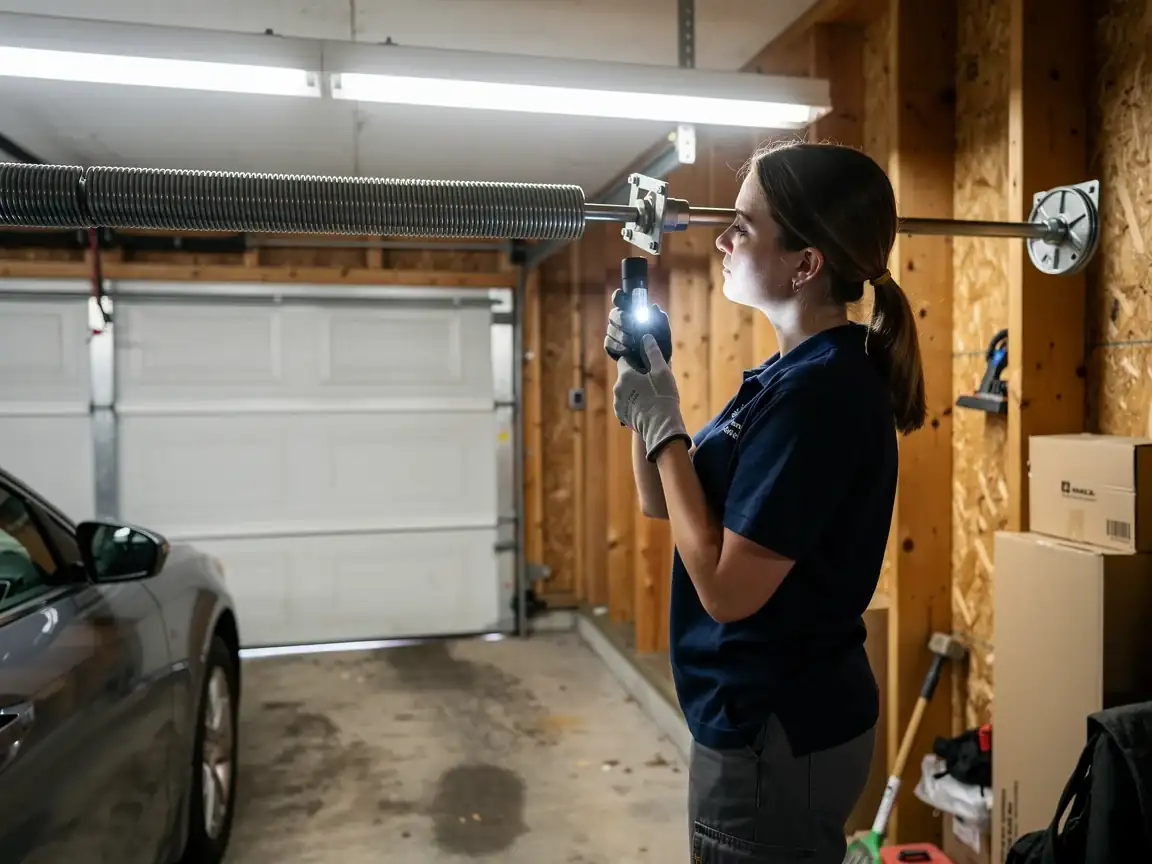
We make the trip out from Mobile, about 10 miles, so we're not working off guesswork about what's behind the wall - we look at the track alignment before we touch a roller.
The Symptom
The giveaway on a 1988-era door is a grinding or clunking sound concentrated at one or two spots in the travel, not evenly across the whole run. That's a flat spot on a steel roller, not a bent track - if it were the track, the noise would be constant from top to bottom.
You'll also see slower closing near the bottom panel, because a worn roller drags instead of rolling clean through the last foot of track where the curve tightens. Some owners describe it as the door "catching" right before it seats. On these original setups, that catch is almost always the bottom roller, since it carries the most cycles relative to its size and takes the brunt of every car that pulls in slightly off-center.
A rattling opener bracket is a different problem and we won't sell you a roller job to fix it - if the noise is coming from the header, not the track, that's a bracket or hinge issue and we'll say so on site.
How We Fix It
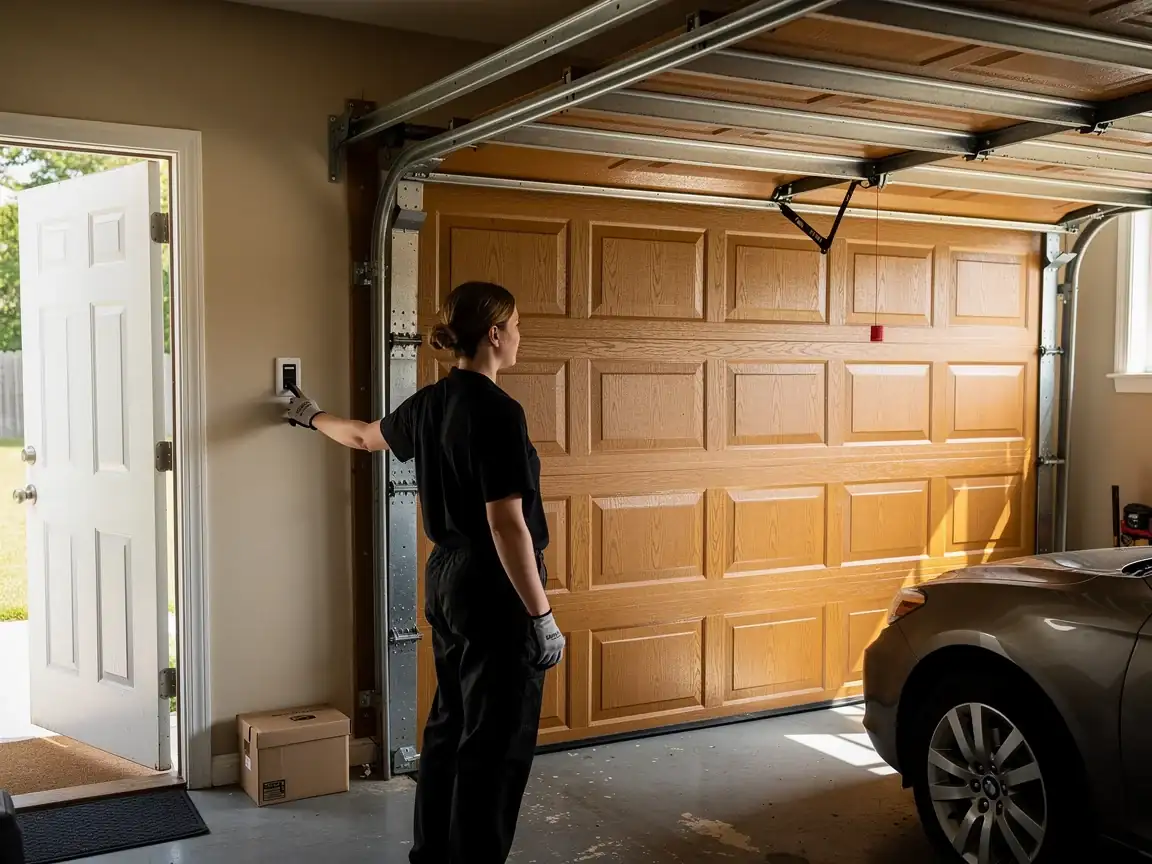
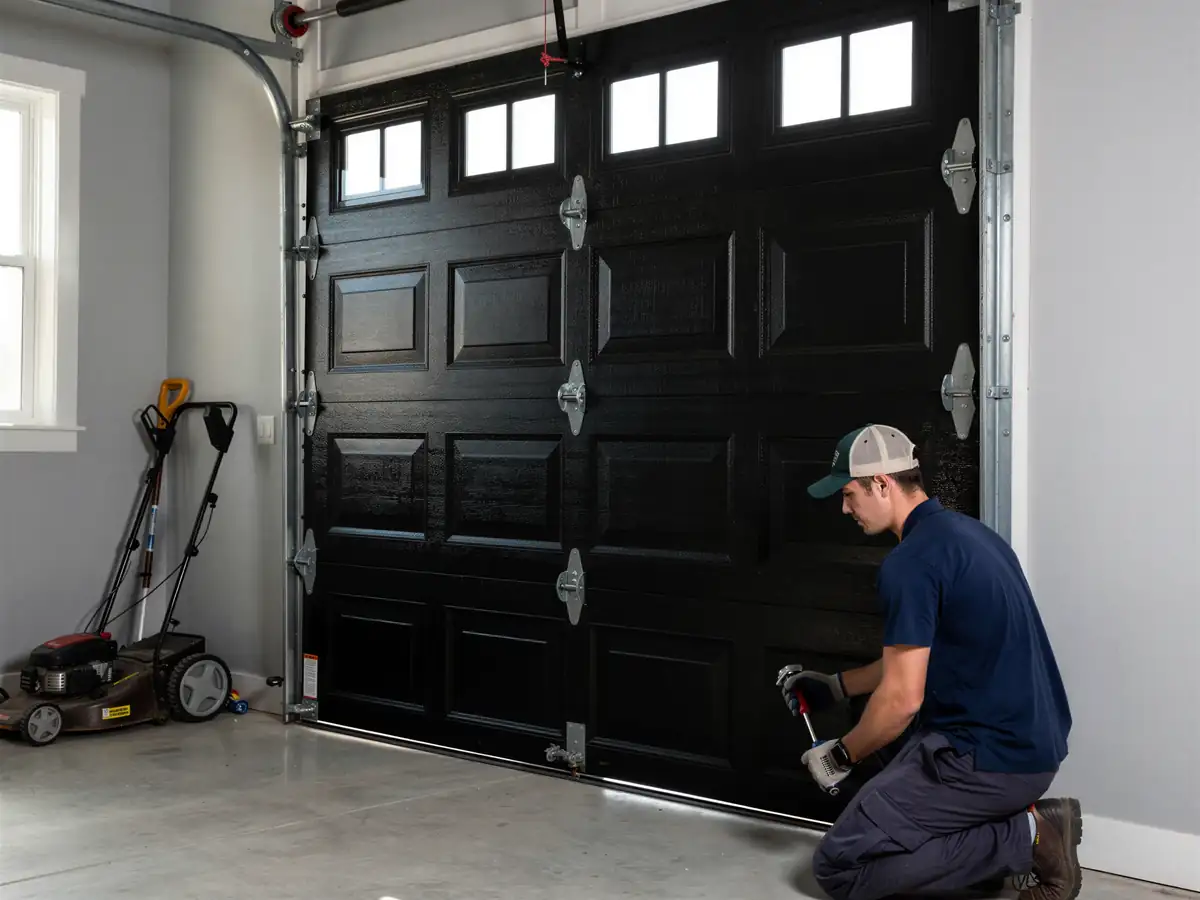
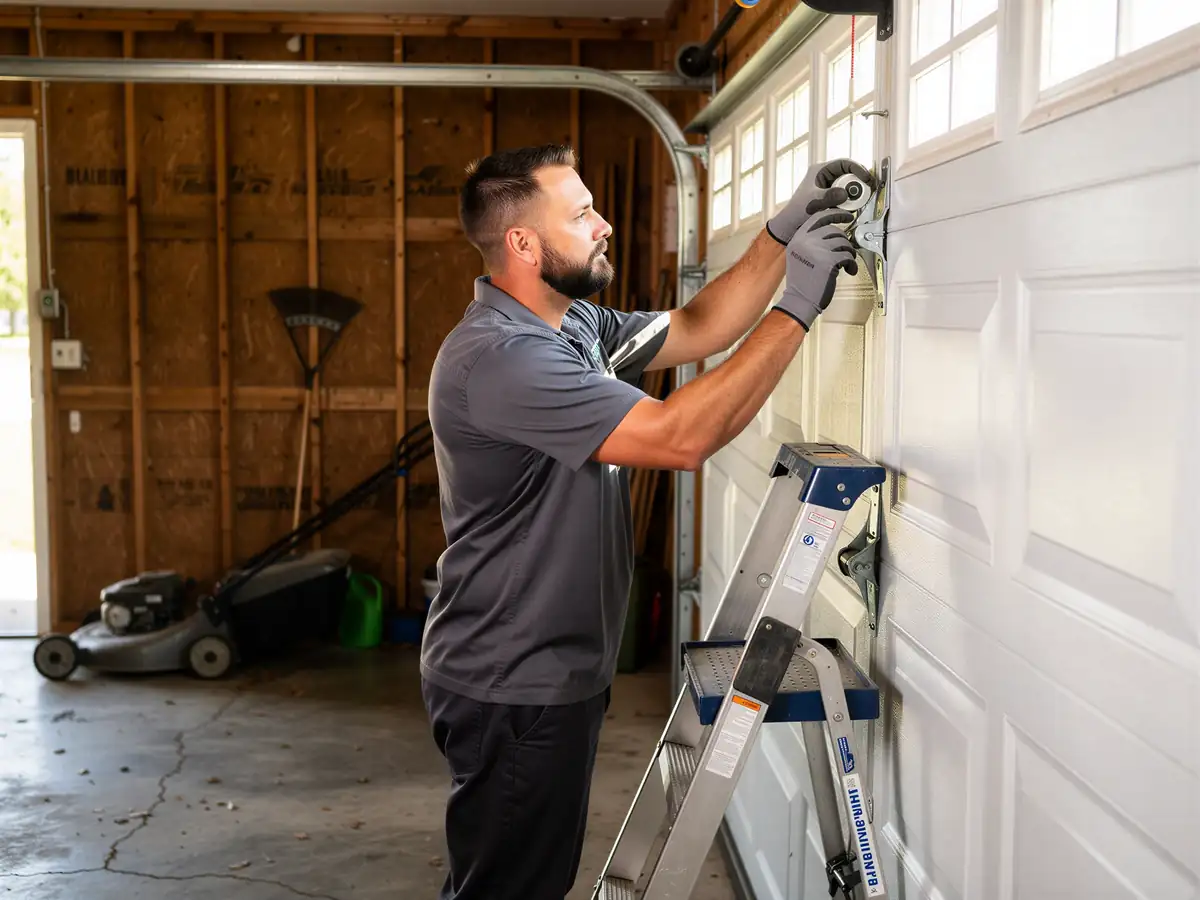
We pull the door down to manual operation, release tension safely, and walk each roller out of the track one at a time rather than dropping the whole assembly
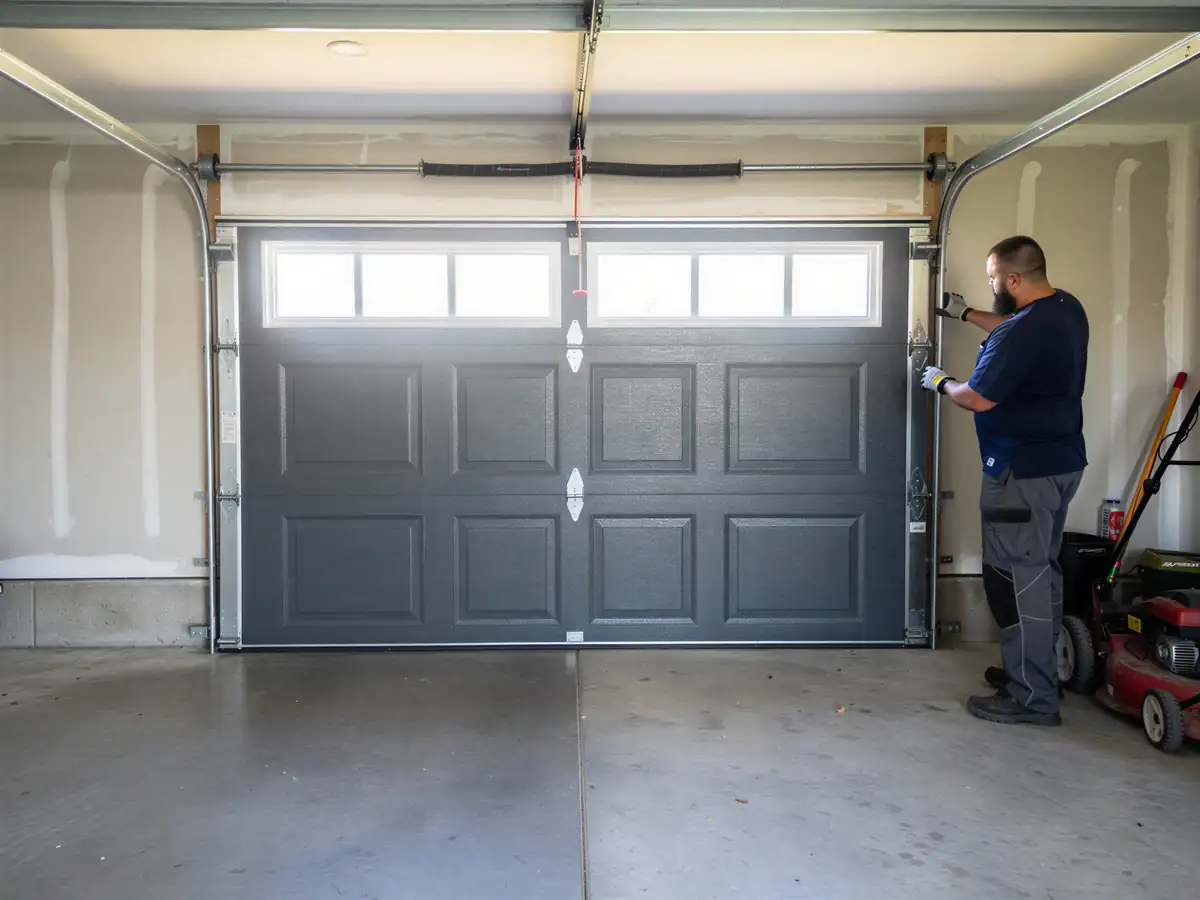
On a 35-year-old door, the track itself is often slightly worn into the shape of the old rollers, so we check straightness panel by panel as we go.
For houses in this 1980s stock, we're almost always swapping steel-stem rollers for sealed nylon rollers with ball bearings
Nylon runs quieter and doesn't develop the flat-spot wear pattern that causes the grinding noise in the first place. If the track shows wear grooves from the old hardware, we true it up or replace the worn section rather than bolt new rollers into a track that will just re-wear them.
We don't repaint or refinish panels as part of this job
If the door skin is rusted or delaminating along with the roller wear, that's a separate conversation about whether replacement makes more sense than another repair.
What You Pay
We don't have a Theodore-specific price list to quote here, and we're not going to invent a number - pricing depends on how many rollers need replacing, whether the track needs truing, and whether we find a bent section hiding under the wear. What we can tell you is the trip is factored into one visit, not a separate call-out charge stacked on top of the repair.
With median household income in Theodore at $60,764, we hear the same question a lot: is it worth fixing versus letting it ride until something breaks. Our answer is almost always fix the rollers now - a $40-a-piece part problem left alone turns into a bent track problem, and track work costs more in labor than the rollers ever would have.
Why This Fails Locally
The mild, occasional-freeze climate here doesn't put the same stress on hardware that true freeze-thaw regions see, so rollers in this area usually fail from cycle wear and dried-out grease, not from ice cracking a nylon roller overnight. That means the failure pattern in Theodore is steady and predictable - it's not a sudden cold-snap event, it's 35 years of steel-on-steel finally catching up with the track.
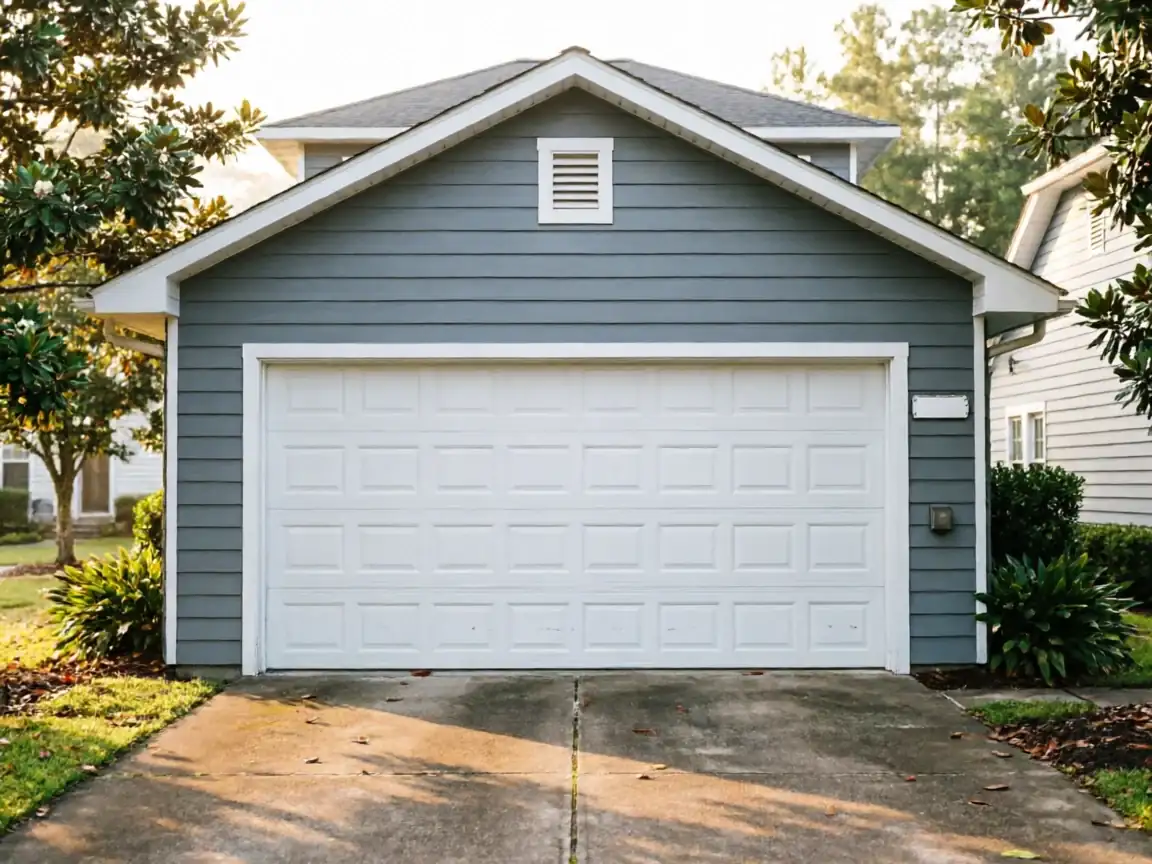
Across the roughly 2,169 households in Theodore, a lot of garages share that same 1988 build year, which means a lot of doors are hitting this same wear point around the same time. If your neighbor's door started grinding this year, don't be surprised if yours starts next year - it's the same hardware, installed the same decade, wearing out on the same schedule.