What You Pay
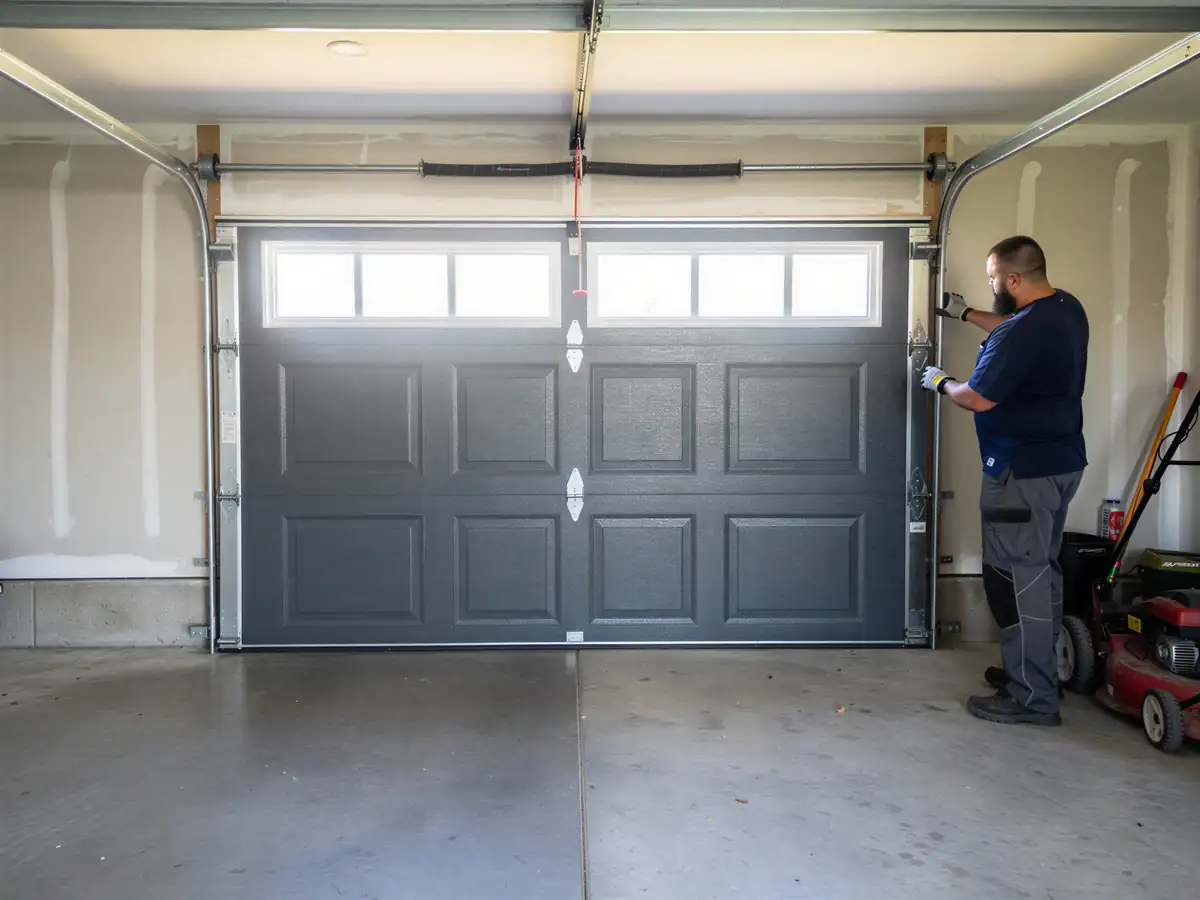
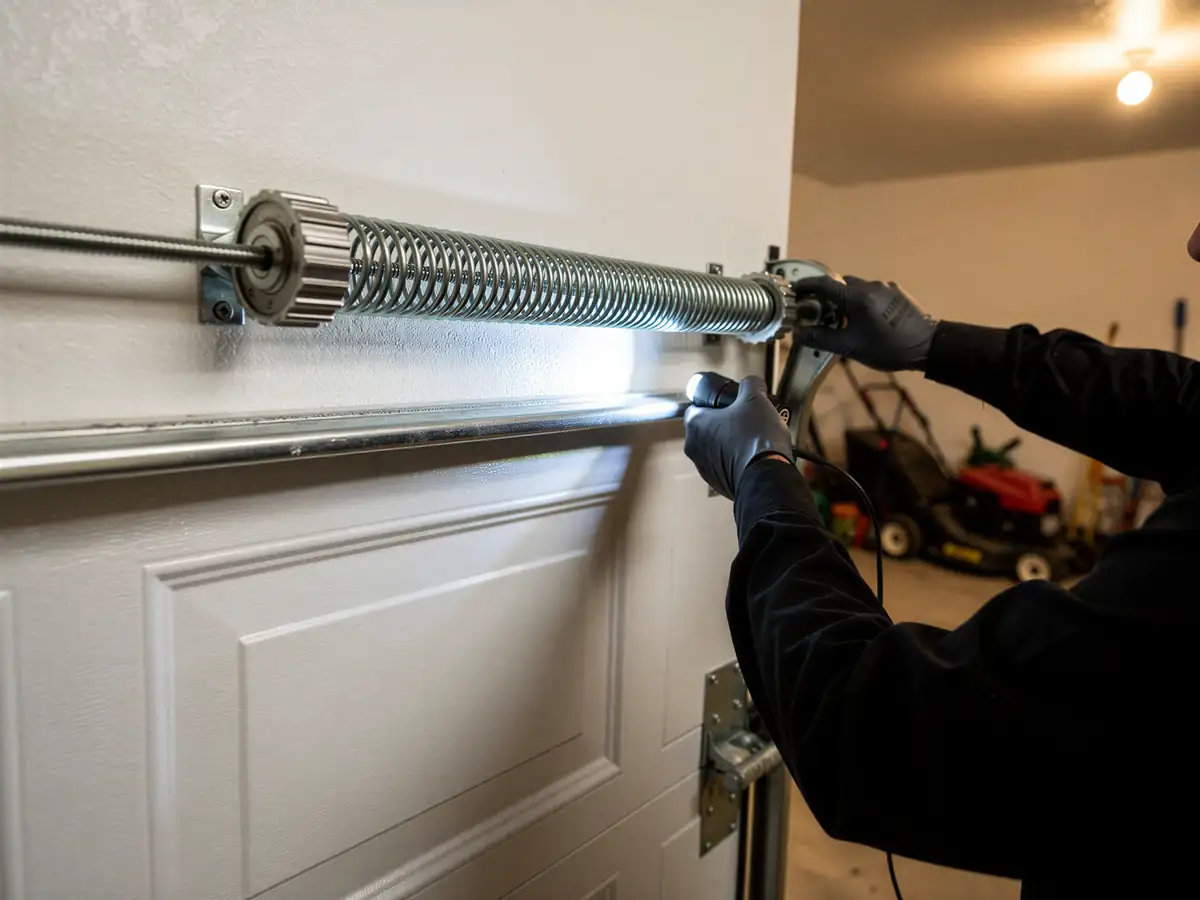
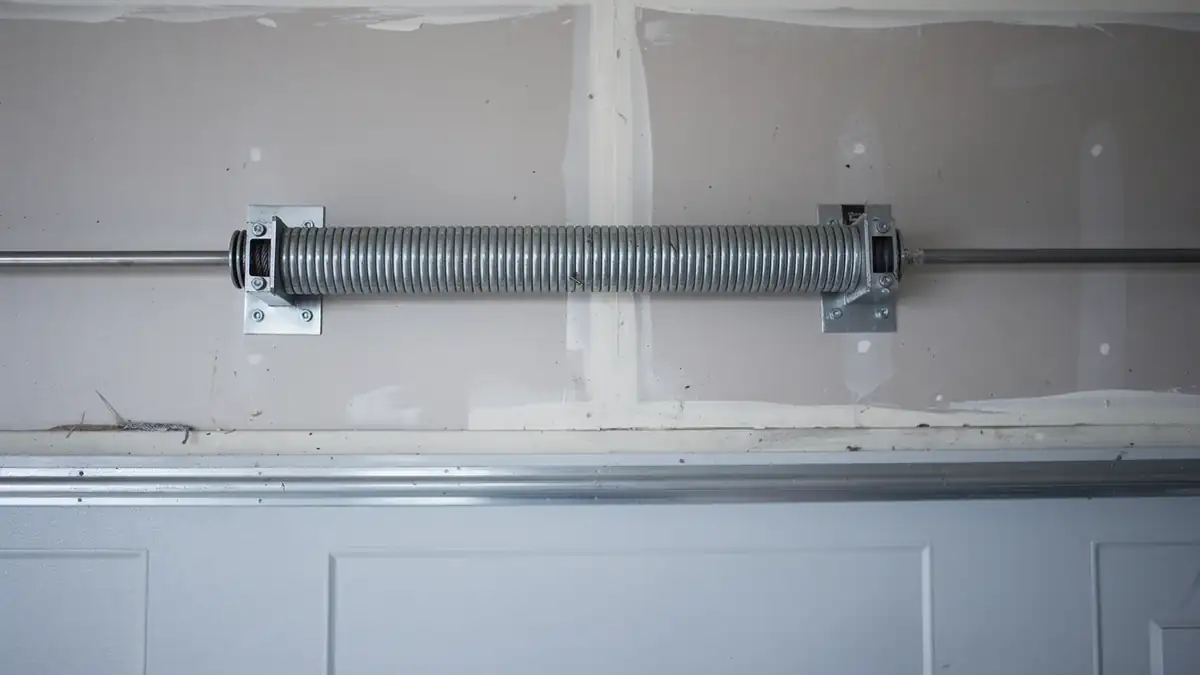
The number you end up with depends on what's actually broken, not on who you call. A single torsion spring on a standard double door is a different job than a pair of extension springs on an older single-car door, and Mobile has both kinds hanging in garages right now because of how spread out the build years are here - 1963 on one end, 1999 on the other, median around 1983.
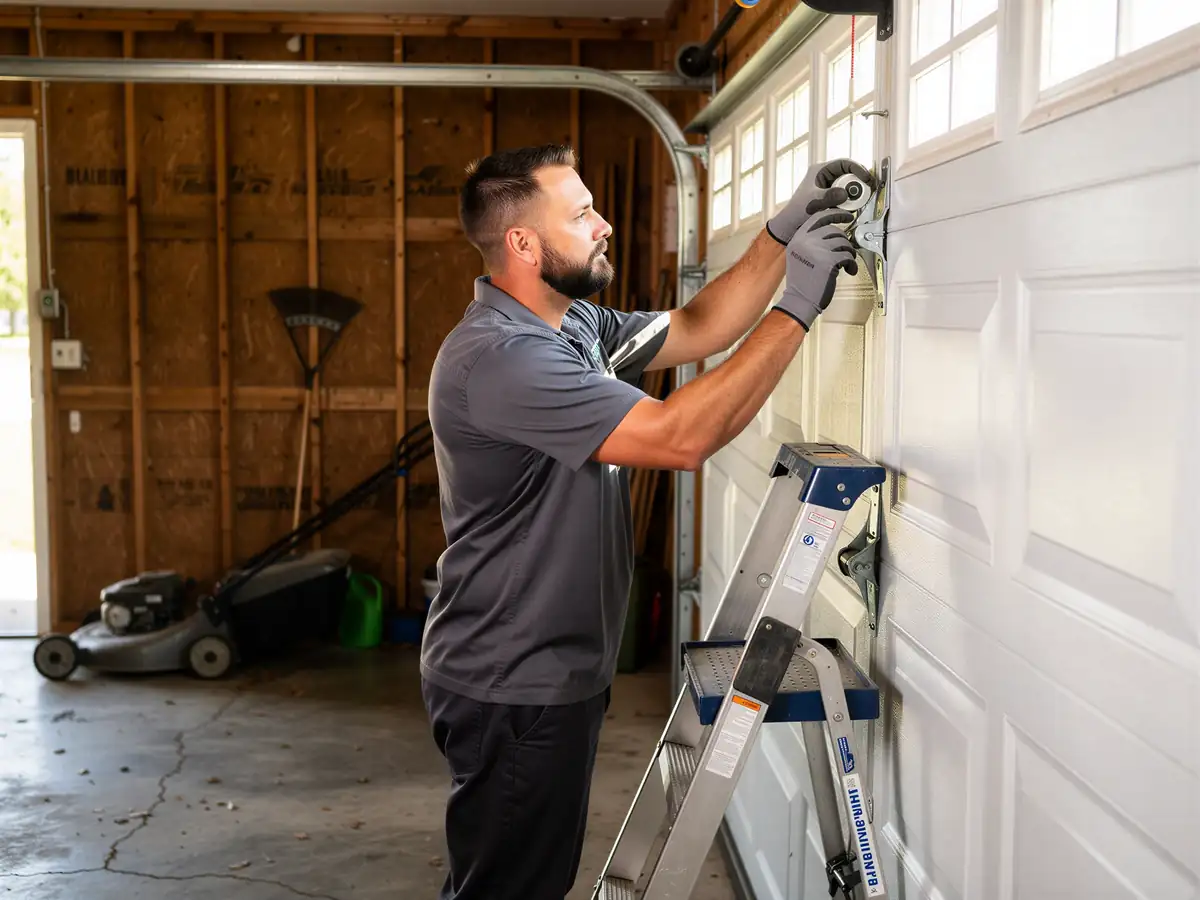
With a median household income of $62,318 across 46,241 households in the service area, most calls we get are owners trying to decide whether a spring repair makes sense or whether the door itself - opener, track, and all - is old enough that fixing one part just means the next part fails in six months. That's a real conversation, not a sales pitch, and it's one we have before any work starts.
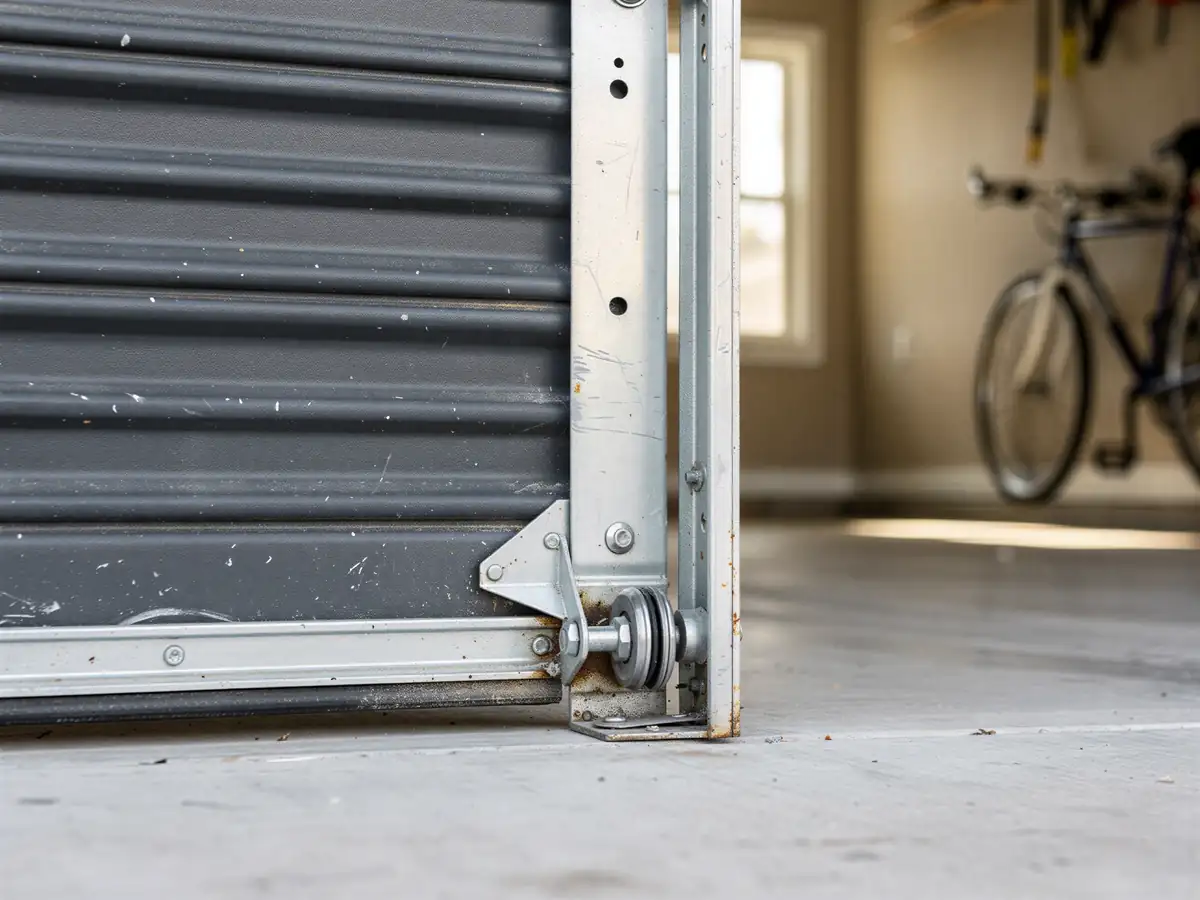
We don't quote a flat number over the phone for spring jobs, because a double door with two springs costs more in parts than a single door with one, and a door that's been painted shut or has a bent track adds labor the spring alone didn't cause. What we can tell you is that waiting rarely makes the repair cheaper - a stuck door under tension is a bigger job than a door that's merely noisy.
Leaving It Alone
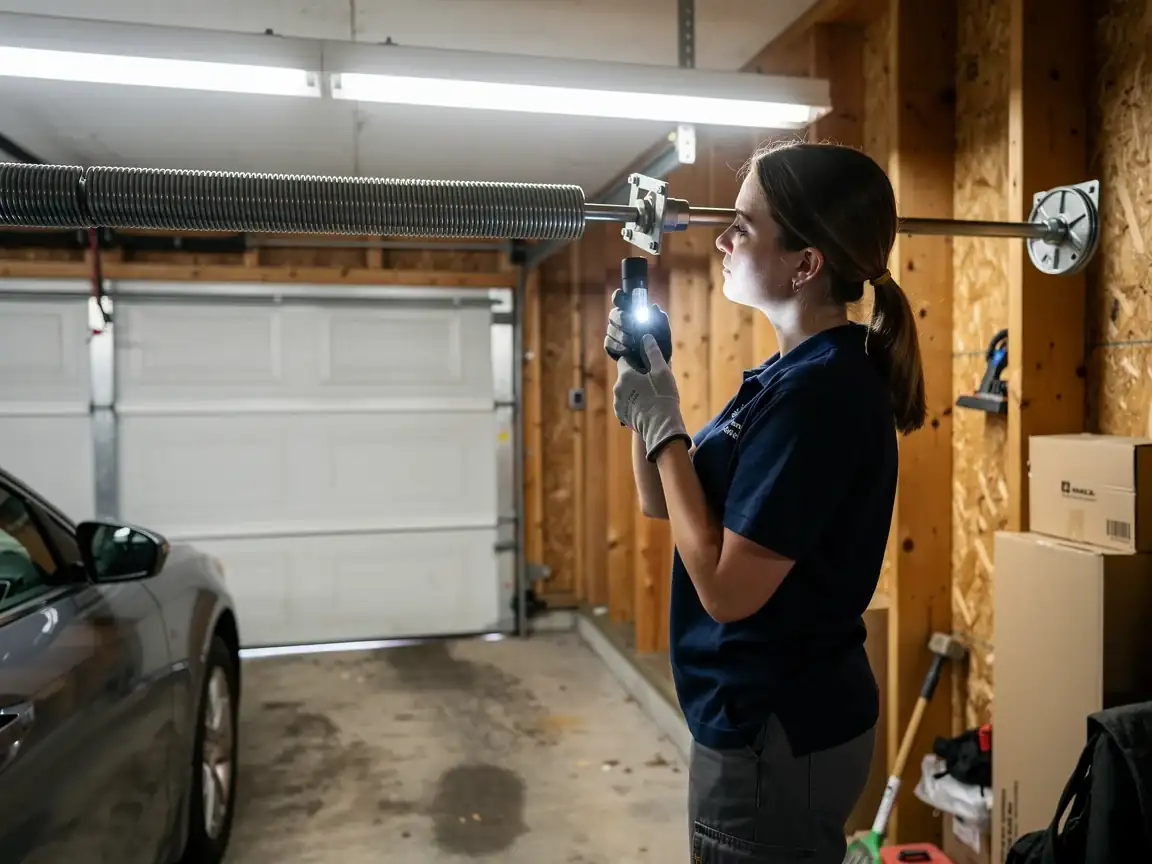
A spring that's starting to go doesn't usually announce itself with a bang. It gets louder, the door starts to feel heavier at the halfway point, or the opener strains and reverses partway up. Owners in houses built in the 1970s and 80s - which is most of this service area - often ride that stage for months because the door still technically opens.
The risk isn't just a door that won't move. A spring under load that finally lets go can snap a cable, and a snapped cable on a door that's already up can let the whole panel drop. That's a heavier repair than the spring would have been, and it's the call we get most often from owners who waited through the