The Complications
Theodore's median household income is $60,764. That number matters more than it sounds like it should, because it sits right at the line where a homeowner has to decide between paying for a repair and just replacing the door. Below that line, people patch. Above it, people swap the whole unit out and stop thinking about it. Theodore sits close enough to the middle that both calls come in, and we don't push either one on you over the phone before we've seen the door.
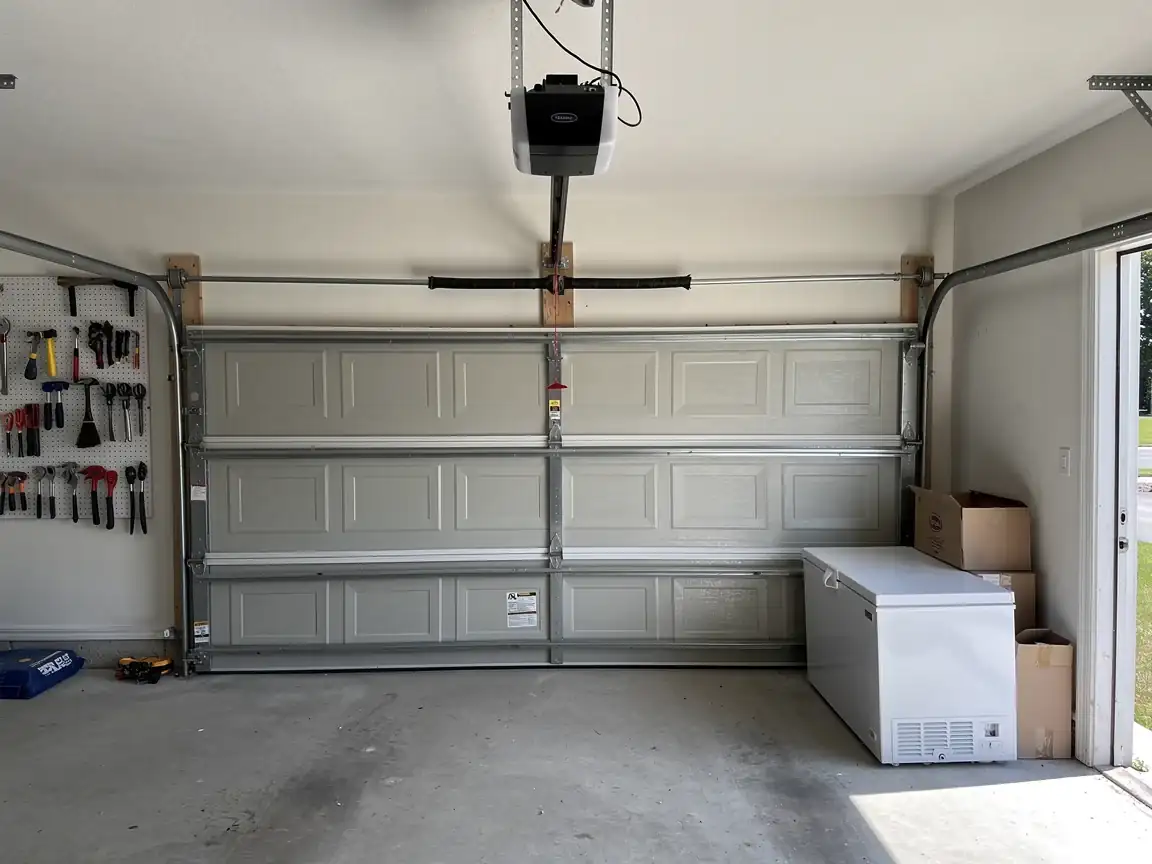
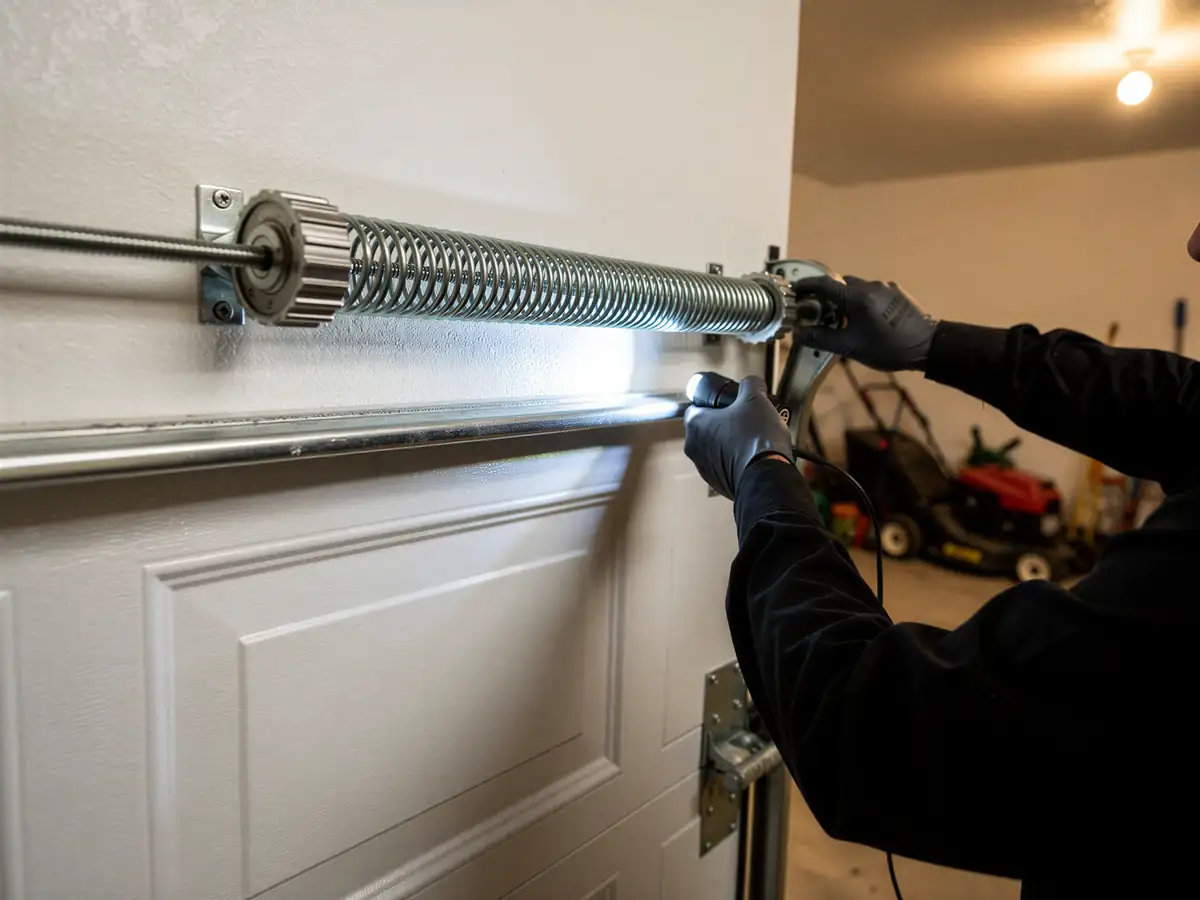
The other complication is the housing stock. Most houses in Theodore went up around 1988, a few years later than the broader service area's median of 1983. That gap matters for hardware. A door from 1988 is more likely to have a factory torsion spring setup on a center bracket than the older extension-spring rigs you see on houses built in the 60s and 70s closer to the city. Torsion systems fail differently and they fail in a way that's more dangerous to touch yourself - the spring is wound under tension, not just stretched.
With 2,169 households in Theodore, that late-80s hardware generation is common enough that we keep the parts for it on the truck, not on order.
The Symptom
The call we get from this part of the service area is usually one of two things: a door that won't move at all, with a loud bang beforehand, or a door that creeps up a few inches and stalls. The bang-and-stop is almost always the torsion spring letting go - common on doors from the late 80s build era that are hitting the end of their spring cycle count right about now, decades after installation.
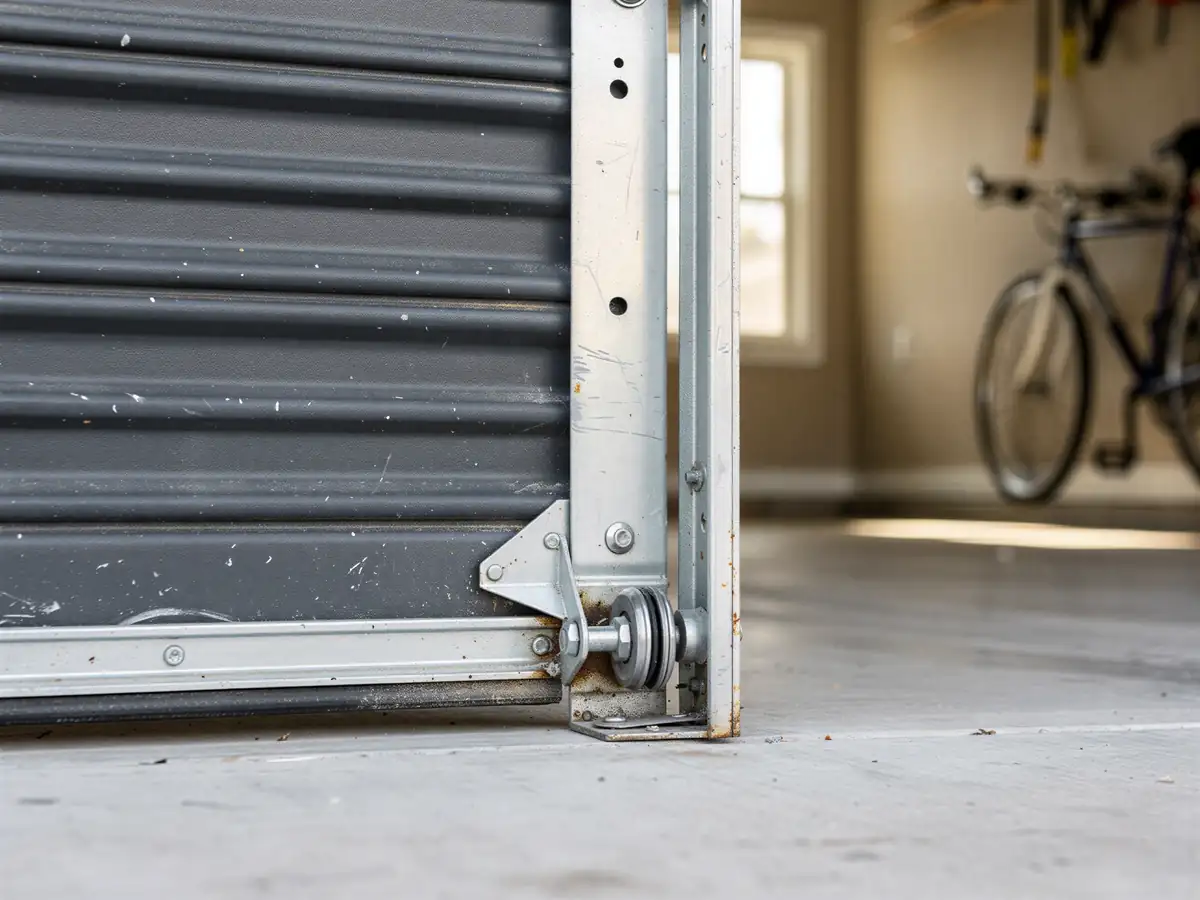
The creep-and-stall is different. It's usually a cable that's started to fray off the drum, or a roller that's worn enough to bind in the track. Either way the opener keeps trying and burning out its gears while the door goes nowhere, which is worse than if it had just quit outright.
A door that reverses itself halfway down, slamming back up, is a safety sensor problem or a spring that's lost enough tension that the opener can't tell the difference between a closed door and an obstructed one. None of these are jobs to force through with the emergency release and brute strength - that's how people end up in the ER with a hand under a 400-pound door.
How We Fix It
We come out from Mobile
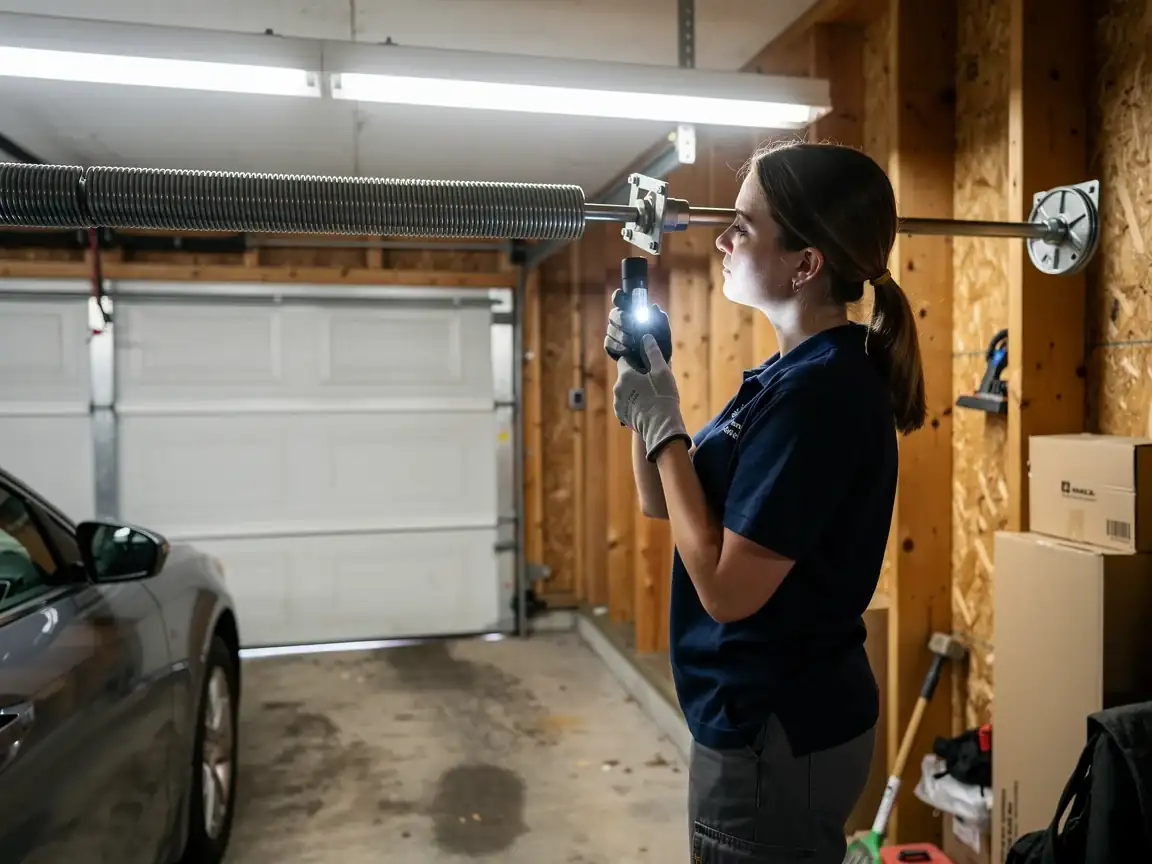
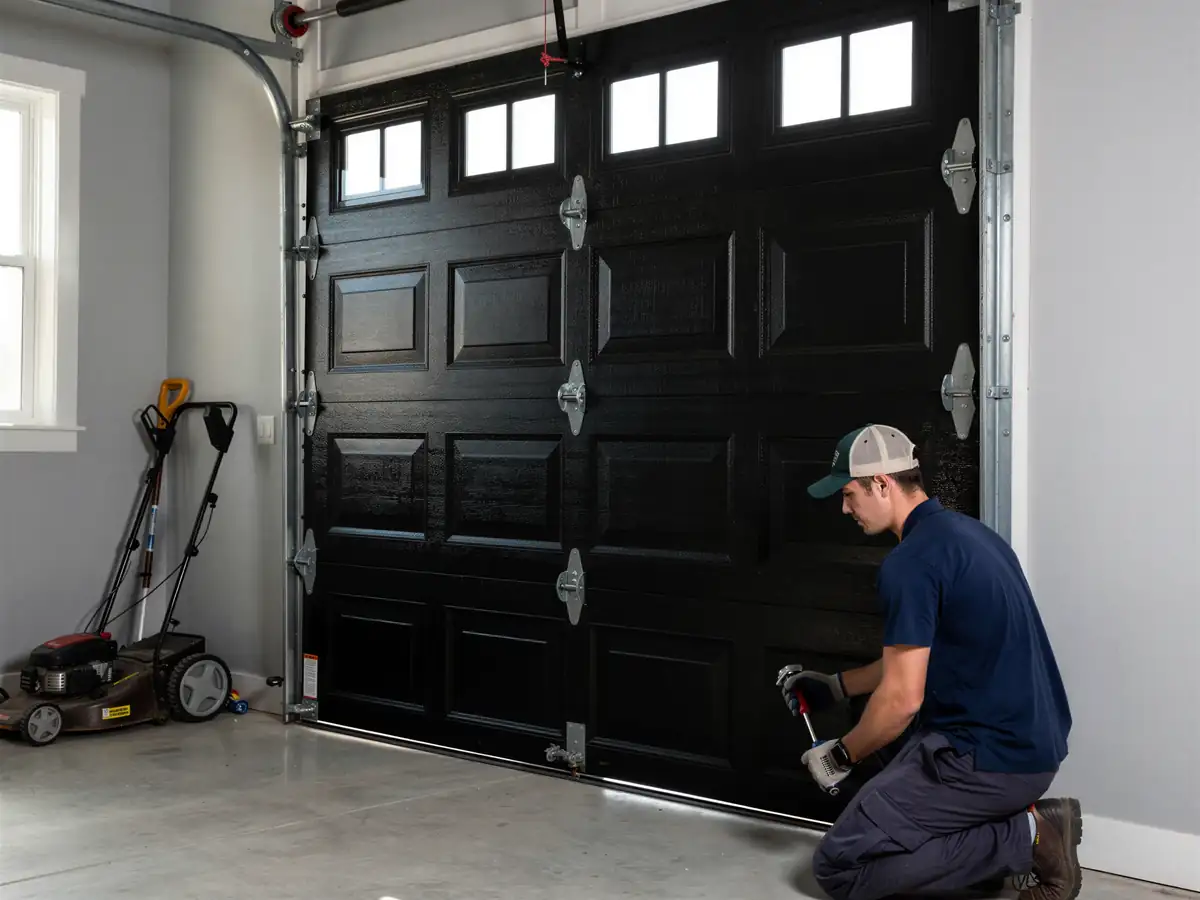
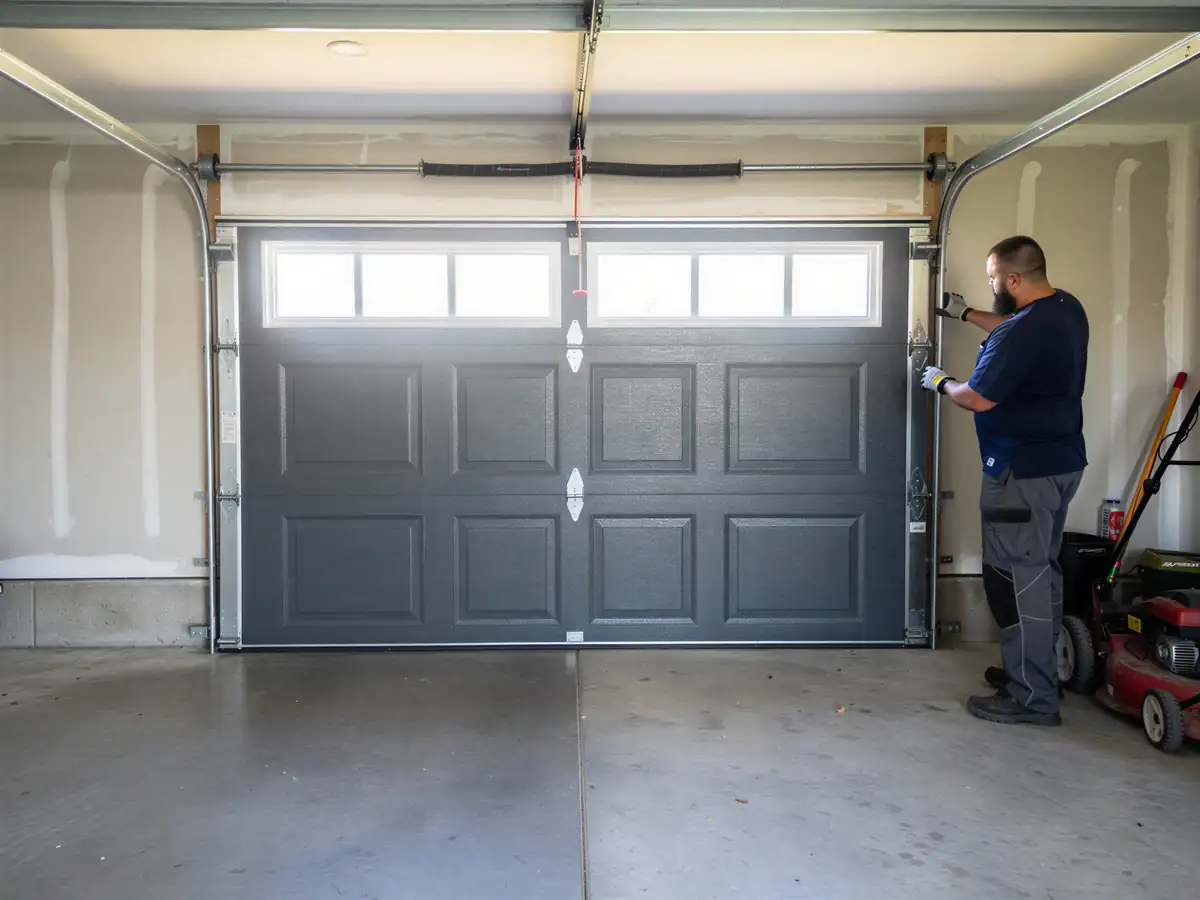
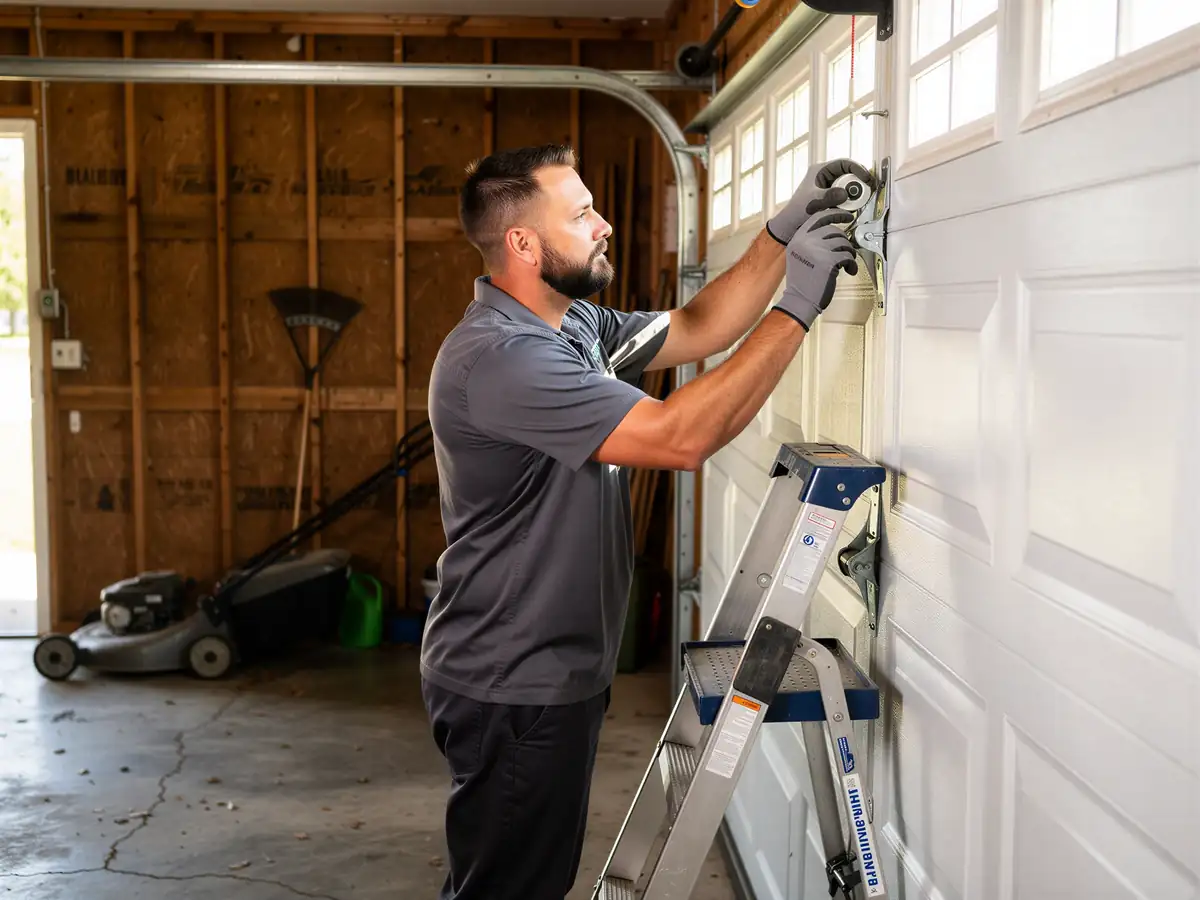
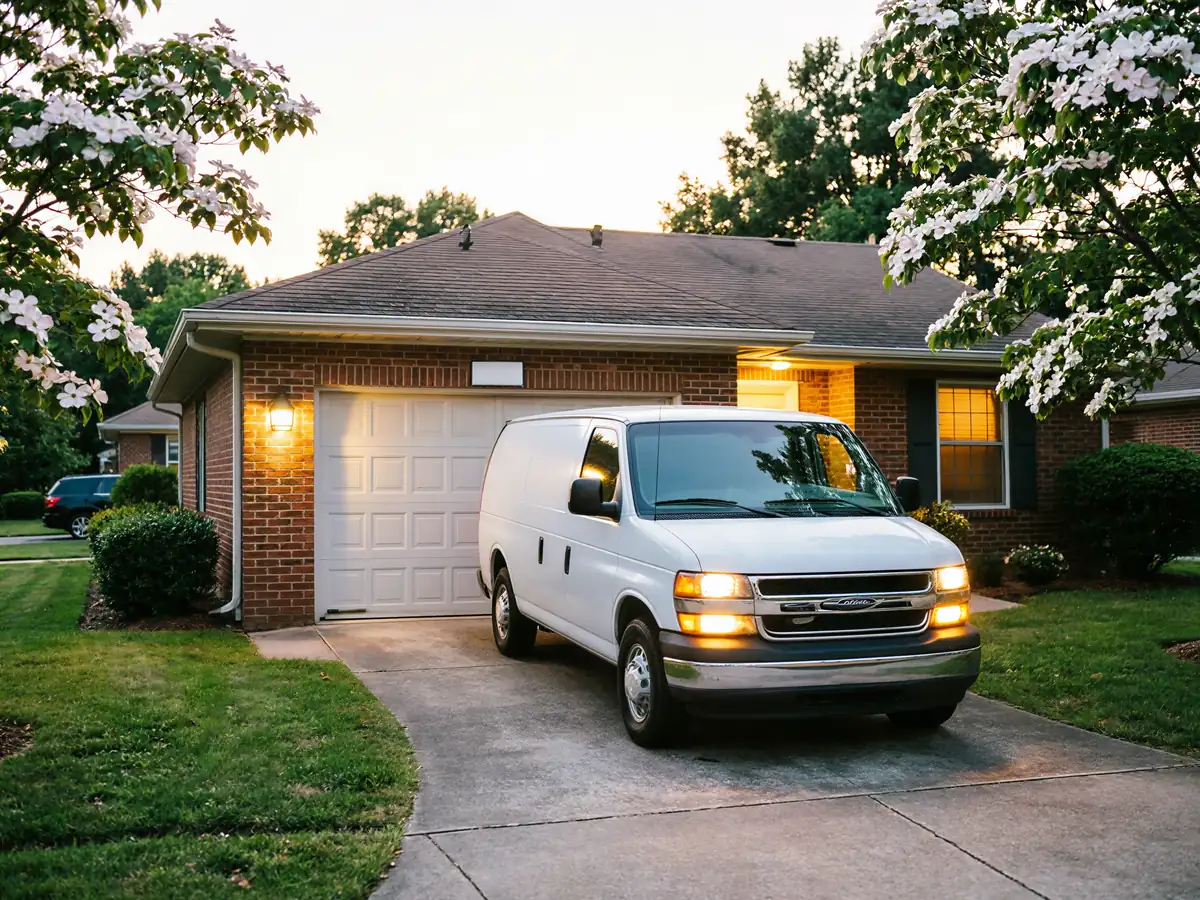
Theodore is about 10 miles out, and we don't promise a depot or a branch location here, just that the truck makes the drive. On arrival we check the spring, cables, rollers, and track alignment before we touch the opener, because a lot of opener complaints are actually a door that's too heavy for the motor to lift anymore.
- 10 miles
For torsion spring failures
Which are the most common emergency call out of Theodore's late-80s housing stock, we replace the spring to match the door's actual weight and cycle rating, not just swap in whatever's closest. Cable and roller work gets done at the same visit if the door is already open on the bench, since there's no sense charging a second trip for parts that are already failing together.
What we won't do is quote you an opener replacement over the phone before we've seen whether the real problem is the door itself
That's a guess, and a bad one, given how often the two get confused.
What You Pay
At Theodore's median income of $60,764, the repair-versus-replace decision usually comes down to whether the door itself - the panels, not the opener - is sound. A torsion spring swap on a door that's otherwise in good shape is the cheaper call and the right one. A full door replacement makes more sense once the panels are dented, the track is bent, or the door is old enough that parts for it are getting hard to source.
We don't have a published price list that applies evenly across every job, because spring weight, door size, and the number of broken parts all move the number. What we can tell you is that we price the job after we've seen it, not before, and we don't add an emergency surcharge just because the call came in after hours.
The honest limitation here: if your opener is a logic board failure rather than a mechanical one, parts lead times on some older board models run longer than we'd like, and we'll tell you that up front instead of promising a same-day fix we can't back.
Why This Fails Locally
A generic garage door page would tell you to call for fast emergency service and leave it there. That doesn't hold up for Theodore specifically. The failures here trace back to a housing stock that's a few years newer than the rest of the service area's 1983 median, which means torsion hardware rather than the older extension-spring setups, and an income level where the repair-or-replace call genuinely goes either way rather than defaulting to one side.
Theodore also isn't served from a local branch - it's a 10-mile run from Mobile, out past Tillmans Corner at 9 miles and before Semmes at 12. That's not a complaint, it's just how the territory is laid out, and it's why we don't promise a response time we can't control once we're on the road.
The mild climate with occasional freeze that covers this whole area still plays a part - steel panels contract on the rare cold morning and can bind just enough to strain a spring that was already near the end of its life. That's a small factor on top of the bigger one, which is simply how old the hardware is.