What You Pay
We're not going to put a number here that isn't backed by a real quote, because what you pay depends on what's actually hanging in your opening. A single steel panel door built in the median year for this area, 1983, is a different animal than something installed in the late 90s with a thin foam layer glued behind the skin. Repair costs on original hardware vary by whether the track, spring, and rollers are the builder-grade parts that came with the house or something swapped in since.
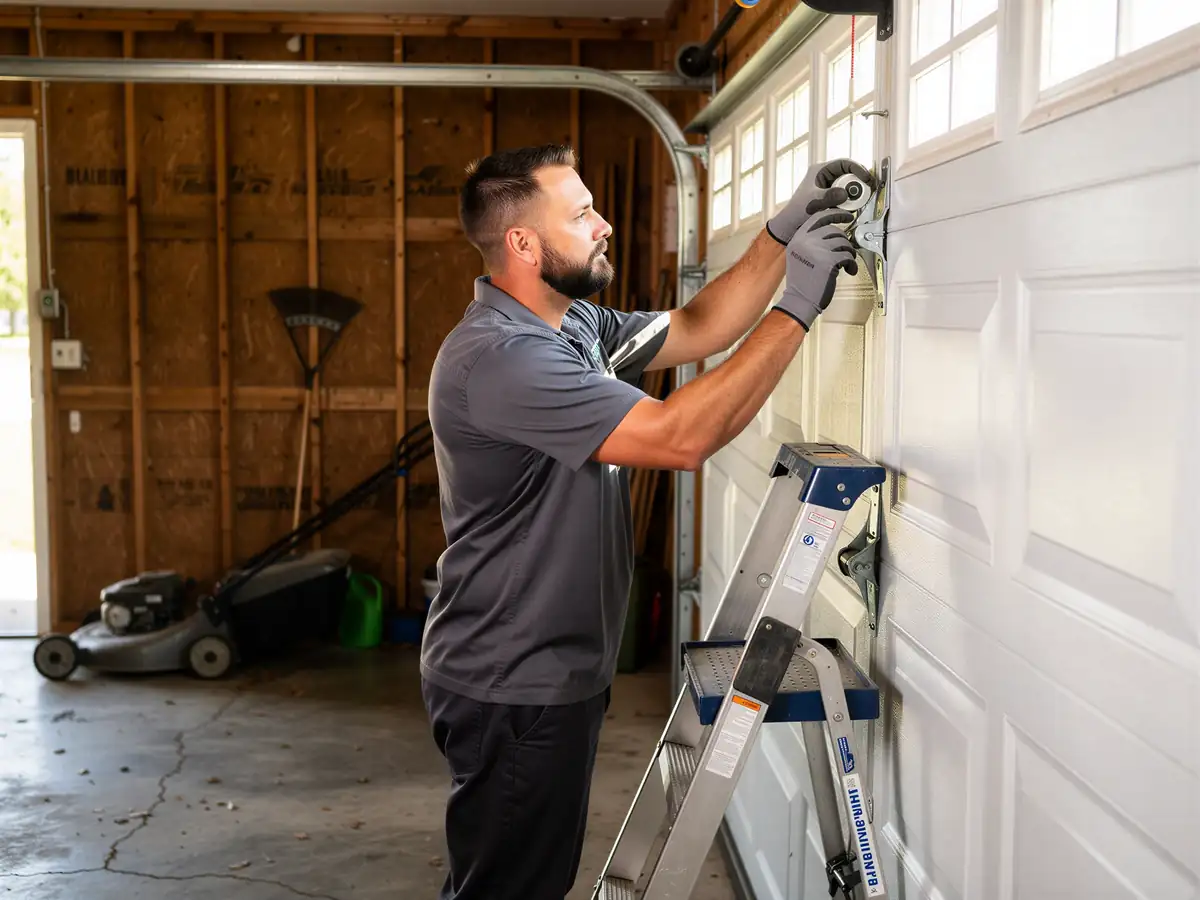
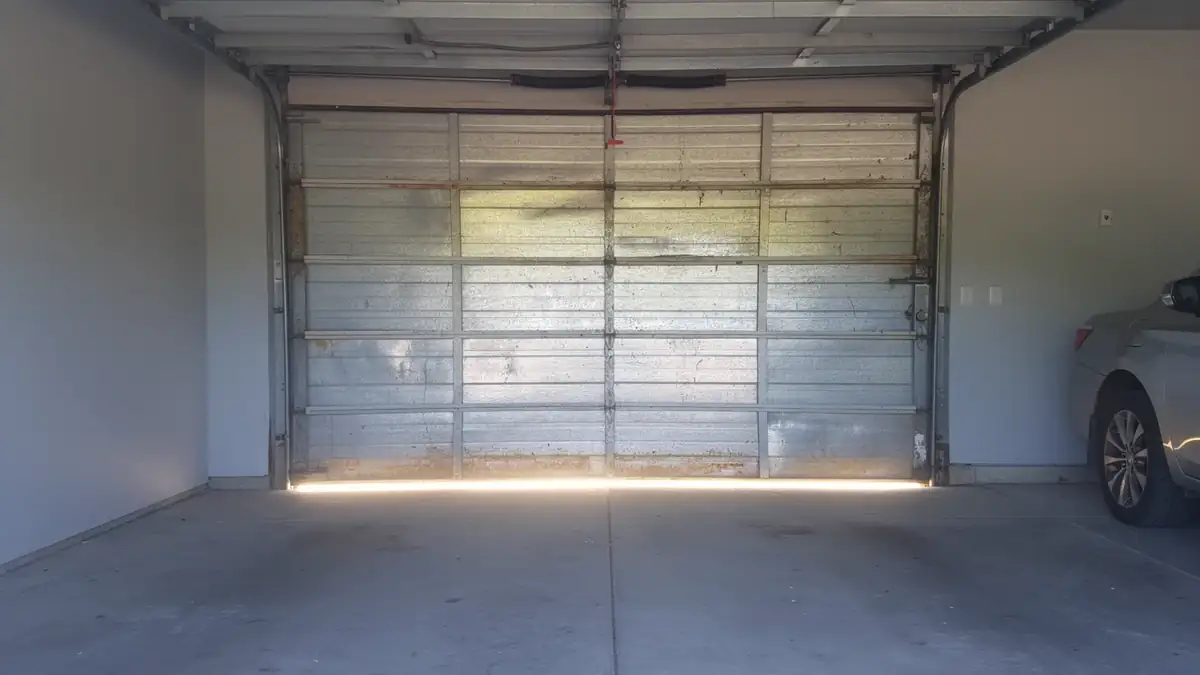
What we can tell you is that replacement versus repair comes down to the door itself. An uninsulated steel door from the 1980s with surface rust and a bent bottom panel usually isn't worth sinking repair money into once the springs and the skin both need attention at the same time. A door from the same era that's just lost a roller or cracked a hinge is a cheap fix.
The honest limitation: we don't give phone quotes on insulation retrofits sight unseen. Foam-fill kits and insulated replacement panels fit differently depending on the track depth and header clearance on original construction, and those numbers change house to house even within the same subdivision.
Leaving It Alone
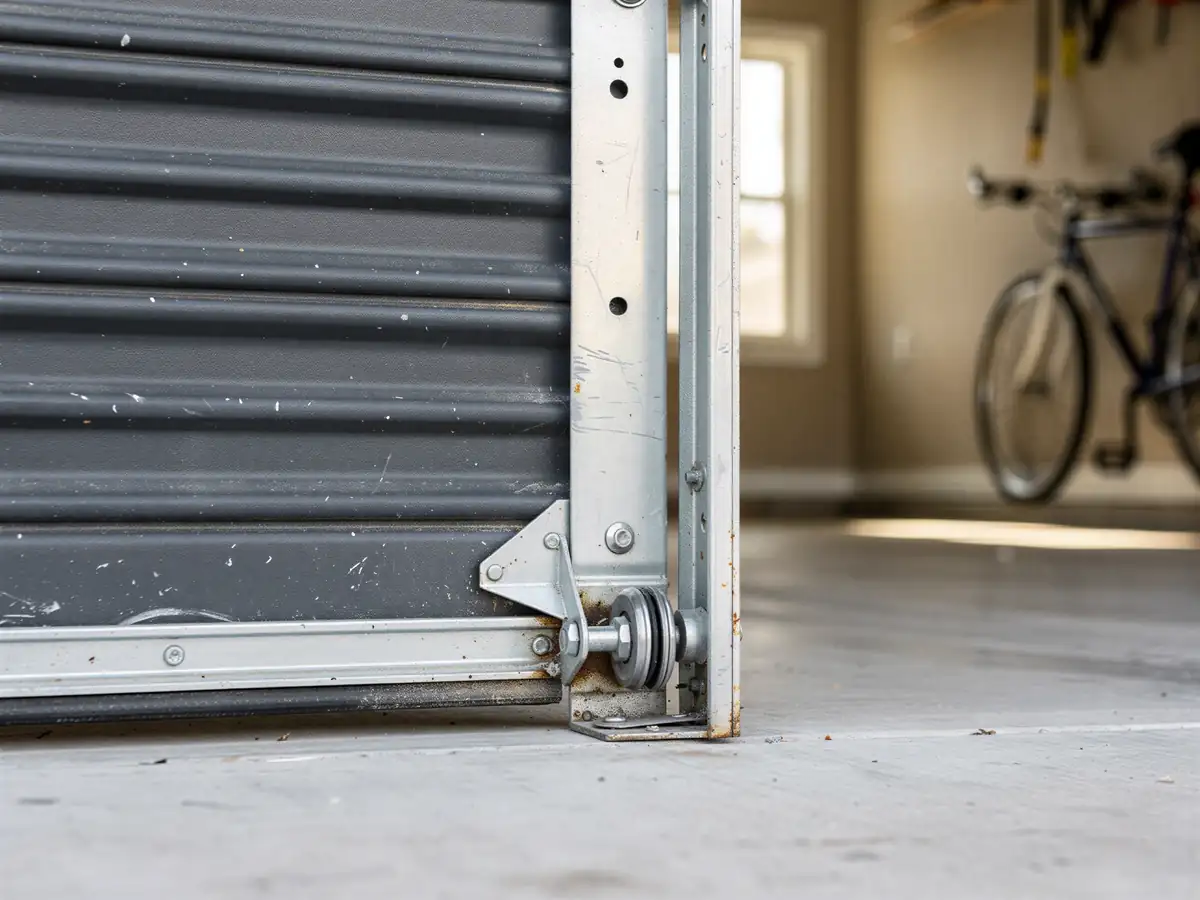
A door that was never built with insulation in the first place doesn't get worse from sitting there uninsulated - that part was baked in at the factory decades ago. What does get worse is what rides on top of that: the weatherstrip at the bottom, the seal at the sides, and the hardware carrying a heavier, uninsulated steel slab day after day.
Most of the housing stock across this service area went up between 1963 and 1999, with the typical build year landing around 1983. A door that age has had close to forty years of cable, spring, and roller wear with zero upgrades. Ignoring a stiff spring or a track that's walked slightly out of alignment on a door like that doesn't just risk a stuck door - a torsion spring under decades of fatigue can let go without warning, and a heavy uninsulated panel coming down fast is not a small thing.
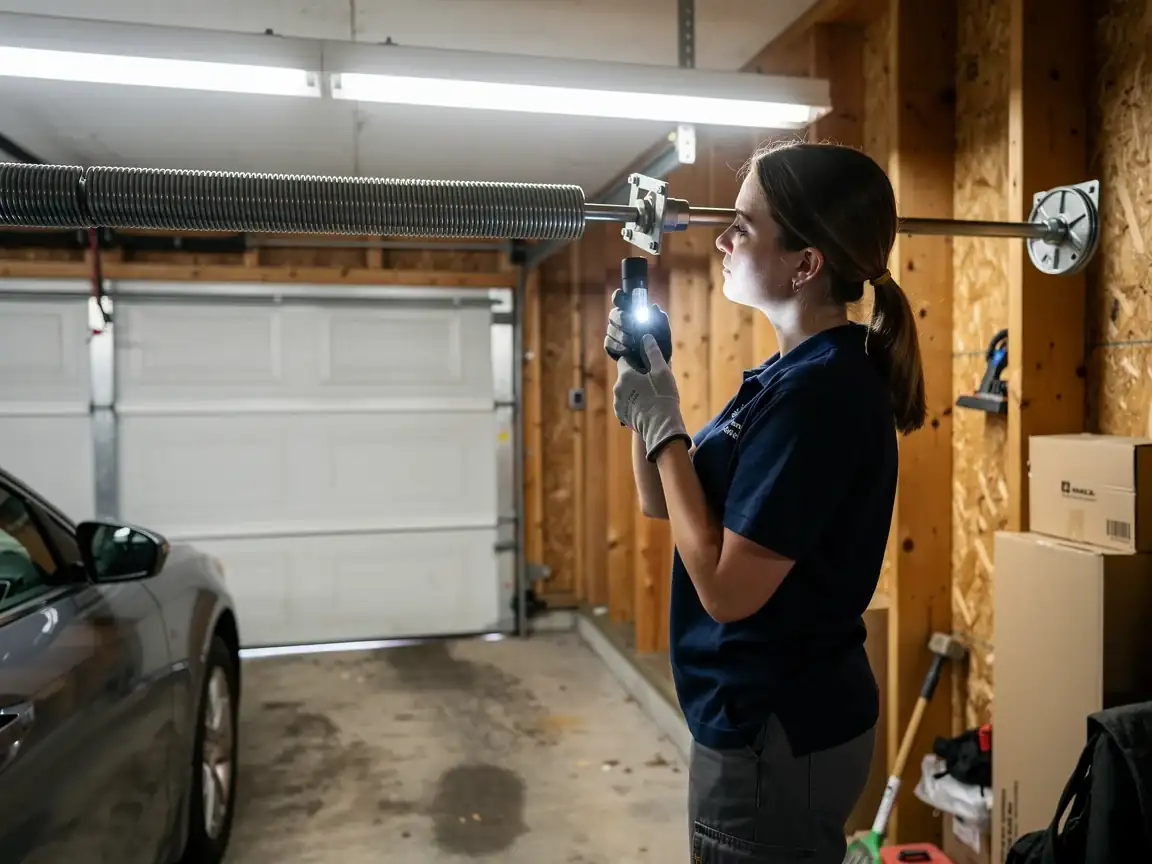
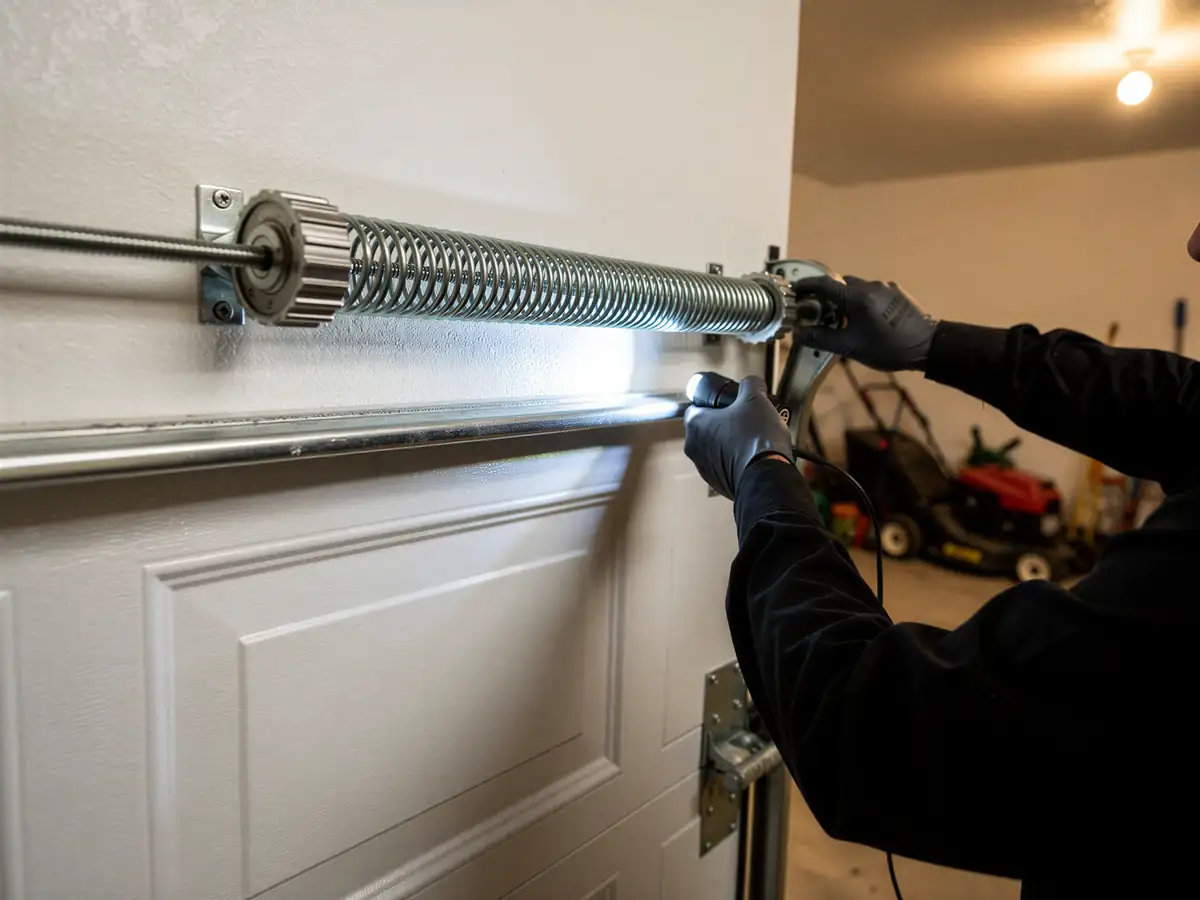
The parts most worth checking on a house this age are the ones nobody looks at: the end bearing plates, the spring cones, and the lift cable where it wraps the drum. None of that shows up on a visual walk-by from the driveway. If the door still opens and closes, that's not the same as the hardware being sound.
How Local Conditions Play In
Mobile sits in a mild climate band with occasional freeze
Not the hard freeze-thaw swings that crack weatherstripping and seize springs further north. That's good news for the door itself - the steel and the torsion spring aren't getting hammered by repeated deep-freeze cycles the way they would in a colder region.
What that mild-with-occasional-freeze pattern does mean is that when a cold snap does come through
It's catching hardware and seals that spent most of the year never needing to flex against cold at all. A bottom seal on a 1980s door that's gone brittle from UV and heat exposure, then hits one hard freeze night, is more likely to crack than a seal that's cycled through real winters and stayed supple. It's an occasional-stress problem rather than a constant one.
We don't see the kind of ice-dam or snow-load issues that drive garage door calls in colder states
And that's a real difference in what breaks here versus elsewhere. The failures we see tend to be spring fatigue, rusted hardware from humidity, and original tracks that have simply outlasted their builder-grade bearings - wear from age and moisture, not from cold.
What Is Going On
Across the areas we work in around Mobile - from Chickasaw and Prichard in close, out through Tillmans Corner, Theodore, and Semmes, to Saraland, Satsuma, Spanish Fort, and the rest of the named areas out to Grand Bay - the housing stock skews heavily toward the same era: built between 1963 and 1999, with most of it dating to the 1980s and 90s. That matters for garage doors specifically because insulation requirements for residential doors weren't part of the code when most of these houses were framed.
With 46,241 households in the service area and 29,831 of those owner-occupied, a large share of these doors are the originals, or close to it: single-layer steel or wood panels with no foam core, hung on hardware sized for a lighter builder-grade door rather than a modern insulated one. That's not a flaw, it's just what the building code called for at the time.
The practical upshot is that when someone calls about a drafty garage or a door that feels heavier than it should, the answer is often the door's age and construction, not a mechanical fault. Retrofitting insulation onto an old panel, or replacing it outright with a door built to current standards, are both real options - which one makes sense depends on the door in front of us, not a guess from the phone.