The Complications
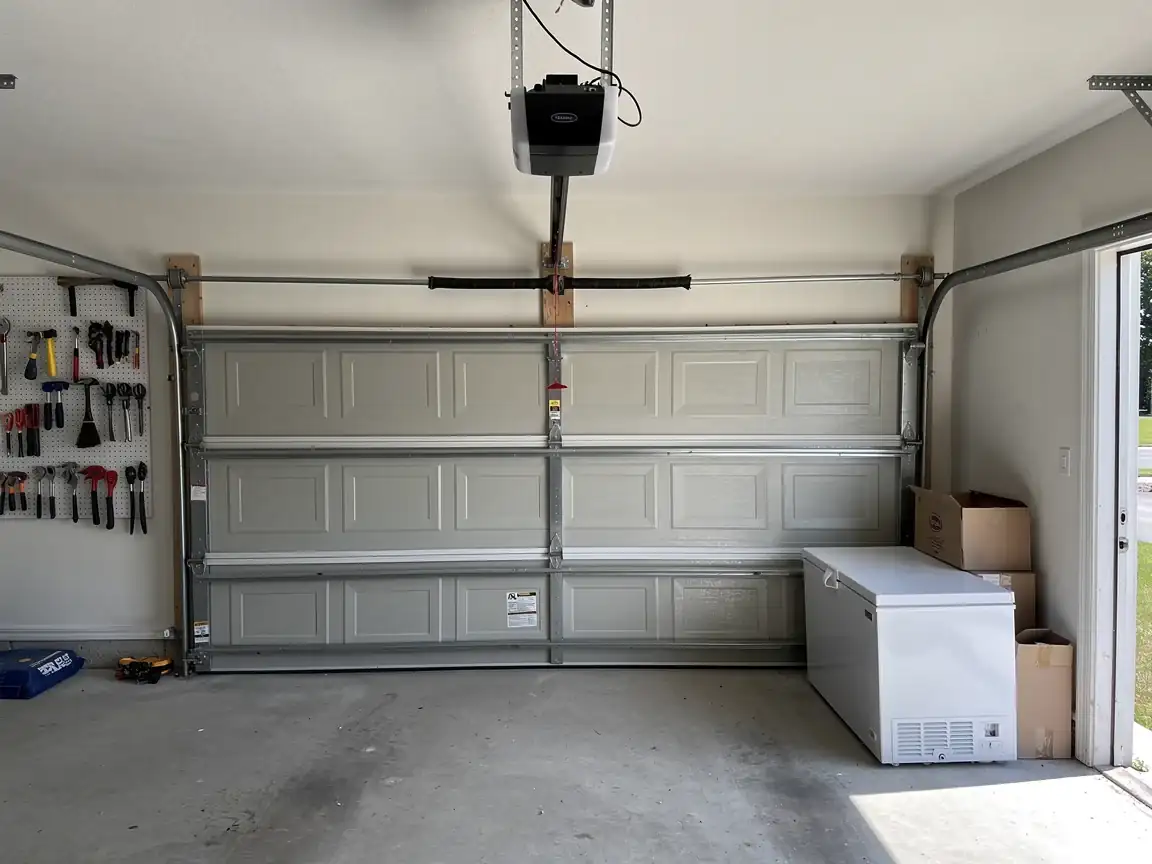
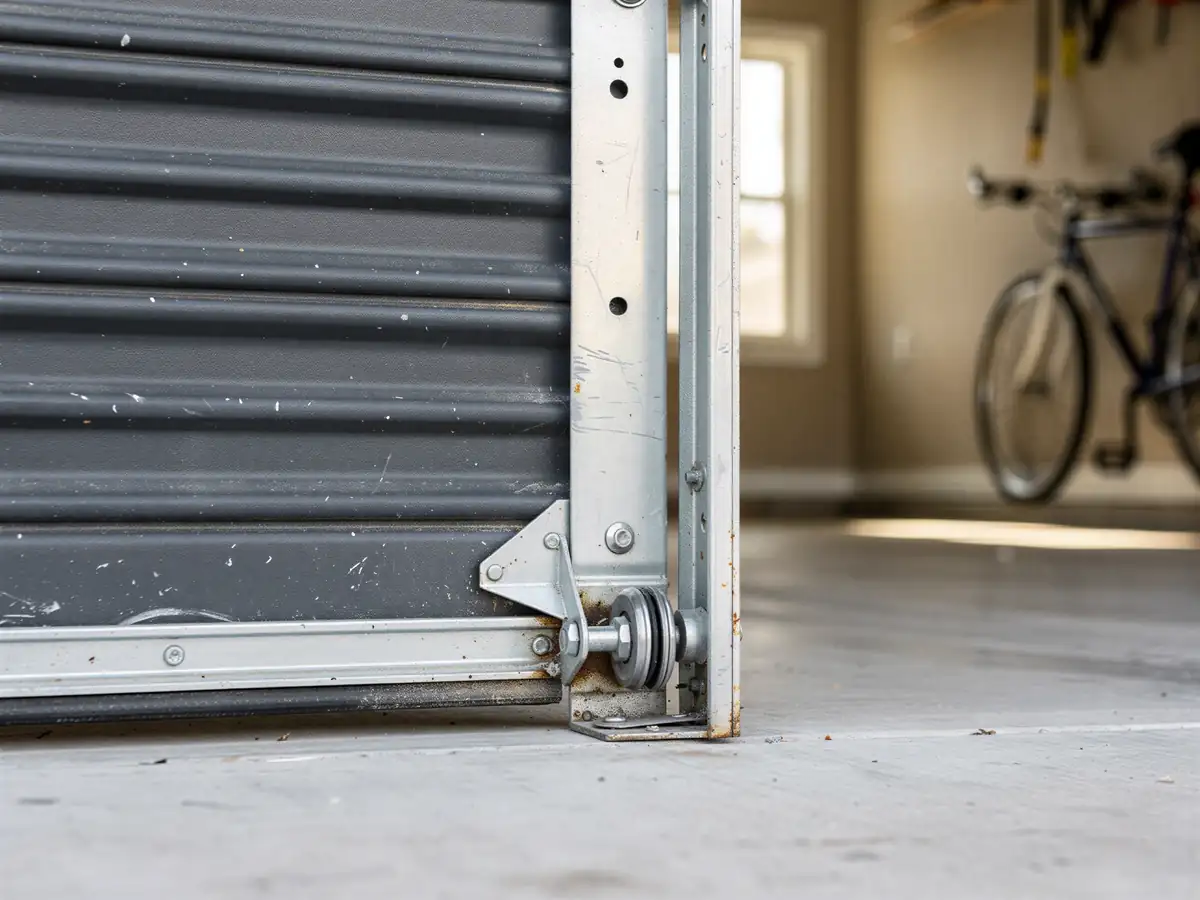
Most of what we pull out of Saraland garages is original steel-on-steel: a roller stem riding a track that hasn't been touched since the house went up. With a median build year around 1980 for this stretch, that hardware is pushing 45 years of daily travel, and steel rollers wear their own grooves into the track over that kind of time. Once the groove is there, a new roller of the same type just inherits the same noise and the same binding, because the track itself has gone out of true.
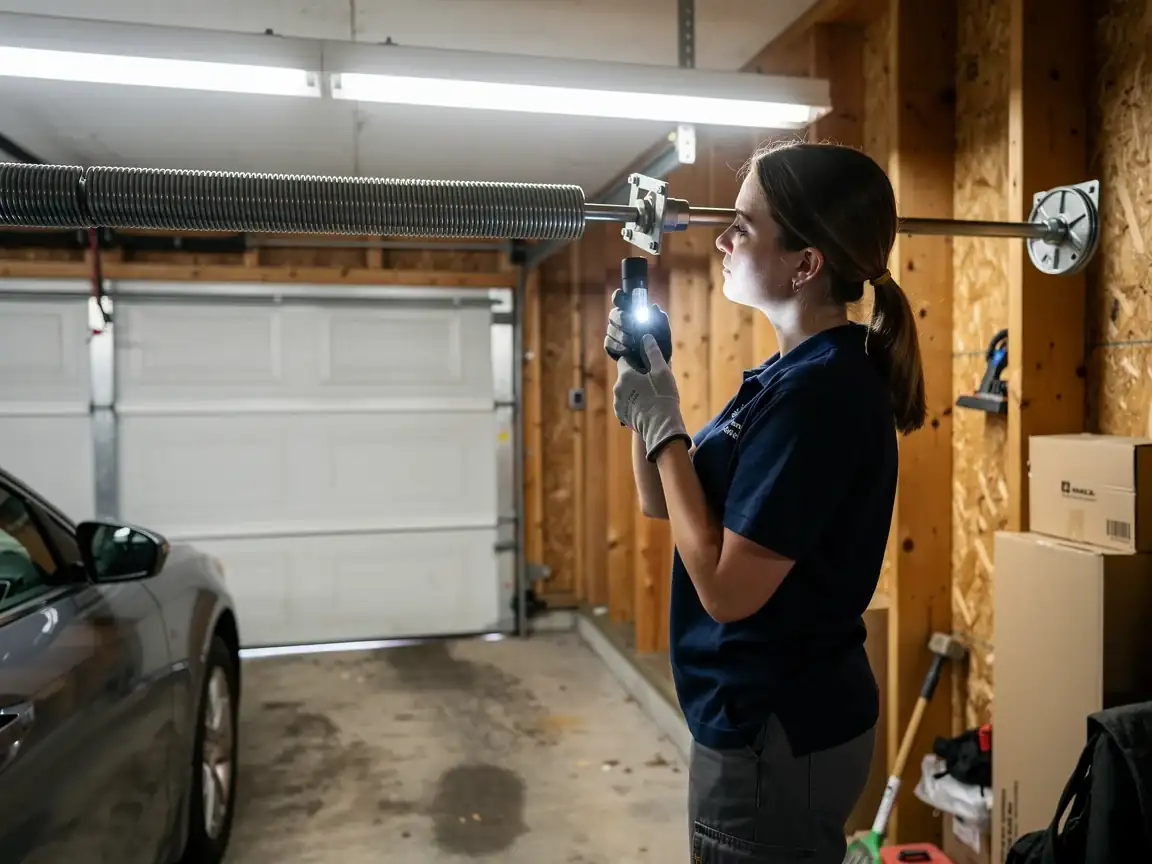
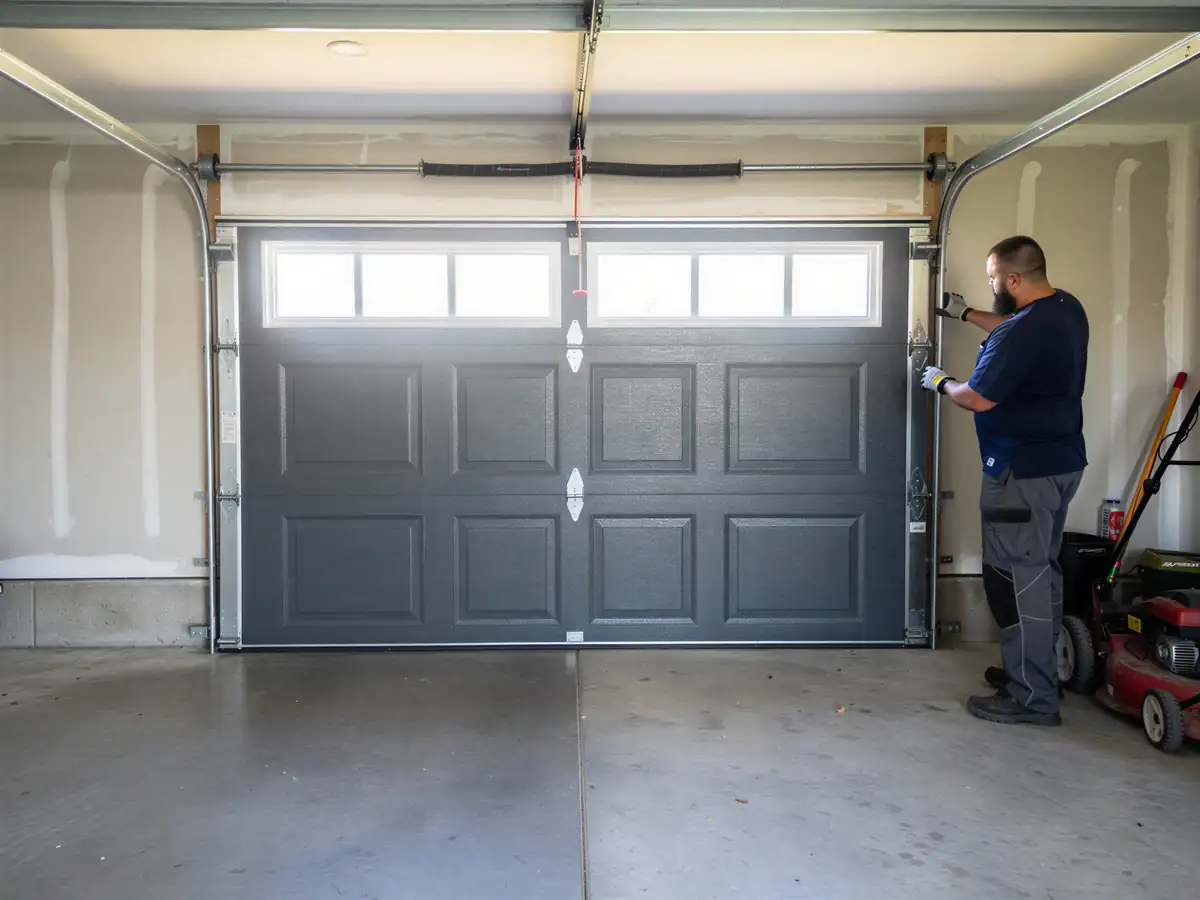
The complication isn't the roller, it's what the roller tells you about the rest of the door. On houses from this era we often find the track brackets have loosened from decades of vibration, and the bottom bracket - which takes the most load - is the one most likely to have stretched its bolt holes. Swap a roller without checking that and you've fixed the symptom, not the cause. We check track alignment and bracket hardware before we touch a roller, because on a door this old, the roller is rarely working alone.
The DIY Question
Rollers look like an easy home project, and on a newer door with nylon rollers already installed, a straight swap often is. On the original steel hardware common to Saraland's 1980-era houses, it's a different job. The stems on old steel rollers are frequently rusted into the hinge, and forcing them out with the door under spring tension is how fingers get caught in a track.
If your rollers are already nylon and you're just hearing one noisy wheel, replacing that single roller yourself is reasonable - the door stays under control and the risk is low. If you're not sure what's under the hinge, or the door has started jumping the track on one side, that's a sign the track or bracket has moved, and that's not a bolt-it-back-together fix. We'd rather tell you that up front than have you call us after the door's already off the track.
How We Fix It
We replace rollers in sets, not one at a time
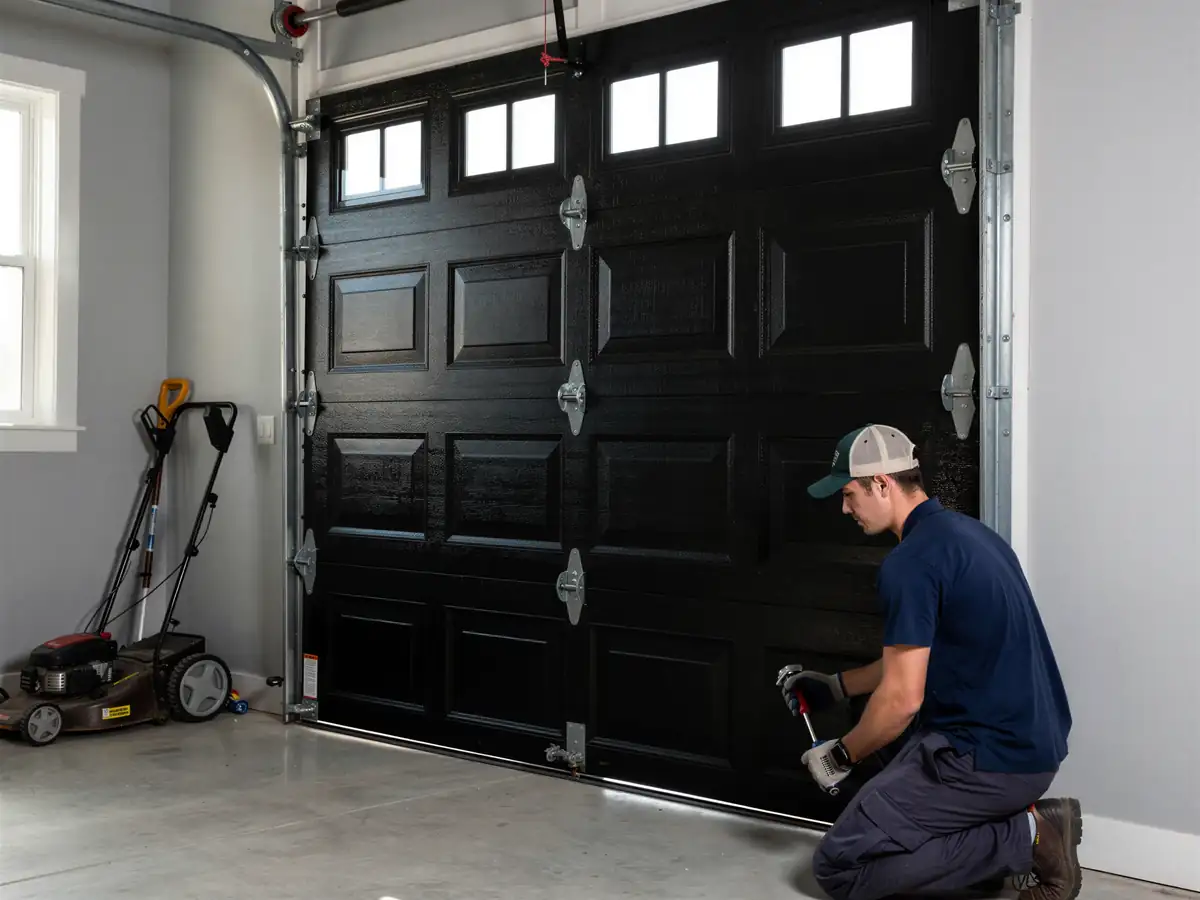
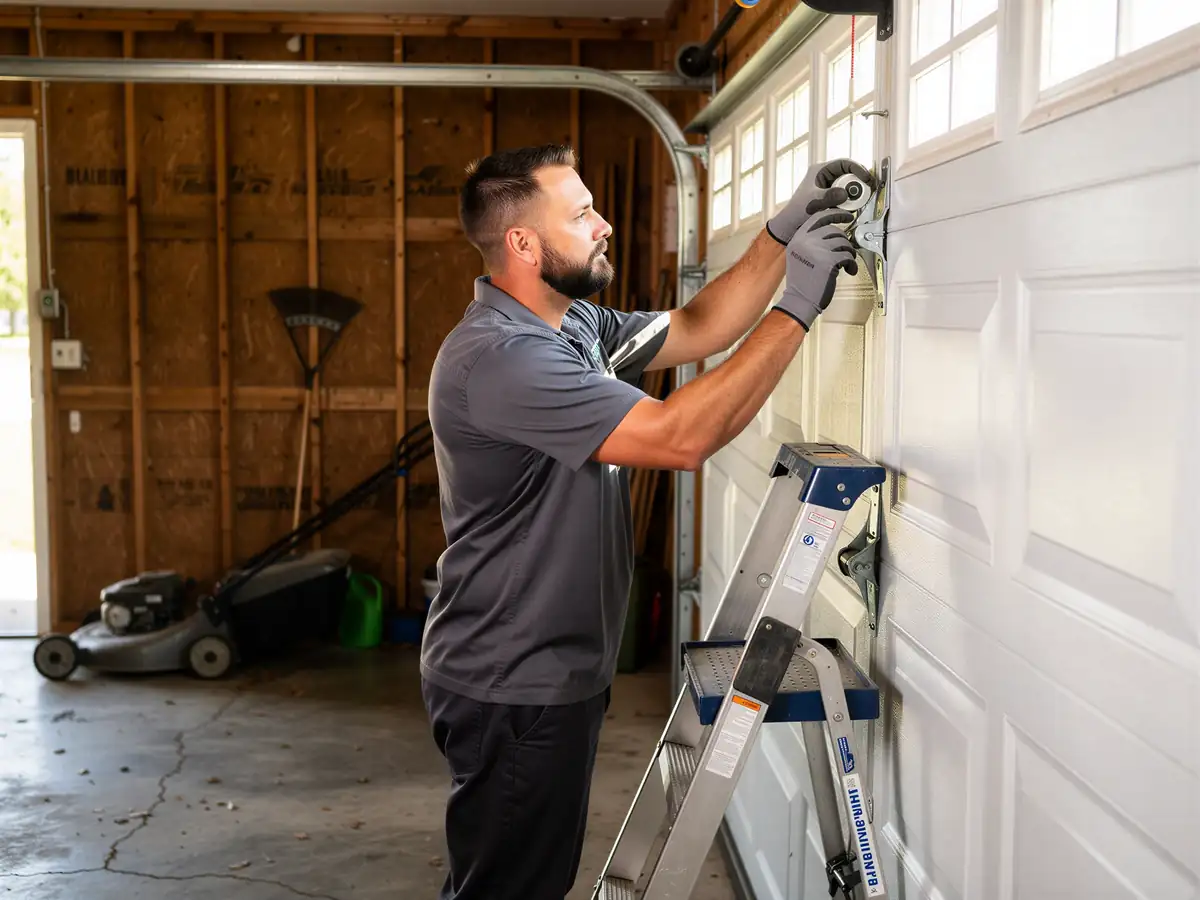
Because on a door running original 1980s hardware, if one roller has worn through its tires, the others are close behind on the same mileage. We pull the door, support it, and work one side of the track at a time so the door never comes fully off its rails.
While the rollers are out we check the track for the kind of flare or dent that steel rollers tend to leave after decades of contact
And we true up or replace any bracket that's stretched. In this climate band - mild with occasional freeze - we don't deal with the ice-locked tracks you'd see further north, but humidity still works on old steel hardware, and surface rust on 40-plus-year-old rollers is common enough that we check the whole run, not just the noisy wheel.
How Long It Takes
A full roller set on a single door, done in the garage, is usually a same-visit job once we're on site - rollers themselves don't have long lead times. What stretches the visit in Saraland's older housing is what we find underneath: a stretched bracket, a track that needs re-aligning, or hinges fused with rust that take longer to work loose cleanly than a newer, well-lubricated set would.
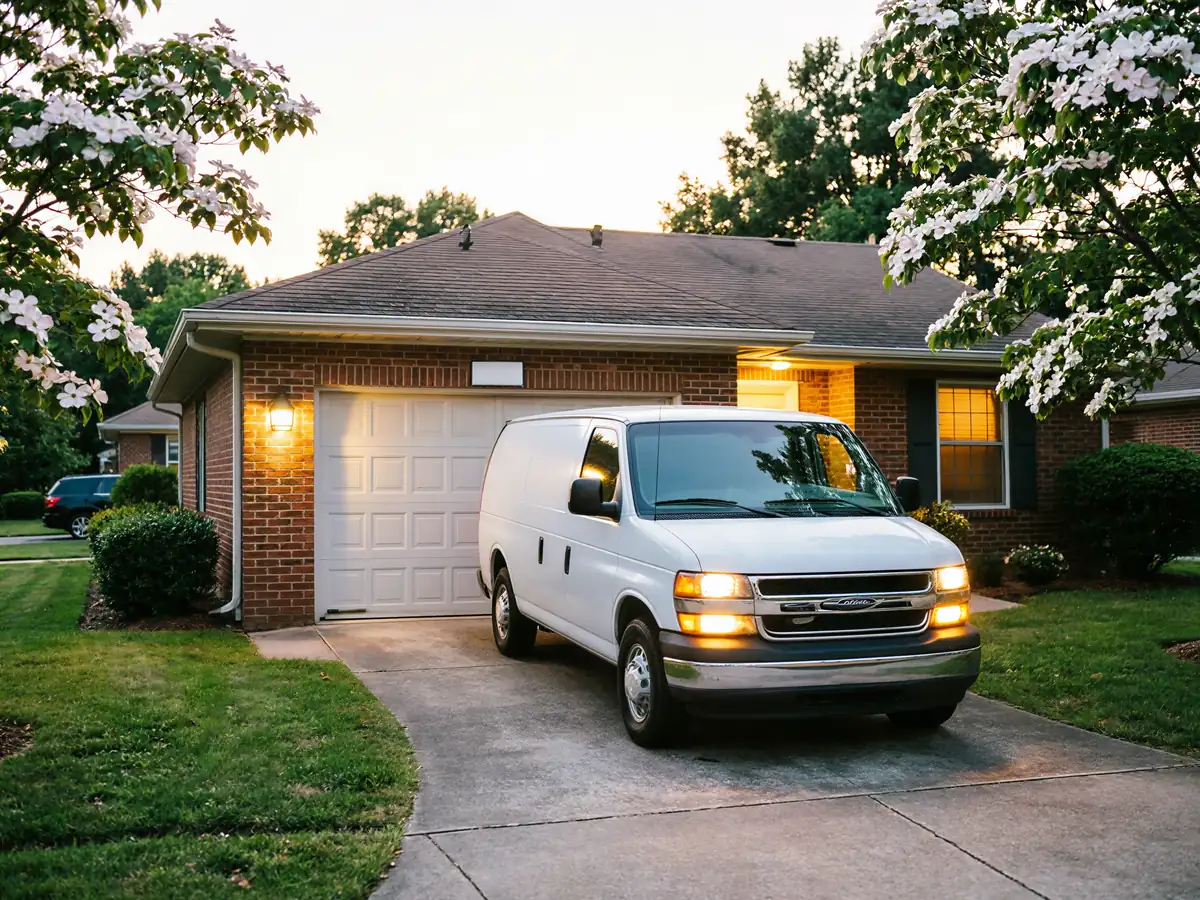
We travel the 13 miles out from Mobile for the job, so we schedule the visit start to finish rather than coming back for a second trip. If the door needs parts we don't carry on the truck - an unusual bracket size or a track no longer made - that's the one case where a return visit is likely, and we'll tell you that before we leave, not after.
What You Pay
We don't publish a flat roller price here because the honest number depends on what we find once the door's apart - a clean nylon-roller swap on sound track costs less than a job where we're also replacing a stretched bracket or straightening track that's taken 40 years of steel-roller wear. What we can tell you is that households in this part of the service area have a median income of $60,577, and we price jobs to be a repair decision, not a replacement decision, wherever the door allows it.
We'll quote the job on site before any work starts, and if a full set replacement turns out to cost close to what a new opener-ready door would run, we'll say so rather than let you spend repair money twice.
The Symptom
The complaint we hear most from Saraland is a grinding or rattling sound that gets worse as the door opens
Especially on the last few feet near the top of the track. On a door with original steel rollers from around 1980, that's usually the roller tire itself worn down to the stem, metal now dragging against metal in the horizontal run of track.
A door that jerks or hesitates partway through its cycle
Rather than running smooth the whole way, is often the same problem on one side only - one roller gone, one still fine, and the door fighting itself. If the noise is loudest right when the door reverses direction at the top, check the rollers before you call about the opener; on hardware this old, the roller is usually the simpler and cheaper of the two to fix.