The Complications
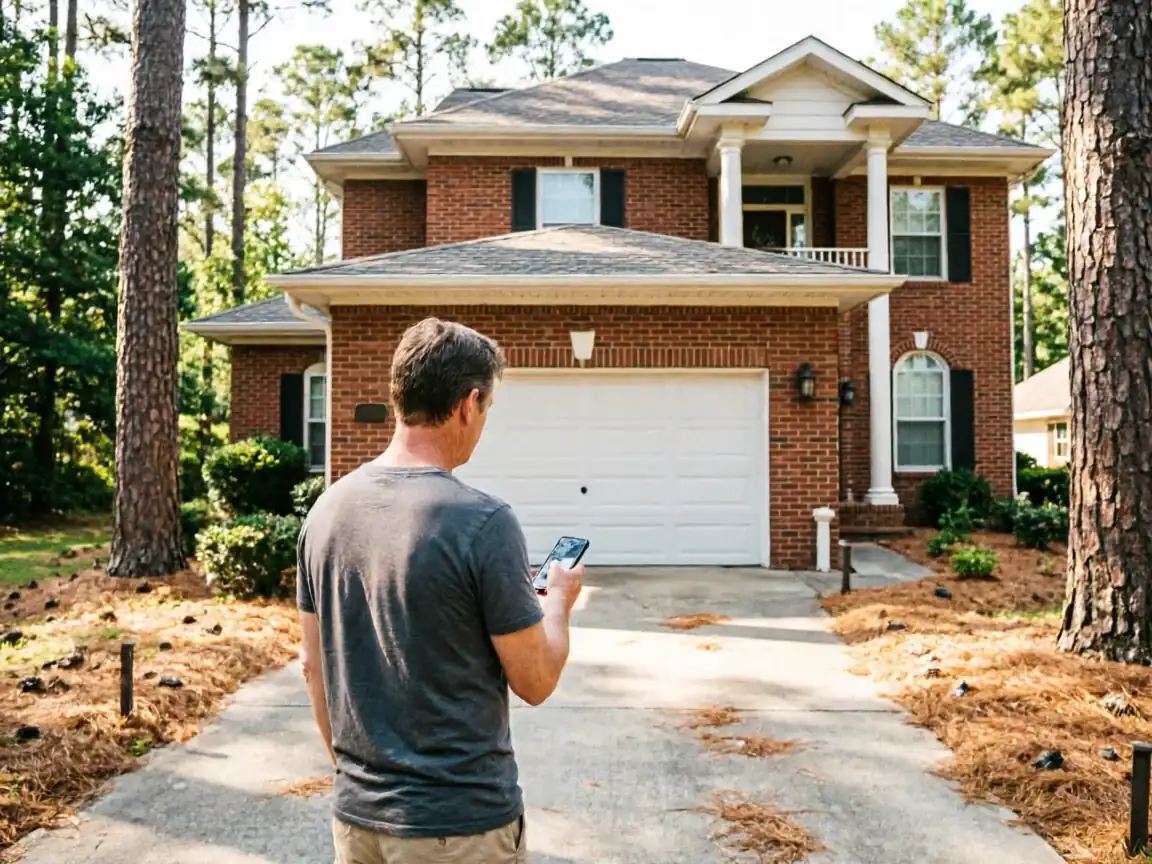
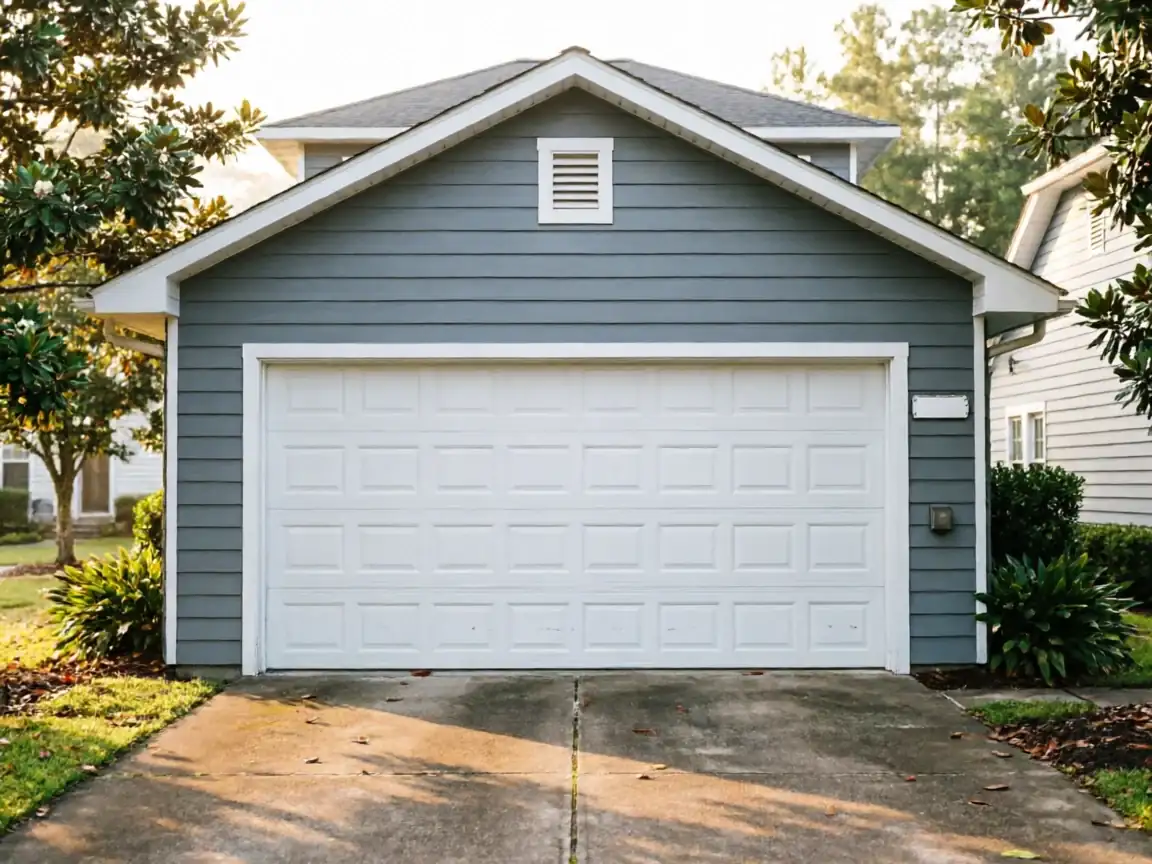
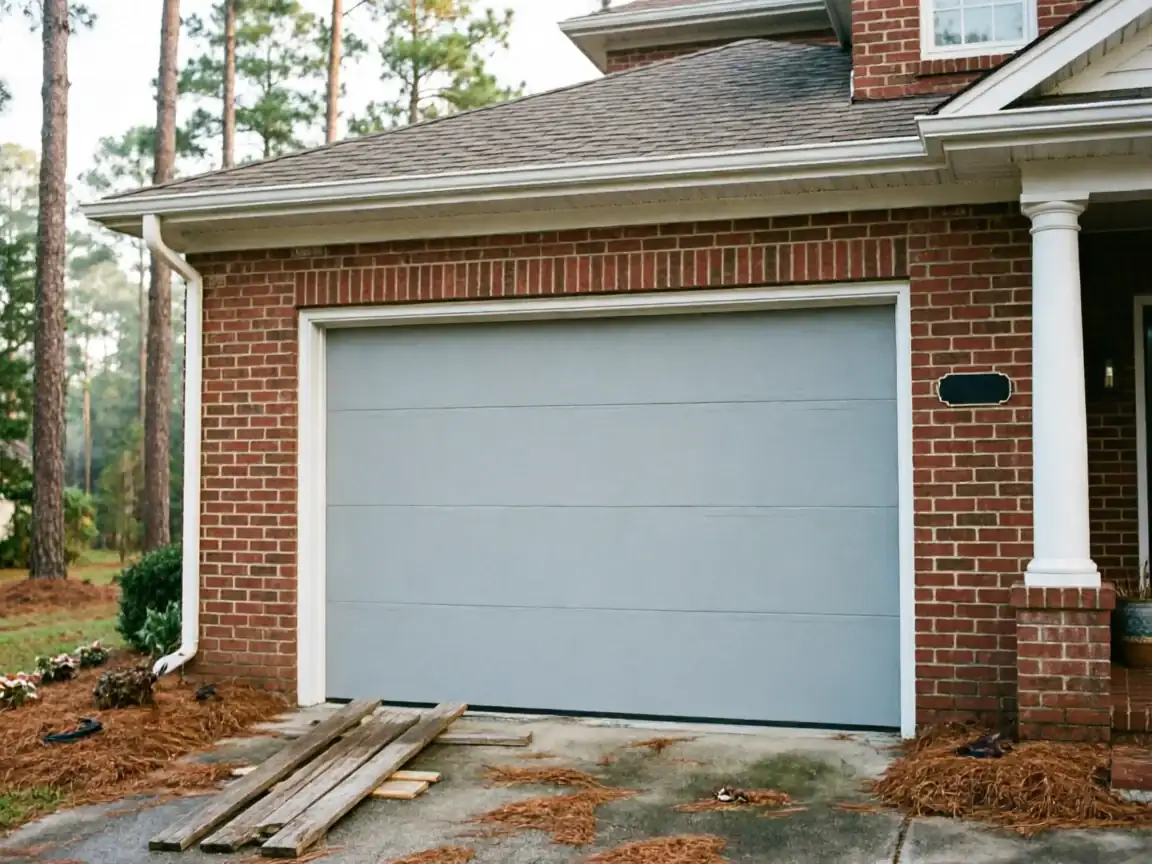
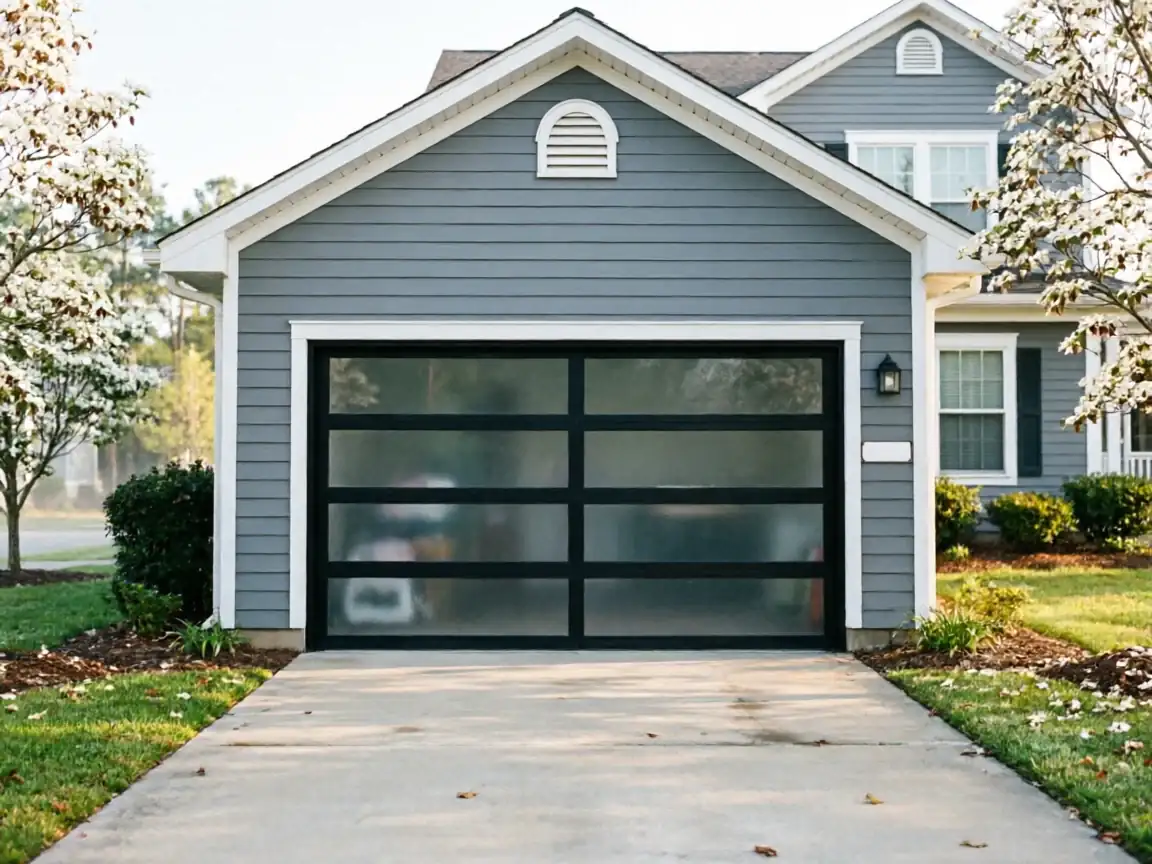
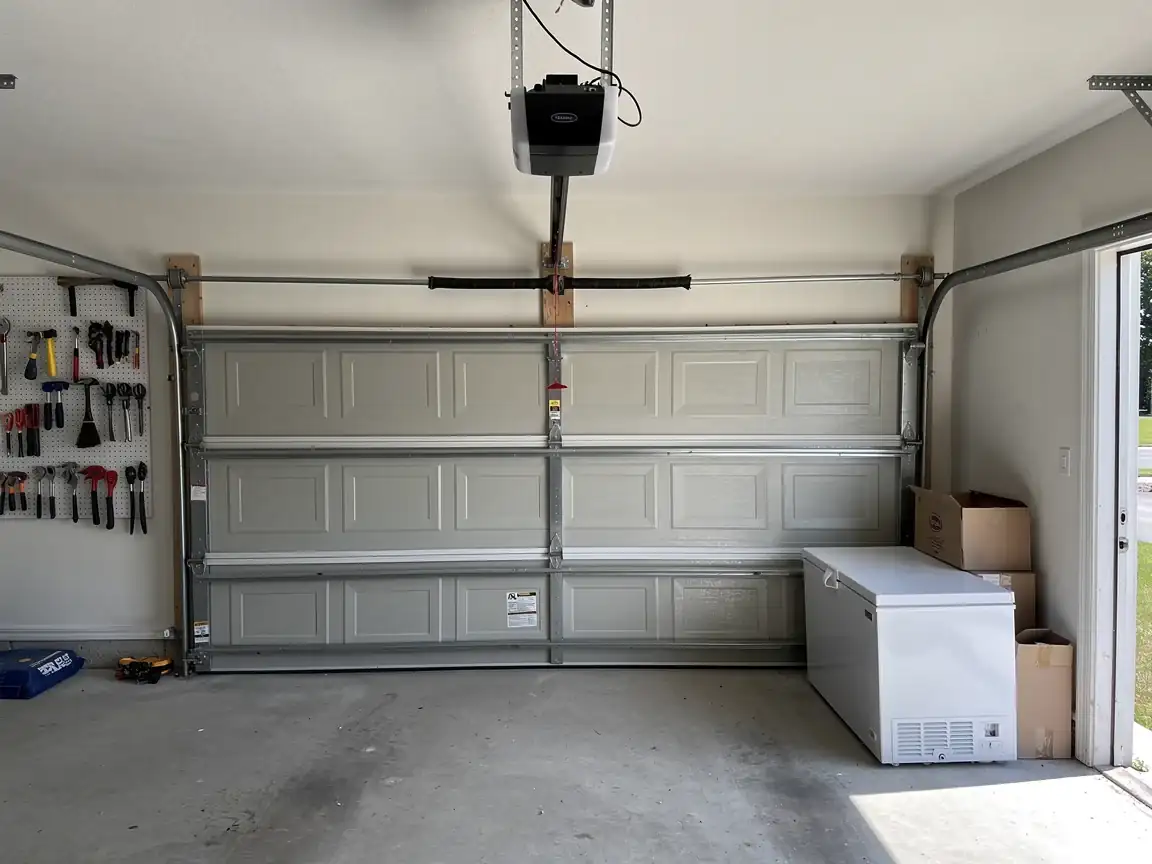
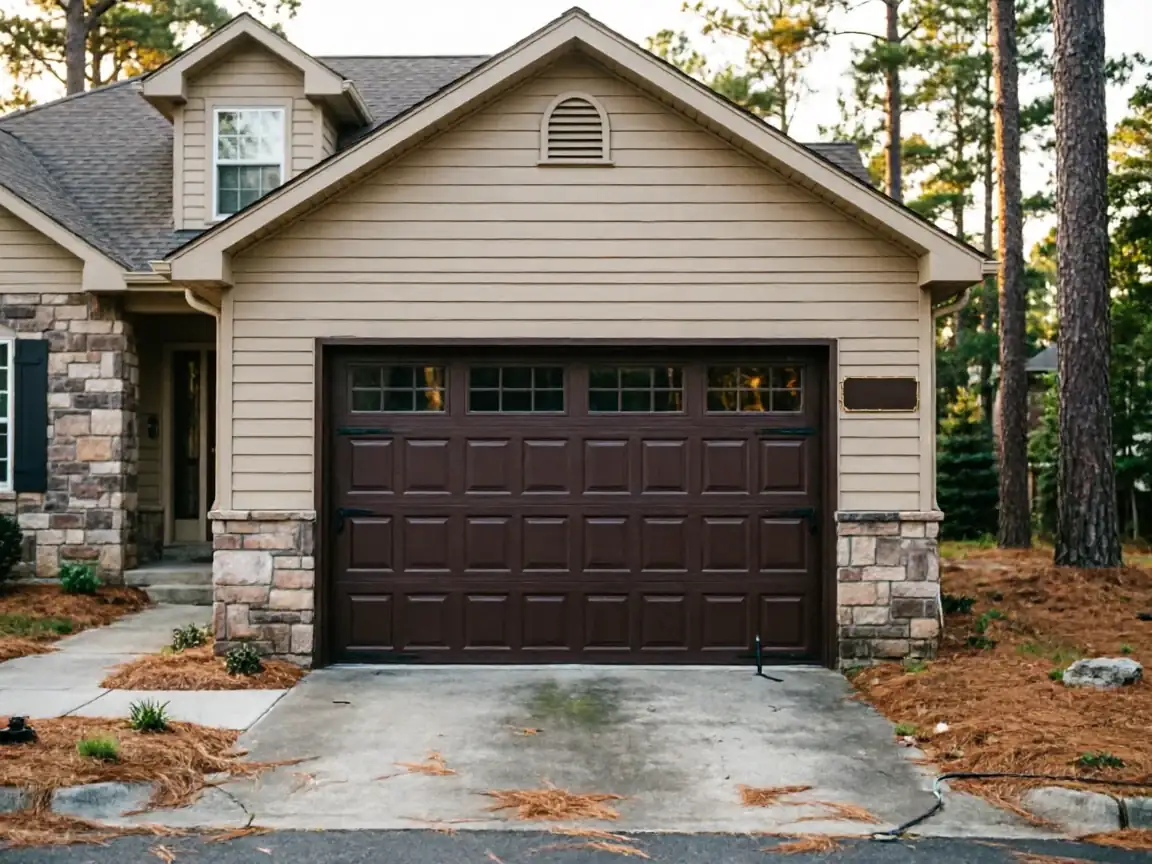
Saraland's houses mostly went up around 1980, which puts the garage doors and openers from that build wave squarely in a transition period. That's when chain-drive openers with half-horsepower motors were standard, paired with steel doors on torsion springs sized for the lighter panel weights of the era - not the insulated, double-layer doors common today. If a homeowner here has swapped in a heavier insulated door since but kept the original spring, the spring is undersized and wears out faster than it should.
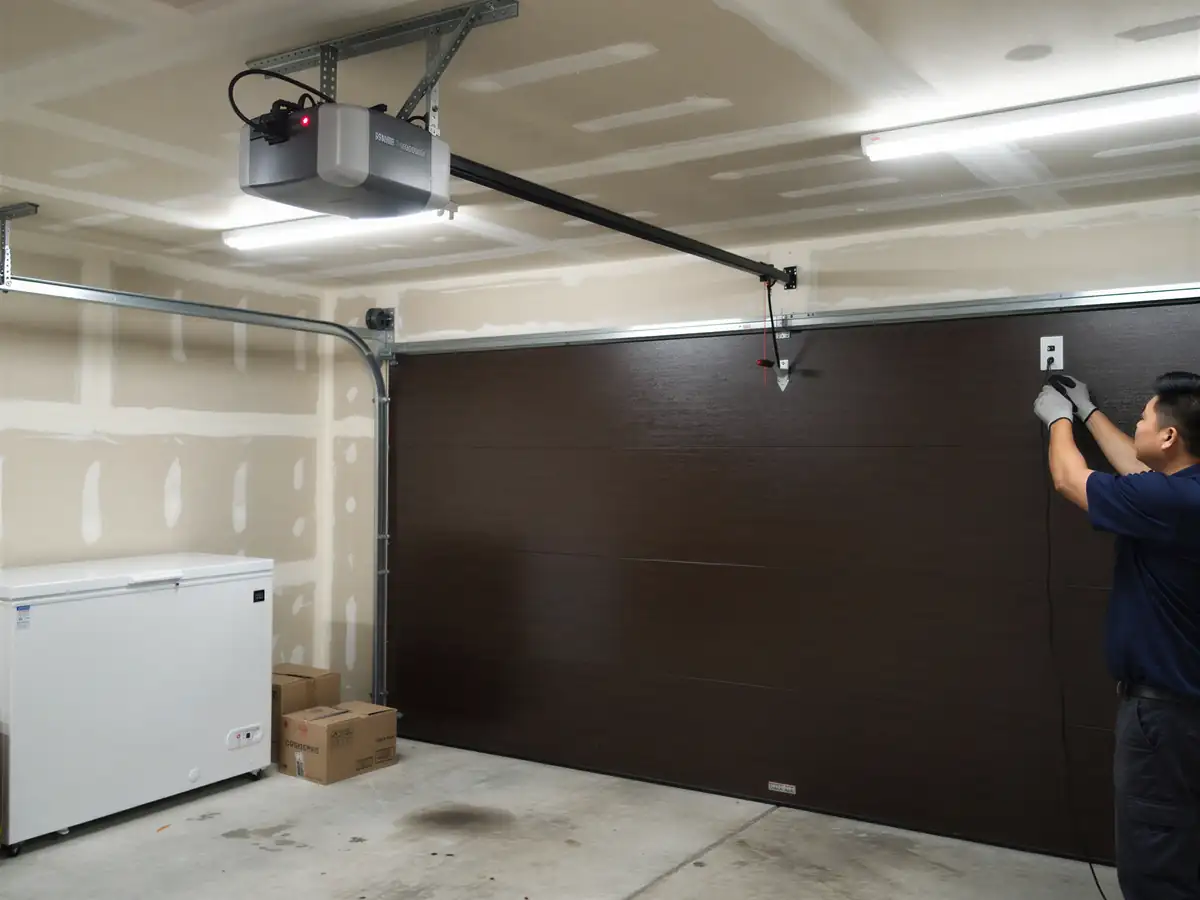
We also see openers from this era that have outlived their safety gear. Federal reversing-sensor requirements came later than 1980, so a chain-drive unit that's never been touched since the house was built may be running without the photo-eye safety sensors homeowners expect on anything sold now. That's not a defect - it's just the year the house went up.
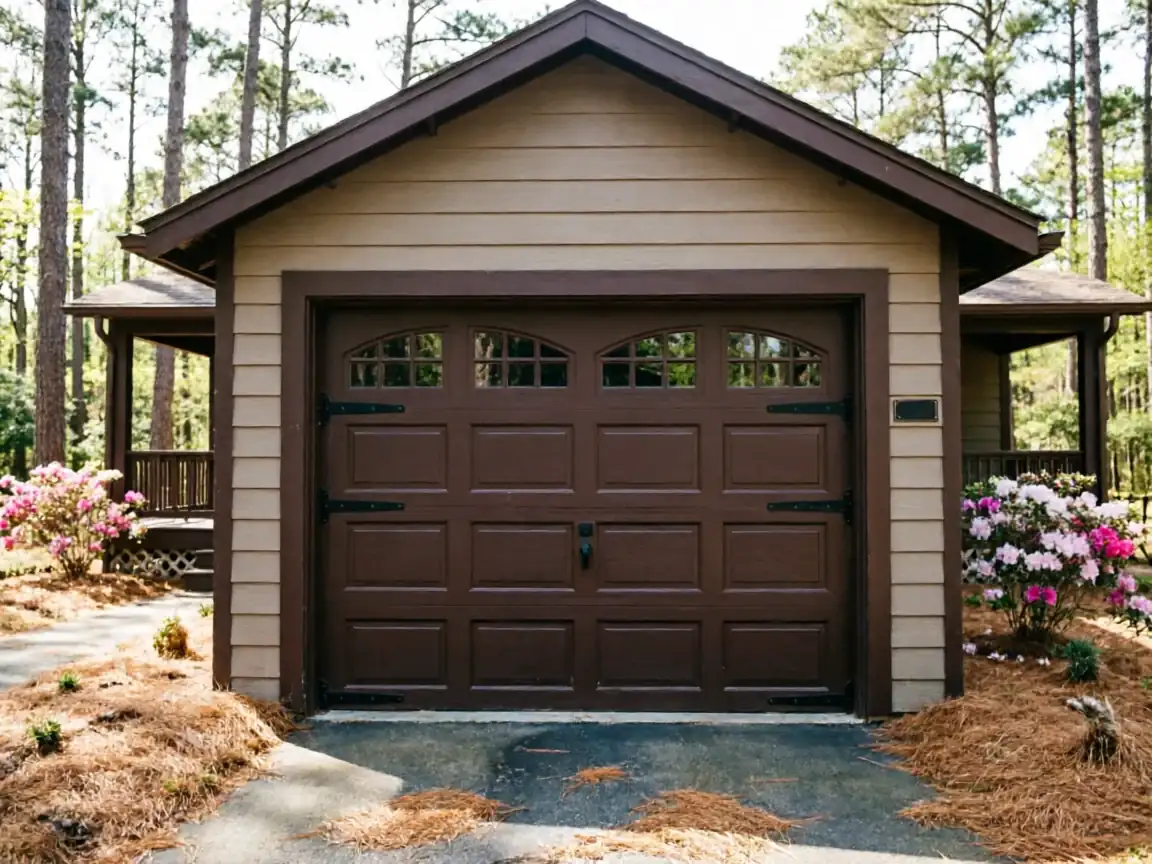
One more wrinkle: a lot of these houses have single-car garages with narrower door openings than the two-car layouts built after 2000. Parts sized for an 8-foot door aren't interchangeable with the 9-foot stock most suppliers carry as default, so we bring the right width instead of guessing on-site.
The DIY Question
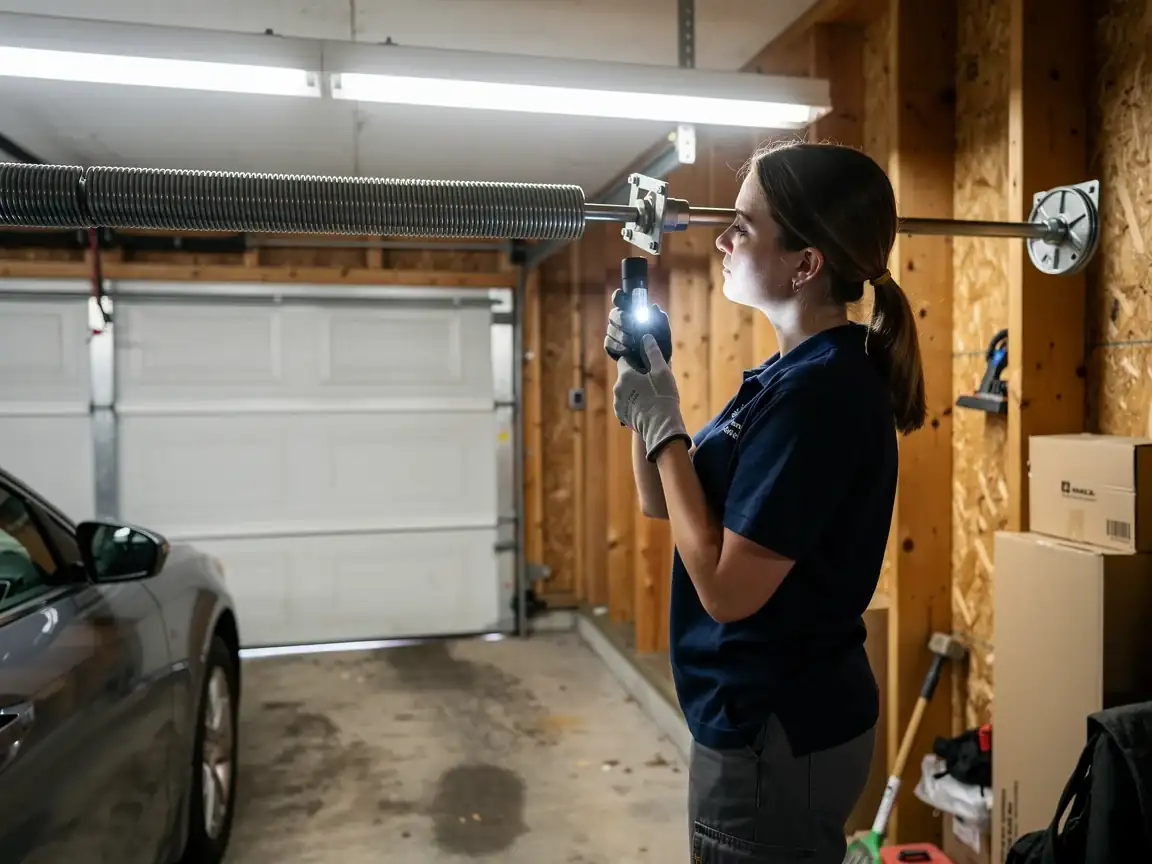
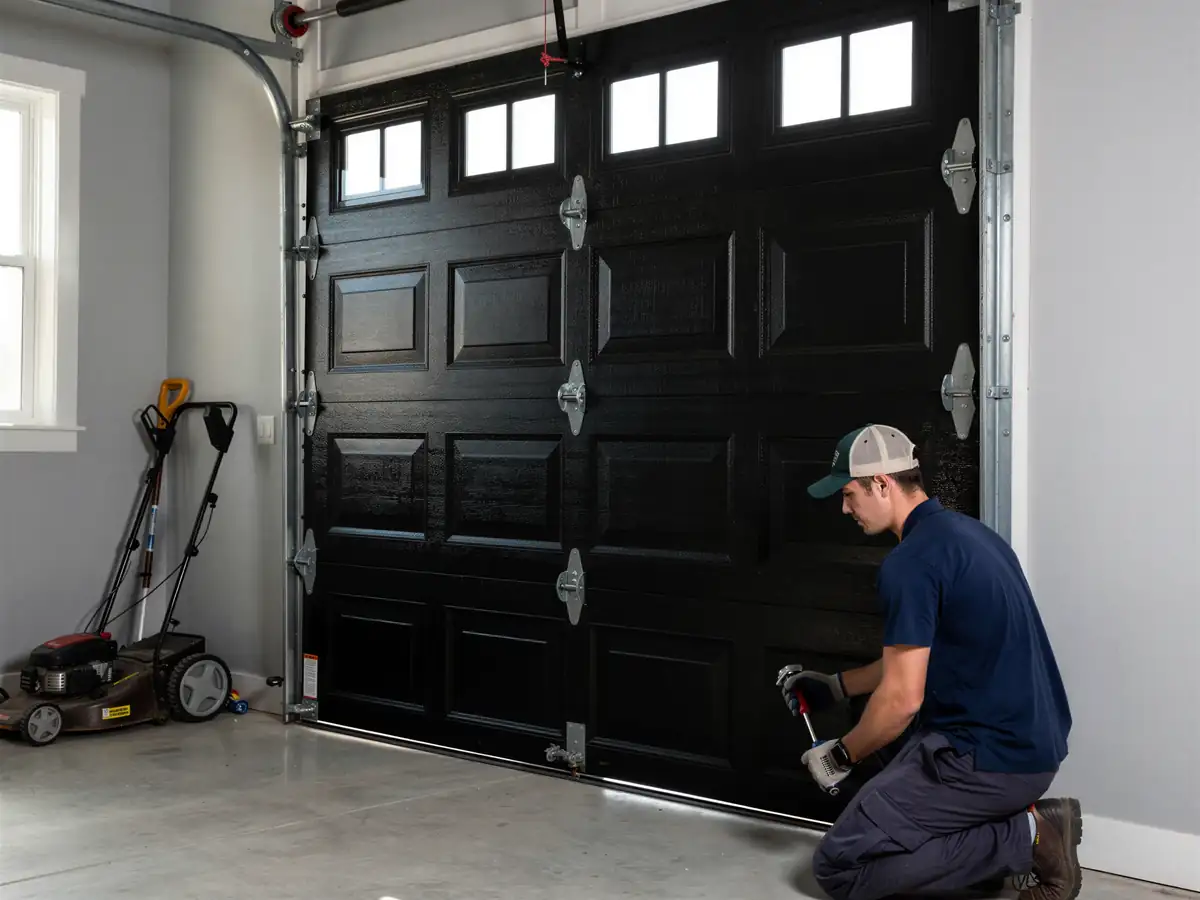
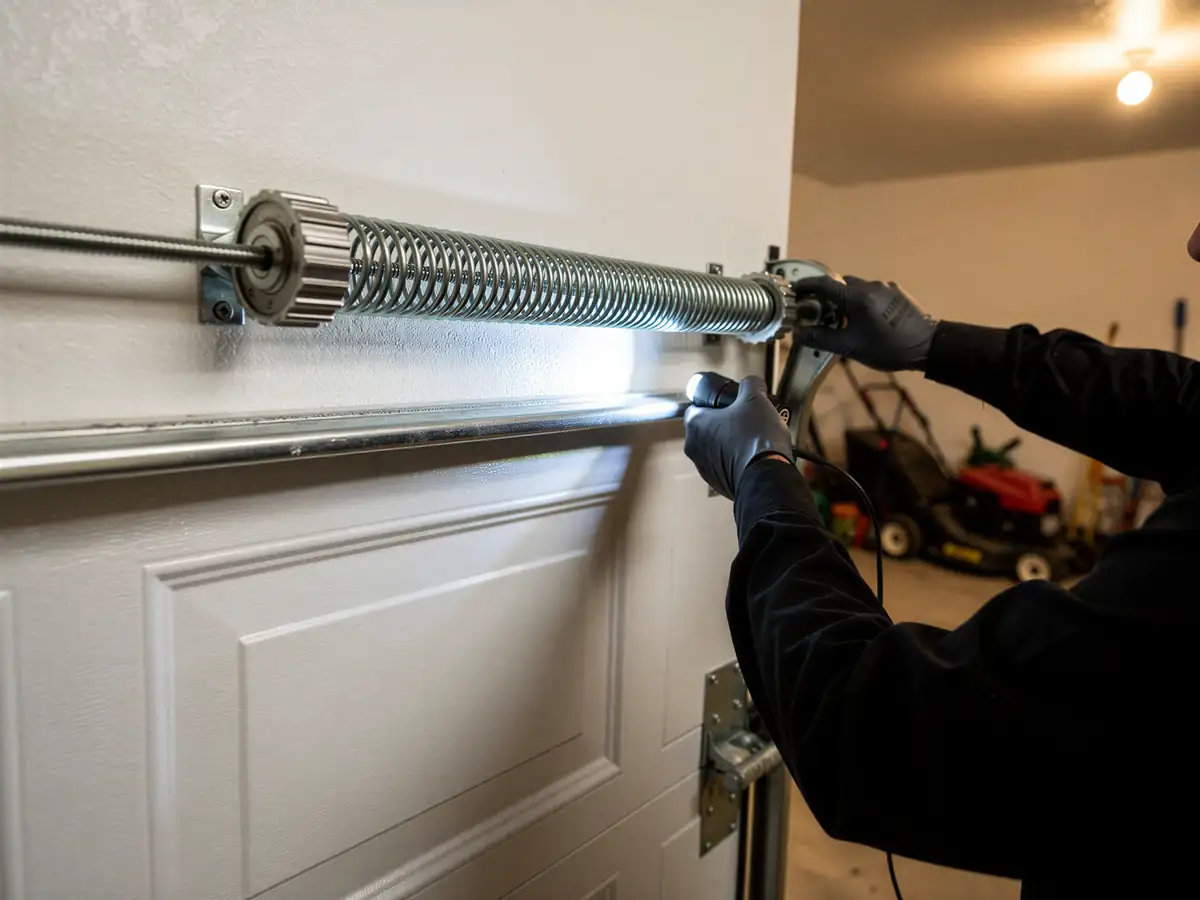
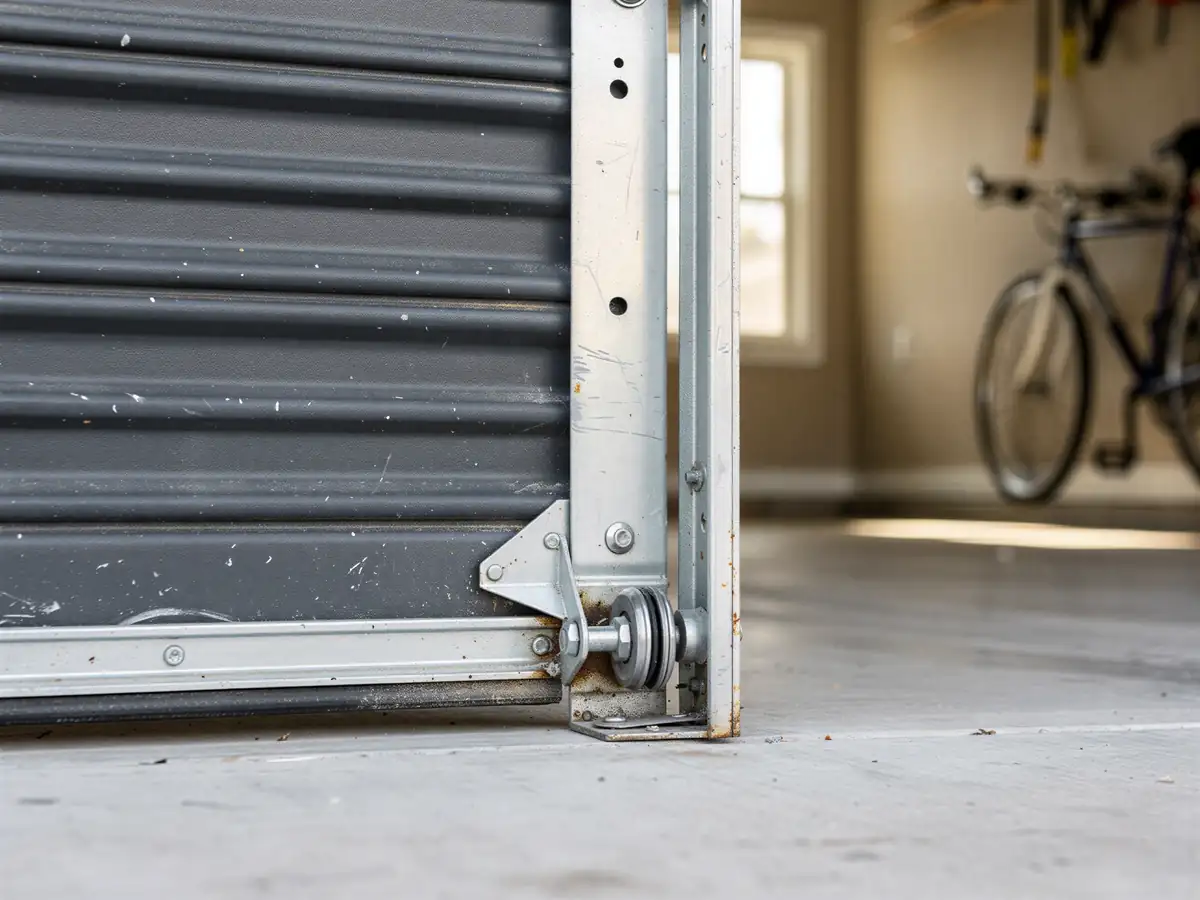
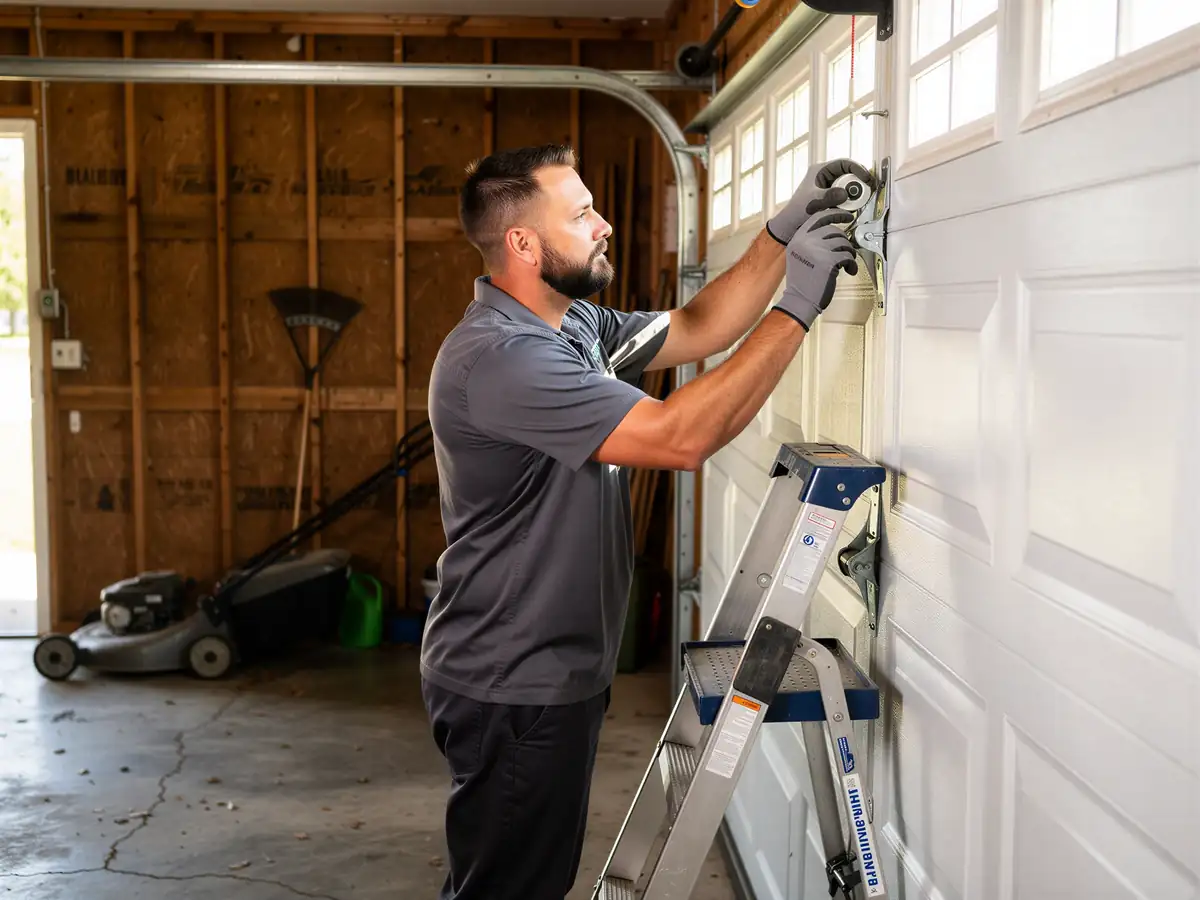
Replacing a frayed cable or a worn roller on a door this old is within reach for a homeowner who's comfortable with hand tools and follows the steps in order. Where we tell people to stop is the spring. A torsion spring on a door built around 1980 is wound to a tension that can break a hand or worse if the winding bars slip, and the parts that hold that tension - the cone, the shaft, the end bearing plate - are often original and more brittle than a spring bought last year.
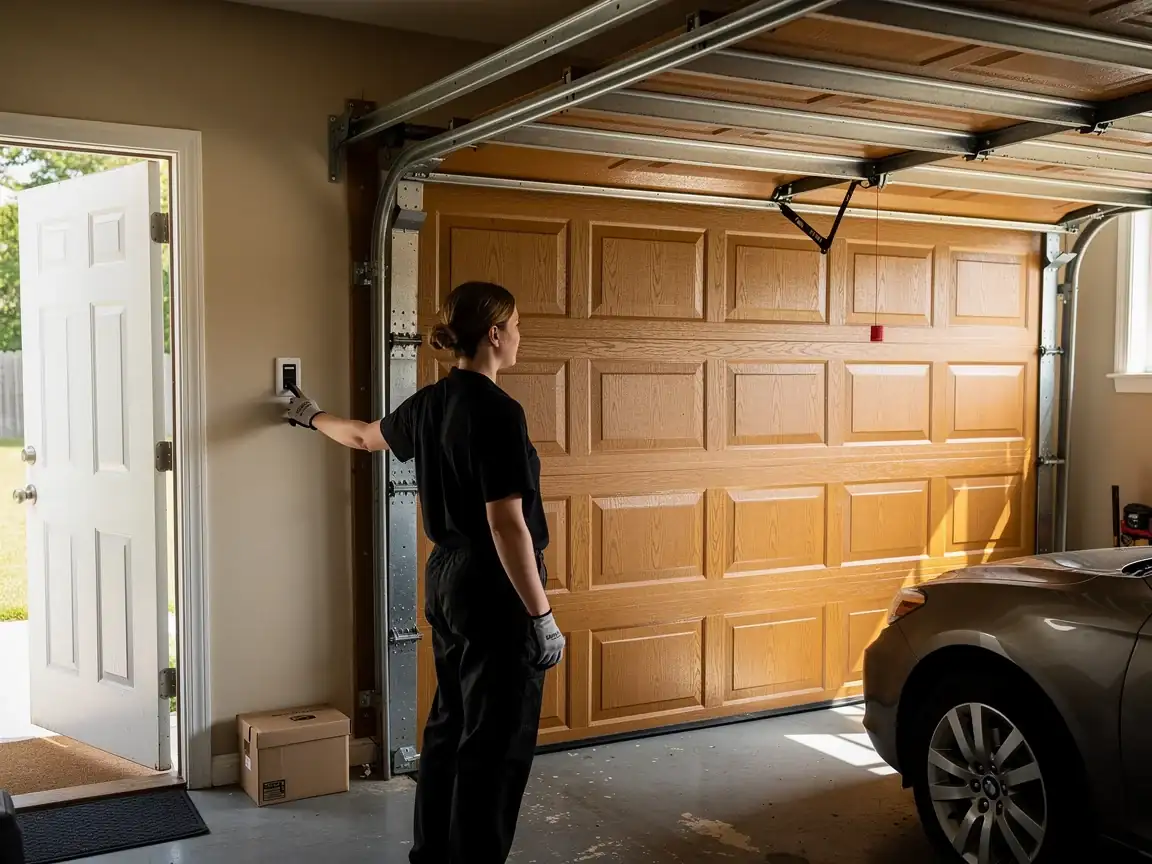
If the opener itself is original to the house, we also don't recommend DIY diagnosis past checking the obvious: a tripped breaker, a disconnected safety sensor, a remote battery. Past that point you're into motor windings and capacitors, and a wrong guess there usually means buying a new opener anyway, just after spending money trying not to.
How We Fix It
We start by figuring out which era of hardware is actually on the door
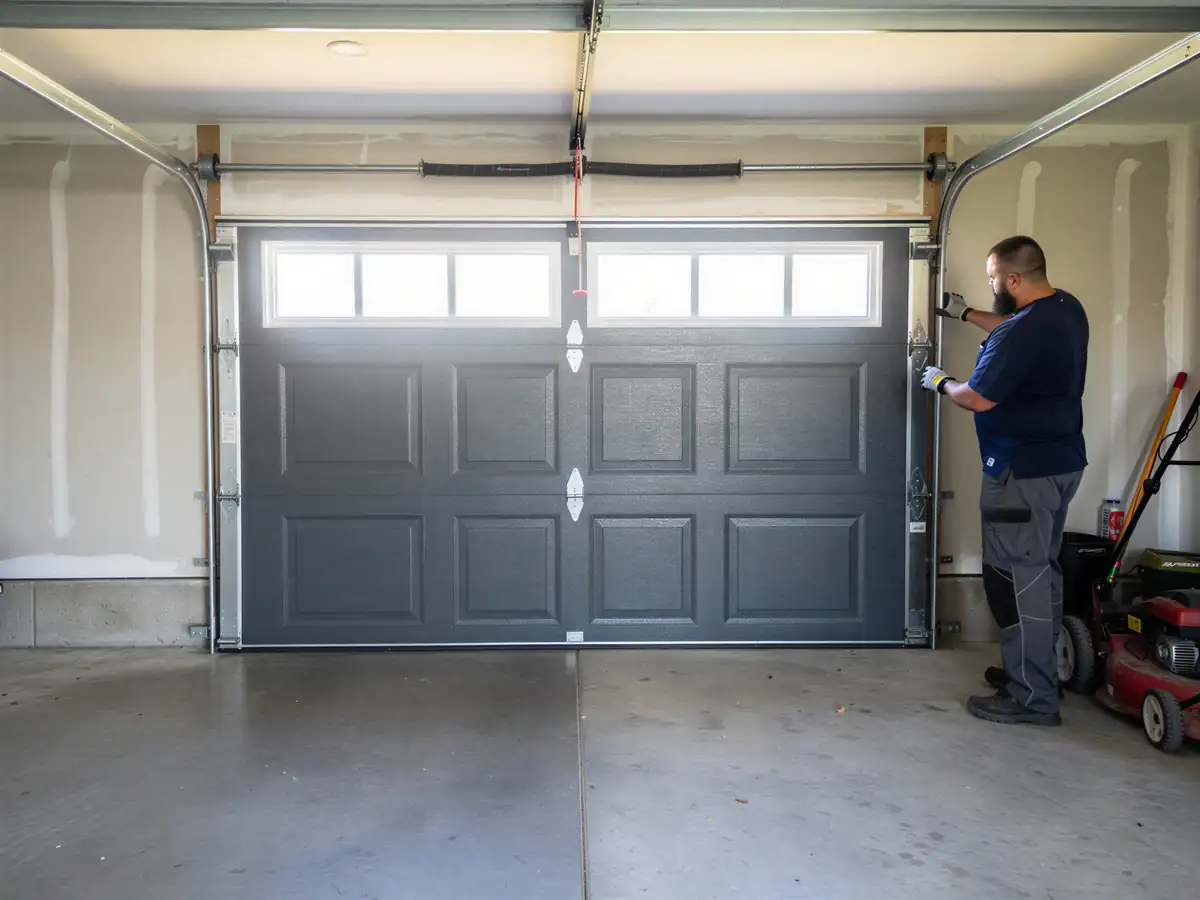
Since a house built around 1980 may have had one or two replacements already. If the spring is original, we replace it with one matched to the door's current weight, not the weight the house came with - important if a steel door was swapped for an insulated one at some point. If the opener is original chain-drive, we talk through whether a repair is worth it against replacing with a unit that has modern safety sensors and a quieter belt or screw drive.
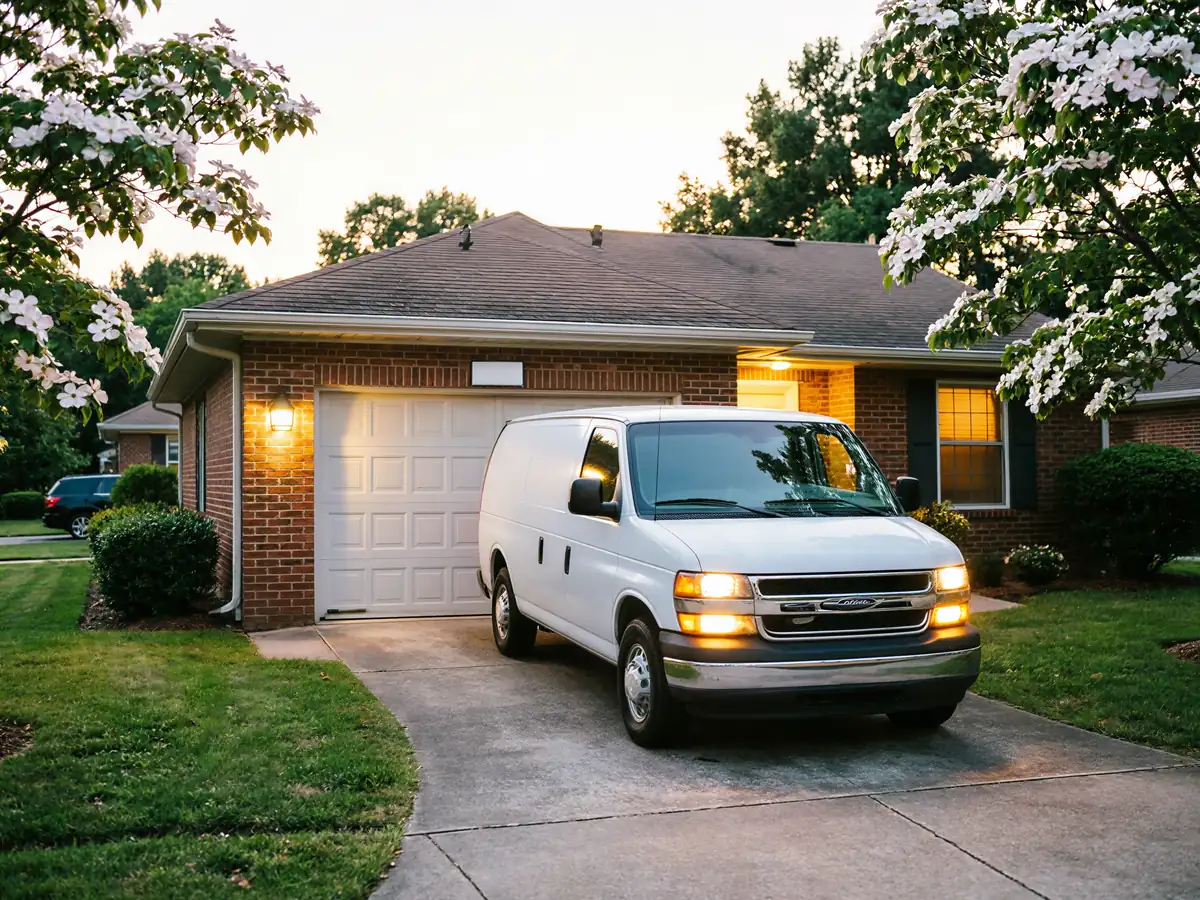
We bring springs, cables, rollers, and hinges sized for both the narrower single-car openings and the wider two-car openings found across Saraland's mix of housing
So we're not guessing dimensions on the truck ride out from Mobile.
How Long It Takes
A spring replacement or cable job on a door this age is usually a single visit. The one thing that can stretch a job out is parts - if a homeowner has an original opener model from the early 1980s and the logic board has failed, we're not sourcing a 40-year-old board. That means ordering a compatible modern replacement rather than a same-day fix, and that part of the job runs on the supplier's timeline, not ours.
What You Pay
We don't have a published price list specific to Saraland, and we're not going to invent one here. What we can tell you is that with median household income in the area around $60,577, most of the repairs we see are spring and cable jobs, not full door replacements - the kind of call where the hardware is worth saving rather than scrapping. We'll give you a number on-site before we touch anything, based on the actual door in front of us.