The Complications
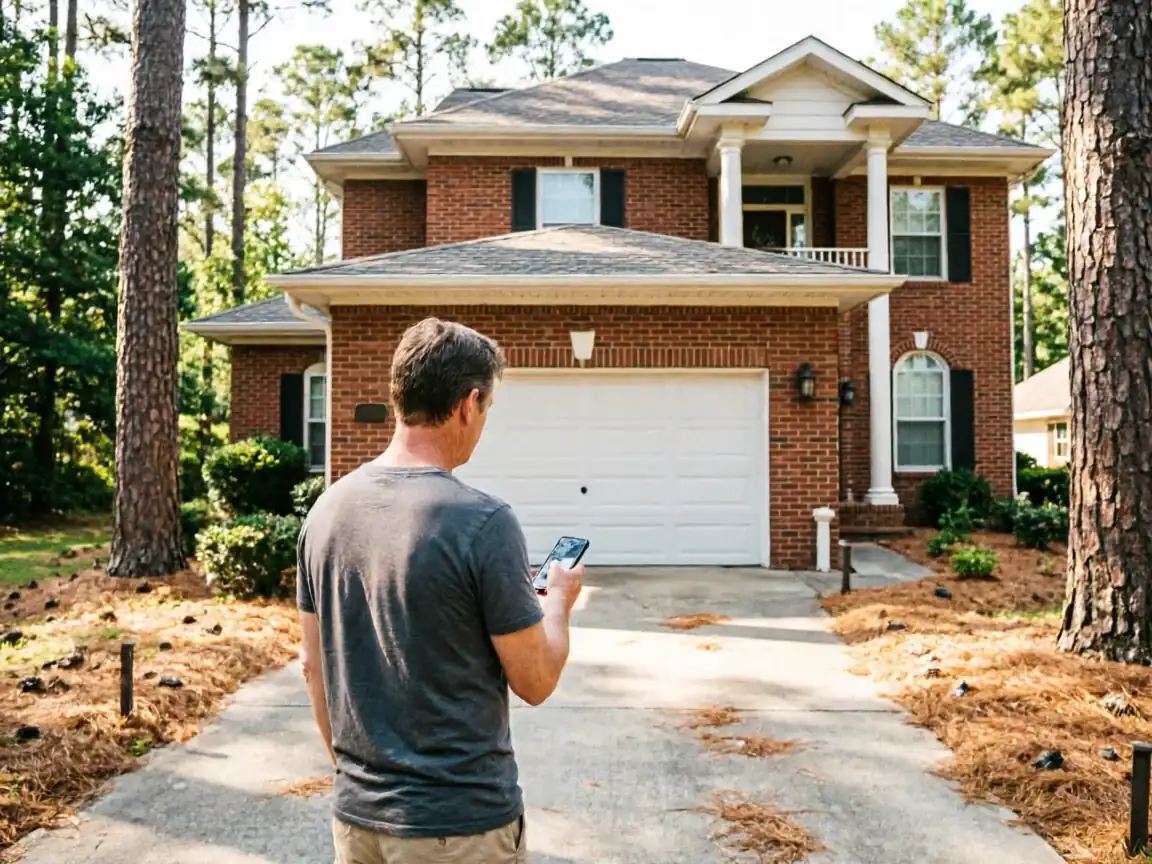
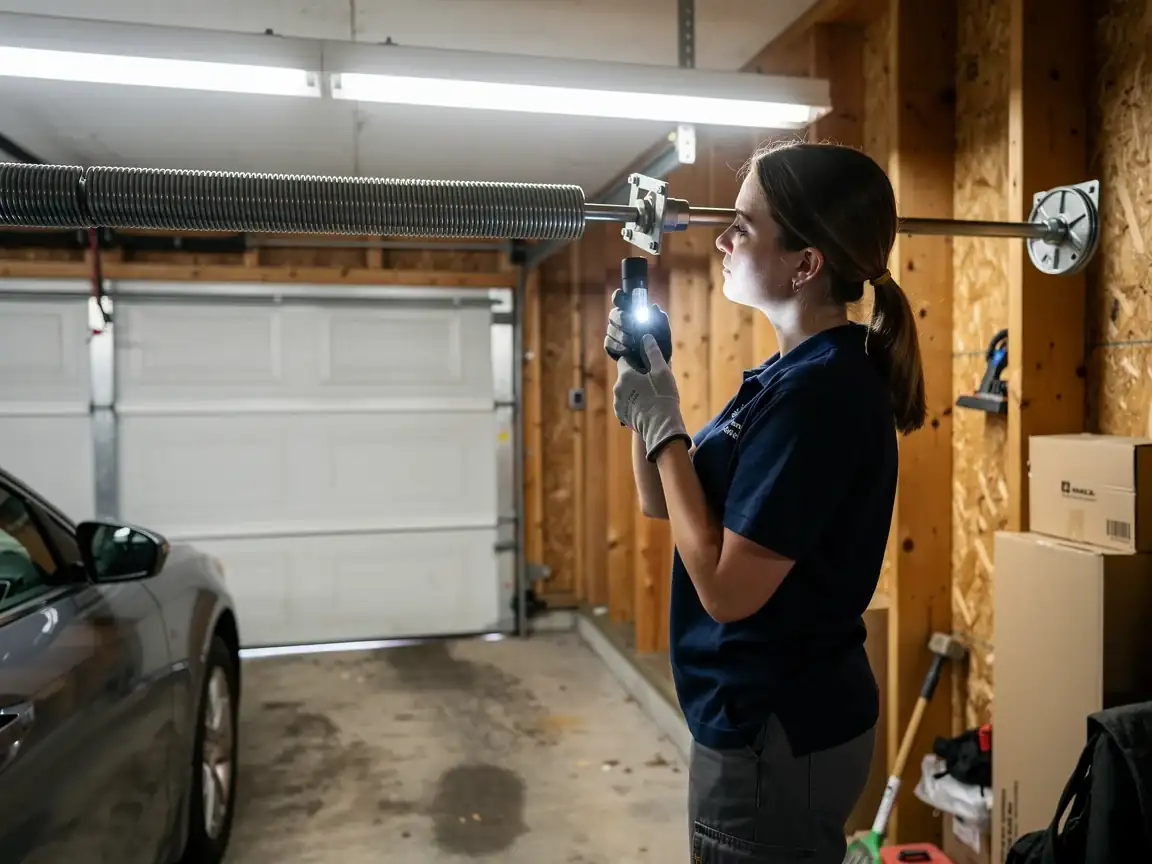
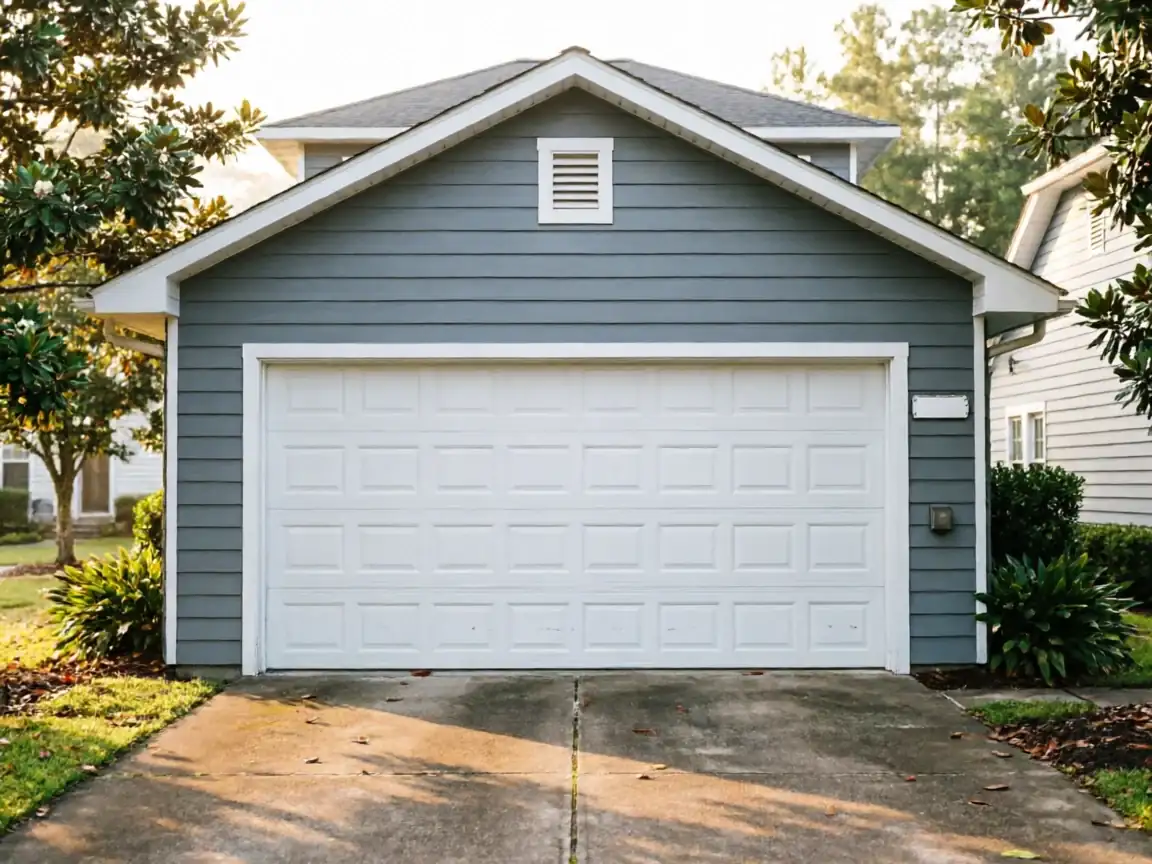
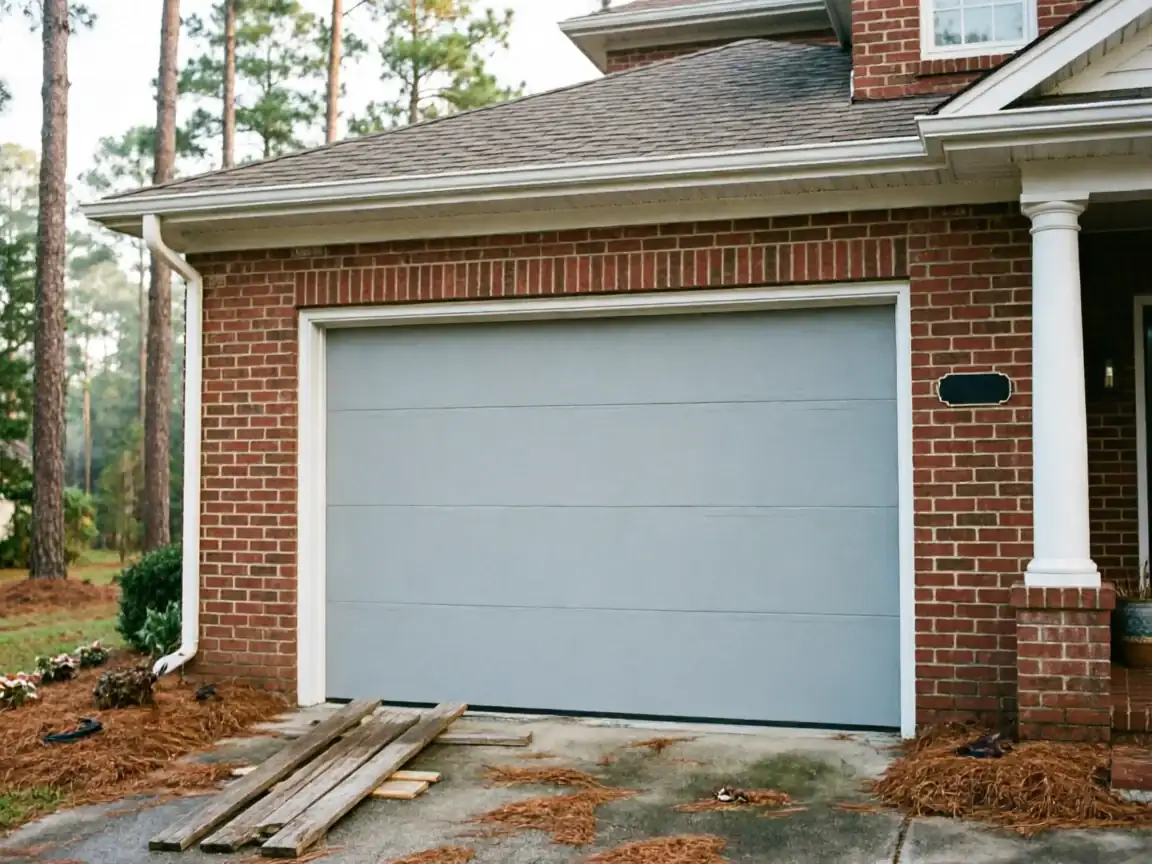
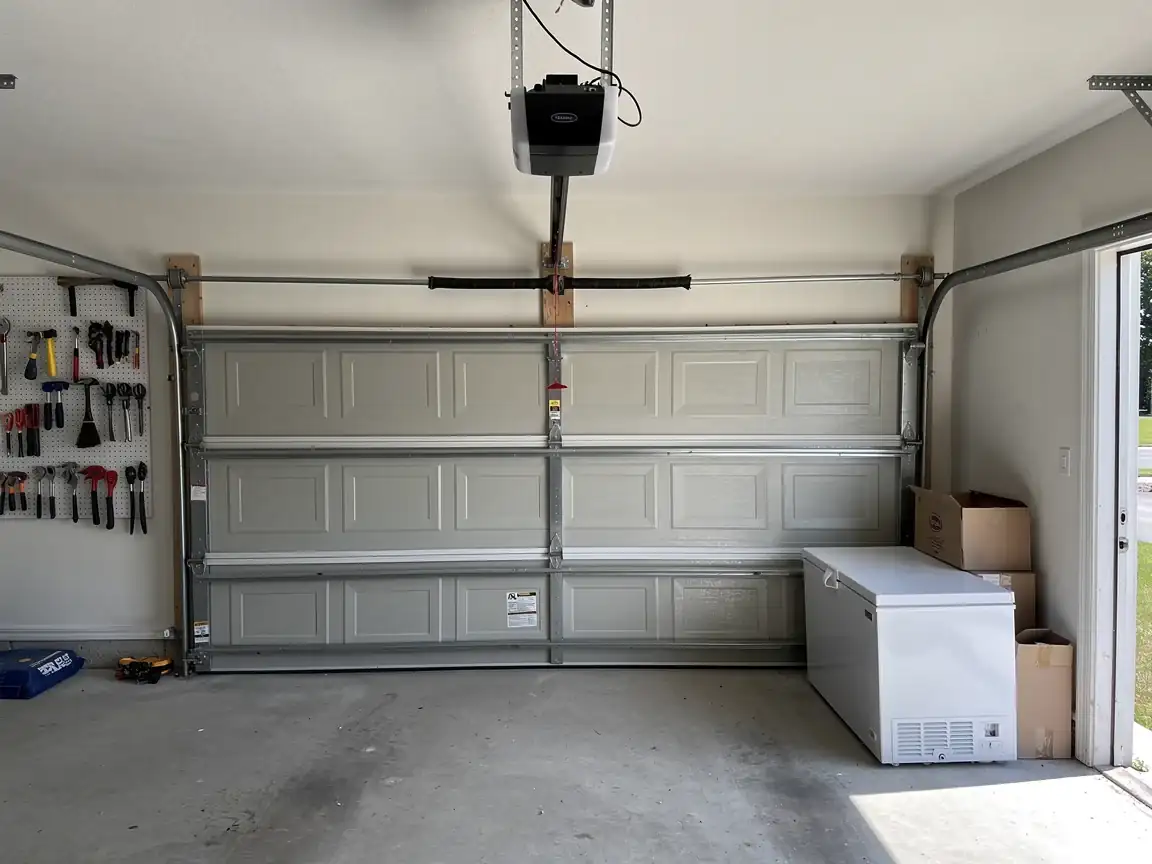
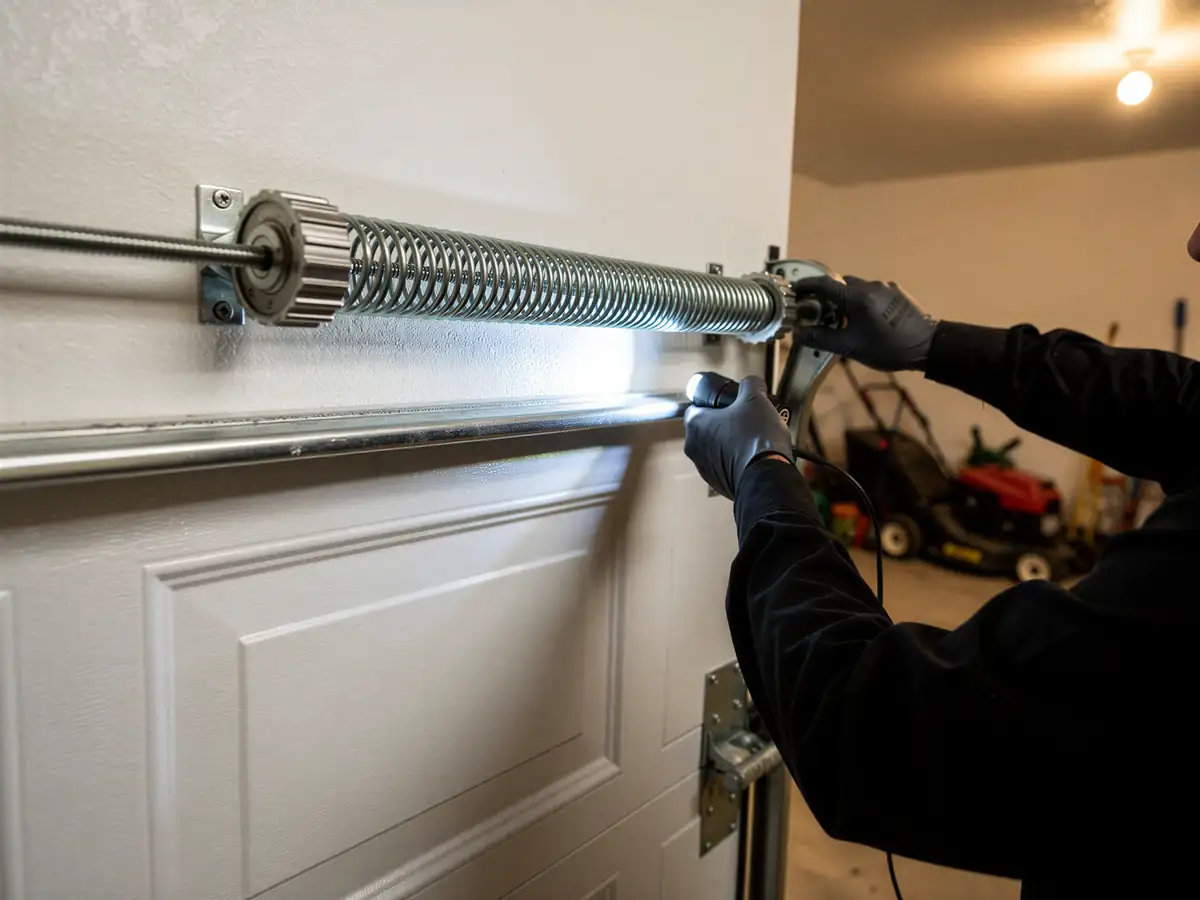
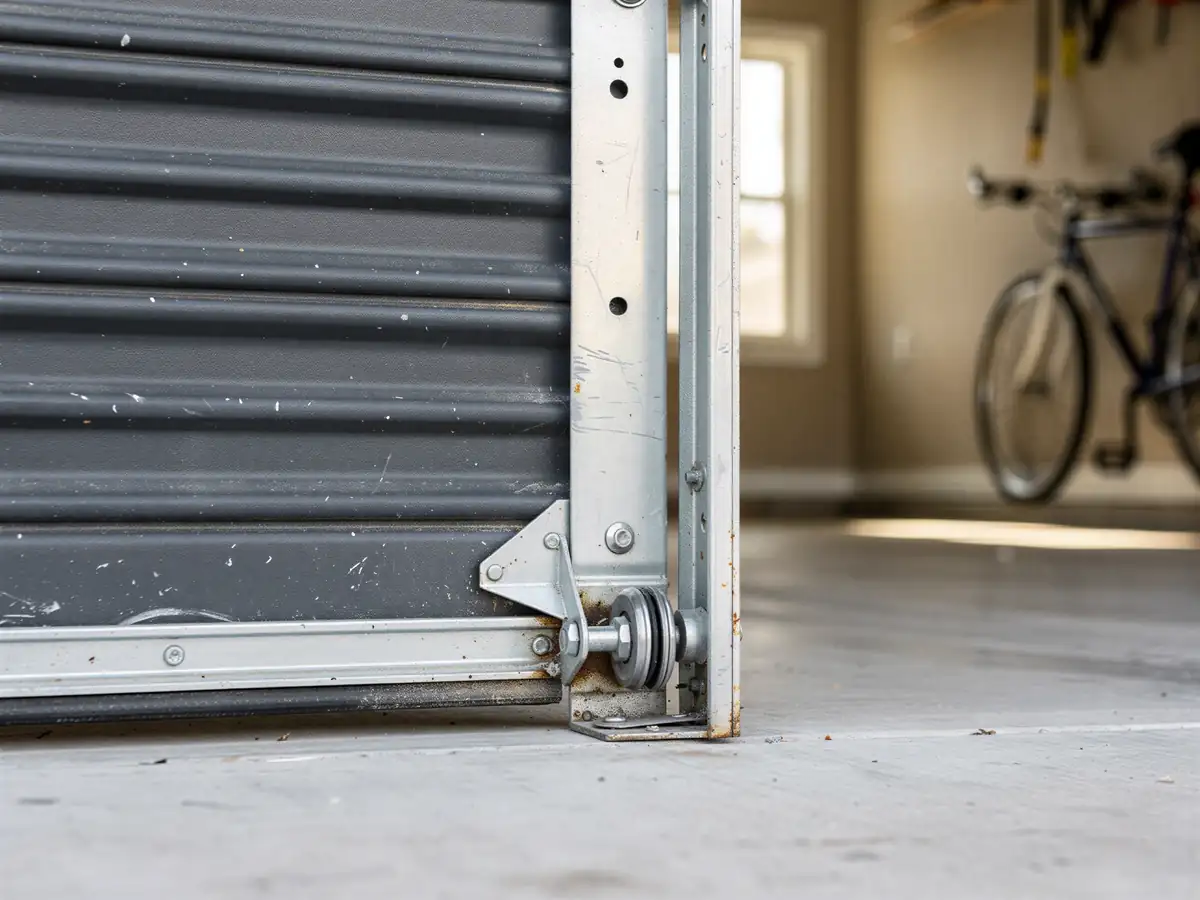
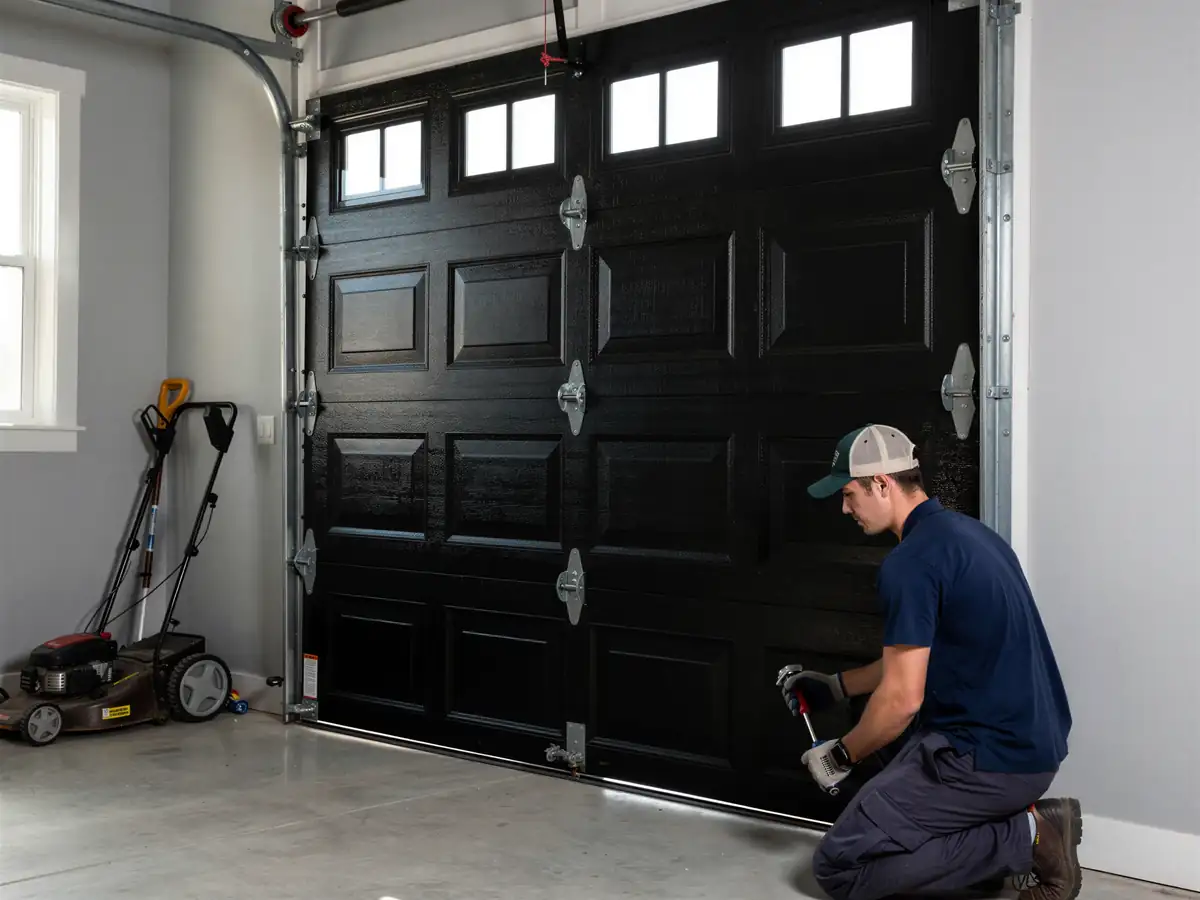
Most garage doors in Saraland went up around 1980, which puts them squarely in the steel-panel, torsion-spring era that replaced the old wood doors but came before the lighter, insulated designs you see on newer builds. These are solid doors - usually 16 feet wide for a two-car opening, hung on steel track with torsion springs mounted on a center shaft above the door. The hardware was built to last, and a lot of it is still the original gear from when the house was framed.\n\nThat's the complication. Thirty-plus-year-old torsion springs and center bearings don't fail politely - they fail when a cable finally gives after years of rust creep, or a spring snaps after one winter too many of condensation sitting on bare metal. The climate here is mild with occasional freezes, not the kind of cold that cracks concrete, but enough damp-and-thaw cycling over four decades to pit springs and seize rollers that were never sealed to begin with. We're coming from Mobile, about 13 miles out, so when we get the call we're already expecting a door of this specific vintage, not guessing at what we'll find.
The DIY Question
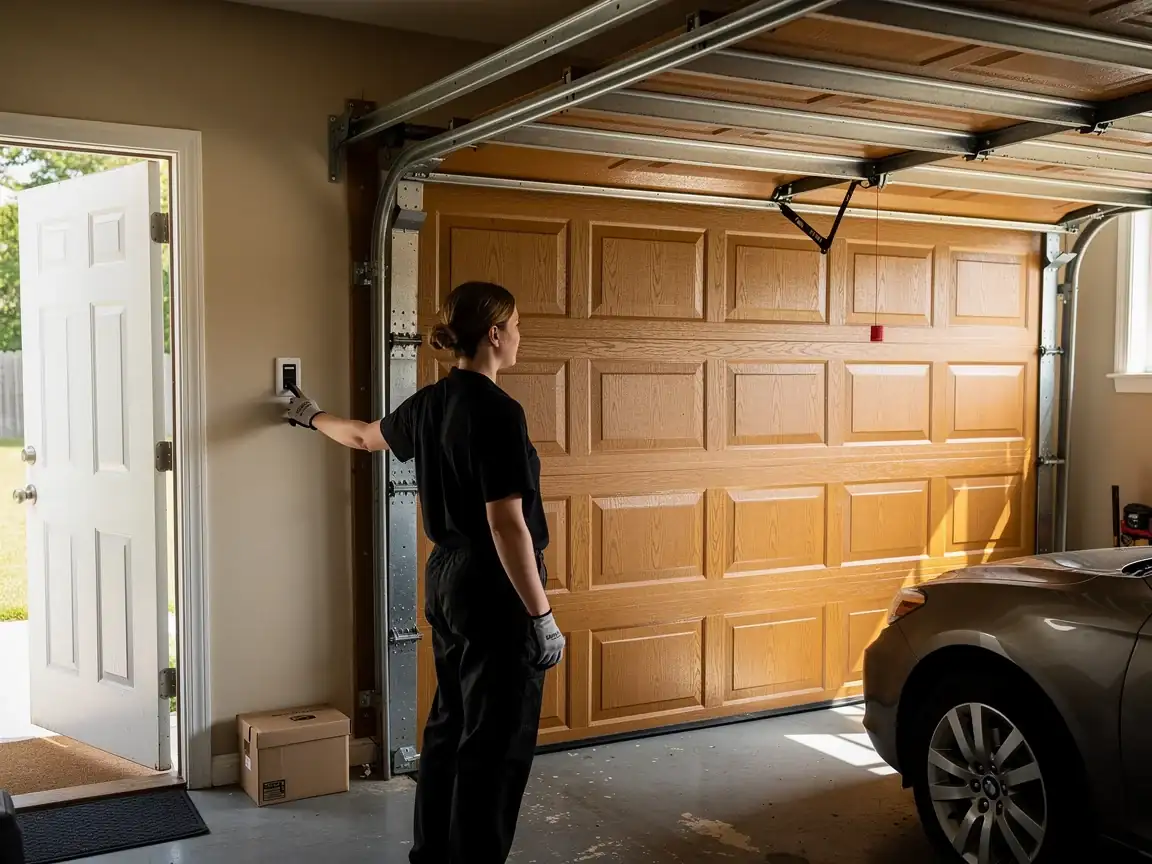
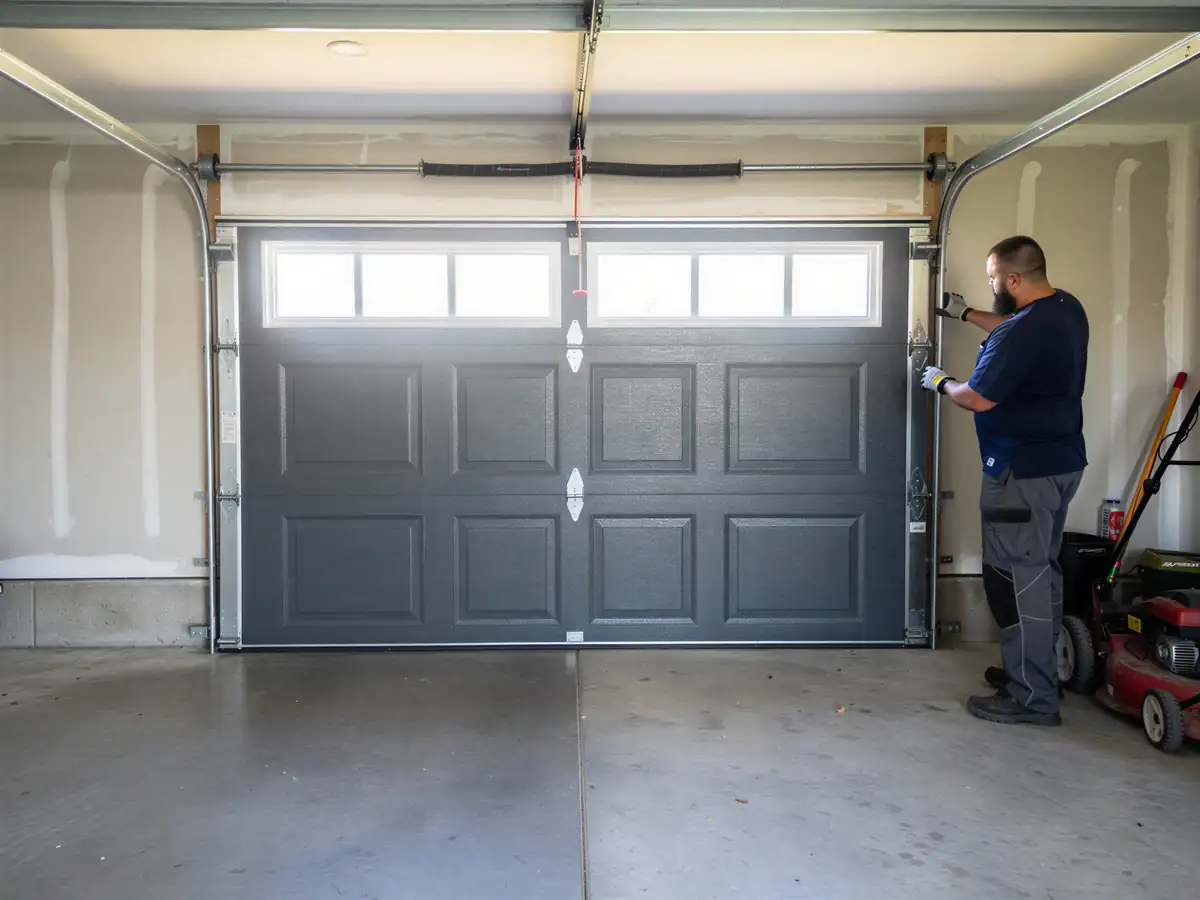
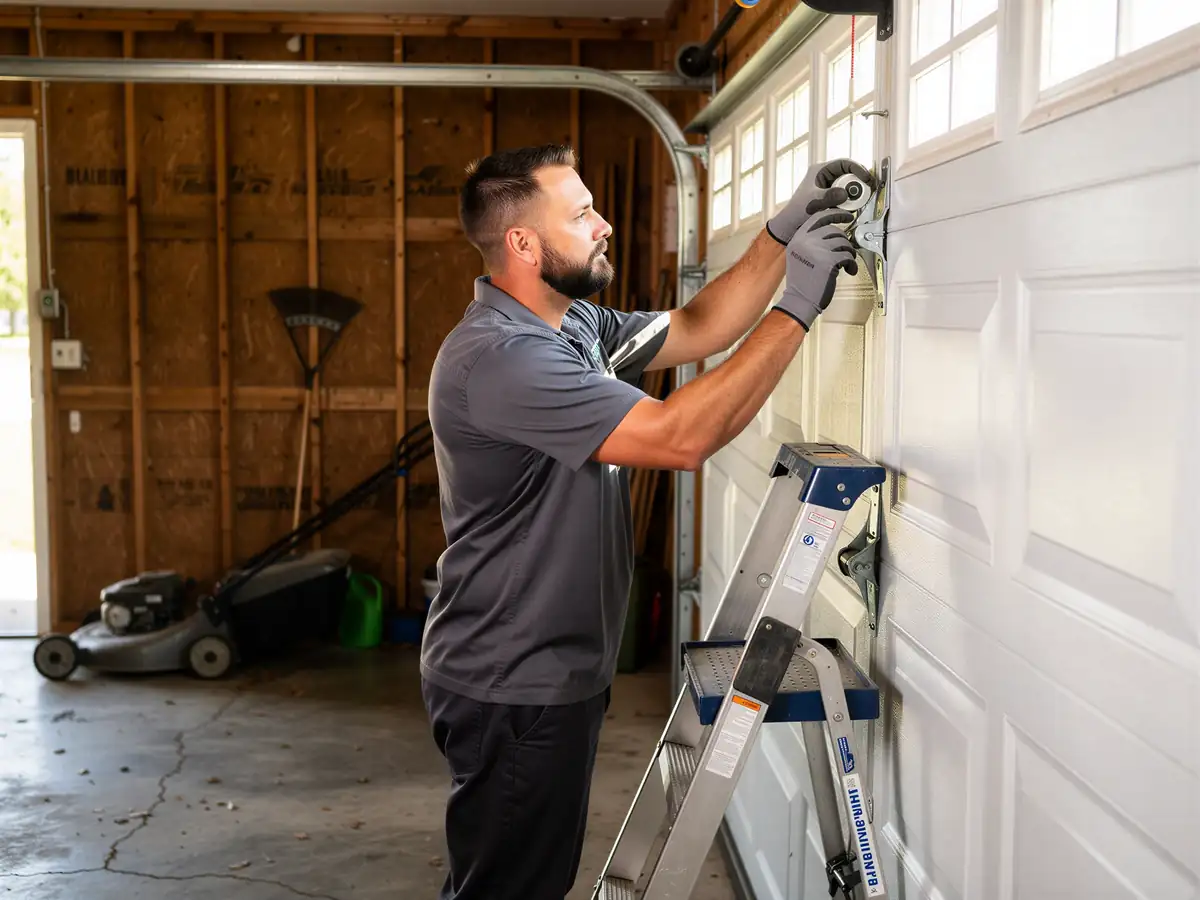
A torsion spring under tension can take a finger or worse, and on a door this old you're also dealing with decades of rust on the fasteners, which makes the job harder than a YouTube video suggests. Tightening a loose bracket or lubricating hinges is fair game for a homeowner. Replacing a spring, a cable, or the drum on a shaft that's been in place since 1980 is not - the hardware is often seized enough that it fights you the whole way, and a slip costs you a trip to the ER, not just a trip to the hardware store.\n\nWhere DIY makes sense: clearing the track of debris, checking the weatherstrip, testing the photo-eye sensors. Where it doesn't: anything involving the spring, the cable drums, or the opener's internal gearing on a unit old enough that parts aren't stocked anymore. If you're not sure which side of that line you're on, that's a reasonable thing to ask us before you touch a wrench.
How Long It Takes
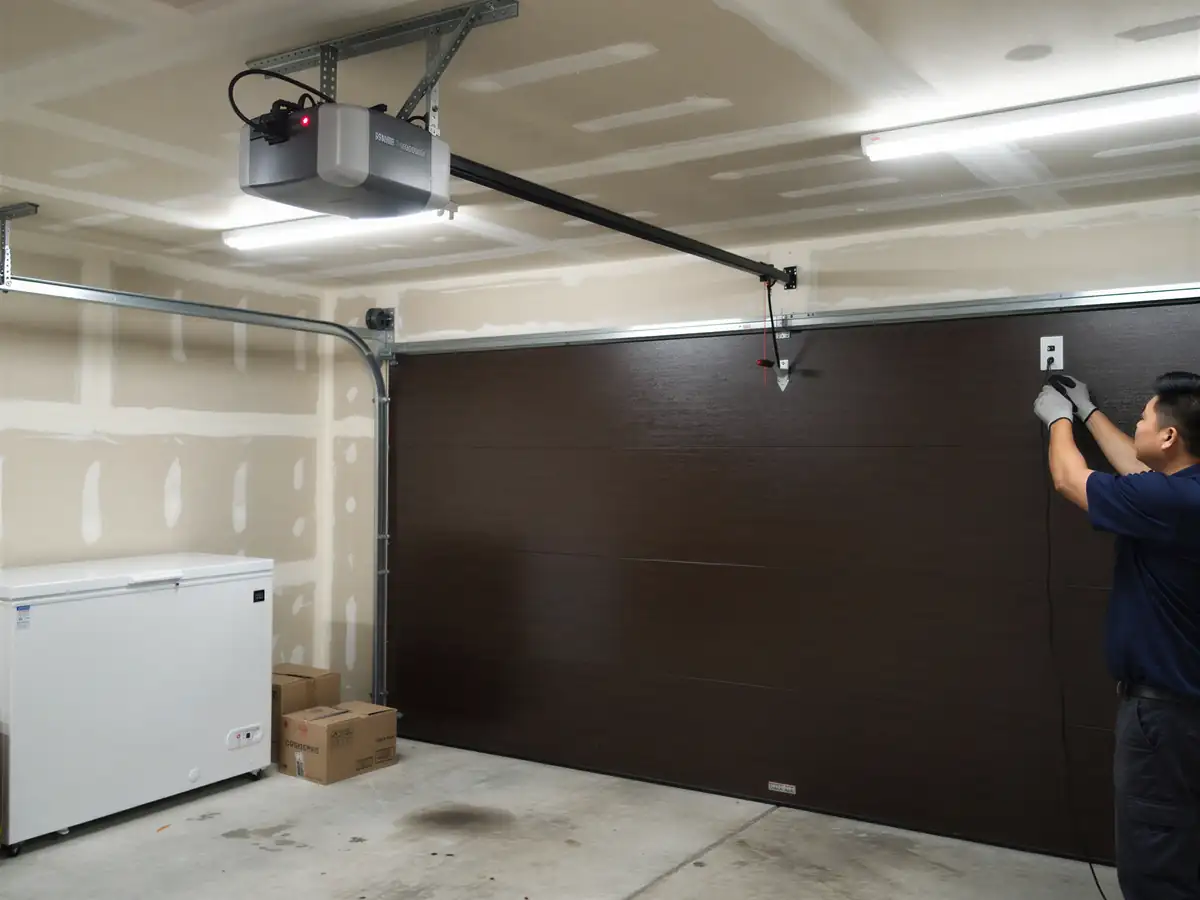
Most spring and cable repairs on a standard single torsion shaft take under two hours once we're on site. Opener swaps run longer if the existing unit is wired into a house system from the same era and the wiring needs updating to match a new unit. The variable isn't the repair itself - it's the drive out. We're based in Mobile, roughly 13 miles from Saraland, so factor that into when you call versus when a truck is in your driveway; we don't keep a branch here, so every job starts with that drive.\n\nIf a part isn't something we carry on the truck - an obsolete drum size or a discontinued opener board, which does happen on houses built in 1980 - we'll tell you that up front rather than have you wait on-site for a part we have to order.
What You Pay
We don't have a posted price list for this page, and we're not going to make one up. What we can tell you is what drives the cost on a Saraland job specifically: whether it's one spring or a matched pair (if one snapped at 40-plus years old, the other is usually close behind and worth doing at the same time), whether the cables and drums need replacing along with the spring, and whether the opener is salvageable or needs a full swap. Saraland's median household income sits a bit under Mobile's broader service-area average, and we price the job on what it needs, not on a flat regional rate.\n\nThe honest limitation here: we can't quote a number without seeing the door. Spring jobs and full opener replacements land in very different ranges, and guessing over the phone does nobody any favors.