Stocked Parts
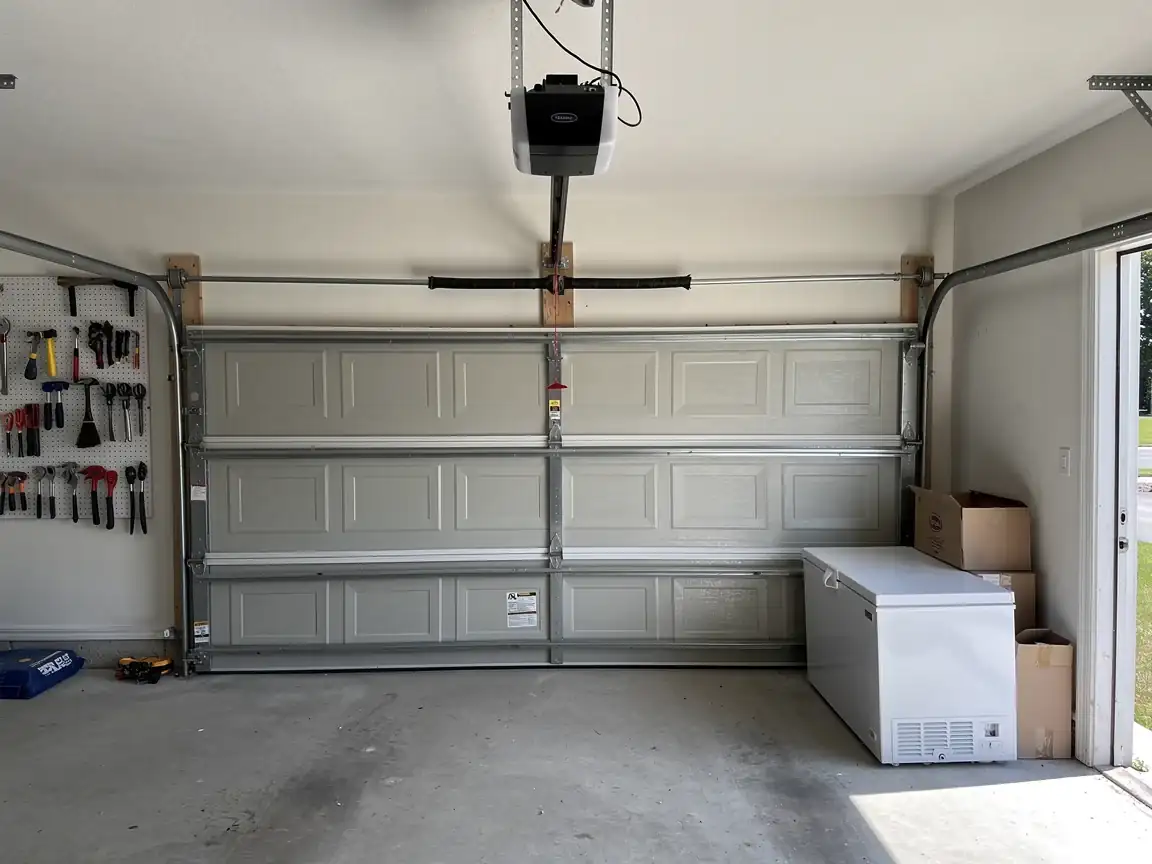
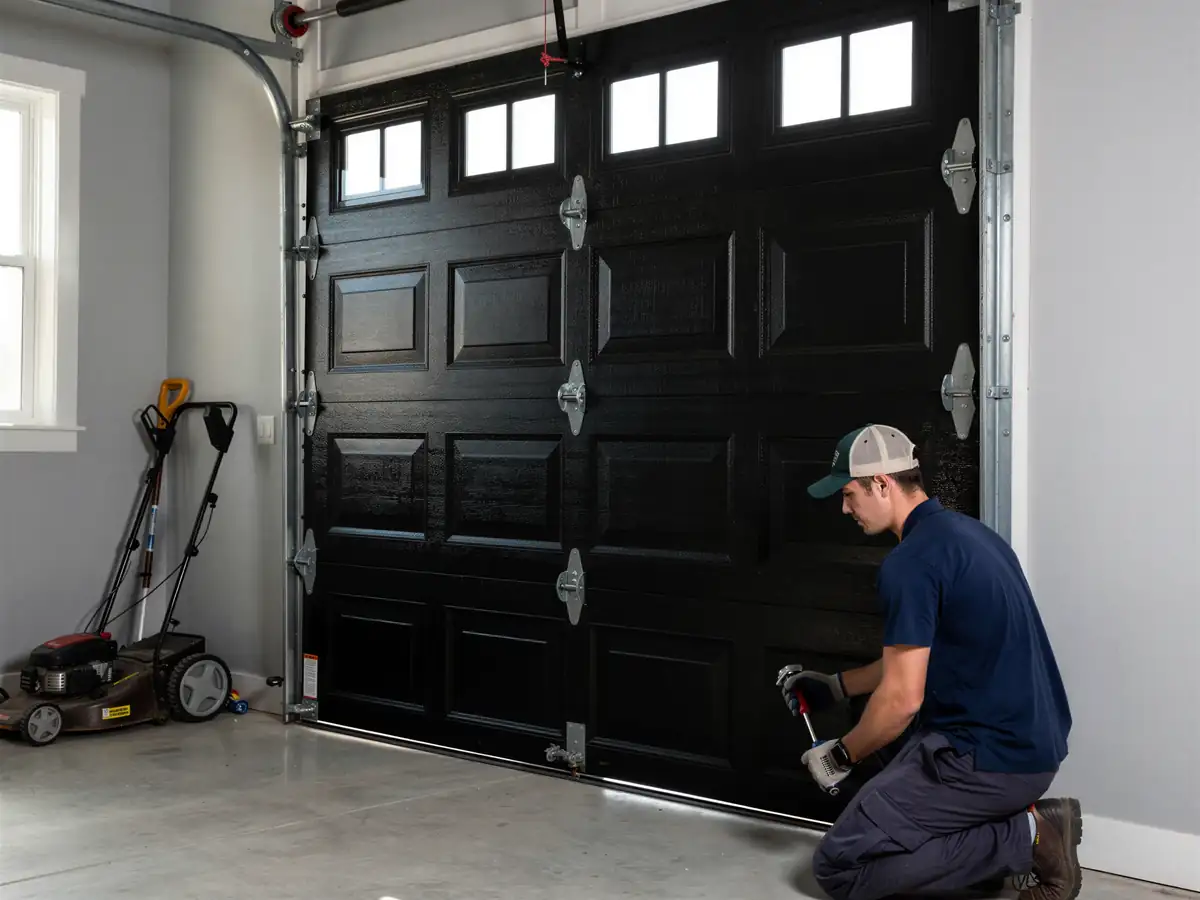
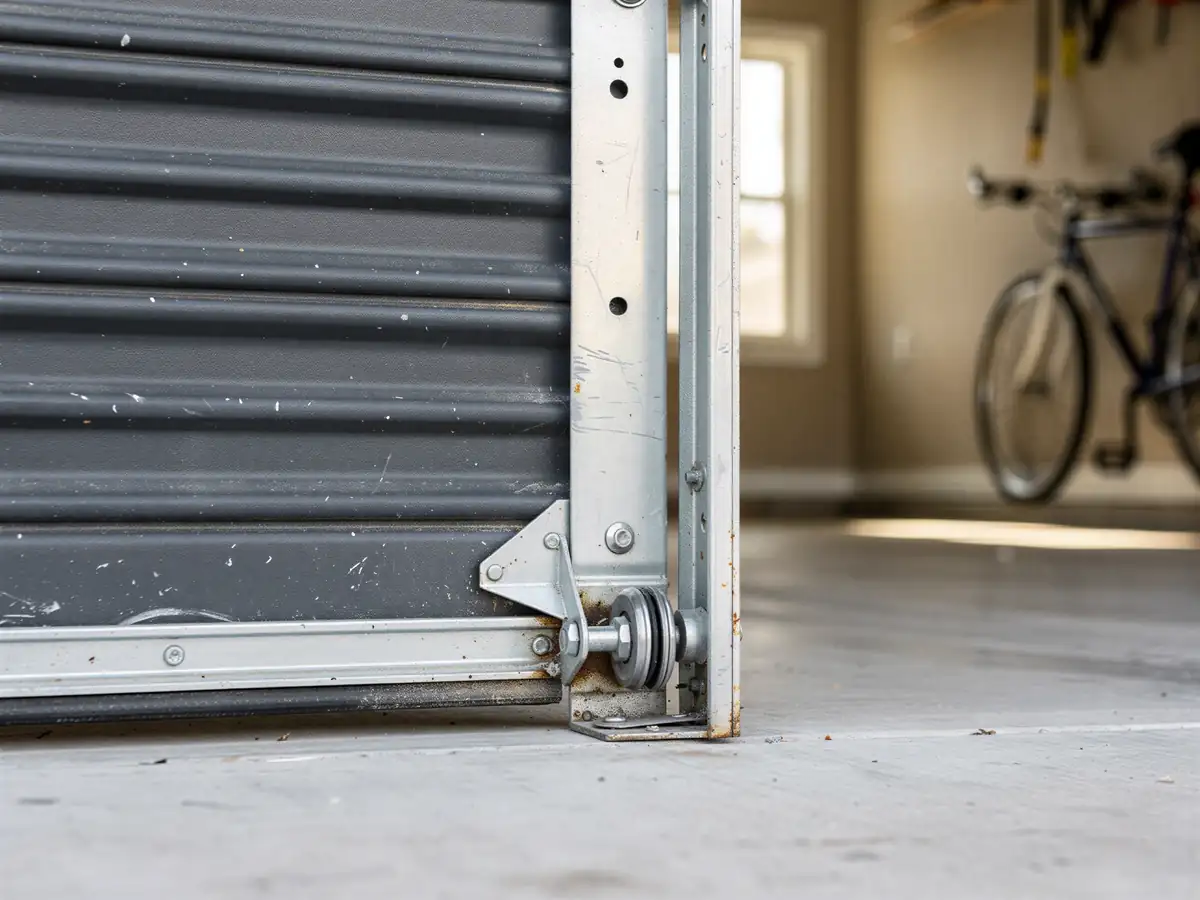
Most of the doors we see out this way went up around 1983, which puts them on steel rollers riding in tracks that were never built for sealed bearings. That era of hardware used a plain 7-inch stem roller, sometimes 10-inch on heavier doors, and the stem length matters more than people think - too short and the roller binds in the bracket, too long and it rattles loose inside a season. We carry both lengths, in galvanized steel and nylon, on the truck because we don't know which one is on your track until we're standing in front of it. Nylon rollers run quieter and don't need the oil steel ones do, which matters here since the mild climate with occasional freeze still lets grease gum up and attract grit over a few decades. We don't stock the exact original steel rollers some of these 1983-era doors shipped with - that hardware isn't made anymore, and a straight swap to a modern nylon or steel-and-bearing roller is the honest fix rather than hunting for a part that doesn't exist.
What You Pay
At a $52,249 median household income here, a full roller set on a two-car door is money a lot of homeowners plan around rather than money sitting ready in a drawer. That's a good ten grand under the $62,318 median for the broader service area, and it changes where the repair-or-replace line falls - a roller job on an otherwise sound door is almost always the cheaper call, but a door with a bent track or a dead spring on top of worn rollers starts pushing toward replacement math fast. We don't quote a roller job sight unseen over the phone, because the price swings on how many rollers are shot, whether the track needs straightening, and whether the bearings on the opener side are the ones actually failing. What we can tell you is that we'll show you the worn rollers before we pull them, so you're not paying to guess.
The Complications
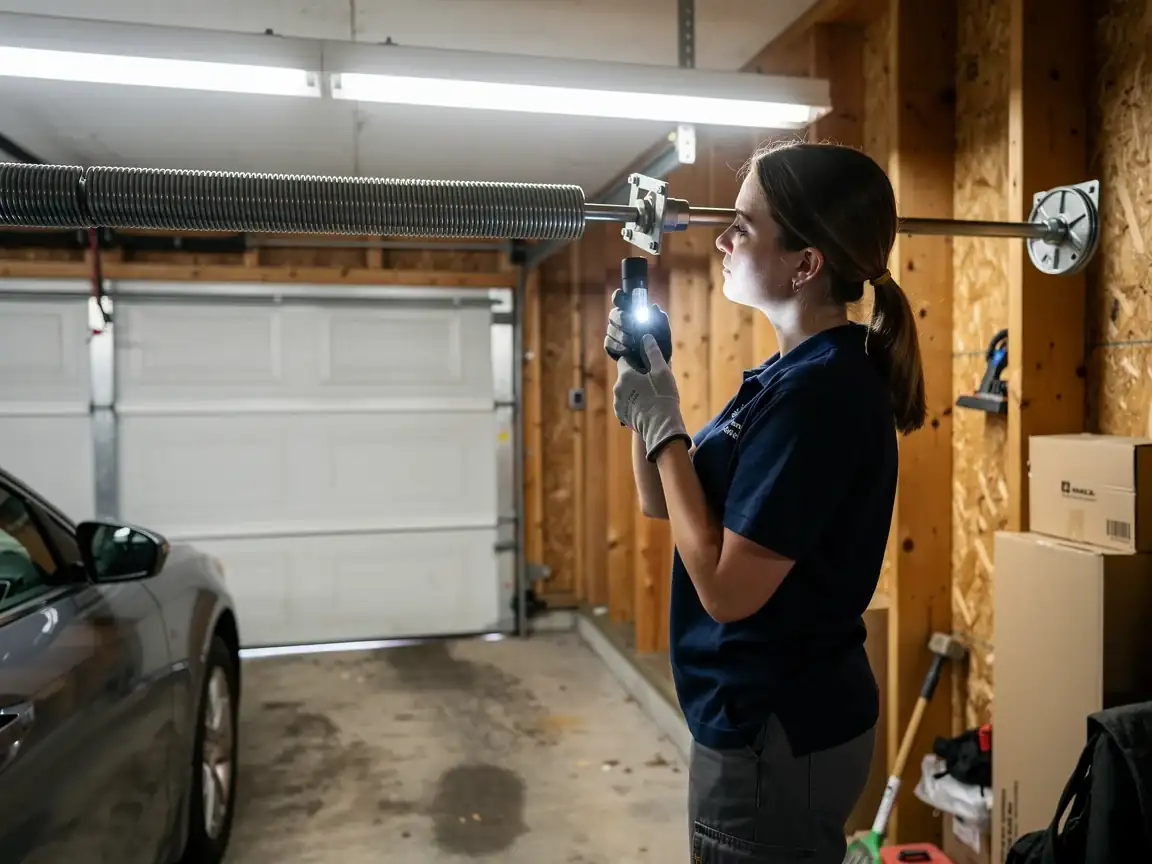
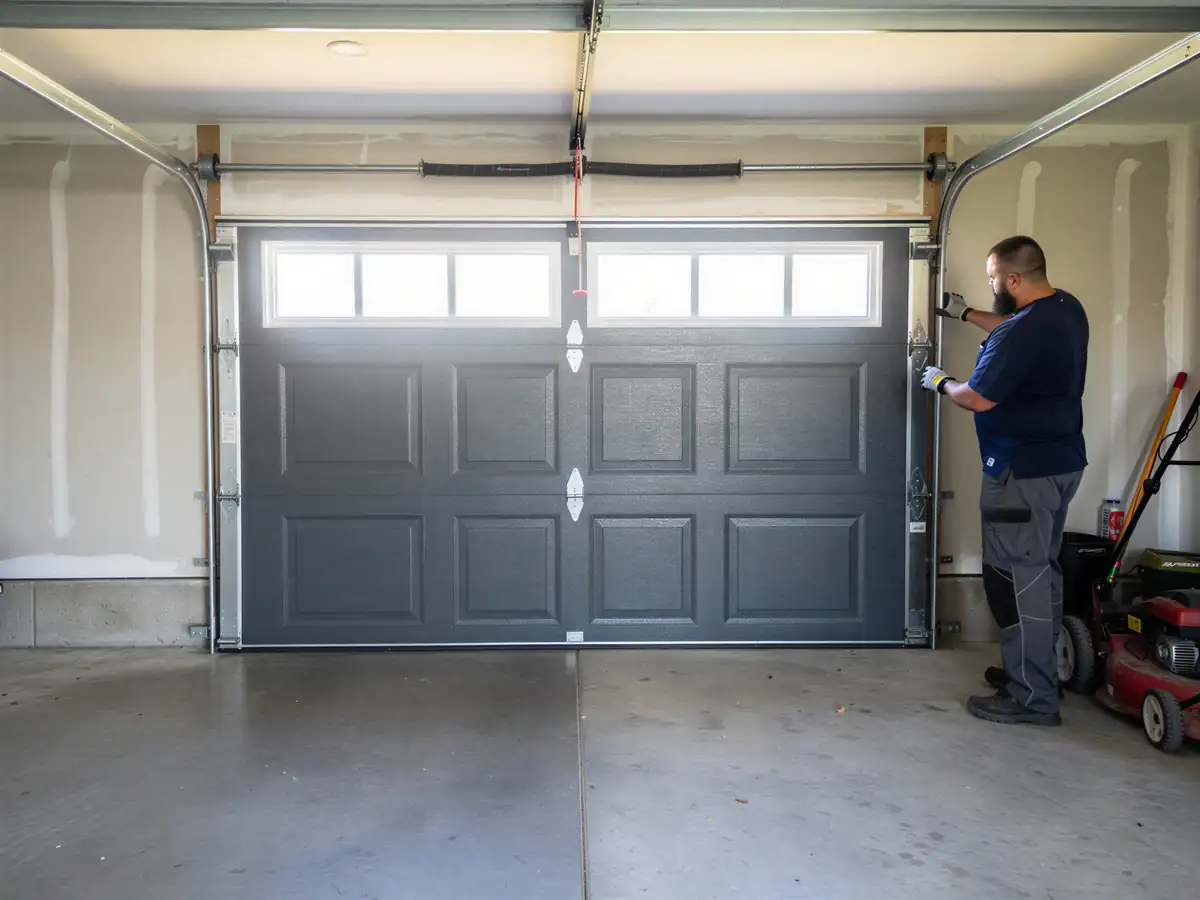
The complication we run into most on these early-1980s doors isn't the roller itself - it's the track. Thirty-plus years of the door riding on worn rollers lets the whole system drift slightly out of alignment, so by the time rollers are bad enough to grind, the track brackets are often loose or slightly bent too. Swap the rollers without checking that and you've got a quiet door for a month before it starts grinding again. The mild-with-occasional-freeze climate band this area sits in also means humidity swings do more damage to roller stems and bearings over the years than hard winter would - rust forms slow and steady rather than all at once, and it's usually worse than it looks from the ground. One limitation worth saying plainly: if the track itself is bent badly enough, rollers won't fix it, and we'll tell you that instead of selling you a part that won't solve the noise.
How Long It Takes
A straightforward roller swap on a door that's otherwise sound is a same-visit job once we're on site - it doesn't require ordering parts, since steel and nylon rollers in common stem lengths are already on the truck. What adds time is the inspection beforehand: on a door built around 1983, we're checking bracket condition and track alignment as a matter of course, not as an afterthought, because skipping that step is how a roller job turns into a return visit. If the track needs straightening or a bracket needs replacing, that adds to the visit but is still usually handled the same day. The one thing we won't do is rush the track alignment check just to close out the job faster - a roller set installed on a track that's still slightly bent won't last.