Booking a Visit
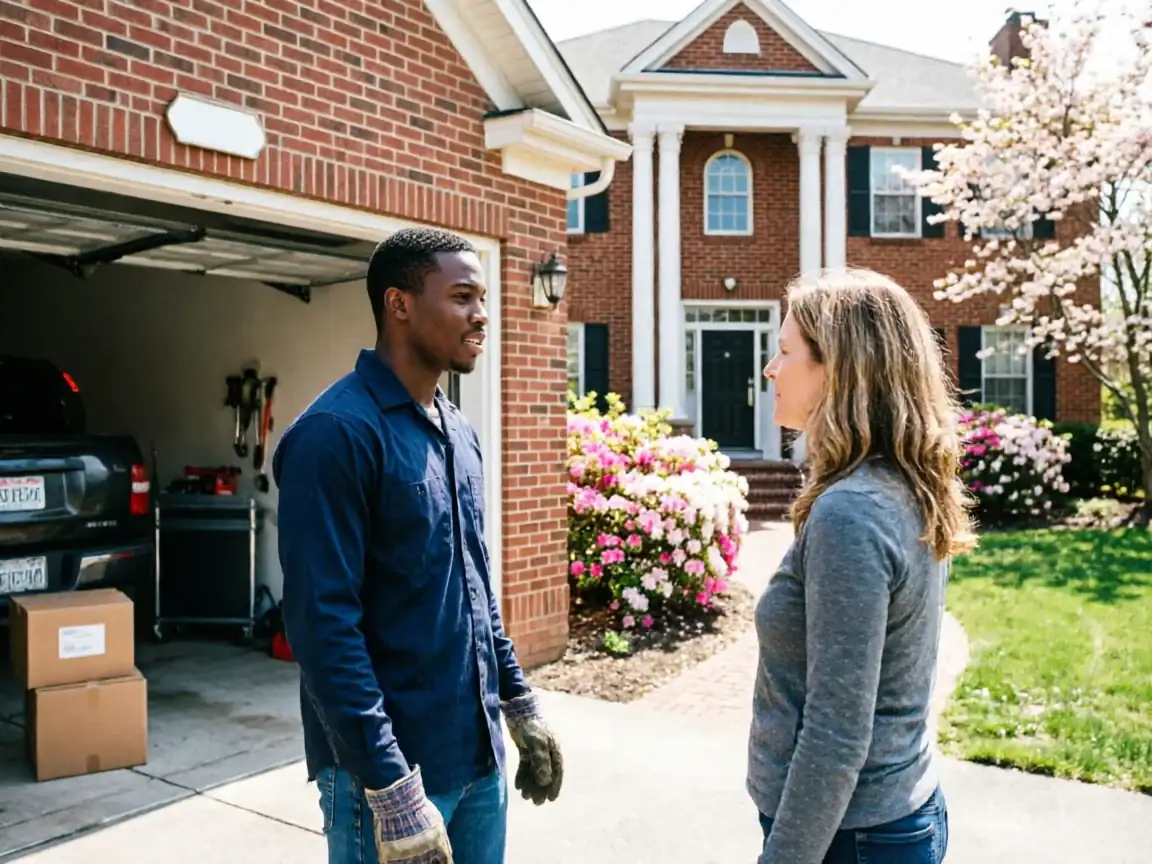
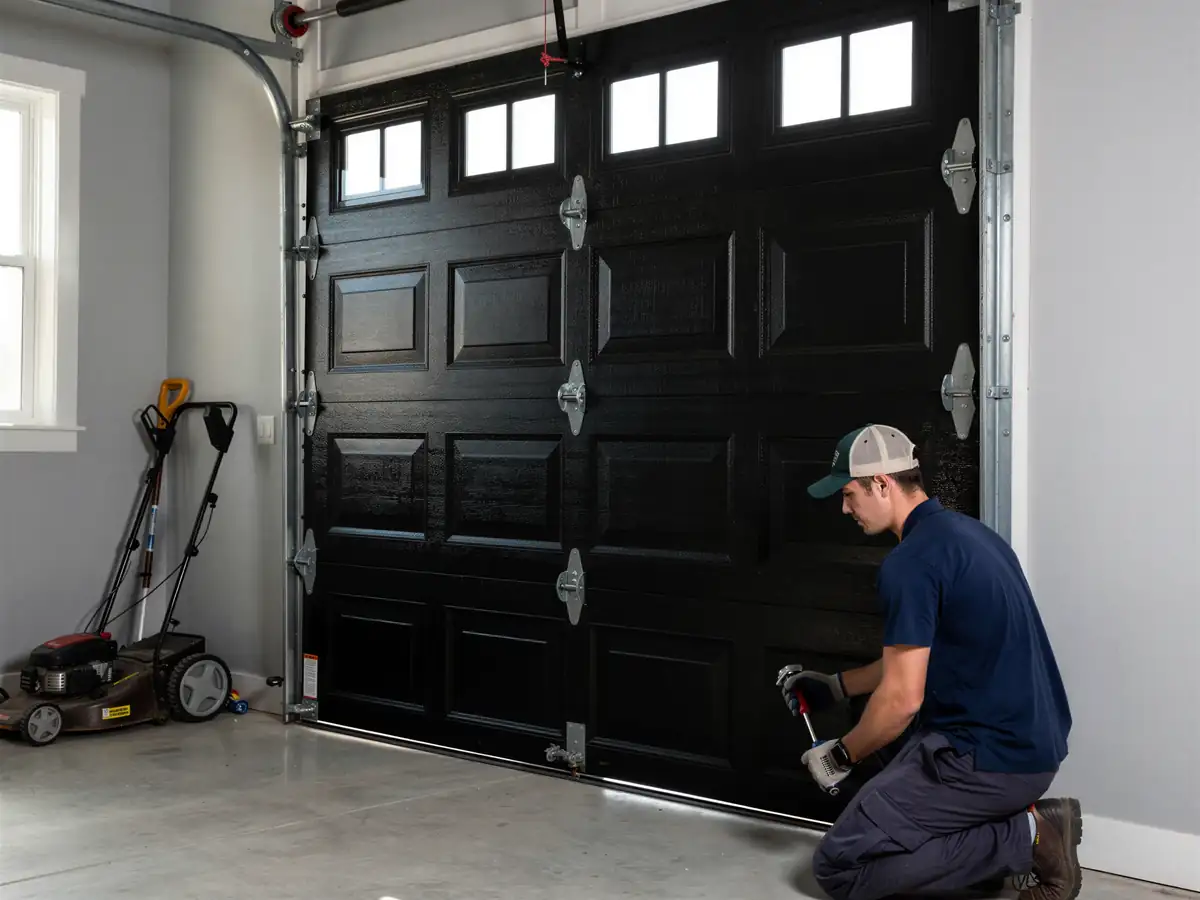
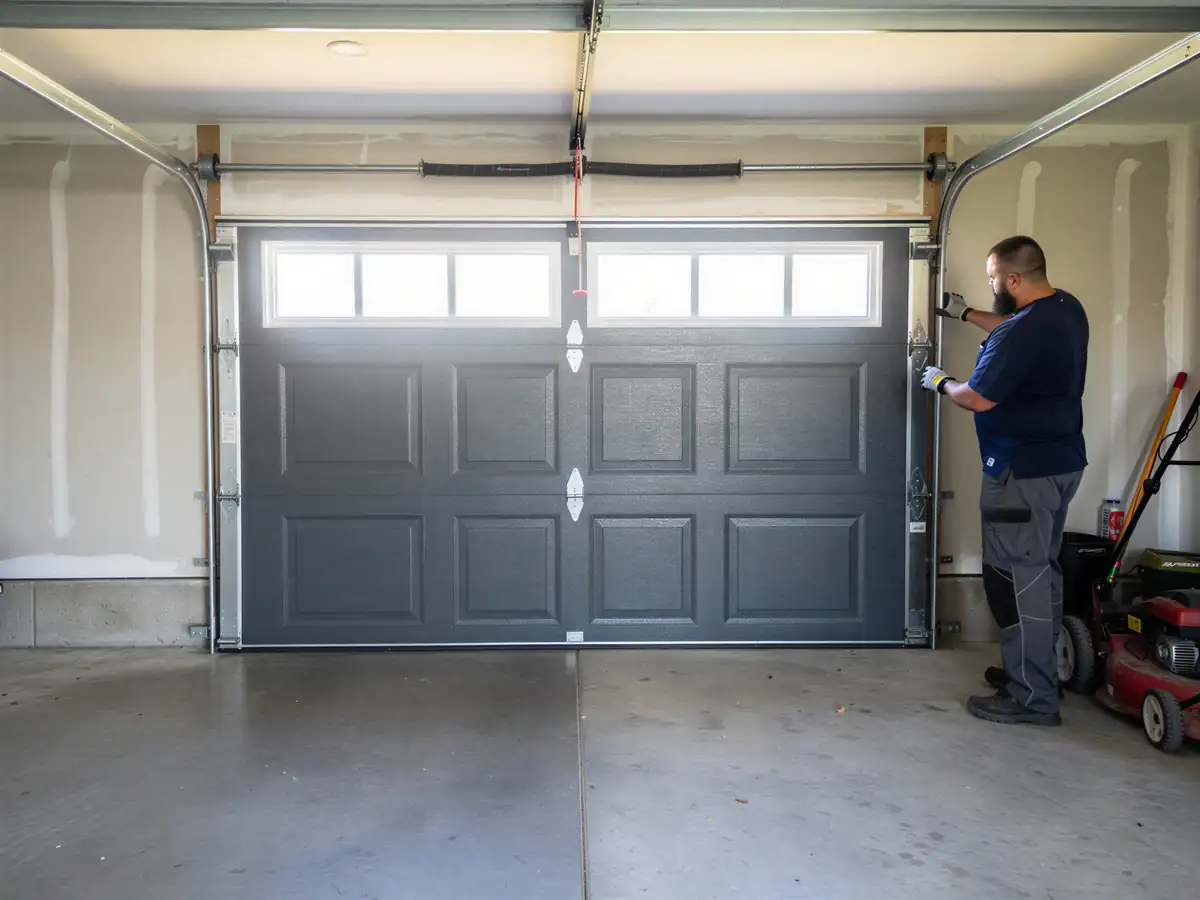
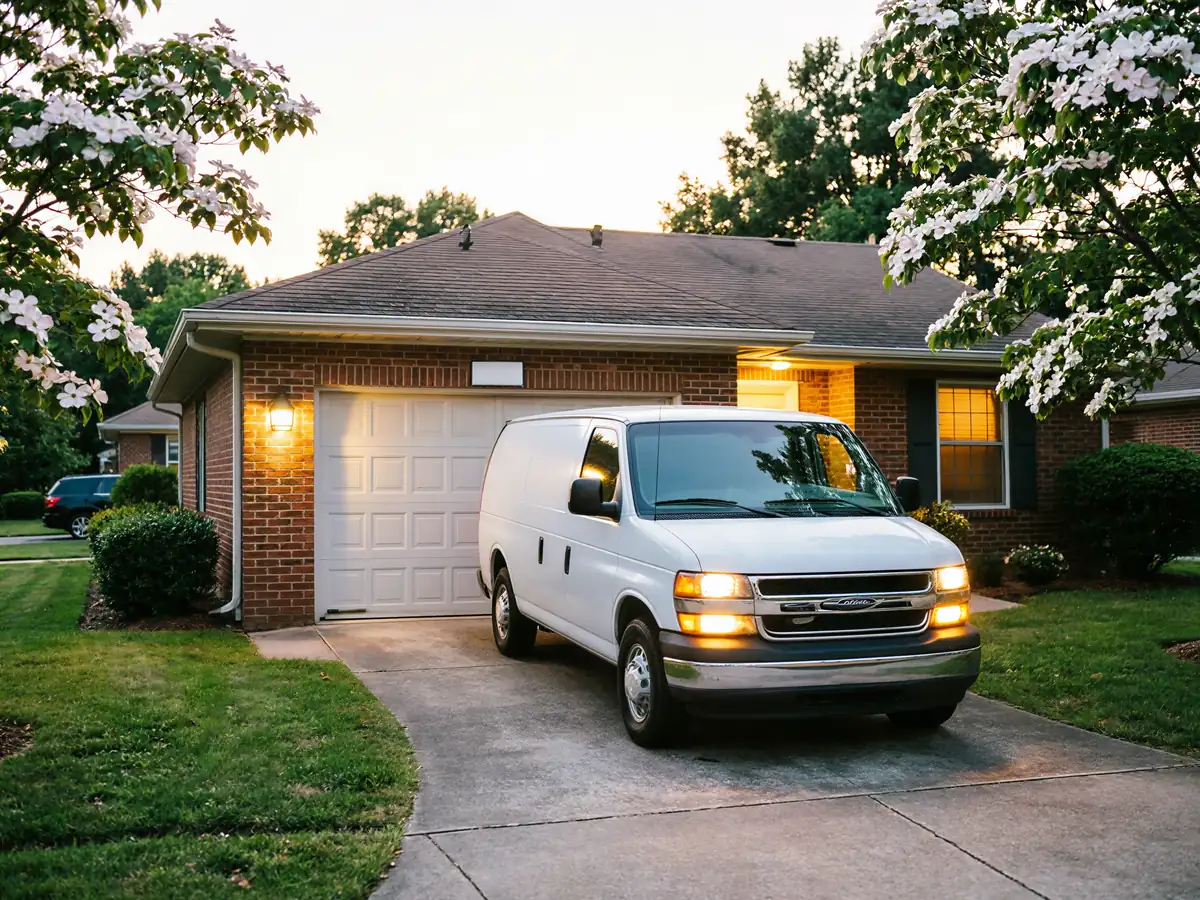
We run out of Mobile, about 8 miles from Prichard, so there's no local branch here to walk into - every job starts with a phone call or a booking through our site, and we drive the truck to you. That distance is short enough that it doesn't change how we schedule calls in Prichard versus anywhere else close to Mobile proper. What does change is what we expect to find when we open the panel: Prichard's housing stock runs older than a lot of the rest of the service area, so we come loaded for extension-spring jobs and older opener wiring, not just the torsion setups you'd expect in newer subdivisions. If you're booking a repair, tell us the rough age of the house if you know it - it saves us a second trip for the right spring size or bracket.
We don't keep a Prichard-based crew or a satellite yard here. It's one company working one service area from one shop, and Prichard is close enough that the drive isn't the bottleneck - parts and scheduling are.
What You Pay
We don't publish flat prices here because the two biggest cost drivers - spring type and door age - vary house to house, and we're not going to guess a number for your door before we've seen it. What we can tell you is how the decision tends to shake out locally. Prichard's median household income sits at $35,331, well under the $62,318 median across the wider service area, and that gap shows up in the calls we get: more homeowners here ask us to repair what's salvageable rather than replace the whole door outright, and more often than not that's the right call on a door that's structurally sound but running on tired hardware.
Where replacement makes more sense than repair, we'll say so plainly - a door with a rusted-through bottom panel or a badly warped track isn't worth patching twice. But we're not going to steer every call toward a full replacement just because the house is older. A lot of 1960s-era doors just need the spring, cable, and roller hardware brought up to date.
The Symptom
The median home in Prichard went up around 1967
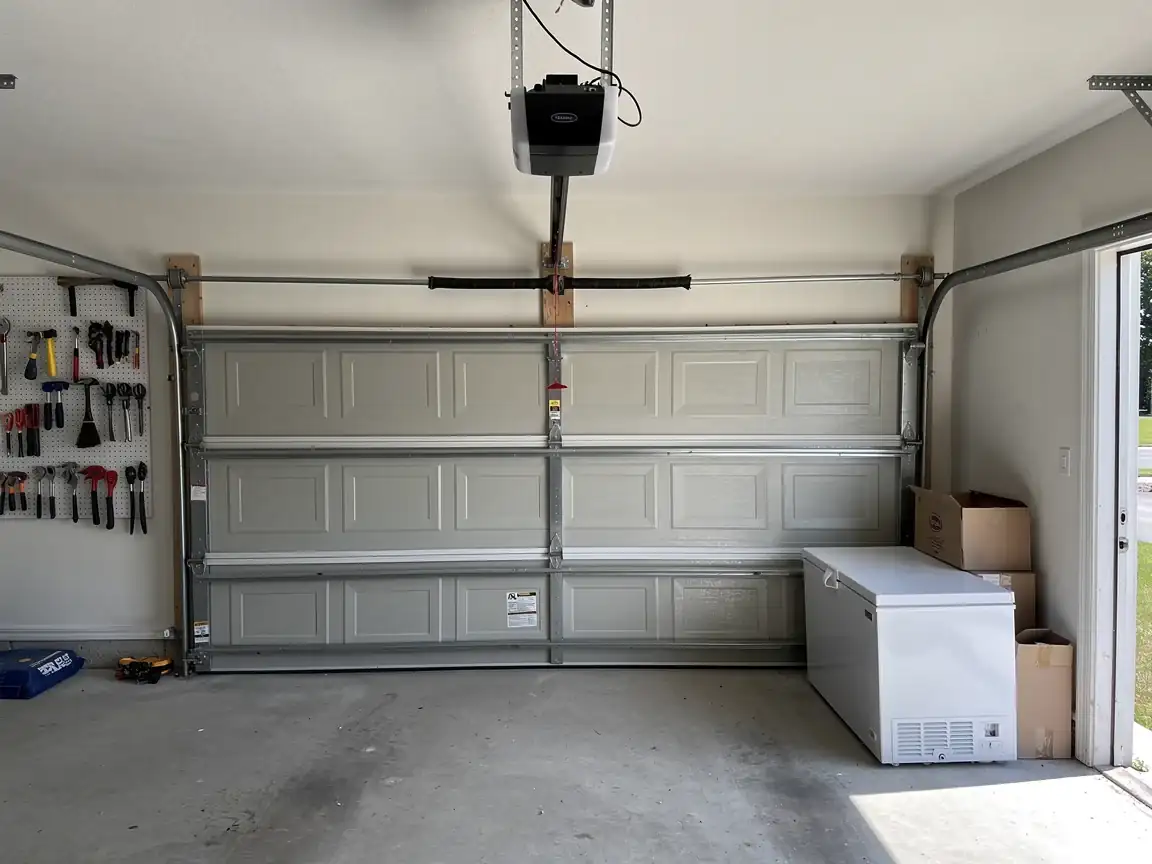
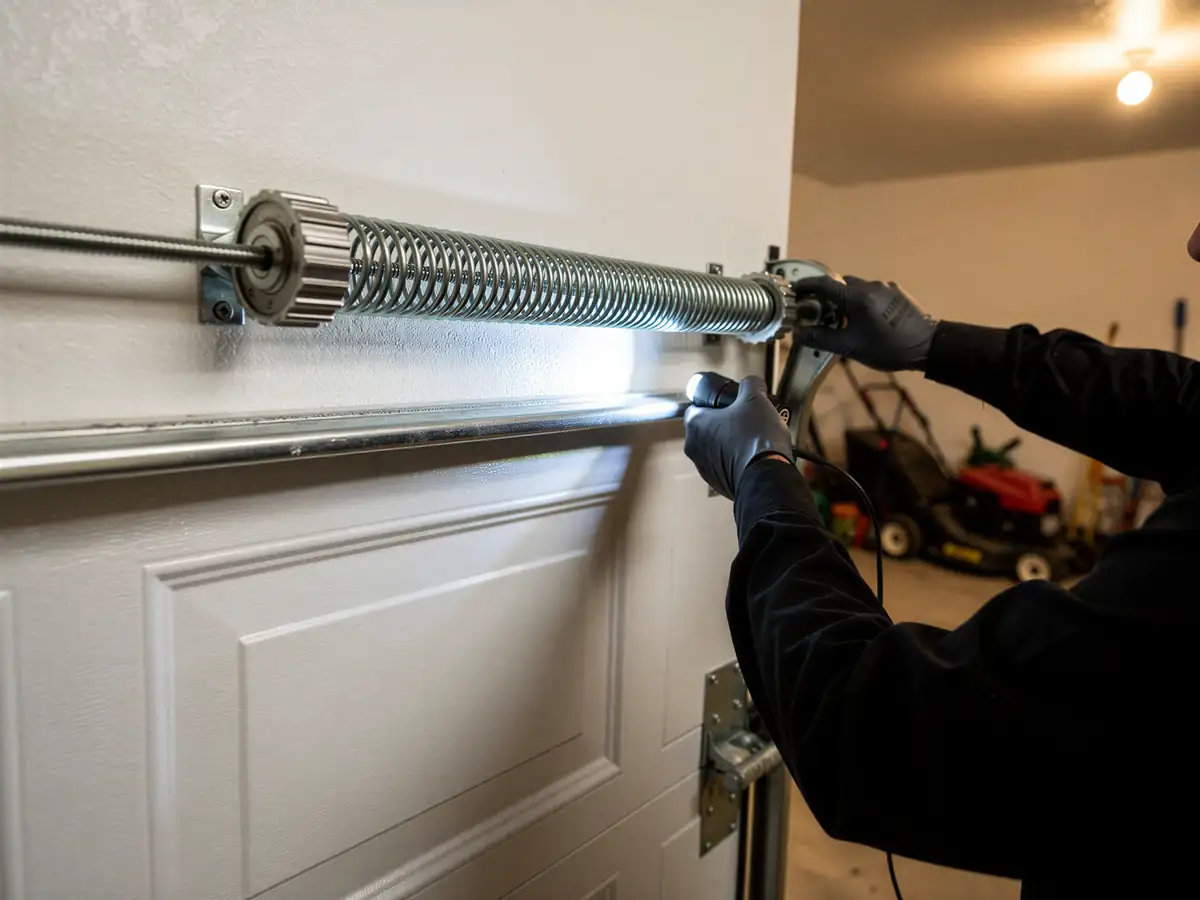
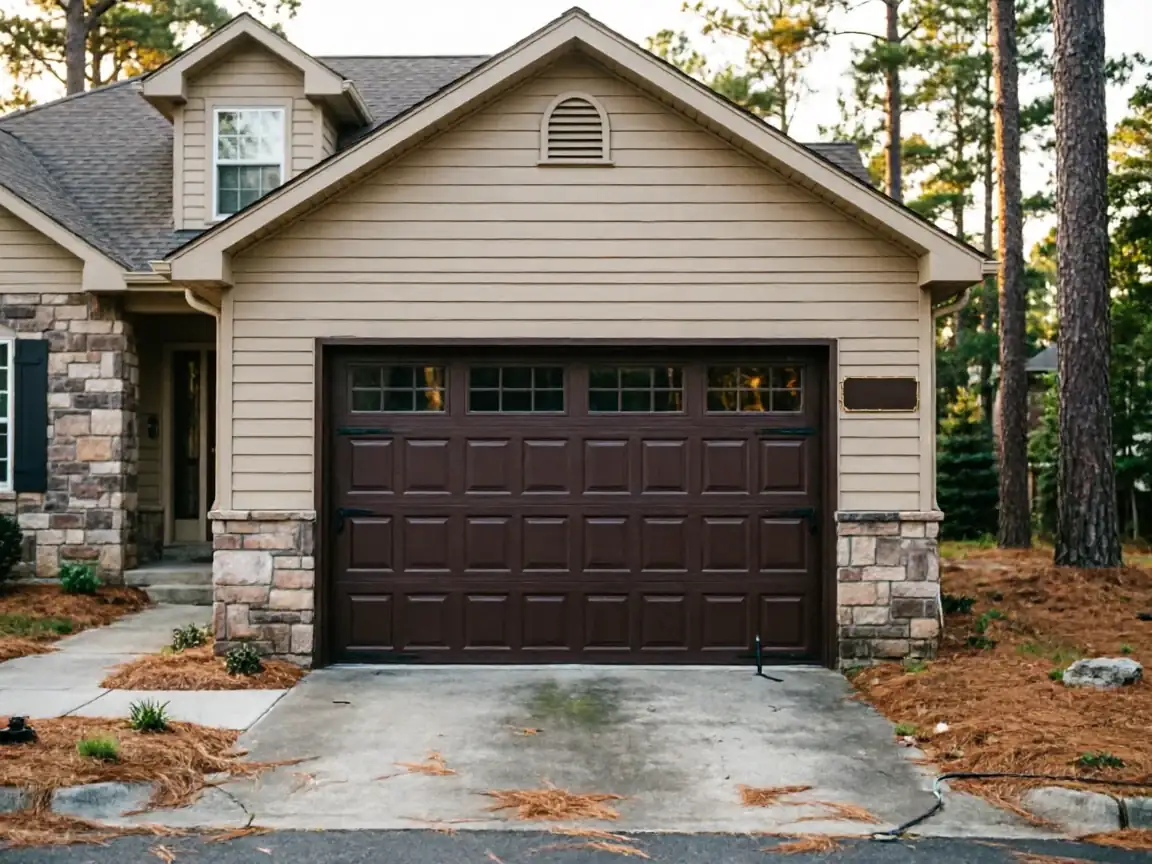
Which means a big share of the garage doors in town either are originals or are direct swaps of the originals from that era - single-layer steel or masonite panels hung on extension springs that run along the horizontal tracks rather than a torsion bar over the header. The classic symptom we see on these: the door slams the last foot of travel instead of settling, or one side drops faster than the other when the cable frays. That's a dead giveaway of an aging extension-spring setup, not a torsion failure.
On newer construction elsewhere in the service area
The complaint is usually a torsion spring snapping clean and the door refusing to budge. In Prichard it's more often a slow, uneven decline - a door that's gotten noisier, heavier to lift by hand, and harder to trust around kids or cars, because the galvanized cables and open coil springs from the 60s and 70s just wear differently than modern sealed torsion hardware.
How We Fix It
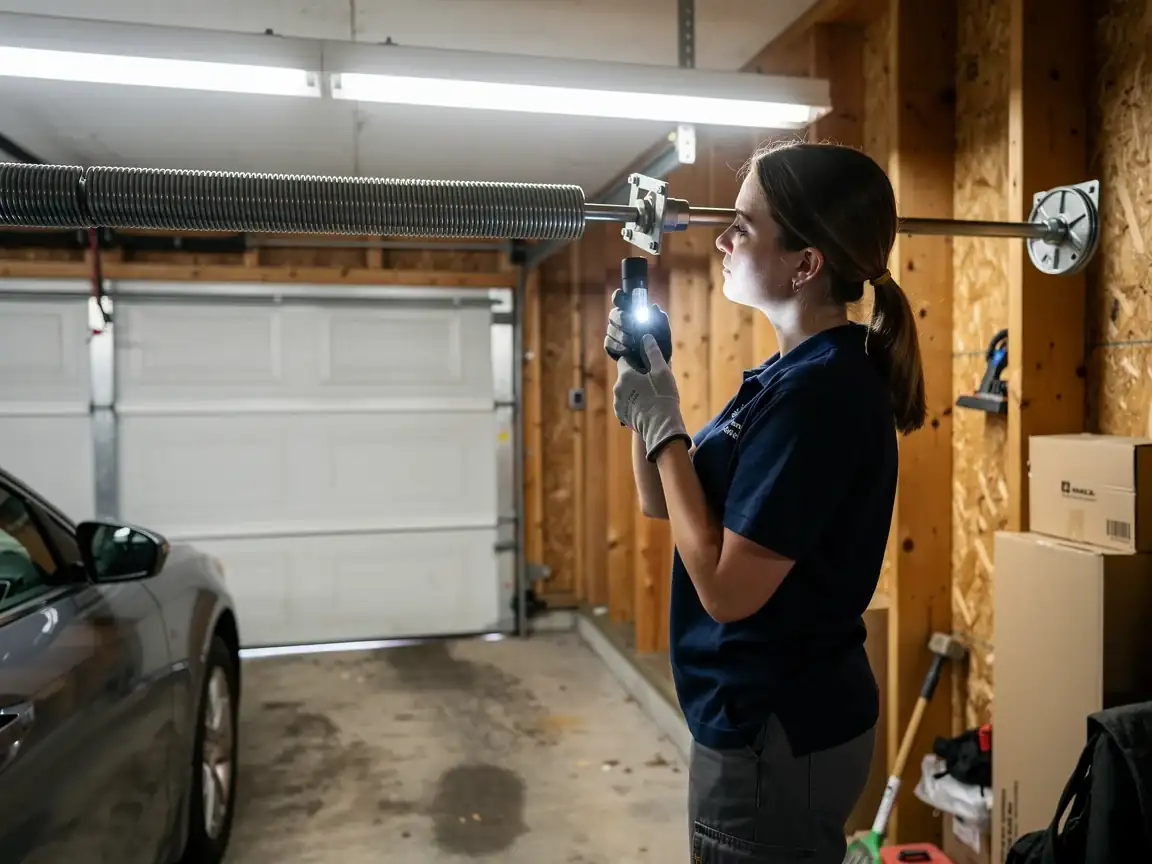
On a 1967-era door, step one is figuring out whether the extension springs and the pulley/cable setup are original or have already been swapped once - a lot of these doors have had one hardware replacement sometime in the 80s or 90s, and that changes what parts fit. We carry stock for both the older open-coil extension springs and the safety-cable retrofit kits that should be on any extension system built before modern code required them.
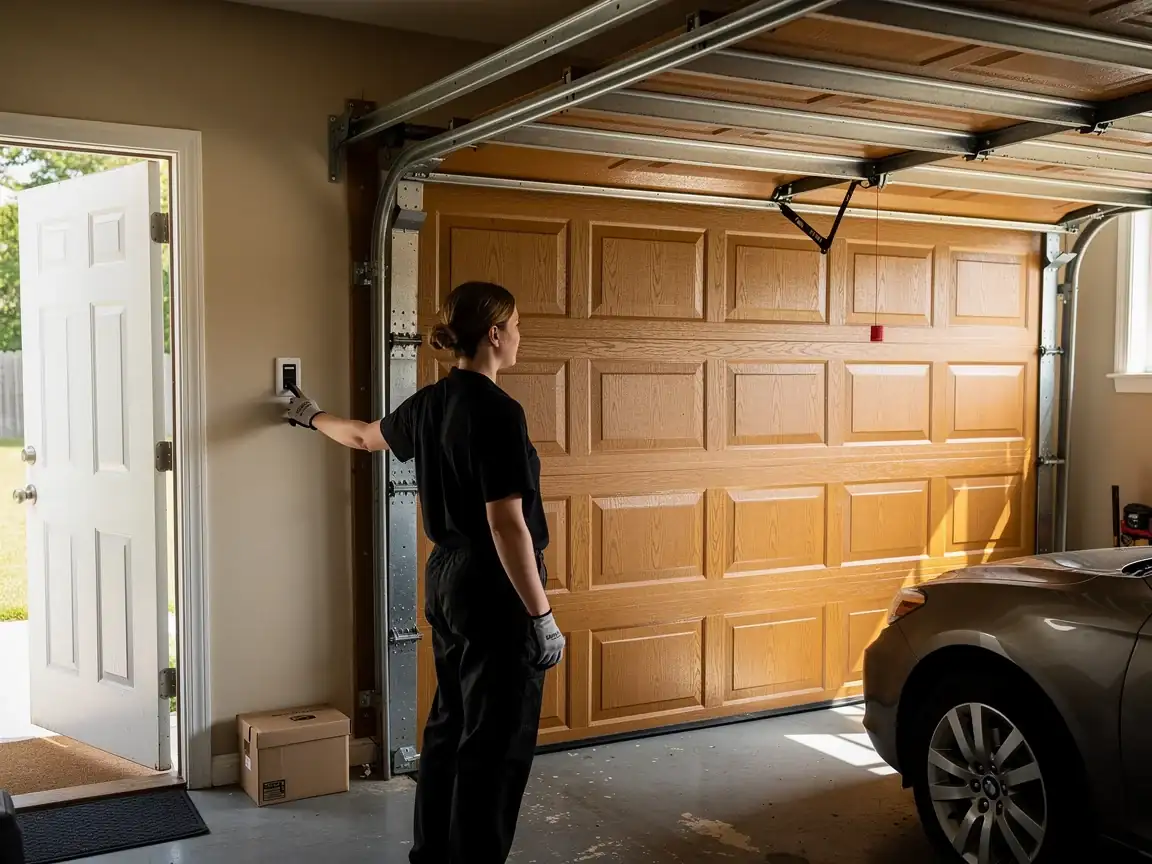
We'll also check the opener separately from the door itself. A lot of these houses added a garage door opener well after the house was built, which means the opener's age and the door's age don't always match - we've seen a newer opener straining against decades-old hardware it was never sized for. Where the track brackets are pulling loose from wood framing that's over fifty years old, we reinforce or replace the bracket mounts rather than just re-hanging the same door on failing wood. That's a slower job than a straight spring swap, and we'll tell you up front if that's what we're looking at.
How Long It Takes
A standard spring or cable repair on one of these older doors is usually a single visit - we carry the common extension spring sizes on the truck. Where it slows down is when the hardware is non-standard or when a bracket has to be rebuilt because the original wood framing has degraded, which we see more in Prichard's older stock than in newer parts of the service area. In those cases we may need to order a part, and that's the honest limitation: we don't stock every obsolete bracket or pulley style from a door that's pushing sixty years old, so a same-day fix isn't always possible if the hardware is unusual.
We'll tell you on the spot whether your job is a same-visit repair or a parts-order job, and we won't pad the timeline to sound better than it is. Most calls here are quicker than people expect, but a handful of older doors need that extra step, and we'd rather say so than leave you guessing.