The Complications
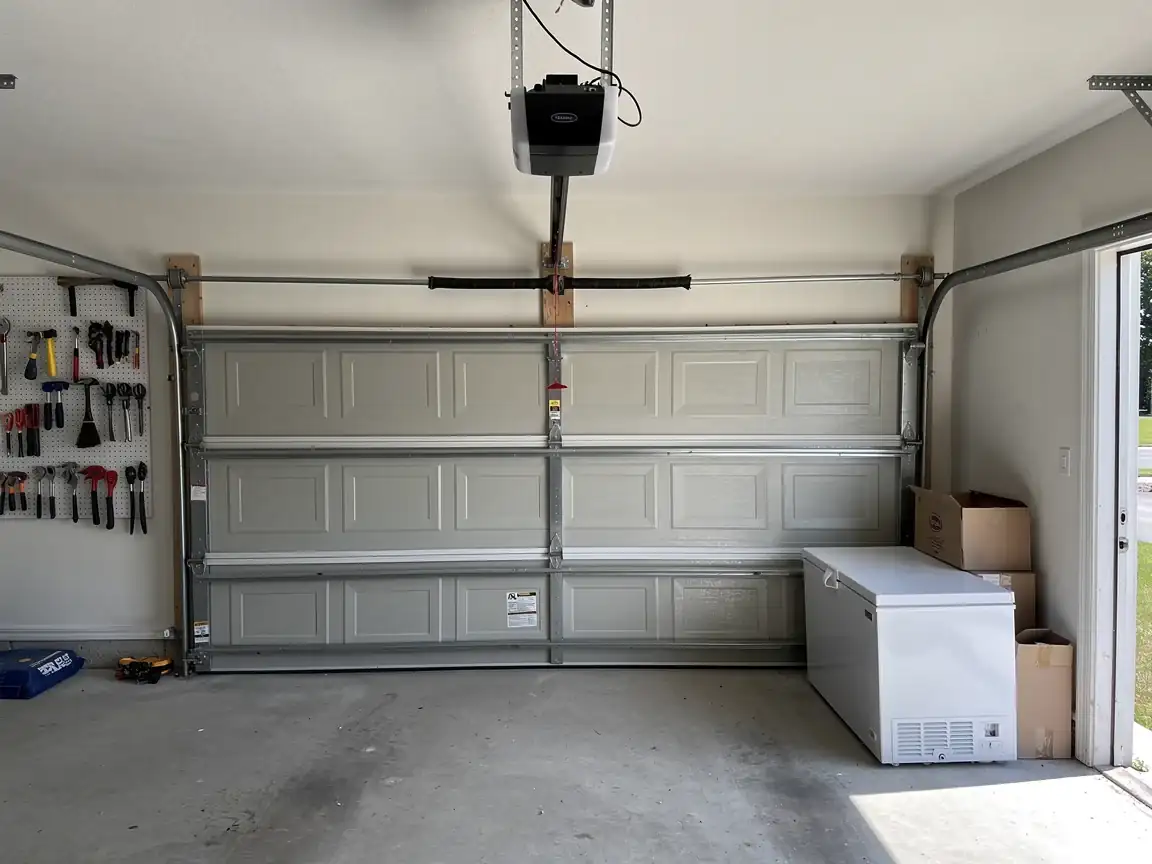
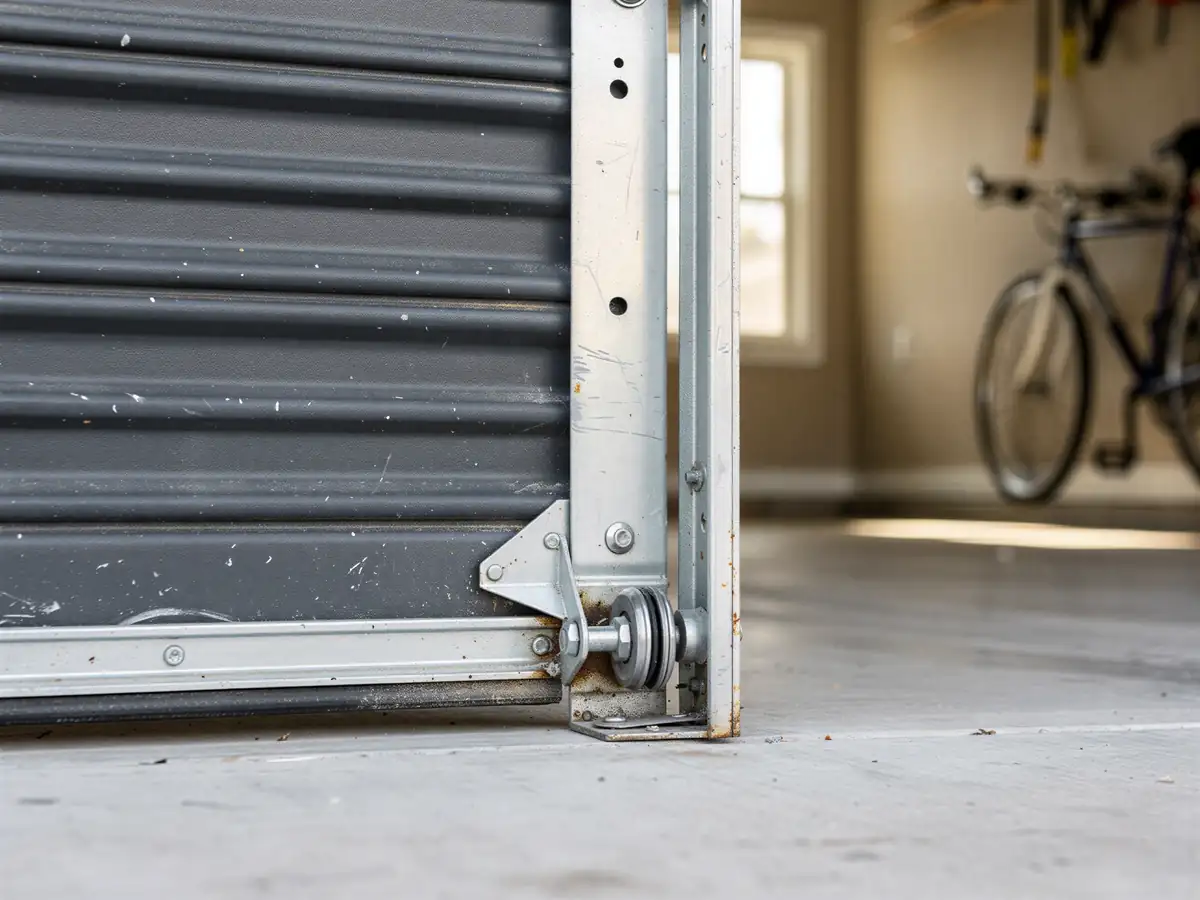
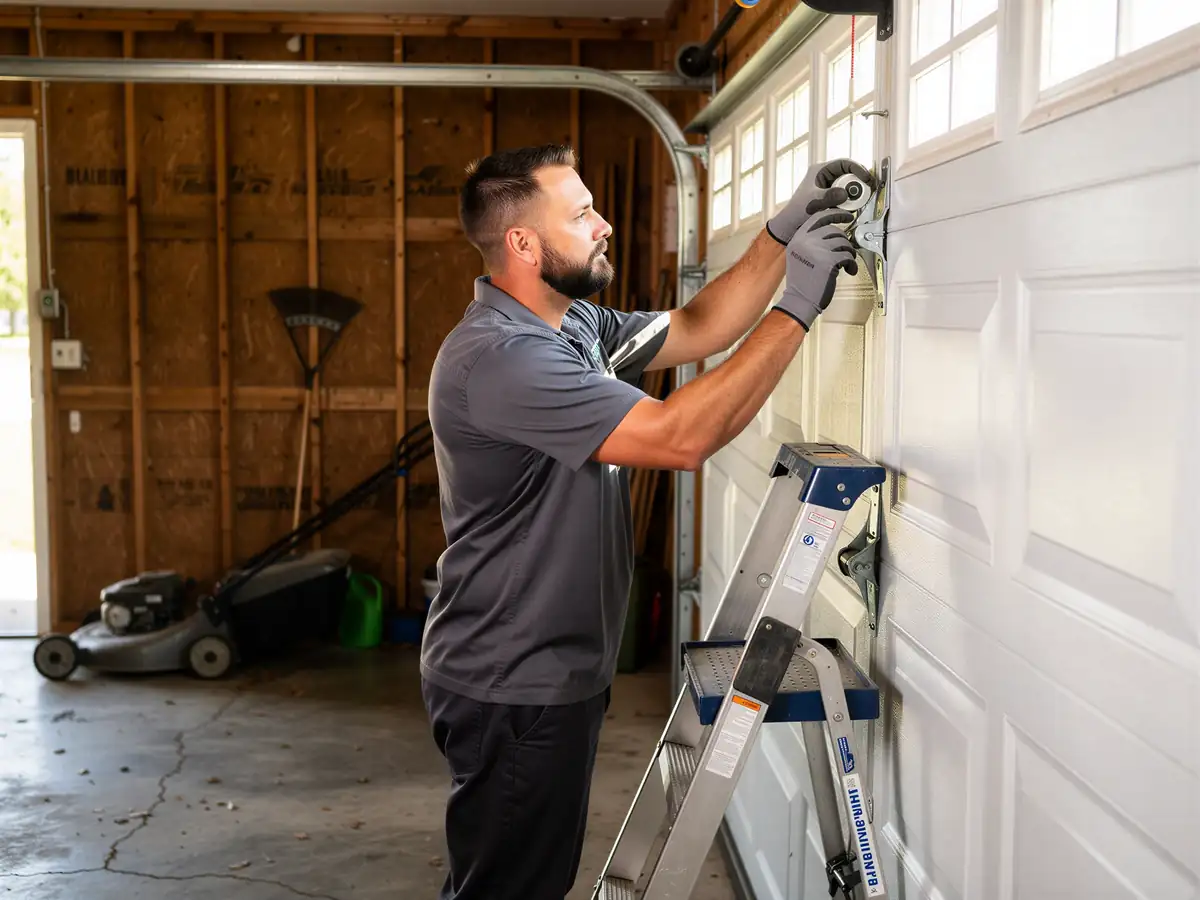
Satsuma's housing stock centers on 1979, a few years ahead of the 1980s and 90s wave that defines most of the thirteen other communities we cover out of Mobile. A door from that build year is almost always steel sectional, two-car width, hung on a track sized for the heavier gauge panels builders used before lighter residential steel became standard. The rollers on those doors are usually galvanized steel with 7-ball bearings, not the sealed nylon rollers you'd find on anything installed in the last fifteen years. Steel rollers ride loud from day one and get louder as the galvanizing wears through, but the real complication shows up in the stem. On a door this age the roller stem is often slightly bent from decades of a door that's drifted out of plumb, and a straight swap-in of a new roller won't fix a stem that's already tweaked. That's a bracket or hinge problem riding along with the roller problem, and treating only the symptom means a callback in a year.
Mild coastal humidity keeps that steel stem rusting slowly at the bracket pivot even when nobody notices a sound yet, so by the time a roller sounds rough, the hinge underneath it has usually been working loose for a while too.
How Long It Takes
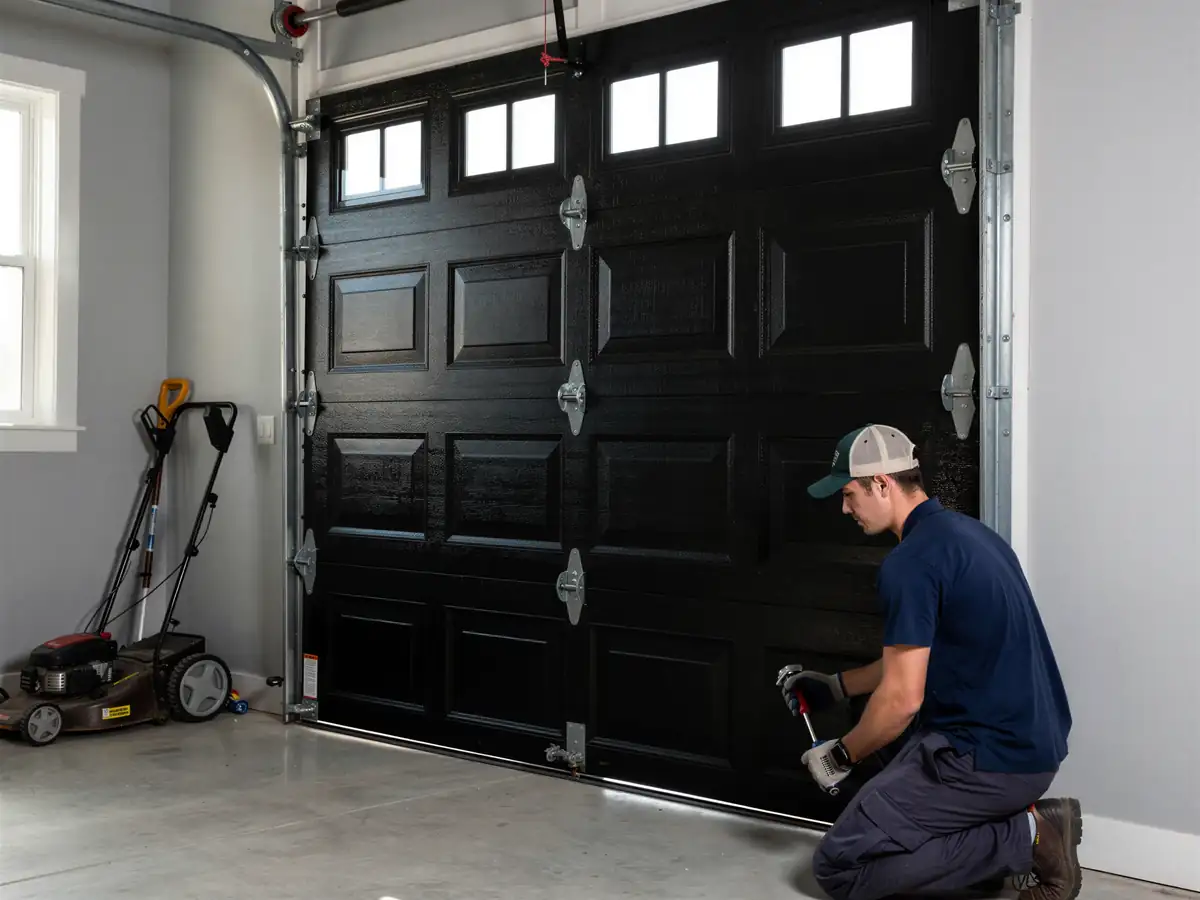
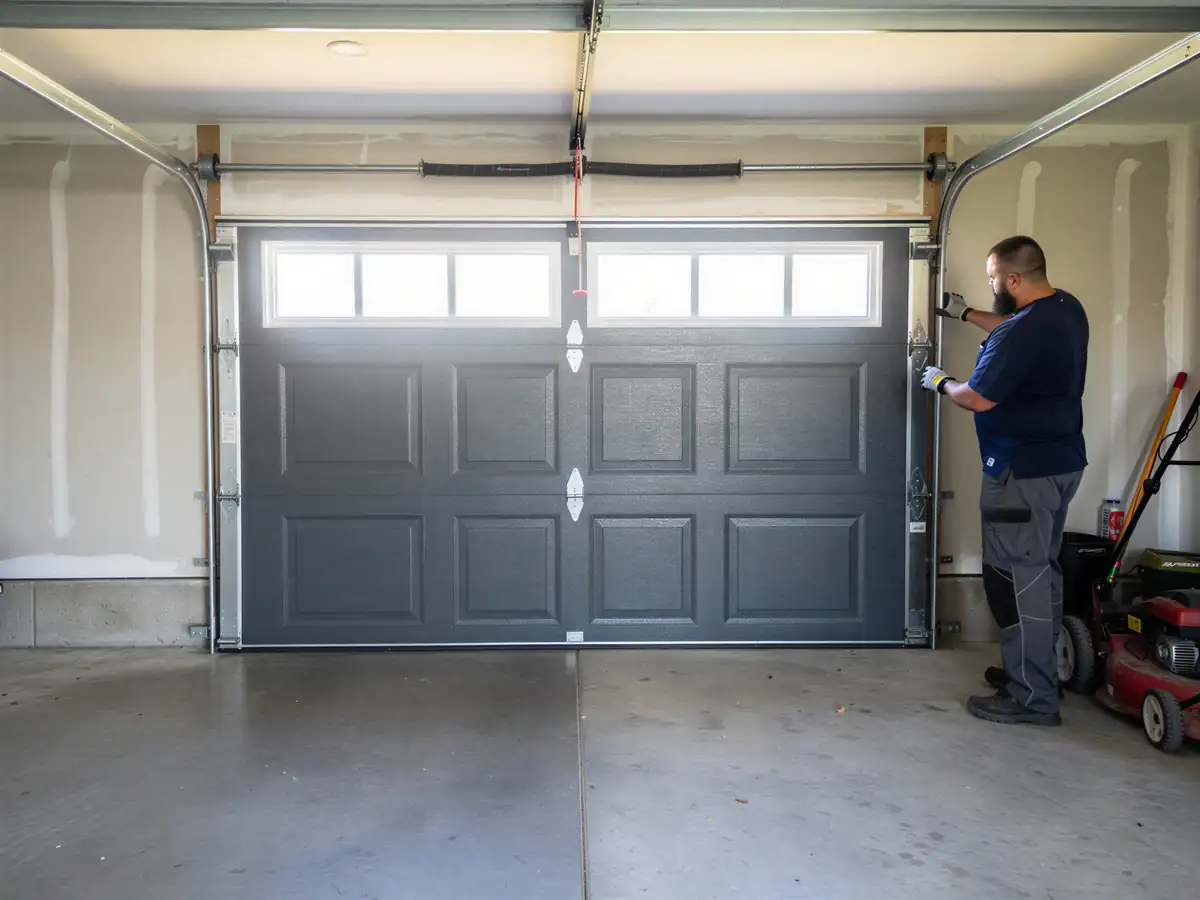
A straightforward roller swap on a two-car steel door runs under two hours once we're on site, including pulling the old rollers, checking every hinge and bracket for wear, and running the door through a full cycle to listen for anything we missed. If a stem is bent or a hinge is cracked, which is common on doors from this era, that adds time because we're replacing hardware beyond just the roller itself, not just swapping ten pieces of steel for ten pieces of nylon.
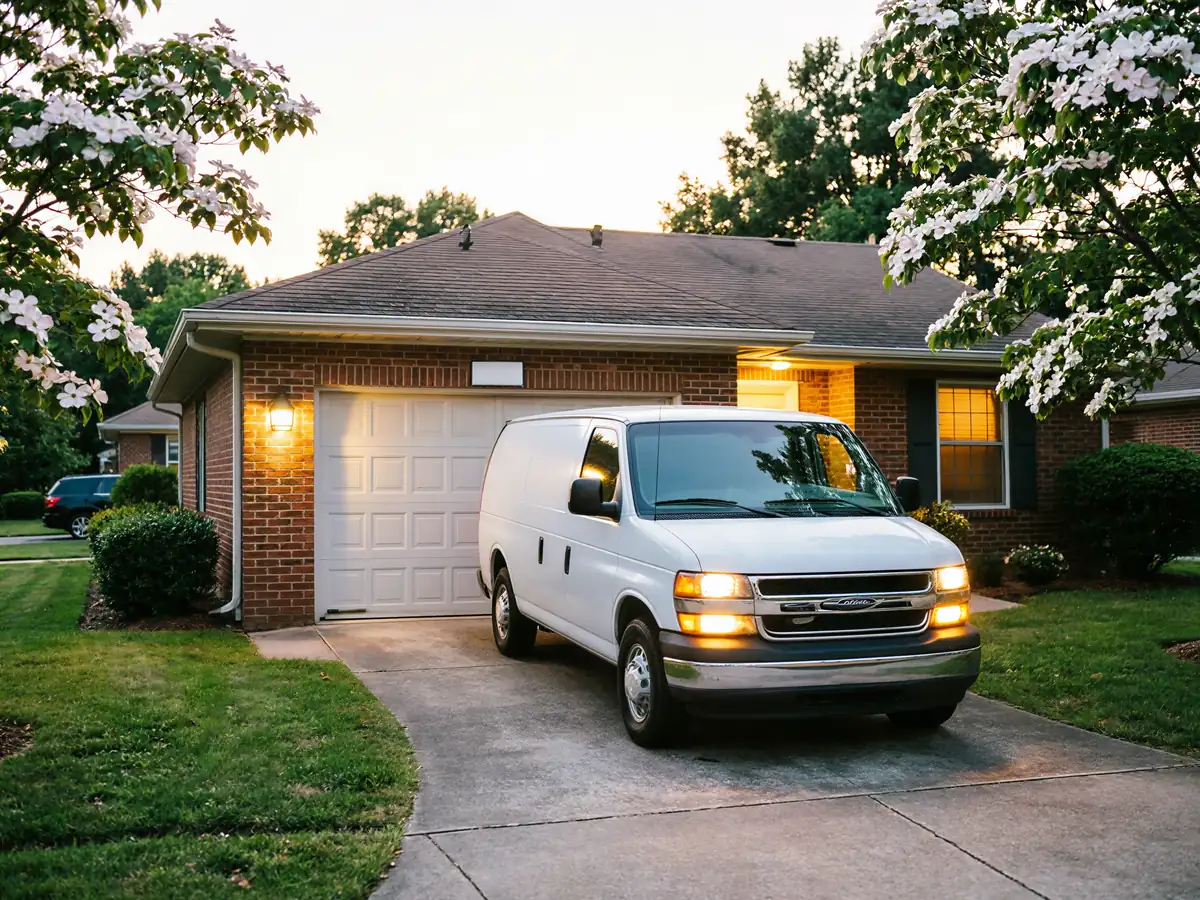
We're coming from Mobile, 13 miles away, so the job itself starts once we arrive rather than after a local dispatch. There's no separate trip for a part we didn't expect to need going in - we stock roller sizes for both steel and nylon, sealed and open-bearing, because a service area with housing from 1979 through the 1990s needs more than one roller type on the truck at any given time.
Why This Fails Locally
Satsuma's 2,443 households sit on a housing stock that, at a median build year of 1979
Runs a few years older than the 1980s-90s stock typical of most of the area. That gap matters for rollers specifically: doors from the late 1970s were built before nylon rollers were standard equipment, so almost every original roller here is steel, and steel rollers have a shorter working life under repeated opening and closing than nylon ever does.
- 2,443 households
The area's median household income of $97,550 runs well above the wider service area's $62,318
And that shows up in which jobs we get called for here - more often it's a full roller-and-hinge upgrade to nylon rather than a patch job meant to squeeze one more year out of steel. Mild coastal climate with occasional freeze doesn't crack rollers the way a hard freeze-thaw cycle would further north, but it does let rust creep into steel stems and brackets year-round without the kind of cold snap that would make a homeowner notice sooner.
The DIY Question
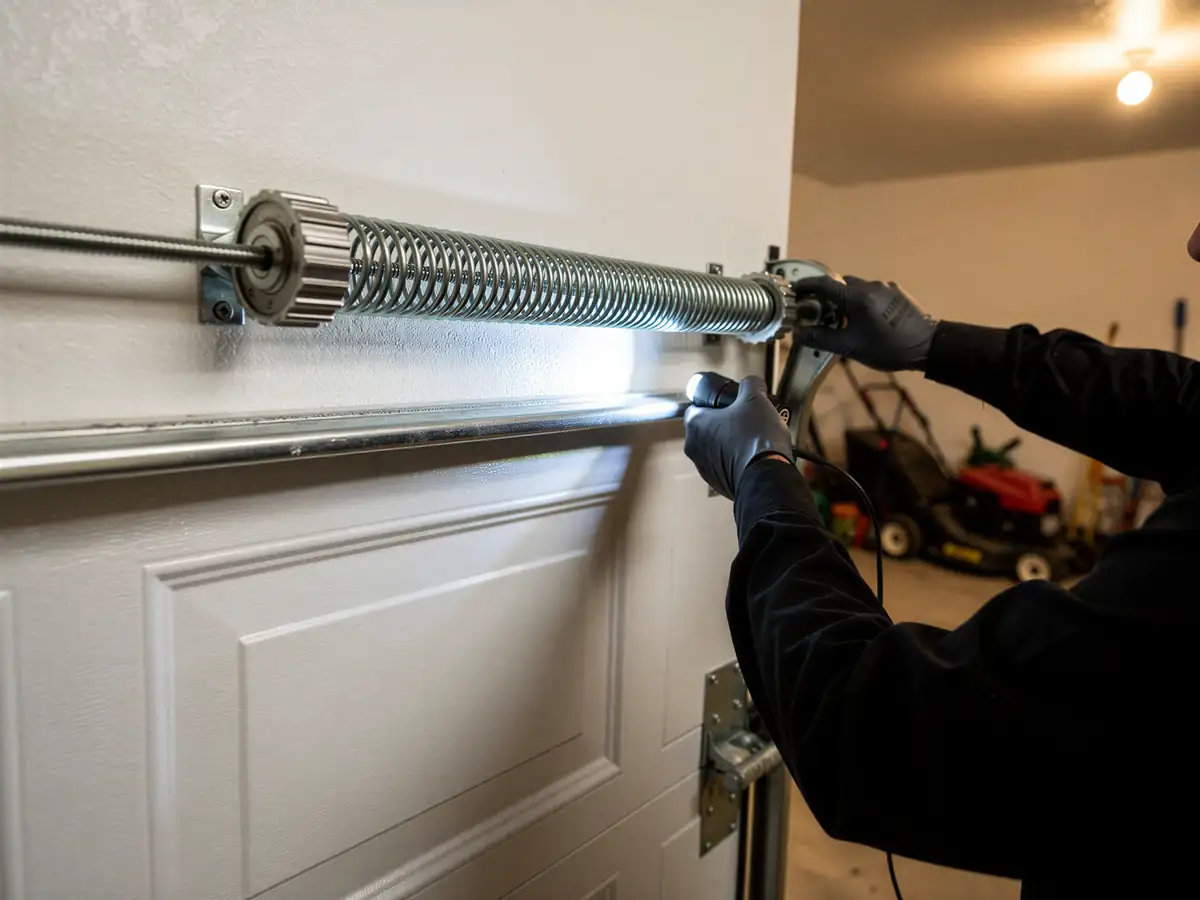
Rollers are one of the more approachable garage door repairs for an owner with basic tools, and on a newer nylon-roller door, swapping one or two isn't a bad weekend project. On a 1979-era steel door, though, the rollers almost never come out clean. The track has usually narrowed slightly from decades of settling, and pulling a roller means working near a torsion spring under load - not a place to improvise.
If you're only replacing one roller because it's squeaking and the rest look fine, that's a reasonable call and you don't need us for it. If more than two or three are worn, or if the door is original to a 1979 build and every roller is the same age and the same wear, replacing the whole set is usually the better use of money than pricing them out one at a time. We won't talk you into a full hardware upgrade on a door that just needs its worst roller swapped.
Booking a Visit
We cover Satsuma from Mobile, 13 miles out, along with the rest of the service area listed on our Satsuma coverage page. If you're looking for the broader rundown on how roller replacement works across the whole service area, that lives on the main roller replacement page. This page is about what we actually find on Satsuma's doors specifically - steel rollers, stems worn from decades of settling, and a build year that puts this town just ahead of its neighbors' typical housing stock.